


What winter actually asks of either machine
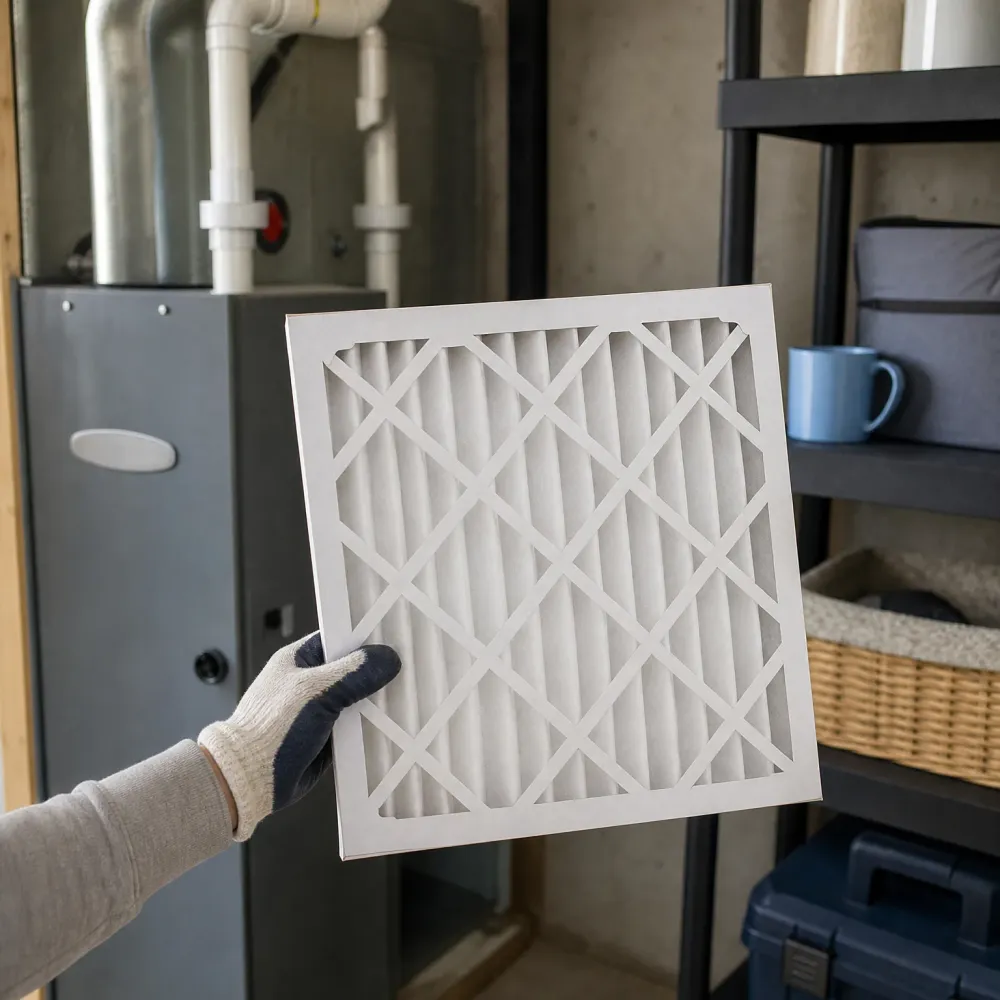
Your furnace or heat pump here has one real job, and it runs eight months a year, October through May. That's the season that decides which machine is right for your house, not the four months of cooling. Winter nights average 32°F, and a standard heat pump already loses ground by then. Its output falls short of the rating below 40°F, and below about 35°F it typically leans on backup heat to make up the difference. Your average night is below both marks.
That doesn't mean a heat pump can't heat your house. About 14 nights a year here drop to freezing or below, a small slice of the roughly 245 nights the heat runs, and almost none of those nights get near 0°F. A heat pump built to the ENERGY STAR Cold Climate spec is tested to hold most of its capacity and still make more heat than electricity it uses at 5°F, a colder night than this county sees. Field tests of those cold-climate units found backup heat covered only a small share of the output between 0°F and 35°F, and running on backup alone was rare even then. A standard, federal-minimum heat pump wasn't built for that job. A cold-climate one was tested for it.