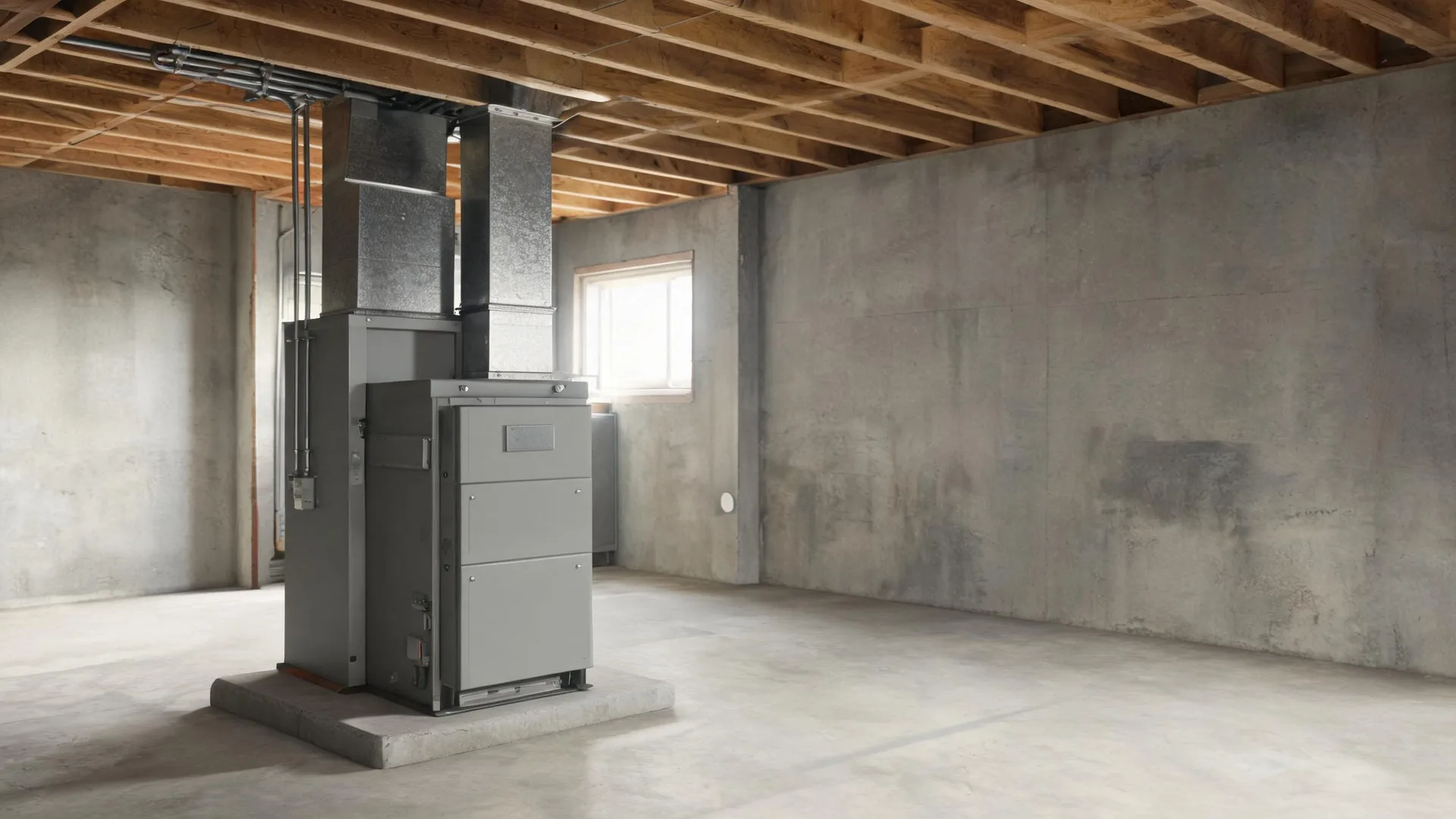
Winter storms hit here often
El Dorado County saw 449 winter storm events between 2015 and 2024, along with 225 damaging wind events. A furnace that quits when a storm knocks out power leaves the house with no heat right when it's needed most.
Takes about a minute. No obligation.
El Dorado County saw 449 winter storm events between 2015 and 2024, along with 225 damaging wind events. A furnace that quits when a storm knocks out power leaves the house with no heat right when it's needed most.
Across California, 17% of households went at least 24 hours without power in 2024. A new furnace install is the time to decide how the house keeps running when the lines go down, not after the first outage of the winter.
NOAA nClimDiv, 1991–2020 normals
Furnaces here start running in October and go through May.
Get a new one in before October and it's installed on your terms, not during the first cold snap.
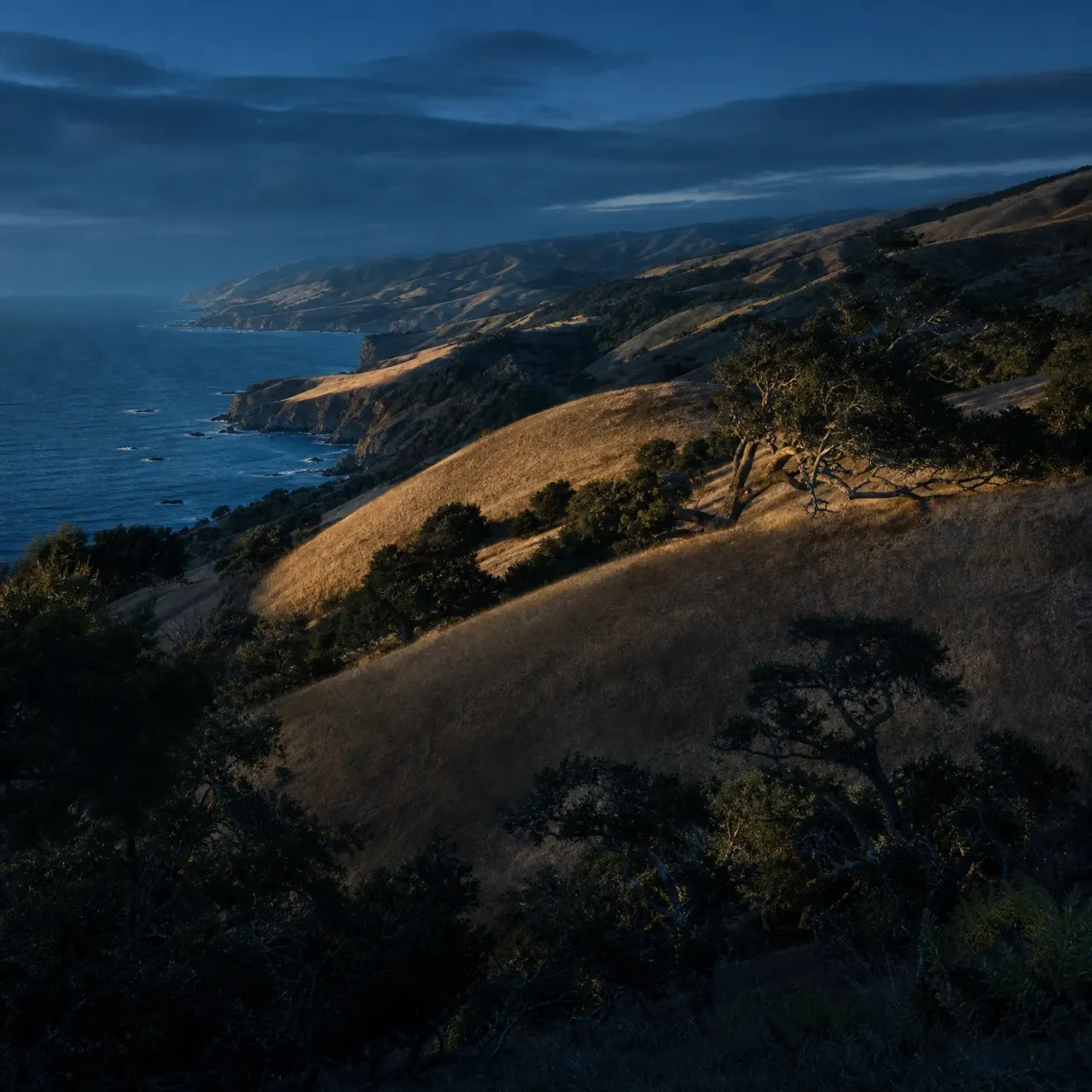

Gas heats more homes in El Dorado County than anything else, 34.3 percent of them. Bottled or tank propane covers another 27.4 percent, so between the two, most houses here already run on gas in some form. Replacing a gas furnace with another gas furnace means the gas line, the vent and the gas meter are already in place. That keeps the install simpler than switching fuels, since nothing has to be run new. If propane is what serves your house, the same logic holds: a new furnace built for propane goes in against lines and a tank that are already there.
This is the point in the job where the backup plan gets decided, not guessed at later. Ask what the furnace does the moment power drops and what it takes to bring heat back once it returns. If a generator hookup or battery backup makes sense for the house, this install is when to wire it in.
Find a contractor
October through May, this furnace runs. That's most of the year, and it puts more hours on the igniter, the blower motor and the heat exchanger than a furnace sees in places with a shorter winter. A furnace sized wrong for the house feels that sooner here than somewhere it only runs a few months. Too big, and it short cycles, kicking on and off instead of running a steady stretch, and that short cycling wears parts down faster on top of a season that's already long. Get the size right at install and the furnace spends those eight months doing the job it was built for.
A furnace is priced by its heat output and by what venting and ductwork it needs to run safely. A larger house or a layout with more rooms to feed needs a bigger unit, and a bigger unit costs more before anything else gets added. The efficiency rating matters too. A furnace that pulls more heat out of the same fuel costs more up front and needs different venting than an older style, since the exhaust runs cooler and has to drain condensation instead of just exhausting hot gas.
Swapping a furnace for the same type, in the same spot, with the same vent and gas line, is the cheapest version of this job. Cost climbs when the ductwork has to be resized, when the vent needs to be rerouted, when the gas line is too small for the new unit's input, or when the spot the old furnace sat in won't fit the new one. A thermostat that needs new wiring, or a return air setup that needs reworking to move enough air through the new furnace, adds to the job too. None of that shows up until someone looks at what's actually there to work with.
Estimates for a typical El Dorado County home, from EIA household energy data, California fuel prices and NOAA climate normals. Your home will differ.
A furnace install starts with the old unit coming out, and the gas gets shut off before anything else happens. Once it's disconnected, the installer checks what the new furnace is actually sitting against: the duct connections, the vent, the gas line, the return. Setting the new furnace in place and leveling it comes next, then connecting the gas line, the vent, and the ductwork to it. The electrical and the thermostat wiring get tied in after that. Before anyone calls it done, the gas line gets tested for leaks, the vent gets checked to make sure exhaust is actually leaving the house, and the furnace gets run through a full cycle to see that it fires, heats, and shuts off the way it should. A furnace that passes all three of those checks is one that's safe to leave running unattended, which is the whole point of doing it right the first time.