

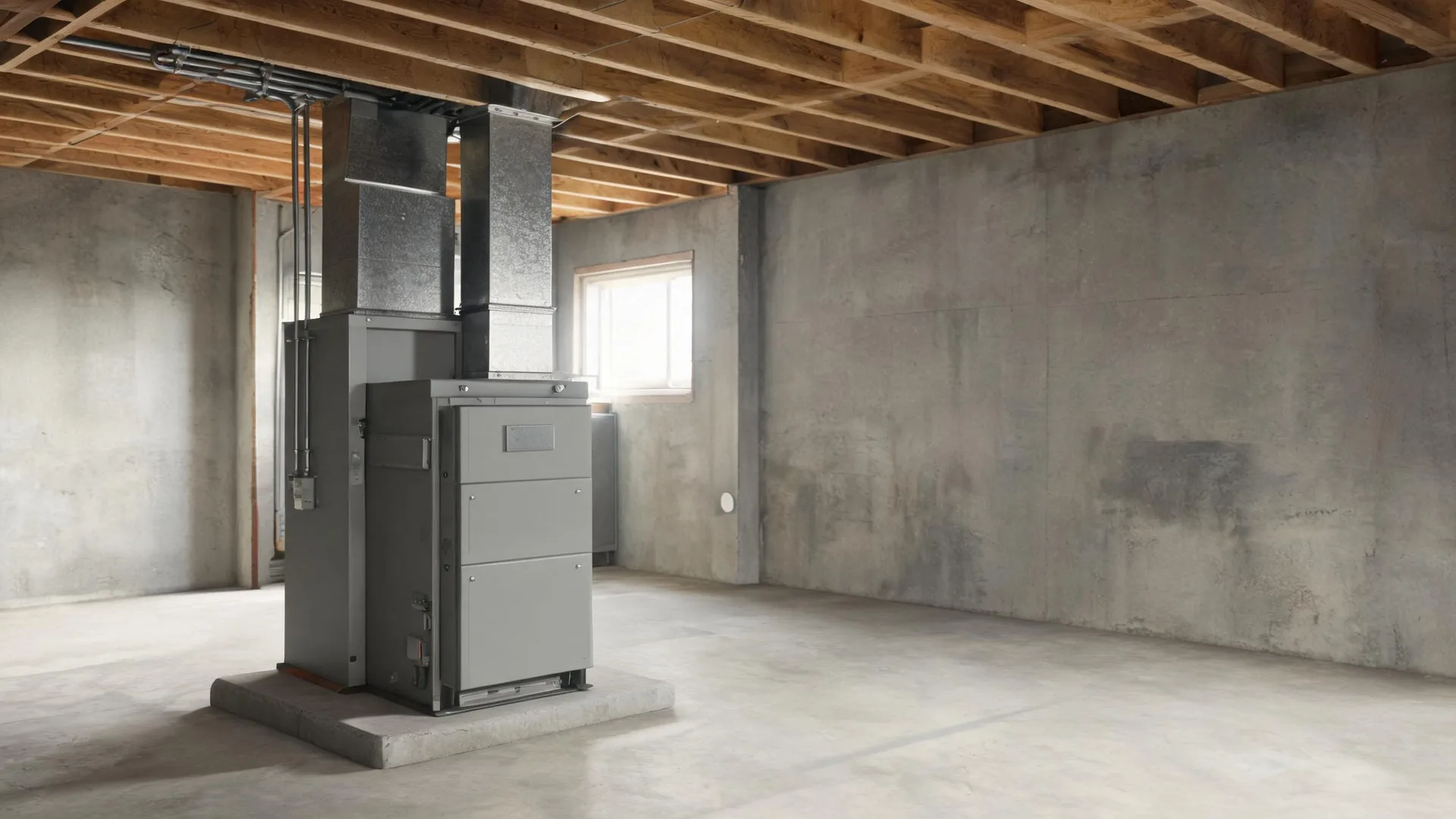
A bare concrete basement containing a gray gas furnace with metal ductwork and a vertical flue pipe, lit by a single hanging bulb.

Furnace Installation in Visalia, CA

Tell us about the job

Takes about a minute. No obligation.

New system or replacementFurnace or heatingTulare County, CA
Step 1 of 2

What ZIP code is the job in?

Tulare County recorded 346 severe weather events between 2015 and 2024. Most of that was wind, 191 events, with 149 winter storms and a few hail strikes mixed in. Any of that can knock out power, and when the grid goes down, a furnace with electric ignition and a blower motor goes down with it, even on gas. Statewide, 17% of households went at least a day without power in 2024. A new furnace install is the time to plan around that, not after a cold night with no heat.

8 months
October through May, your furnace is on duty
31°F
the average winter night it heats against
68%
of homes here heat with gas, so most furnaces here burn gas
80% AFUE
the federal minimum any new unit must meet
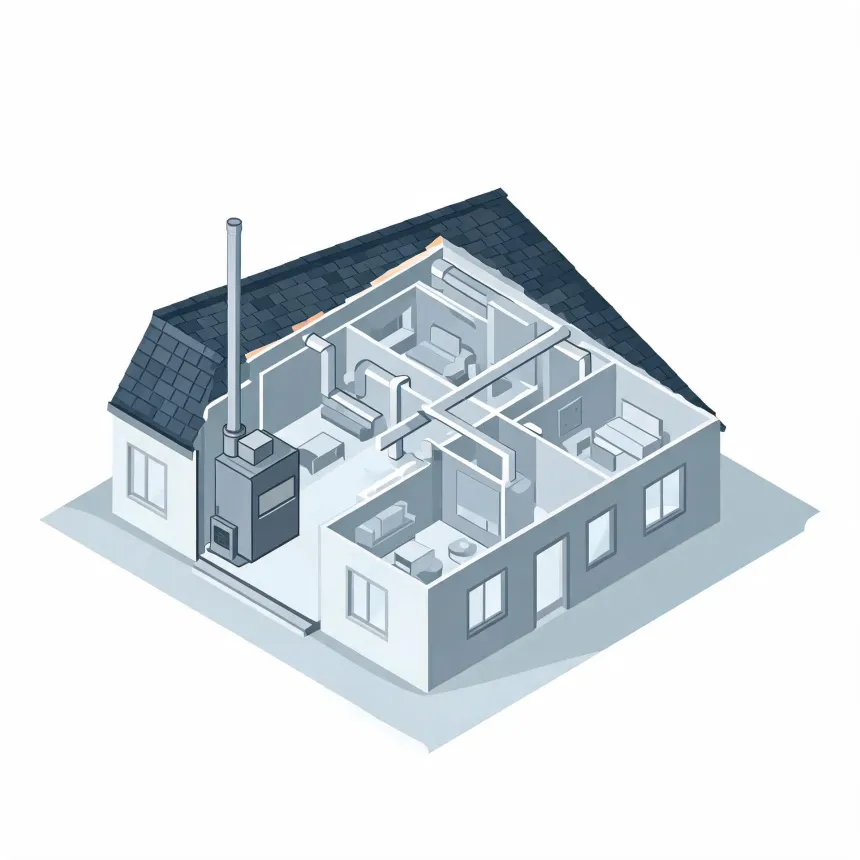
Isometric cutaway illustration of a single-story house showing interior rooms, ductwork, and a dark furnace unit with a tall flue pipe rising past the shingled roof.
Your furnace works hardest from November through April.

NOAA nClimDiv, 1991–2020 normals

Furnaces here start running in October.

Get yours installed in September, before the first cold night finds out it's not working.

Gas here runs cheap, so the payback on a high-efficiency furnace isn't the point. Staying warm through a storm is.

Heat runs October through May
Winter nights average 31°F
149 winter storms from 2015 to 2024

Gas heats 67.5% of homes in Tulare County, more than any other fuel. If your house already has a gas line run to it, putting in another gas furnace is the straightforward path. The installer doesn't have to size new electrical service for strip heat or a heat pump's air handler, and you're not the first furnace on your block, so parts and service are easy to find. It also means less of the house depends on the grid staying up. A gas furnace still needs power for ignition and the blower, but the heat itself comes from the gas line, not from electricity being generated somewhere else and delivered to you.

Plan your furnace around the power going out

This county sees wind, hail and winter storms most years, and any of it can knock out power to a furnace that's otherwise running fine on gas. Installation is when you decide where the outdoor equipment sits, how it's shielded, and what happens to your heat if the grid drops for a day.

Find a contractor
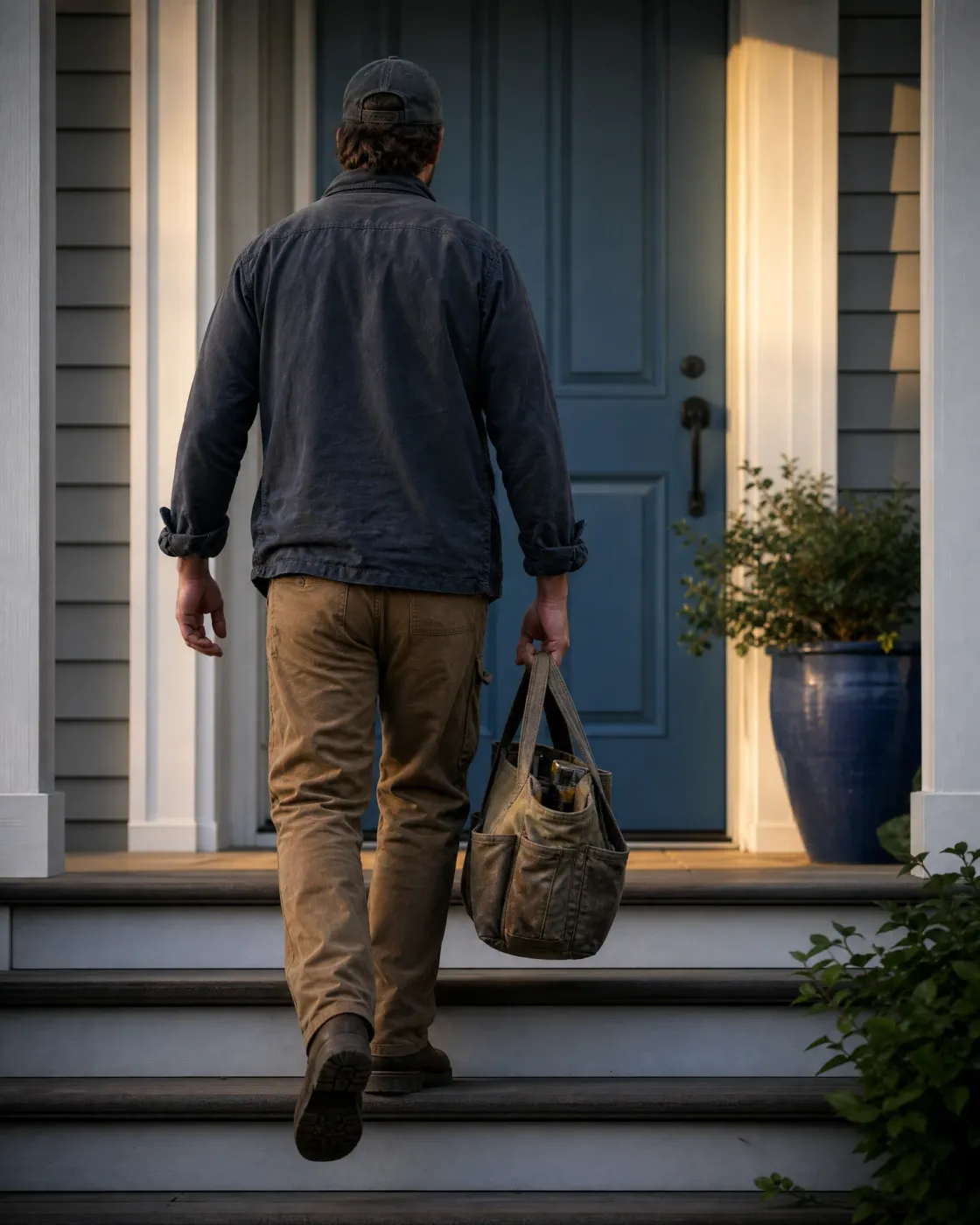
A man in a cap, dark jacket and tan work pants climbs porch steps toward a blue front door, carrying a canvas tool bag in his right hand, with a potted shrub beside the entry.
A gray gas furnace with attached ductwork and piping installed in an unfinished concrete basement.

Eight months of work a year

Eight months a year, this furnace will be running: October through May. That's not a handful of cold snaps. The blower motor, the igniter, the gas valve, all of it cycling on and off through the whole stretch. More months running means more hours on those parts than a furnace gets in most of the country, and more hours means the small parts show their age sooner. A furnace sized right for your house will handle that load the way it's meant to. One that's oversized short cycles, switching on and off more than it should, and that wears parts faster than steady running does. One that's undersized runs flat out trying to keep up and never gets a break. Either way, the size on the quote matters more than the price at the bottom of it.

The furnace itself is a small part of the bill

A furnace is sized to the house, not sold off the shelf. Getting that size right takes a load calculation, room by room, and that work costs money whether the furnace itself is a basic model or a high-efficiency one. Venting matters too. A high-efficiency furnace vents through PVC pipe and needs a condensate drain for the water it produces, and running that pipe to the outside wall and sloping the drain correctly takes more labor than hooking up to an existing metal flue.

What's already there changes the job

If the ductwork fits the new furnace and the gas line and electrical circuit are already sized right, the crew connects to what exists and the job goes fast. If the ducts are too small for the new unit's airflow, or the gas line was sized for a smaller appliance, that gets corrected before the furnace ever gets set in place. None of that shows up in a quote that only lists the equipment.

A gray forced-air furnace with metal ductwork stands in an unfinished basement with exposed wooden joists, concrete walls, and a single hanging light bulb.

A high-efficiency gas furnace would save about $90 a year to run in Tulare County compared with a gas furnace.

  • A high-efficiency gas furnace$470 a year
  • A gas furnace$560 a year

Estimates for a typical Tulare County home, from EIA household energy data, California fuel prices and NOAA climate normals. Your home will differ.

The old furnace comes out first, along with anything tied to it, the thermostat wires, the gas line fitting, the flue connection. The installer checks the ductwork and the plenum before setting the new unit, because the new furnace has to match what's already moving air through the house. Once it's in place, the gas line gets connected and pressure tested before anything is fired up. Electrical and venting come next, then the thermostat gets wired and set. The last part of the day is running the system through a full cycle, checking the temperature rise against what the manufacturer specifies, and listening for anything that shouldn't be there. A furnace that passes that check on install day is one that's been verified, not just assumed to work.