


What winter here actually asks of a heat pump
Your furnace or heat pump runs about eight months a year here, October through May, so this is mostly a heating decision. The overnight low averages 31°F across December and January, and that is the number that matters, because a standard heat pump's output starts falling short of its rating below 40°F, and it often needs backup heat below about 35°F. Your average winter night is below both marks.
That sounds worse than it is. The county only drops to freezing or below about 17 nights a year, out of roughly 245 nights the heat is running, so it is a small part of the season, not most of it. Fewer than one night a year reaches 0°F. A heat pump spends almost the whole winter well above the point where it struggles, and only a handful of nights near or below where backup heat would carry some of the load.
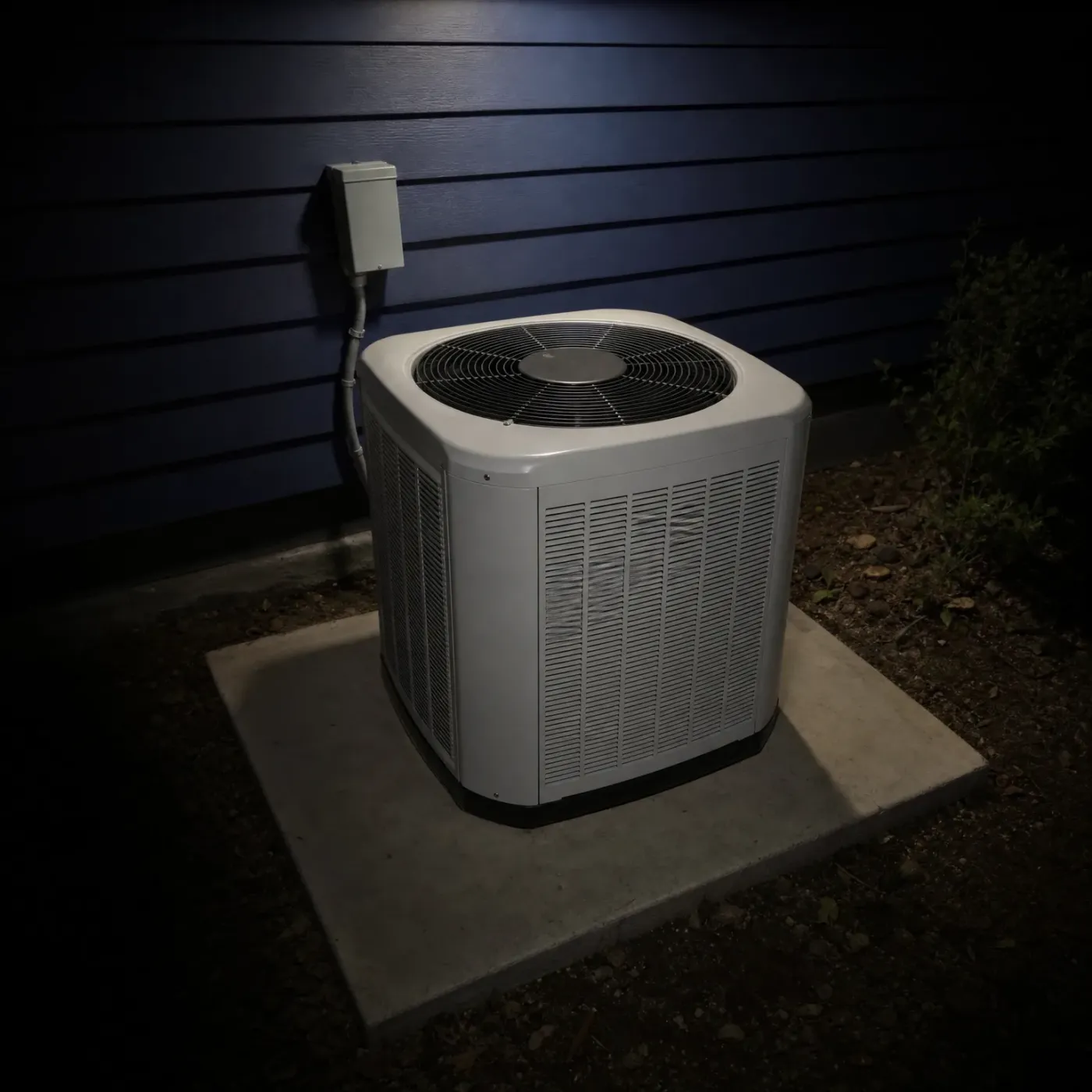
If you want a heat pump to cover those cold nights on its own rather than lean on backup heat, look for one with the ENERGY STAR Cold Climate mark. That rating requires the unit to still make 1.75 units of heat per unit of electricity at 5°F, and hold onto 70 percent of its 47°F capacity at that temperature, checked by outside testing. A standard heat pump isn't built to do that. A cold climate one is.