White stucco houses with red tile roofs illuminated by warm outdoor lighting at the base of a hillside at dusk.

Furnace Repair in Visalia, CA

Tell us about the job

Takes about a minute. No obligation.

RepairFurnace or heatingTulare County, CA
Step 1 of 2

What ZIP code is the job in?

Tulare County sees real storm damage

Tulare County logged 346 severe weather events between 2015 and 2024, including 191 damaging wind events and 149 winter storms. That kind of weather throws debris and builds up ice around outdoor equipment year after year.
A furnace that runs fine can still be hurt

Wind and winter storms reach the furnace through the vents and the outdoor parts of the system, not just the cabinet in your closet or attic. A furnace can keep lighting and still have a cracked vent cap or a damaged intake from the last storm.

8 months
October through May, your furnace is on duty
31°F
the average winter night it heats against
68%
of homes here heat with gas, so most furnaces here burn gas
149 winter storms
in ten years, the nights a failure hurts most
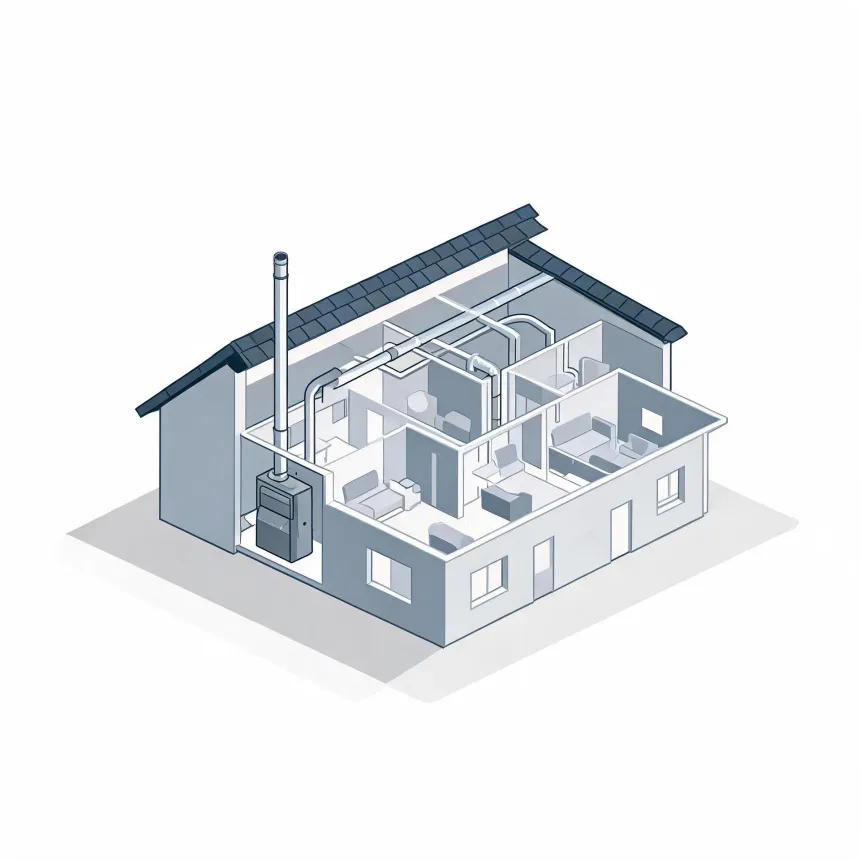
Isometric cutaway illustration of a single-story house in gray tones, showing interior rooms with furniture, ceiling ductwork, and an exterior furnace unit with a tall flue pipe.
Your furnace works hardest from November through April.

NOAA nClimDiv, 1991–2020 normals

Half the homes in Tulare County were built in 1983 or later.

A furnace that came with a newer house usually has years left in it, which makes repair the right first call.

Eight months of heat a year, with 149 winter storms along the way, puts real wear on a furnace

Heat runs October through May
Winter nights average 31°F
149 winter storms from 2015 to 2024
Furnace Repair in Visalia, CAHeat starts in October here, and the first cold snap is when a weak part gives out.

If your furnace is the one the house was built with, get a repair quote before anyone talks replacement. A technician can check the heat exchanger, the igniter and the vent connections and tell you honestly whether what's wrong is worth fixing. Most of the time, on a furnace that isn't decades old, it is. Ask what year your furnace was installed if you don't already know. That date matters more than the furnace acting up once.

Have the vent and intake checked, even if it's still lighting

If a storm has come through since you last had the furnace serviced, have the vent cap and intake looked at along with whatever's acting up now. Wind and ice reach parts of the system outside the cabinet, and a furnace can still light every time with a cracked vent cap or a blocked intake behind it.

Find a contractor
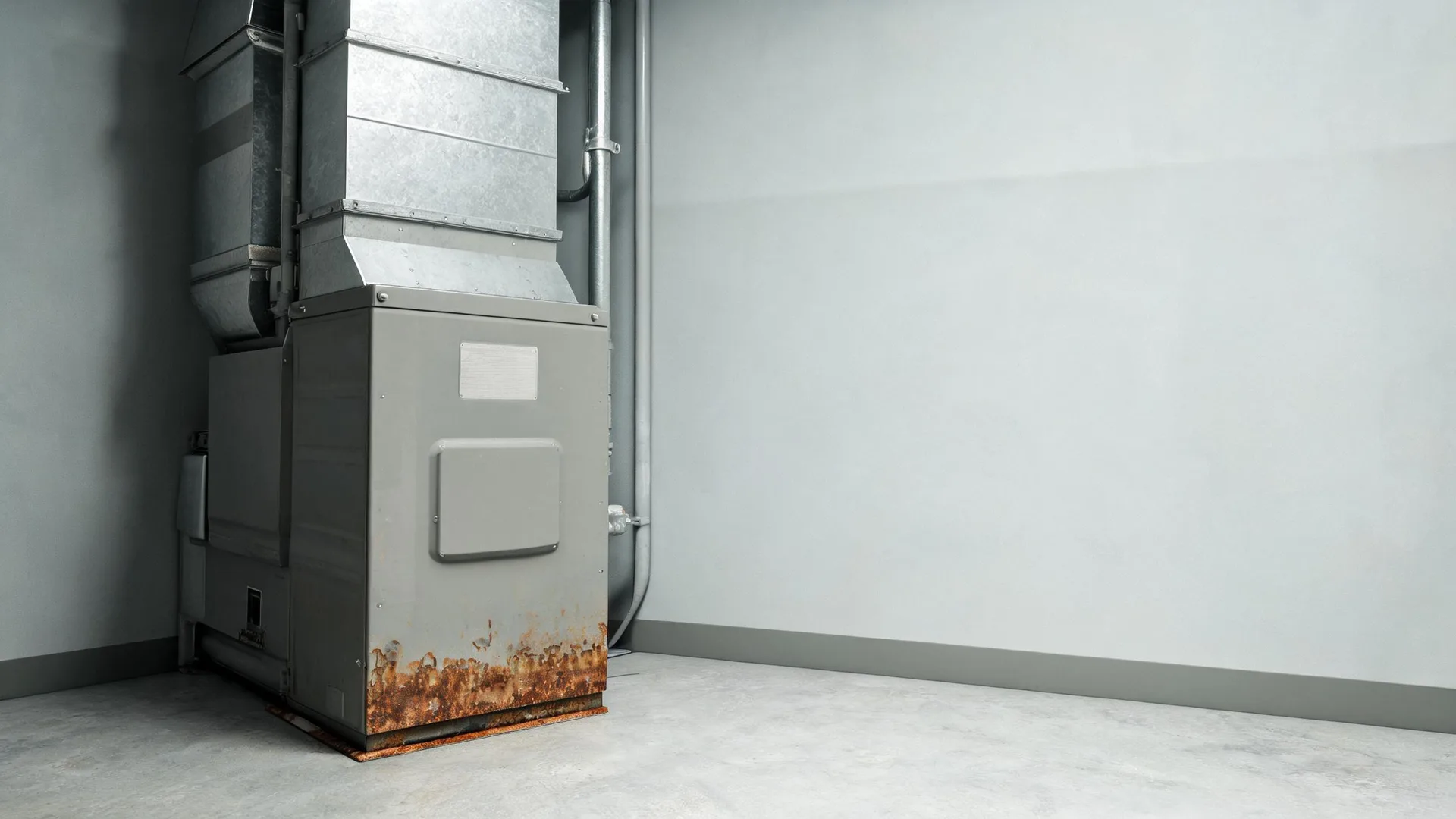
A gray residential gas furnace installed in an unfinished basement, connected to sheet-metal ductwork and PVC pipes.

Eight months on, four off

Eight months is most of the year. This furnace isn't resting much between May and October, and that's what a technician should be checking against, not just today's complaint. A part that's worked nearly eight months straight shows wear differently than one that only ran a few weeks. If something's acting up now, have it diagnosed against that kind of use, not treated as a one-off.

A small problem can become a bigger one by morning

A cracked heat exchanger, a failing limit switch, or a flame sensor losing its coating won't always shut a furnace down right away. Each cycle makes the crack wider or the reading less reliable, and the furnace keeps running because the parts around the fault haven't failed yet. By the time it finally stops, the fix is often bigger than it would have been the first time something seemed off.

Shutting it down buys time, not a solution

Turning the furnace off stops a bad part from getting worse, but it doesn't tell you what's wrong or fix it. A cracked exchanger or a sticking gas valve is the same problem whether the furnace is running or sitting idle. The point of catching a problem early is getting a technician in before the next cycle does more damage, not just avoiding the next cycle altogether.

An unfinished basement featuring a grey forced-air furnace with metal ductwork, concrete block walls, exposed wooden joists, and a single hanging bare bulb.

A new furnace would cut about $100 a year off heating for a typical Tulare County home.

  • A new high-efficiency furnace$470 a year
  • An older furnace$570 a year

Estimates for a typical Tulare County home, compared with an older unit built to the previous federal minimum, from EIA household energy data, California fuel prices and NOAA climate normals. Your home will differ.

Repair makes sense when one part has failed and the heat exchanger is sound.

Replacement makes sense when the heat exchanger is cracked or the furnace keeps needing parts.

A diagnostic visit starts before any panel comes off. A technician asks what the furnace is doing, when it started, and whether it happens on startup, mid-cycle, or when it shuts off. That narrows things down fast. Then the cover comes off and they watch it run through a full cycle: ignition, flame, blower coming on, shutdown. Along the way they check things you can't see from the thermostat, like the flame color, the amp draw on the blower motor, and whether the pressure switch is doing its job. Some of this needs the furnace running and some needs it off and apart, so expect both. The visit ends with the technician telling you which part failed and why, not just that something did.