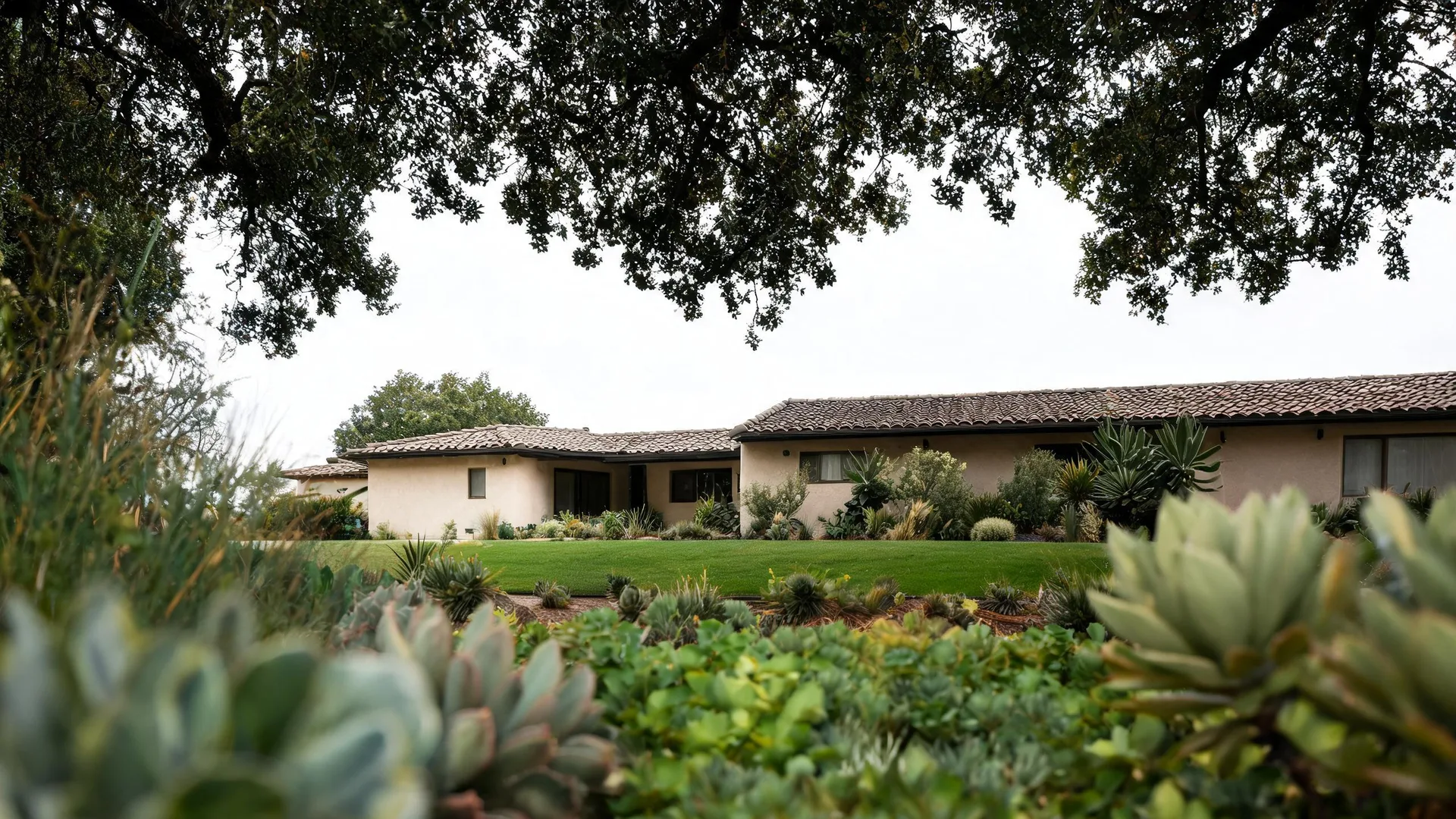





A single-story stucco house with a tiled roof behind a lawn and beds of succulents and agaves, framed by overhanging oak branches under an overcast sky.

Furnace Installation in Oakland, CA

Tell us about the job

Takes about a minute. No obligation.

New system or replacementFurnace or heatingAlameda County, CA
Step 1 of 2

What ZIP code is the job in?

Most houses in Oakland heat with utility gas. Across Alameda County it's 65.2% of occupied homes, with electricity a distant second at 29.6%. If a gas furnace came with your house, putting in another one keeps the gas line, the vent, and the setup your home was built around. That makes replacement more straightforward than switching fuels, which would mean new wiring or new venting depending on what you choose.

6 months
November through April, your furnace is on duty
41°F
the average winter night it heats against
65%
of homes here heat with gas, so most furnaces here burn gas
80% AFUE
the federal minimum any new unit must meet
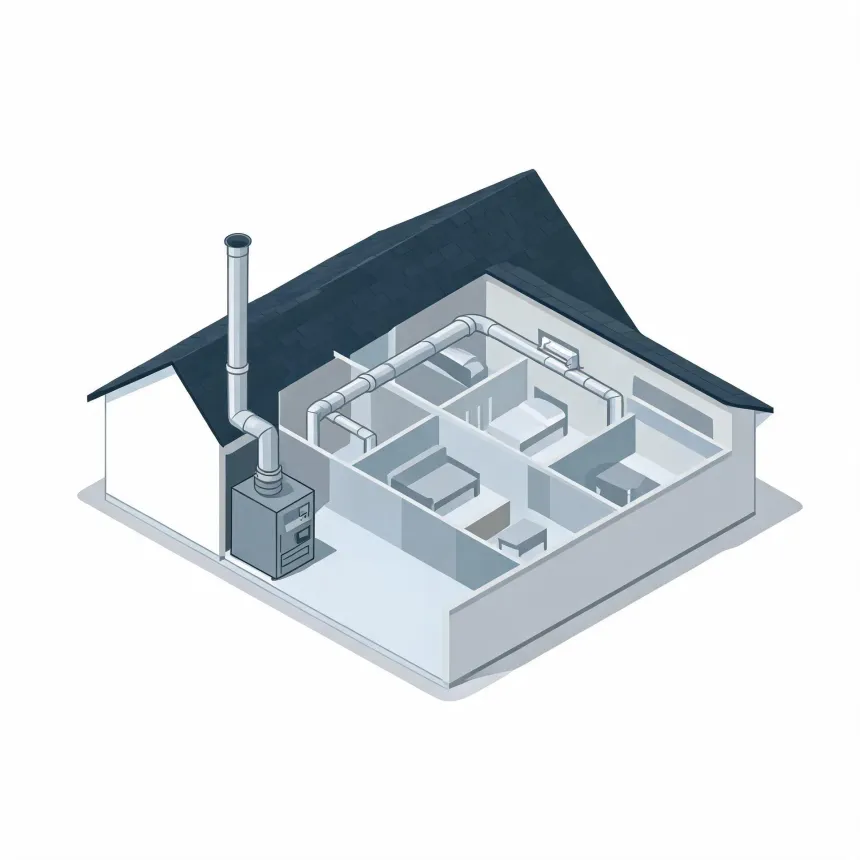
Isometric cutaway illustration of a single-story house with a dark shingled roof, showing interior rooms with beds and furniture, overhead ductwork, and a gray furnace with a tall flue pipe at the exterior wall.
Your furnace works hardest from November through April.

NOAA nClimDiv, 1991–2020 normals

Furnaces in Oakland only run November through April.

Six months of light work a year, so a mid-range furnace holds up fine here.

Half the homes in Oakland were built by 1969, and a furnace has to fit that house

Half the homes here were built by 1969
Heat runs November through April
Winter nights average 41°F
An old house needs the right size furnace, not a bigger oneHalf the homes in Alameda County went up in 1969 or earlier.

Oakland is zone 3C, mild winters, so the efficiency floor here is the national one rather than something tougher written for colder states. Any gas furnace installed today has to be rated at 80.0 percent AFUE or better. That floor is changing. Furnaces built from December 2028 on will need to hit 95.0 percent AFUE, a real jump from today's minimum. A furnace bought now will likely still be running when that rule takes effect, which is worth knowing when you're comparing a unit at the minimum against one already built closer to where the standard is headed.

Put in the furnace before November, not after

Heat starts running in Oakland in November. October is the month to have a new furnace in, so the install happens on your schedule instead of on the coldest week of the year.

Find a contractor
A man in a gray t-shirt and brown work pants carries a canvas tool bag up porch steps toward a blue front door of a house with gray siding.
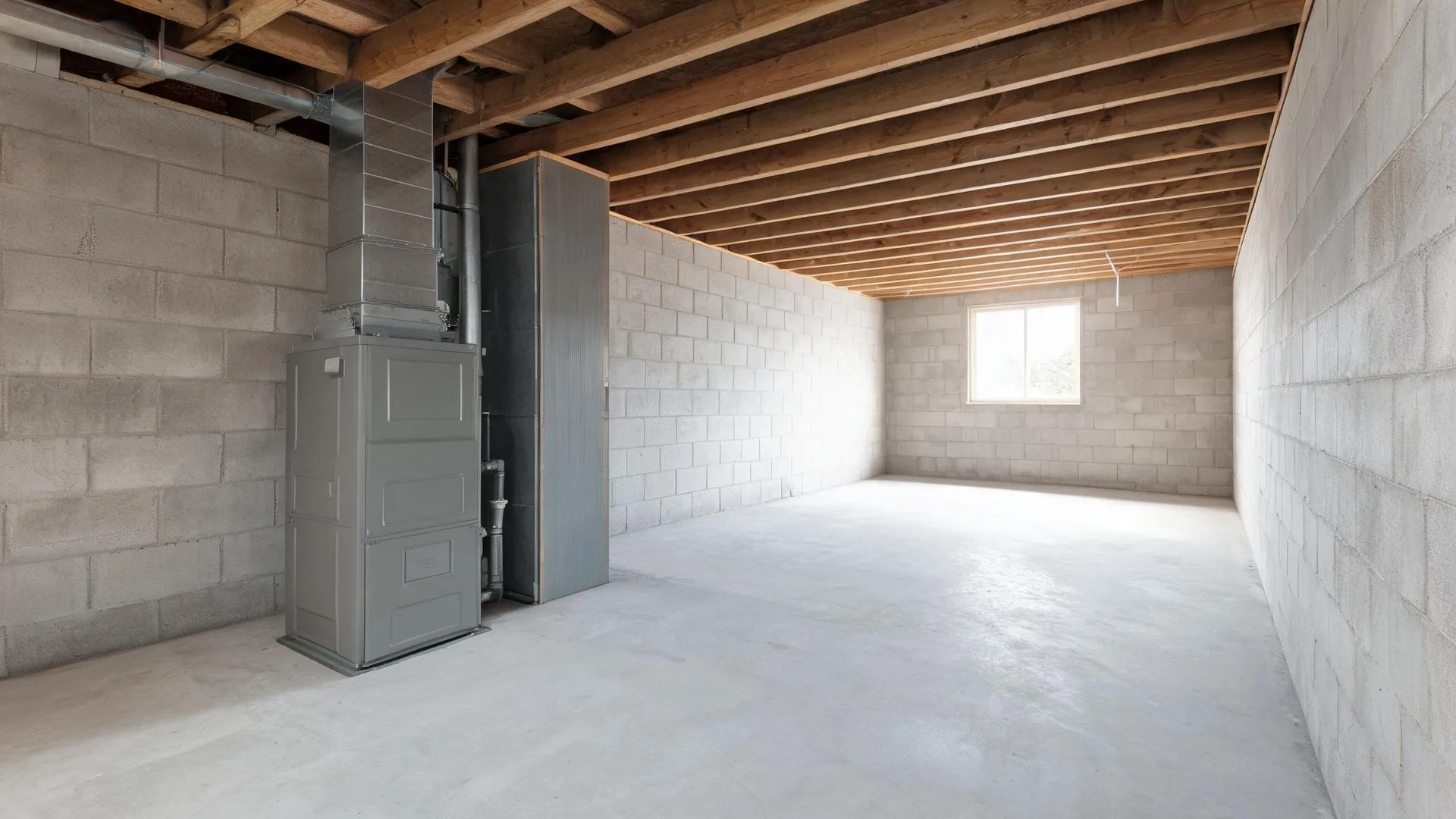
A gray residential gas furnace installed in an unfinished basement, connected to sheet-metal ductwork and PVC pipes.

Light duty, six months a year

Six months of running is not much strain on a furnace. A mid-range unit sees out its life here without logging the hours one would in a colder state. Put the attention where it counts instead, a cabinet that fits the closet or attic space you have, a brand with parts a local contractor can get without trouble. Nights average 41°F here across December and January. That is not the kind of cold that pushes a furnace past what it is built for.

AFUE is what it burns, not what it is

The AFUE number on the label tells you how much of the gas burned turns into heat in your house versus going out the vent. A furnace rated higher wastes less gas doing the same job. It says nothing about how big a space it can heat or how fast, so a furnace can carry a strong rating and still be the wrong size for your house.

The rating only holds if the install is right

A high-efficiency furnace still needs the gas line, the vent, and the ductwork sized to match it. Put a well-rated furnace on ductwork too small for it and it will not deliver the efficiency on the label. That number comes from a lab test, not from your closet, so the install is what decides whether you actually get what you paid for.

An unfinished basement featuring a grey forced-air furnace with metal ductwork, concrete block walls, exposed wooden joists, and a single hanging bare bulb.

A high-efficiency gas furnace would save about $60 a year to run in Alameda County compared with a gas furnace.

  • A high-efficiency gas furnace$280 a year
  • A gas furnace$340 a year

Estimates for a typical Alameda County home, from EIA household energy data, California fuel prices and NOAA climate normals. Your home will differ.

Install day starts with the old furnace coming out, along with whatever vent pipe and ductwork connections won't carry over to the new one. The contractor checks the gas line and the electrical connection before the new cabinet goes in, since both have to match what the new unit needs, not just what the old one used. Ductwork gets sealed to the new furnace, and the vent gets run and tested for a proper draft. Once it's connected, the furnace gets fired up and checked for correct gas pressure, airflow across the heat exchanger, and a clean burn. A good contractor also walks the system through a full cycle, heat on, blower running, shutting off correctly, before calling the job done. None of this takes a lot of time, but skipping a step shows up later as a furnace that runs but never quite performs the way the label says it should.