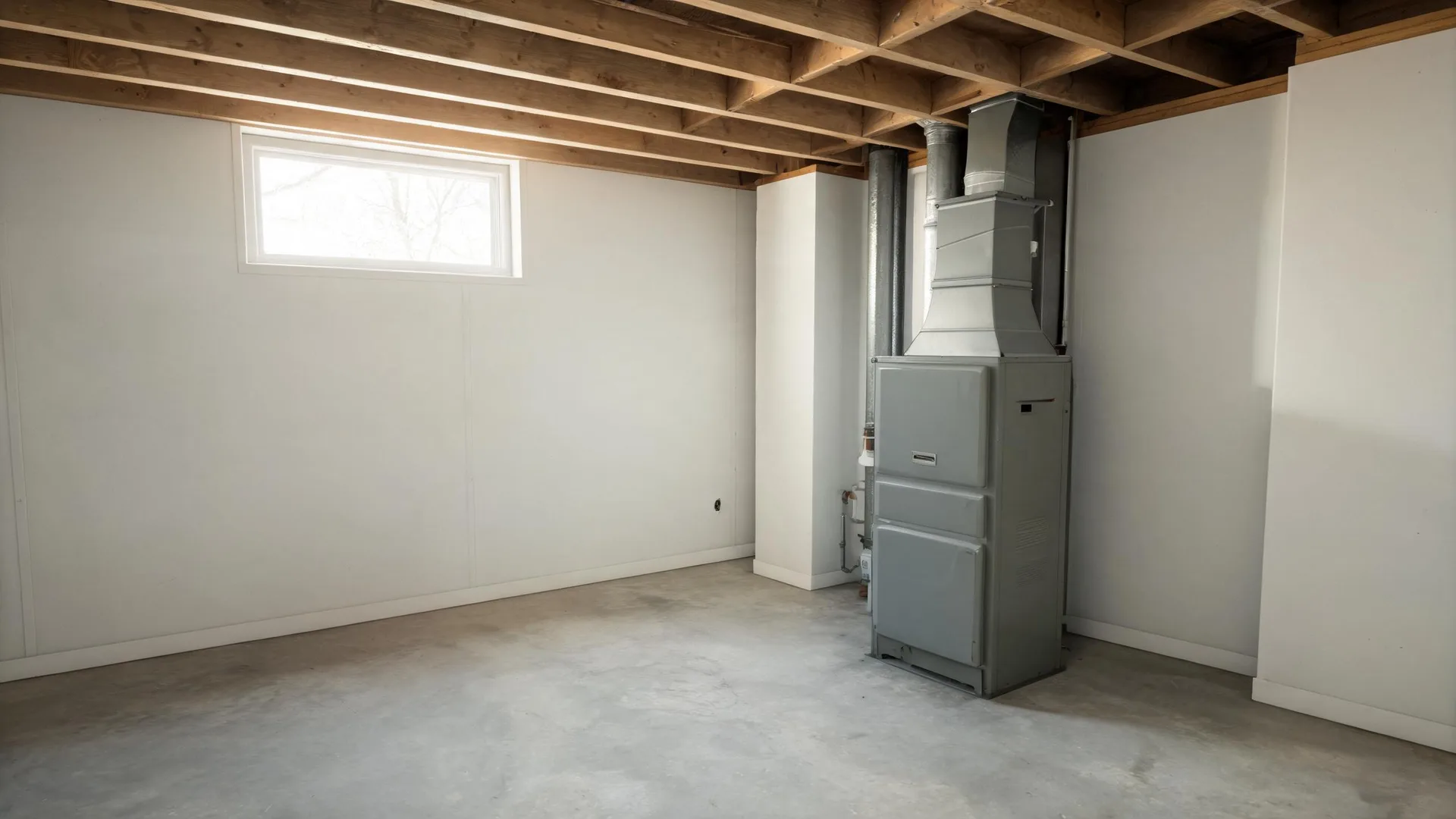
Gas is the common setup here
Utility gas heats 65.5% of homes in San Luis Obispo County. A gas furnace is what most contractors here install and service, and parts for one are easy to source.
Takes about a minute. No obligation.
Utility gas heats 65.5% of homes in San Luis Obispo County. A gas furnace is what most contractors here install and service, and parts for one are easy to source.
If your house already has a gas line run to a furnace, replacing it with another gas furnace keeps the job straightforward. Switching fuel types means new venting, new gas or electrical work, and a longer install.
NOAA nClimDiv, 1991–2020 normals
Furnaces in San Luis Obispo County start running in November.
Install before October ends and the job happens on your schedule, not during the first cold snap.



Natural gas here runs $18.44 per million Btu, on the high side for the country. That changes the math on a high-efficiency furnace. The more efficient model burns less gas, but at this price the extra cost of the unit takes longer to earn back in savings. Winters in San Luis Obispo County are mild too, so the furnace isn't running enough hours a year to close that gap fast. Pick based on what holds up and what a contractor here can service, not the efficiency rating alone.
Any furnace installed here now has to hit at least 80 percent AFUE, the federal minimum for non-weatherized gas furnaces. That floor rises to 95 percent in 2028, so what qualifies today may not later. A federal tax credit is available on qualifying high-efficiency models, worth checking against whatever you're comparing.
Find a contractor
Six months of the year this furnace sits idle, and even in December and January it's only working against a 38 degree night. That's not a system under pressure. Put the install budget into a unit a local contractor knows well and can get parts for, not the highest AFUE number on the shelf.
A furnace has to be sized to the ductwork and the heat loss of the house, not picked off a chart by square footage alone. That means a load calculation before anyone gives you a real number. Oversize it and you pay more upfront for a unit that short cycles and wears out its parts faster. The sizing work is where a fair price starts.
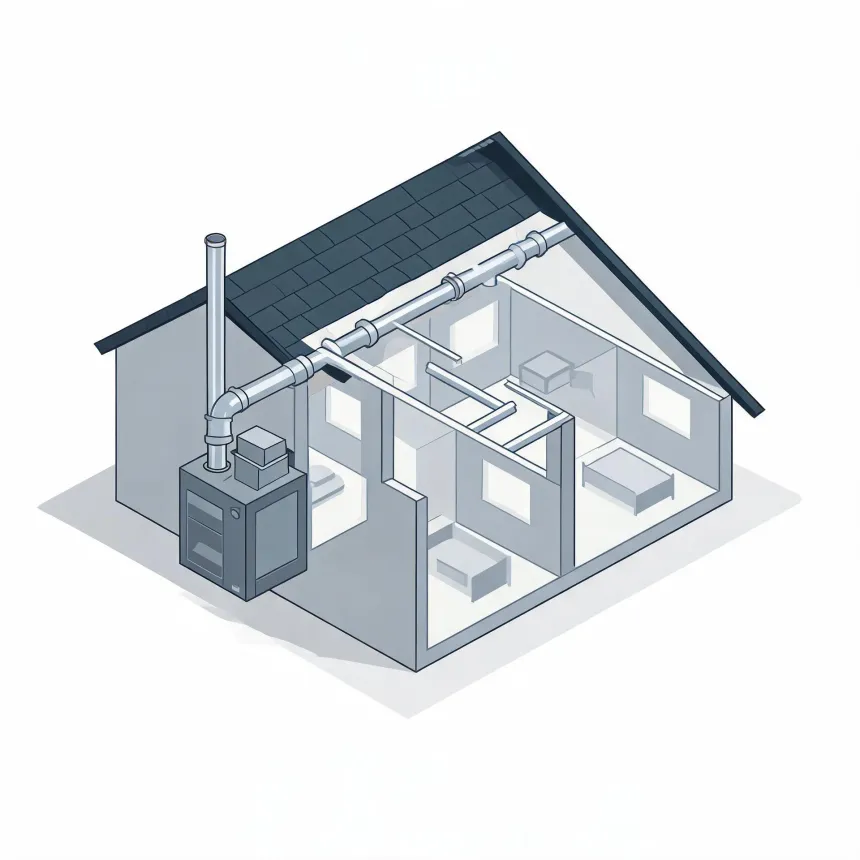
If the existing ducts and vent can take the new furnace as is, installation is mostly swap and connect. If the vent category changes, or the ducts are undersized or leaky, that's new venting or duct work added to the job. A contractor won't know which situation you're in until they open up the install, so get that checked before you compare quotes on price alone.
Estimates for a typical San Luis Obispo County home, from EIA household energy data, California fuel prices and NOAA climate normals. Your home will differ.
The old furnace comes out first, disconnected from its gas, power and ducts, and hauled off. The new one gets set in place and leveled before anything gets connected. Gas line, venting, duct connections, then the electrical and thermostat wiring, each joint checked as it's made. Once it's buttoned up, a contractor fires it and checks the gas pressure, checks the temperature rise against what the manufacturer specifies, and watches the flue to make sure it's venting correctly. Skip that last part and you end up with a furnace that short cycles or trips its limit switch the first cold night. A straightforward swap, same venting and ducts, can wrap in a day. New venting or duct changes add real time, and a contractor should say so before the walls are open, not after.