
Heat pump vs furnace in San Luis Obispo County, California

Get a Quote

No cost to ask

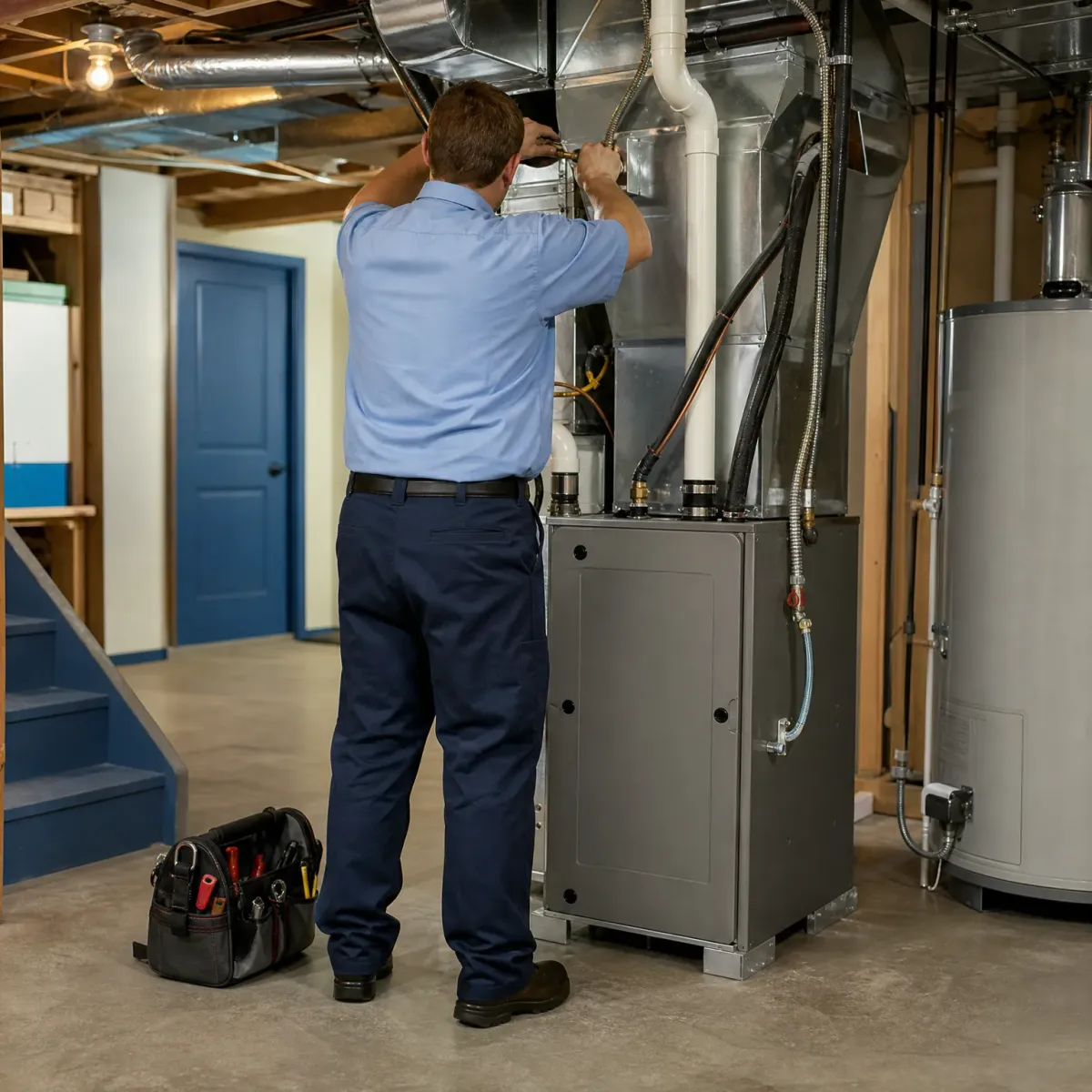
A man in a light blue shirt and dark trousers works on overhead ductwork above a furnace in a basement, with a tool bag on the floor and a water heater to the right.

Tell us about the job

Takes about a minute. No obligation.

New system or replacementSan Luis Obispo County, CA
Step 1 of 3

What kind of equipment?

Which costs less to run in San Luis Obispo County?

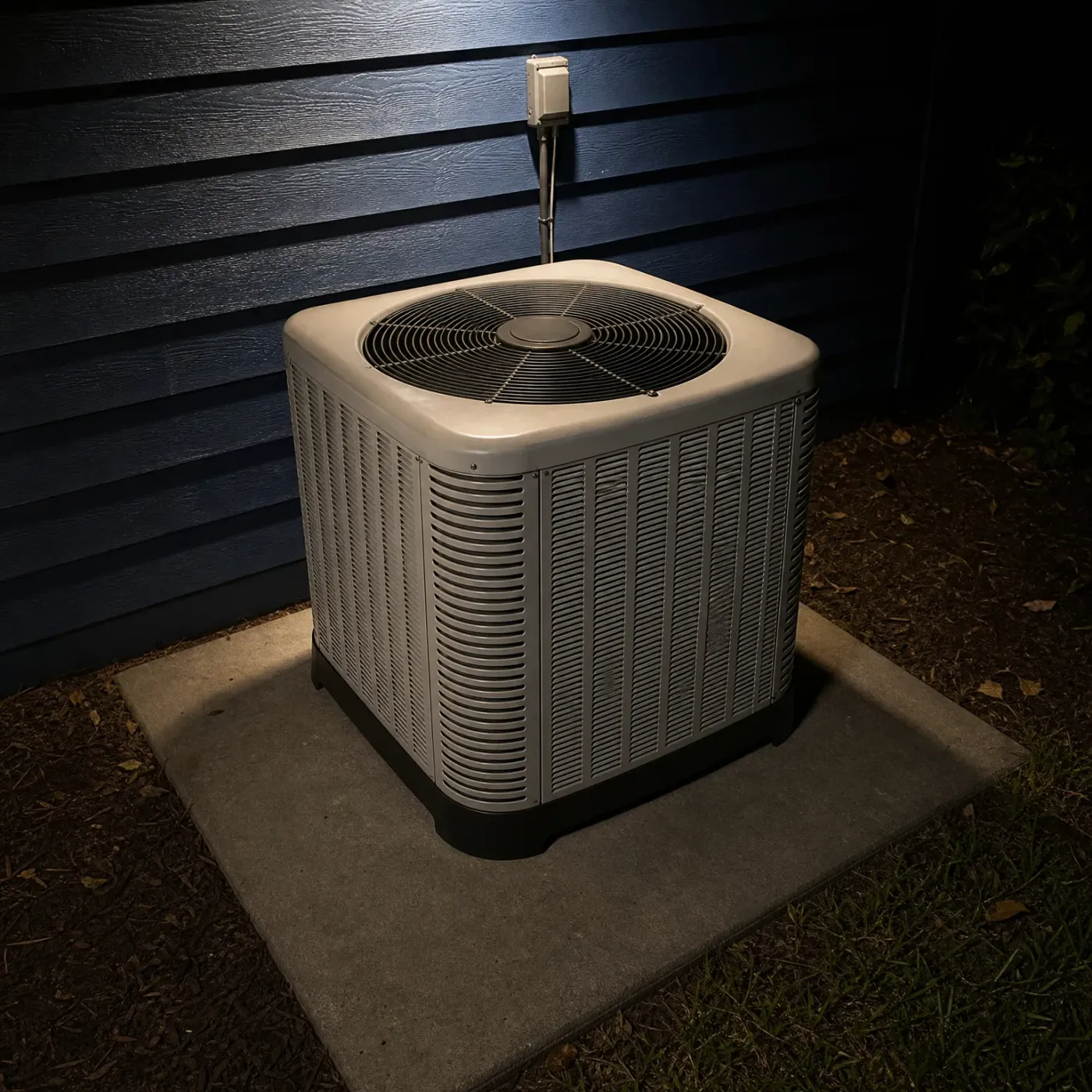
An outdoor air conditioning condenser unit on a concrete pad beside a dark horizontal-lap sided wall at night, with an electrical disconnect box and conduit on the wall above it.

Heat pump

To heat your home here$4.26per 100,000 Btu

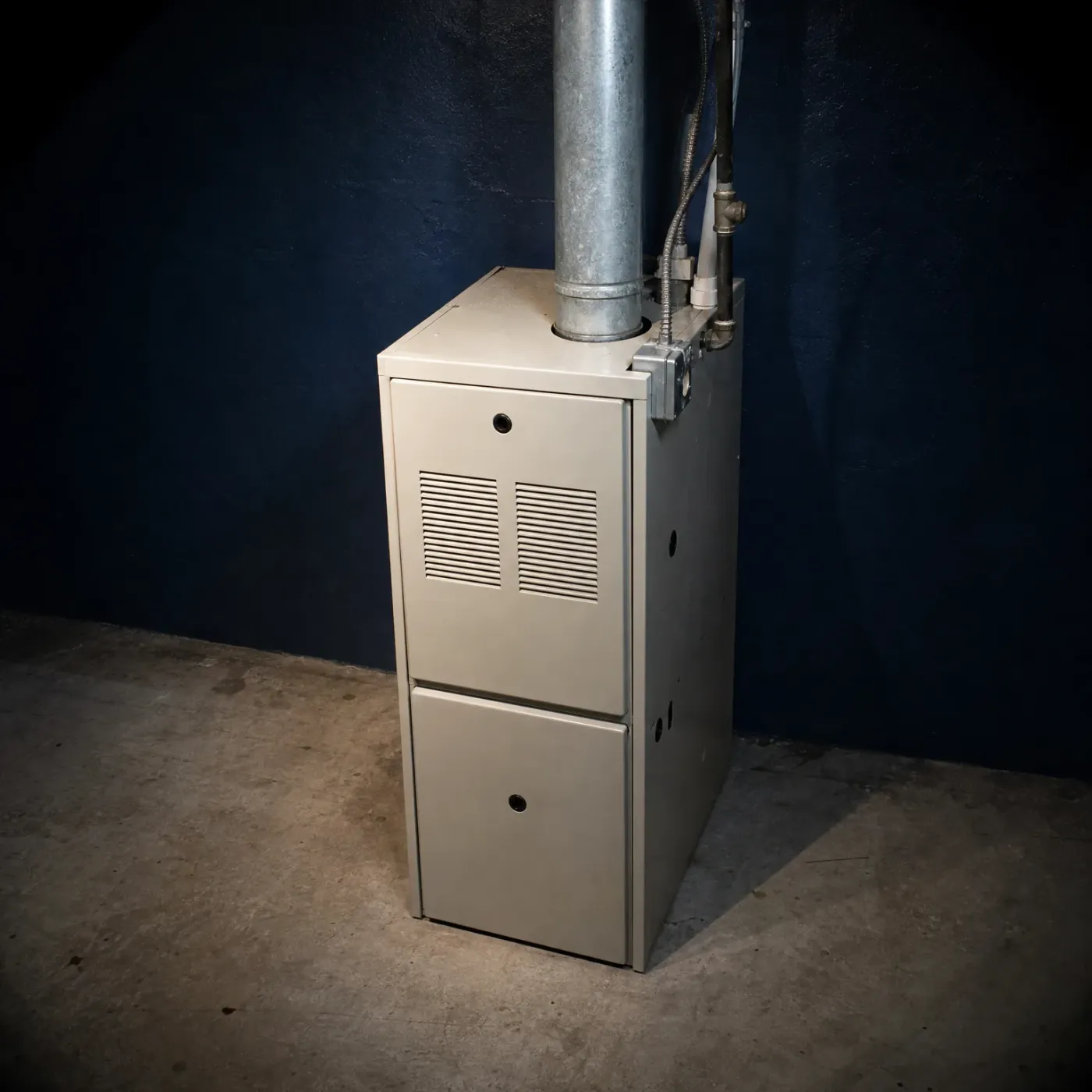
A beige residential furnace with louvered vent panels stands on a concrete floor against a dark blue wall, with a metal flue pipe and conduit running up from its top.

Furnace

To heat your home here$2.31per 100,000 Btu

At California's gas and electricity prices, a gas furnace makes the same heat as a heat pump for at least 45% less.

Btu stands for British thermal unit, the standard measure of heat energy.

Where does a heat pump shine?

  • Made for mild winters

    Winter nights here average 38°F, nothing close to the deep cold a heat pump struggles with. It can pull heat from outside air all season without a backup system kicking in.

    Front porch of a dark blue clapboard house with a light blue paneled door, white trim and railing, a wooden chair with a blanket and pillow, boots on the deck, wooden steps, dried hydrangeas and patchy snow in the yard.
  • Steady, even comfort

    It eases up and down with the weather. There are fewer swings between too warm and too cool.

    A living room at dusk with a navy armchair holding an open book and a gray throw, a beige sofa with plaid and navy pillows, a lit table lamp by a window showing bare trees and snow, a golden retriever lying on a patterned rug, a wooden coffee table with a mug, a stone fireplace surround and a lantern candle.
  • No gas line, nothing burning in the house

    There's no gas line to the unit and no flame anywhere in it. Carbon monoxide isn't part of the picture.

    A kitchen with navy blue cabinets, white marble countertops, a white subway tile backsplash, a stainless steel kettle on an induction cooktop beneath a stainless range hood, a wooden open shelf holding bowls and a trailing plant, and a light blue mug and bowl of apples in the foreground.

Where does a furnace shine?

  • Runs on the gas most homes here already use

    Most homes in San Luis Obispo County already have a gas line, since utility gas heats 65.5% of occupied homes here. If yours is one of them, a gas furnace just connects to what's already there.

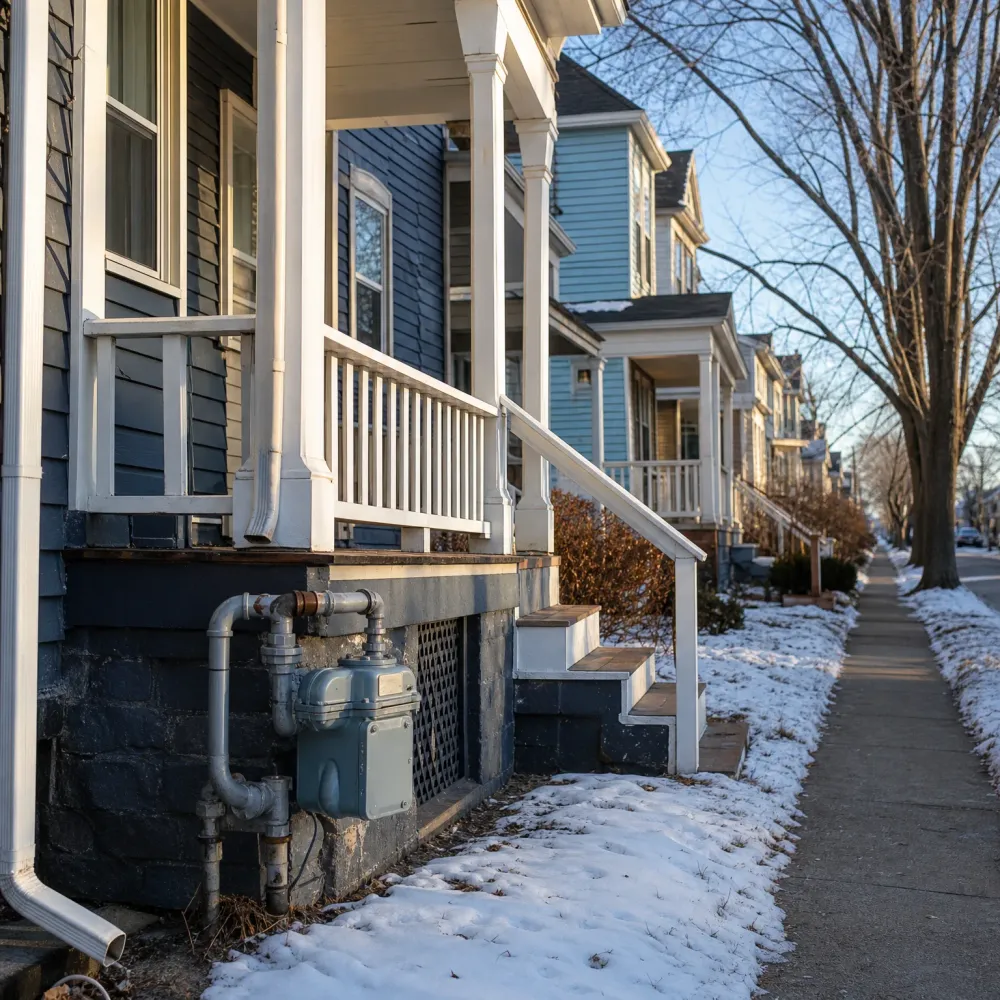
    A row of wood-sided houses with covered porches and white railings along a sidewalk, with patchy snow on the ground, bare trees, and an exterior gas meter with pipes on a dark stone foundation in the foreground.
  • Proven, simple, easy to get serviced

    Parts are easy to find and most repairs are routine. Getting one fixed rarely means waiting on a specialist.

    A gloved hand holds a white pleated air filter in front of a furnace and ductwork in a basement, beside a blue shelving unit holding baskets and folded plaid blankets.
  • Pairs with any central AC

    The ductwork that delivers heat in winter delivers cool air in summer once an AC coil is added.

    A dark metal floor vent set in hardwood flooring near a window with a billowing sheer white curtain, beside a blue wall, wooden cabinet with a potted plant, woven basket, and a patterned rug.

What a furnace costs you here versus a heat pump

Winters in San Luis Obispo County are mild. Overnight lows average 38°F through December, January and February, and the heat only runs about six months, November through April. That's exactly the kind of winter a heat pump is built for. It still loses the cost argument. A gas furnace makes the same heat for at least 45% less, $2.31 against $4.26 per 100,000 Btu, because electricity runs so much more than gas per Btu in California. A mild climate narrows the gap a heat pump usually closes elsewhere. Here, it doesn't close it.

Two in three homes in the county already heat with gas. If yours is one of them, the line is sitting there, and a furnace just uses it. A heat pump means running new electrical circuit capacity for it instead, on top of a machine that costs more to run once it's in.
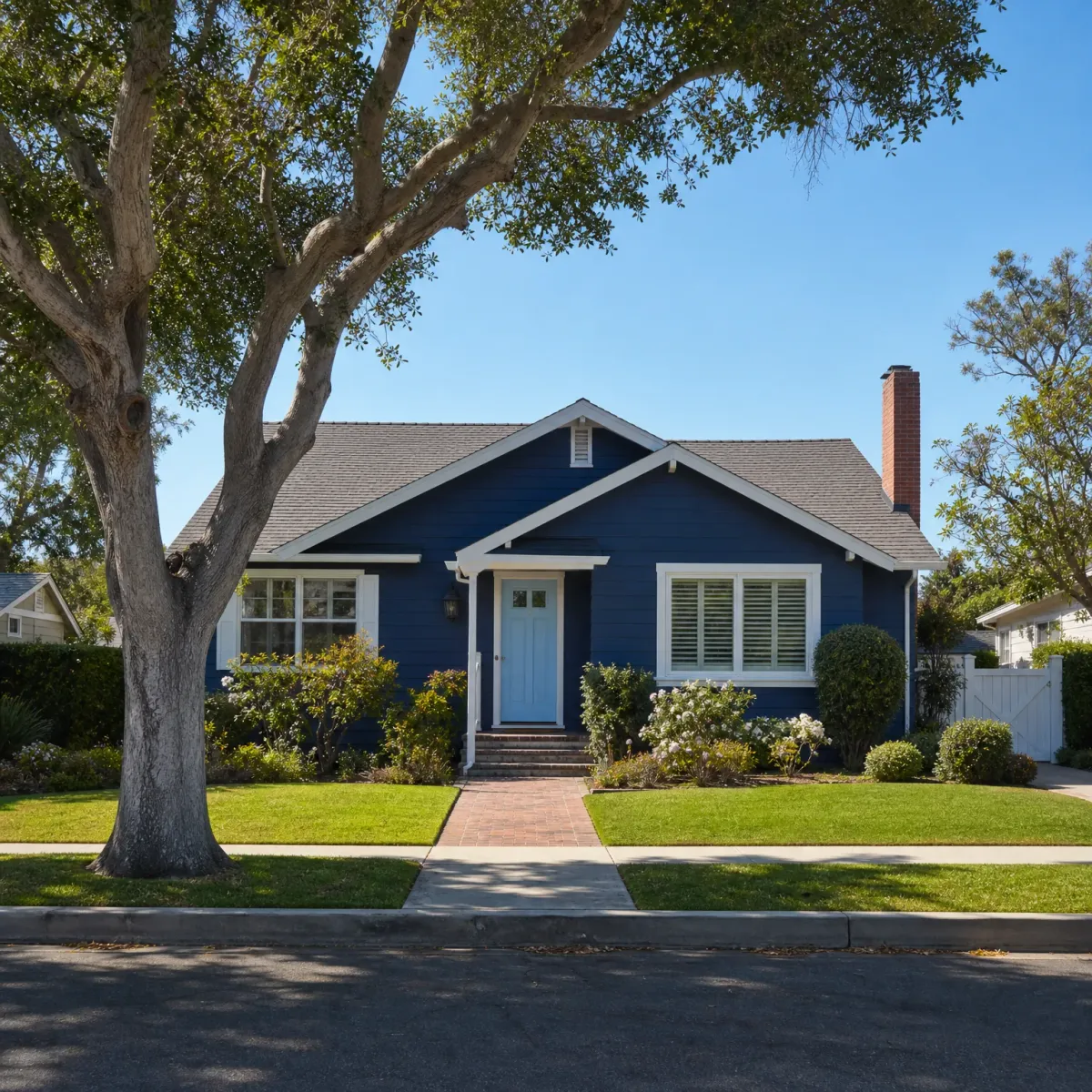
A single-story navy blue house with white trim, a light blue front door, gabled gray shingle roof and brick chimney, fronted by a lawn, shrubs, a brick walkway and a large tree under a clear sky.

Where the cold nights and the AC question come in

The cold itself isn't the problem. Nights at or below freezing happen about 7 times a year here, a small slice of the roughly 180 nights the heat is even running. A heat pump built to the federal minimum keeps up with that without help. The issue is what every one of those 180 nights costs to run, not whether the machine can handle the coldest seven.

Cooling is the other half of the question, and it cuts the other way. Heating runs six months here, cooling four, so heating is the season that decides most of the bill either way. But a furnace only heats. It does nothing the other six months of the year, so it still needs a separate air conditioner, and that's a second system to buy, install and maintain. A heat pump is both machines in one, heat in winter and air conditioning in summer, which matters most if your AC is old enough to replace anyway. Buying a furnace alone is a bet that your cooling can wait.

Sources: NOAA nClimDiv · NOAA 1991–2020 seasonal normals · Census ACS 2020–2024 · EIA SEDS 2024 · 10 CFR 430.32

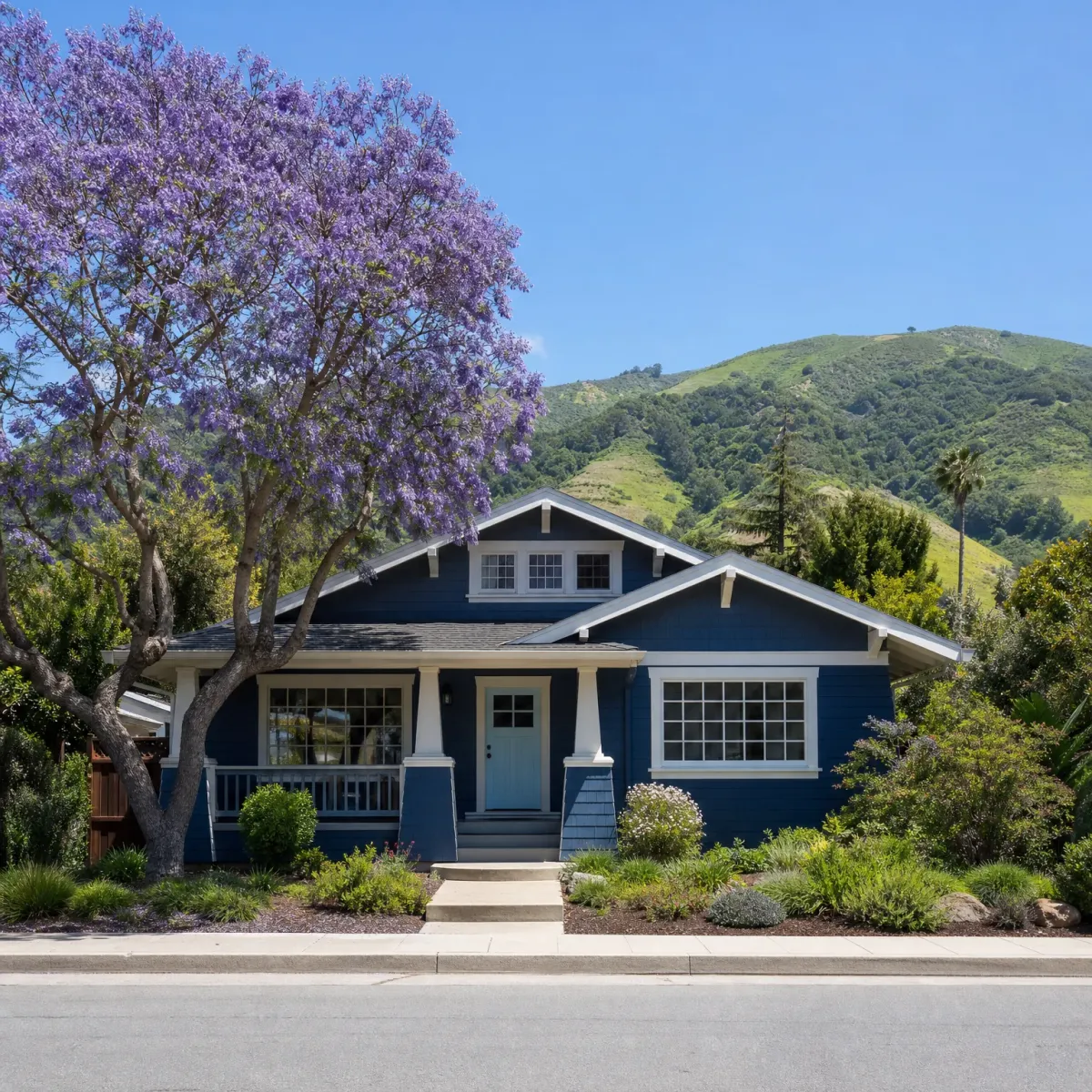
A navy blue single-story craftsman-style house with white trim, a covered porch and light blue front door, framed by a flowering purple jacaranda tree and shrubs, with green hills behind it.