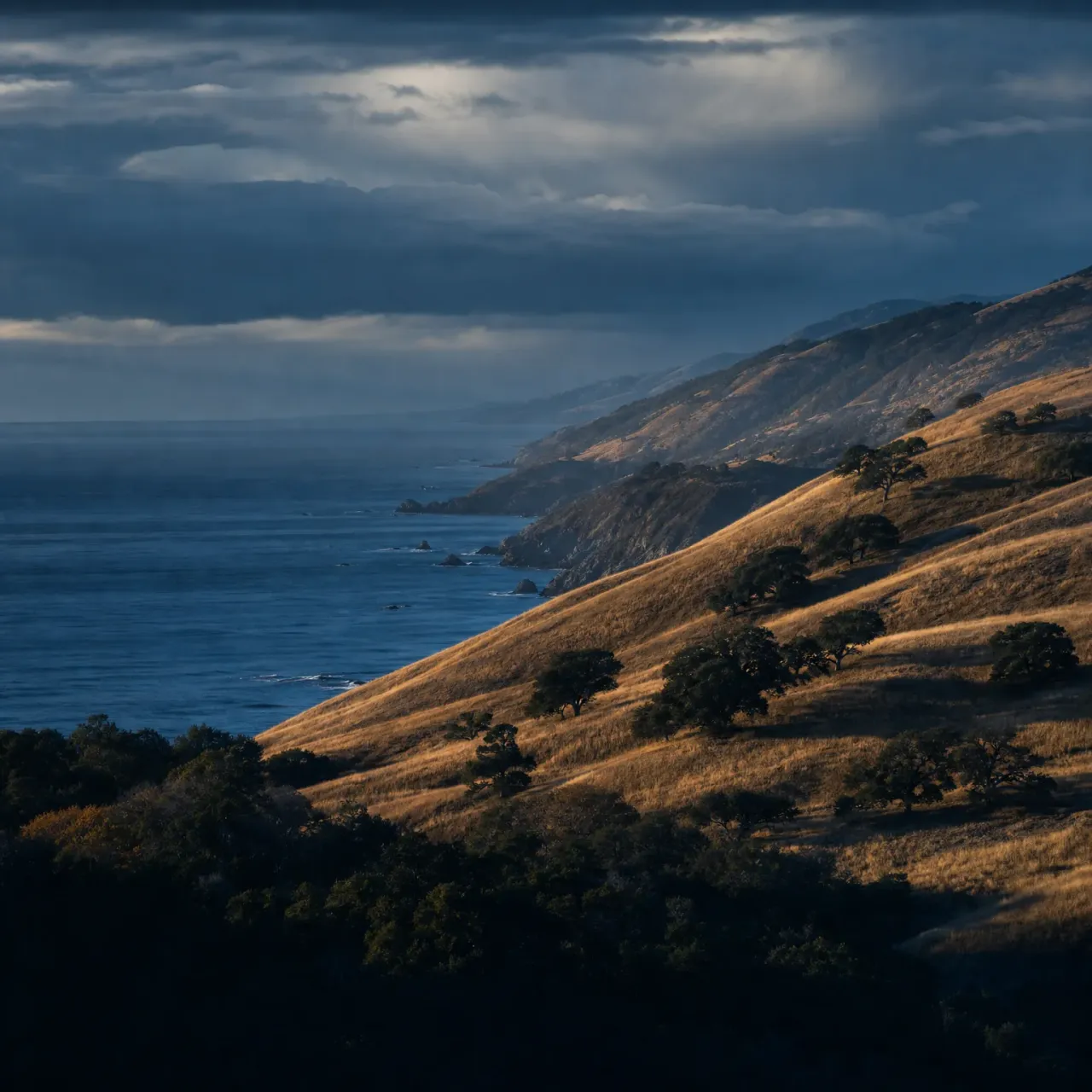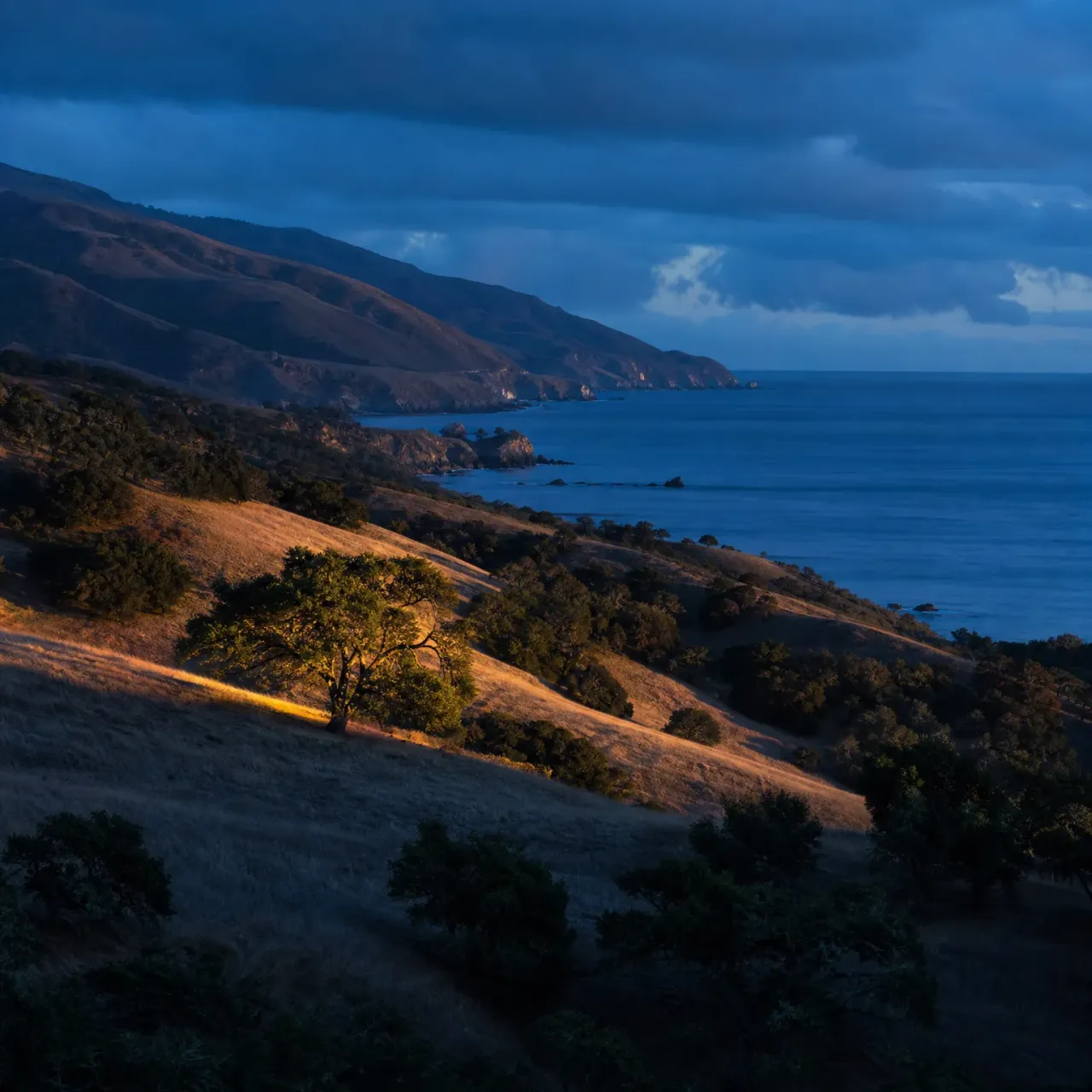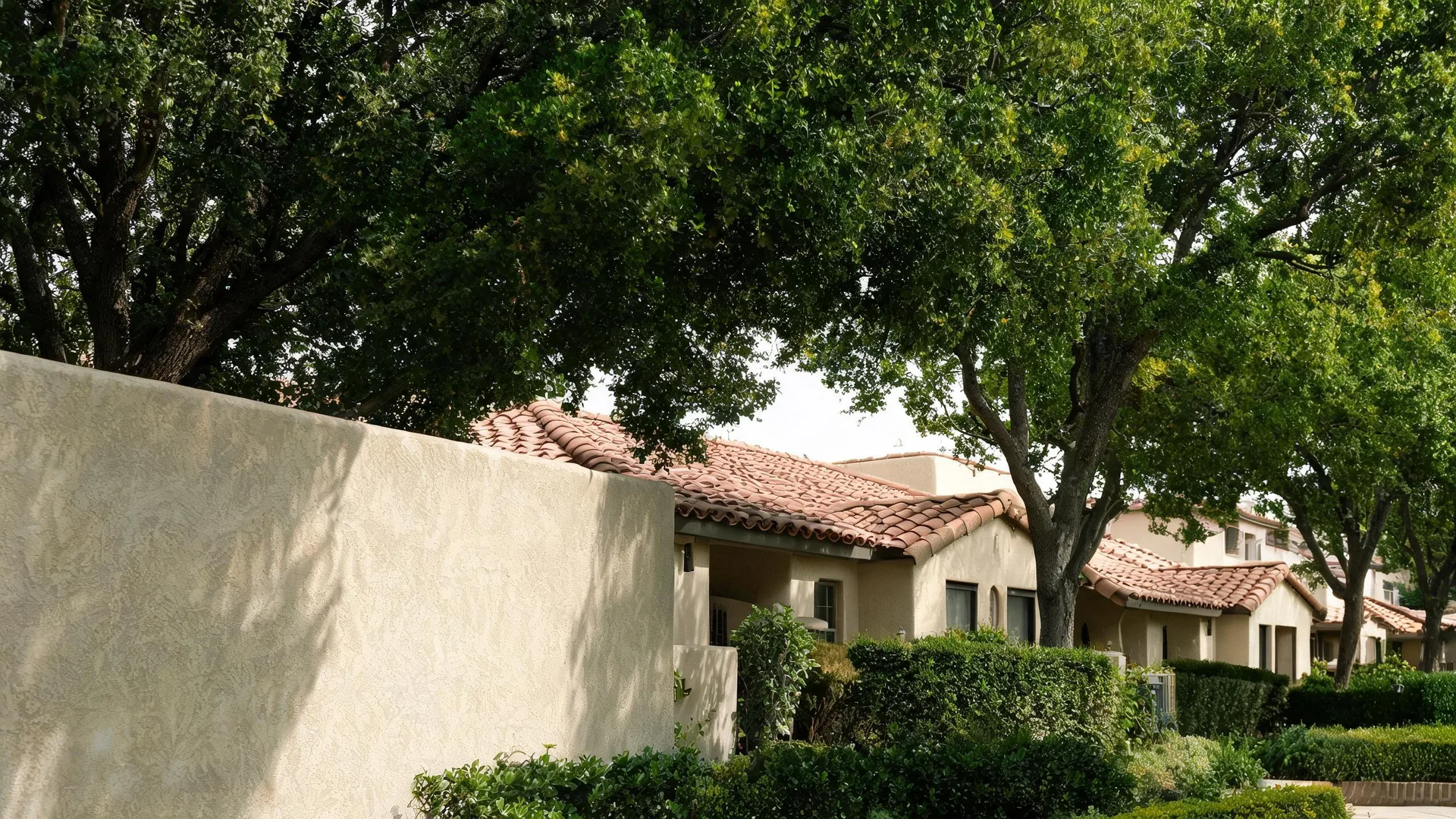
A tall beige stucco wall in the foreground with single-story stucco houses with red clay tile roofs behind it, surrounded by large leafy trees and trimmed hedges.

Furnace Repair in San Luis Obispo, CA

Tell us about the job

Takes about a minute. No obligation.

RepairFurnace or heatingSan Luis Obispo County, CA
Step 1 of 2

What ZIP code is the job in?

Short cycling means something's shutting it down early

A furnace that fires up, runs a few minutes, then quits before the room warms is tripping a safety switch somewhere. A dirty flame sensor, a clogged filter choking airflow, or a cracked heat exchanger can all cause this. It won't fix itself and running it this way stresses the parts further.

A new sound or smell is the furnace telling you something changed

Banging at startup usually means delayed ignition, where gas builds up before it lights. A squeal points to the blower motor or its bearings. A burning dust smell at the season's first run is normal and clears fast. If it lingers, or smells like something electrical, that's a different problem and worth shutting the unit off for.

6 months
November through April, your furnace is on duty
38°F
the average winter night it heats against
66%
of homes here heat with gas, so most furnaces here burn gas
1 winter storms
in ten years, the nights a failure hurts most
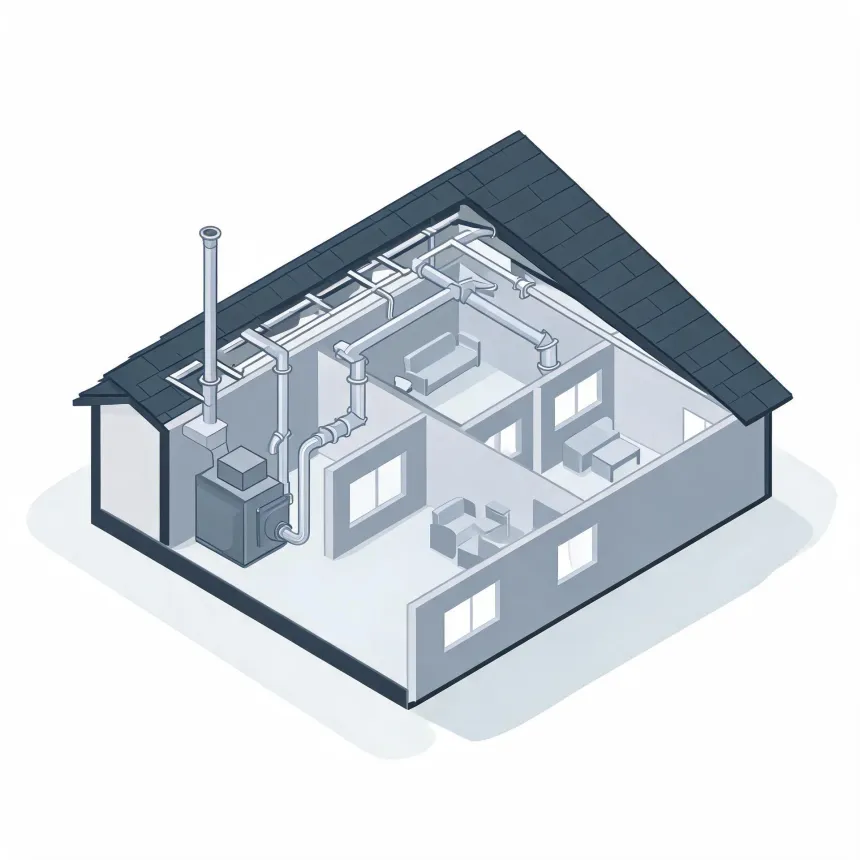
Isometric cutaway illustration of a single-story house showing interior rooms, a furnace unit with flue pipe, and branching ductwork running through the ceiling space under a dark shingled roof.
Your furnace works hardest from November through April.

NOAA nClimDiv, 1991–2020 normals

Half the homes in San Luis Obispo County were built in 1983 or later.

A furnace that came with a newer house still has years in it, and that's usually a repair, not a replacement.

Heat starts up in November here, and that first run is when a weak part shows itself

Heat runs November through April
Winter nights average 38°F
Climate zone 3C
If it's acting up, get it looked atHalf the homes in San Luis Obispo County were built in 1983 or later, and a furnace that age is worth calling someone about before it's worth replacing.

Furnace here runs about six months a year, November through April. The rest of the year it sits off. Overnight lows average 38 in December and January, not single digits, so the furnace isn't working against a hard freeze most nights. A unit that gets this much time off tends to have years left in it when something finally goes wrong. That makes repair the right first call, not replacement.

Repair it

If your system came with a newer house, it likely has plenty of life left. Repair is usually the right call.

Find a contractor
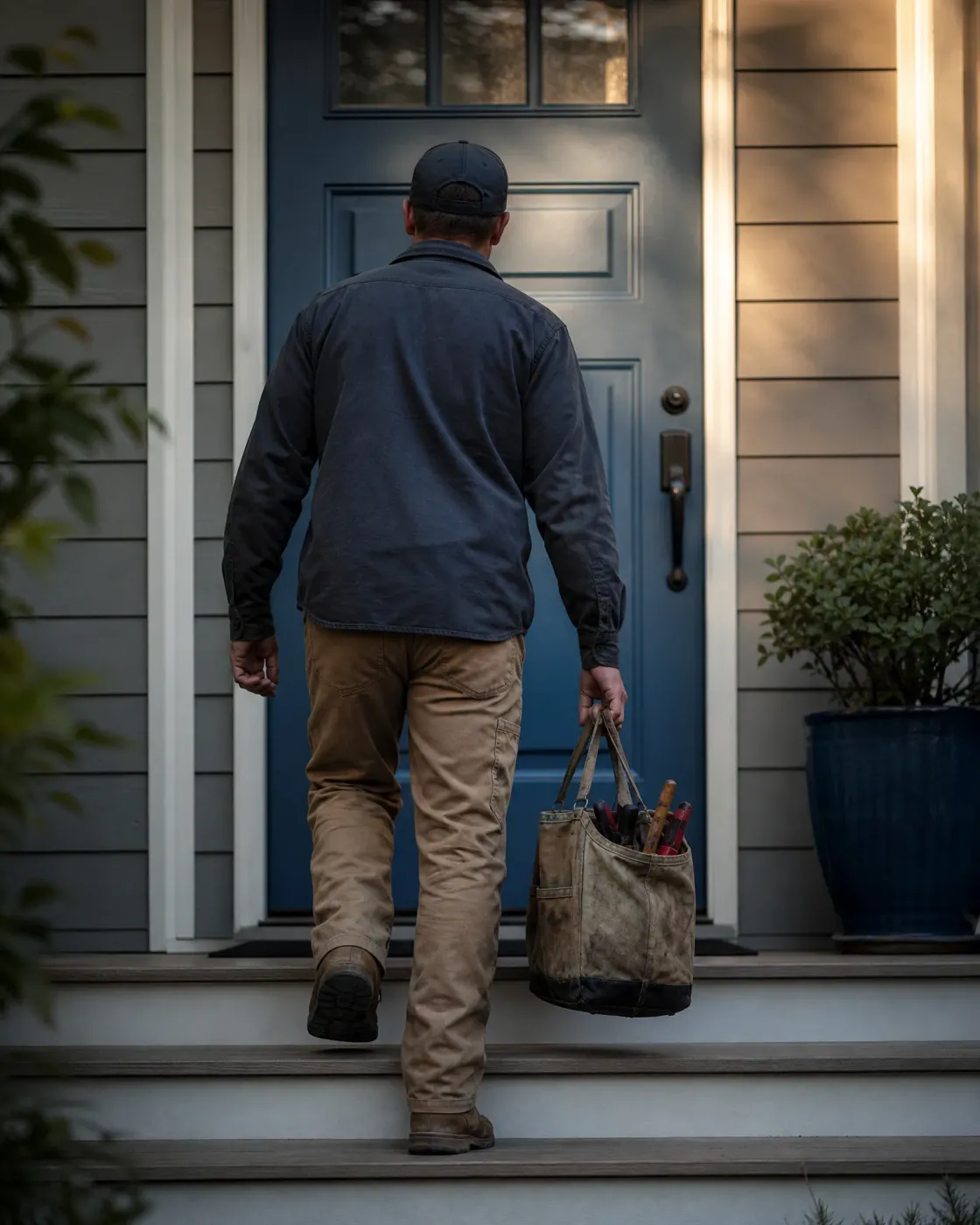
A man in a dark cap, dark shirt and tan work pants walks up wooden steps toward a blue front door, carrying a worn canvas tool bag in his right hand, with a potted shrub beside the entry.
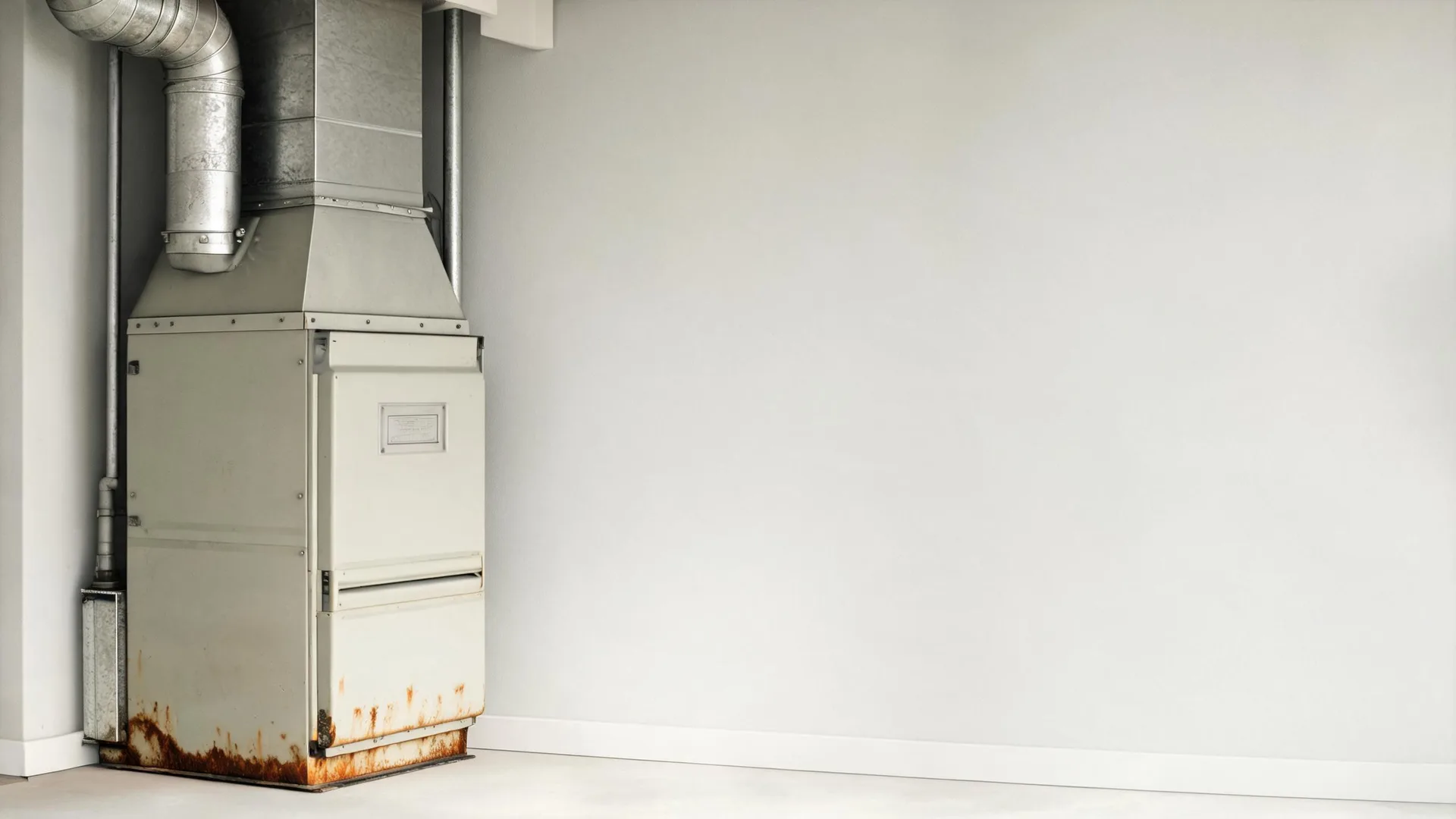
A gray gas furnace with attached ductwork and piping installed in an unfinished concrete basement.

Furnaces don't fail from age. They fail one part at a time

Most furnace failures trace back to one of a few parts. The igniter wears out from repeated heating and cooling each cycle, and eventually it won't glow hot enough to light the gas. The flame sensor gets a layer of residue on it over time, and once that builds up enough, it can't tell the burner's lit, so the control board shuts things down as a safety measure. The inducer motor, the one that pulls exhaust out before the burner's allowed to fire, can fail outright or just get weak bearings and start making noise. A clogged filter is behind a lot of calls that look like something worse. Starved airflow makes the heat exchanger run hotter than it should, and that shortens its life considerably. None of these failures happen because a furnace is old. They happen because something wore out or got dirty, and most of them give some warning before they quit for good.

Check the filter first

Pull the filter and hold it up to a light. If you can't see through it, air can't get through it either, and a furnace starved for airflow will shut itself off or run too hot. This is the one thing worth checking before anything else, and swapping in a clean one takes a few minutes.

Check the thermostat and the switch

Make sure the thermostat is set to heat and the setpoint is actually above room temperature. Check that the furnace switch, the one that looks like a light switch near the unit, is on, and that the breaker hasn't tripped. People skip this and it's a real cause of a furnace that seems dead.

An unfinished basement interior showing a gray furnace unit beneath a bare incandescent bulb, surrounded by exposed joists, concrete walls, cardboard boxes, and utility pipes.

A new furnace would cut about $60 a year off heating for a typical San Luis Obispo County home.

  • A new high-efficiency furnace$290 a year
  • An older furnace$350 a year

Estimates for a typical San Luis Obispo County home, compared with an older unit built to the previous federal minimum, from EIA household energy data, California fuel prices and NOAA climate normals. Your home will differ.

Repair makes sense when one part has failed and the heat exchanger is sound.

Replacement makes sense when the heat exchanger is cracked or the furnace keeps needing parts.

A tech watches the furnace run through a real cycle before touching anything. Ignition, flame, blower kicking in, each one either happens right or it doesn't. Most control boards store a fault code, and that code points straight at the failed part. If there's no code, the tech checks things in order. The igniter should glow steady and hot. The flame sensor should hold a signal once the burner lights. The inducer motor should pull its normal draw before ignition is even allowed to start. Whatever's wrong usually shows up somewhere in that one cycle.