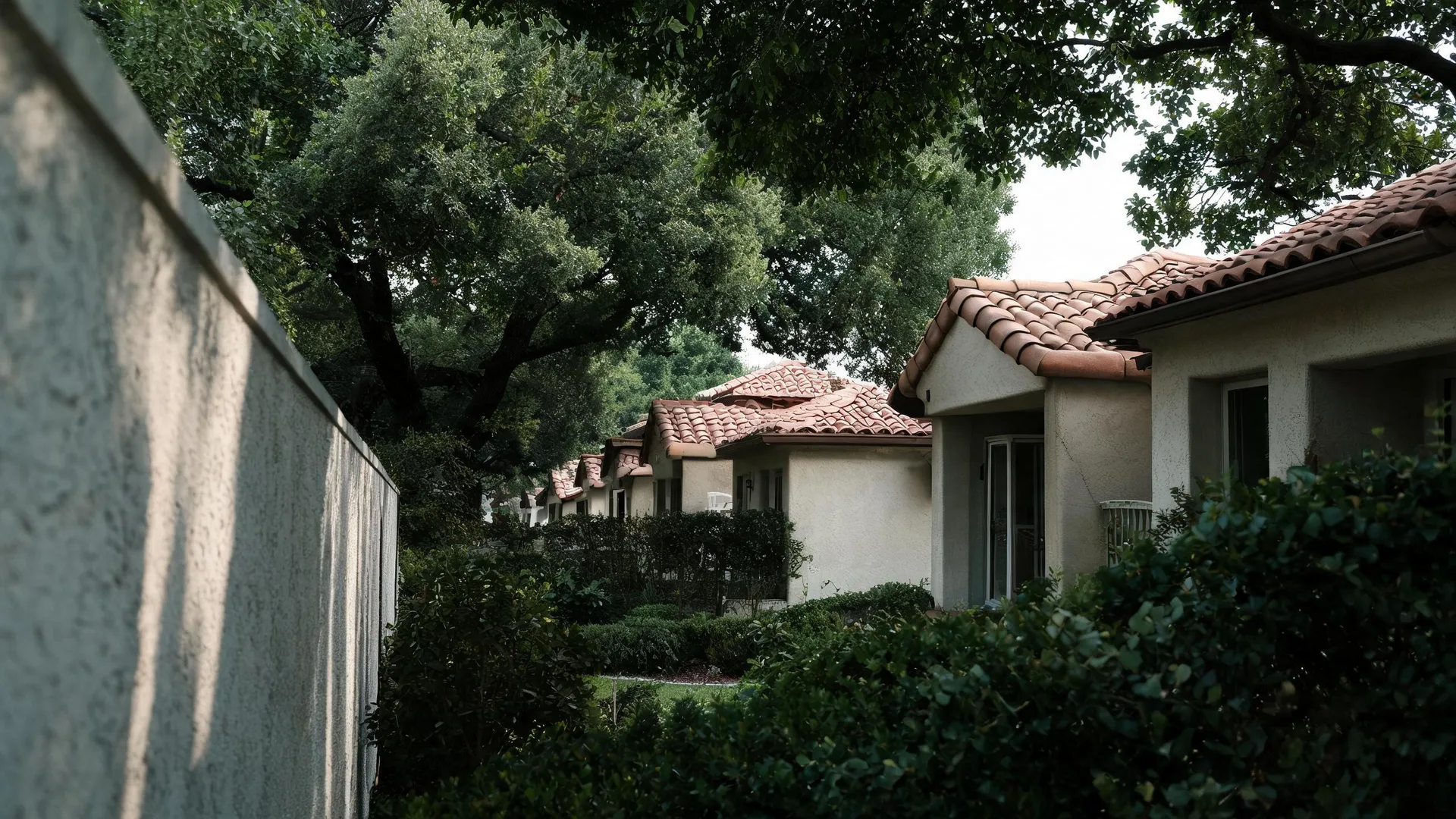




A row of single-story stucco houses with red clay tile roofs seen past a textured concrete wall in the foreground, with large leafy trees and shrubs surrounding them.

Furnace Maintenance in San Luis Obispo, CA

Tell us about the job

Takes about a minute. No obligation.

Tune-up, service, or cleaningFurnace or heatingSan Luis Obispo County, CA
Step 1 of 2

What ZIP code is the job in?

Half the homes in San Luis Obispo County were built in 1983 or later. That means a lot of furnaces out there still have real years left in them. A yearly check is what keeps it that way. Skip it long enough and small problems, a dirty flame sensor, a clogged filter, a cracked heat exchanger, turn into reasons to replace the whole unit early. If your furnace came with a newer house, there's more reason to maintain it, not less.

Furnaces here only run about six months a year, November through April.

A light workload like that means one yearly check is usually enough to keep a furnace going well past its years.

Heat starts in November. Get it checked in October.

Heat runs November through April
Winter nights average 38°F
Climate zone 3C
Most of this county heats with gas65.5% of homes here run on utility gas, more than any other fuel

A gas furnace carries a small amount of carbon monoxide out through the heat exchanger and exhaust vent every time it runs. That's normal. What a tune-up checks is whether it stays contained. The tech runs a combustion analyzer in the exhaust stream and reads the actual carbon monoxide level against what that furnace should be producing. A number creeping up from where it sat last year is often the first sign of a heat exchanger starting to crack, long before it shows up any other way. Flame color gets read too, since a flame pulling yellow instead of burning steady blue means it's not getting enough air to burn clean, and that raises the same reading. None of this shows up by looking at the furnace from across the room or feeling for warm air at the vent. It takes the meter in the exhaust to know which furnace is burning clean and which one is starting to drift.

Get the yearly check on the calendar

A furnace with years left in it is worth scheduling for, not waiting on. Get this year's check set before the season starts.

Find a contractor
A gray residential gas furnace installed in an unfinished basement, surrounded by ductwork, a metal flue pipe, and a gas supply line.

One filter, one season, one job

A furnace doesn't have coils or a drain the way the air conditioner does. What it has is a filter, a flame sensor, and a heat exchanger, and the filter is the one part in your control. Air pulls through it every time the blower runs, and whatever it catches builds up over the season. A filter that's gone gray and thick cuts the airflow across the heat exchanger. That makes the burner cycle harder to push the same heat through a restricted path, and it's the kind of strain that shows up later as a cracked exchanger or a sensor that won't read the flame right. Swap the filter before the season gets going and check it again partway through. It's the one piece of upkeep that falls on the homeowner, not the tech.

Taking the panel off is the difference

A quick visit checks that the furnace lights and blows warm air, then moves on. A thorough one pulls the burner cover and looks at the flame itself, a steady blue cone instead of one that's yellow or lifting off the burner. It tests the flame sensor with a meter instead of just wiping it off. That's the difference between a check that confirms it ran today and one that catches what's about to fail.
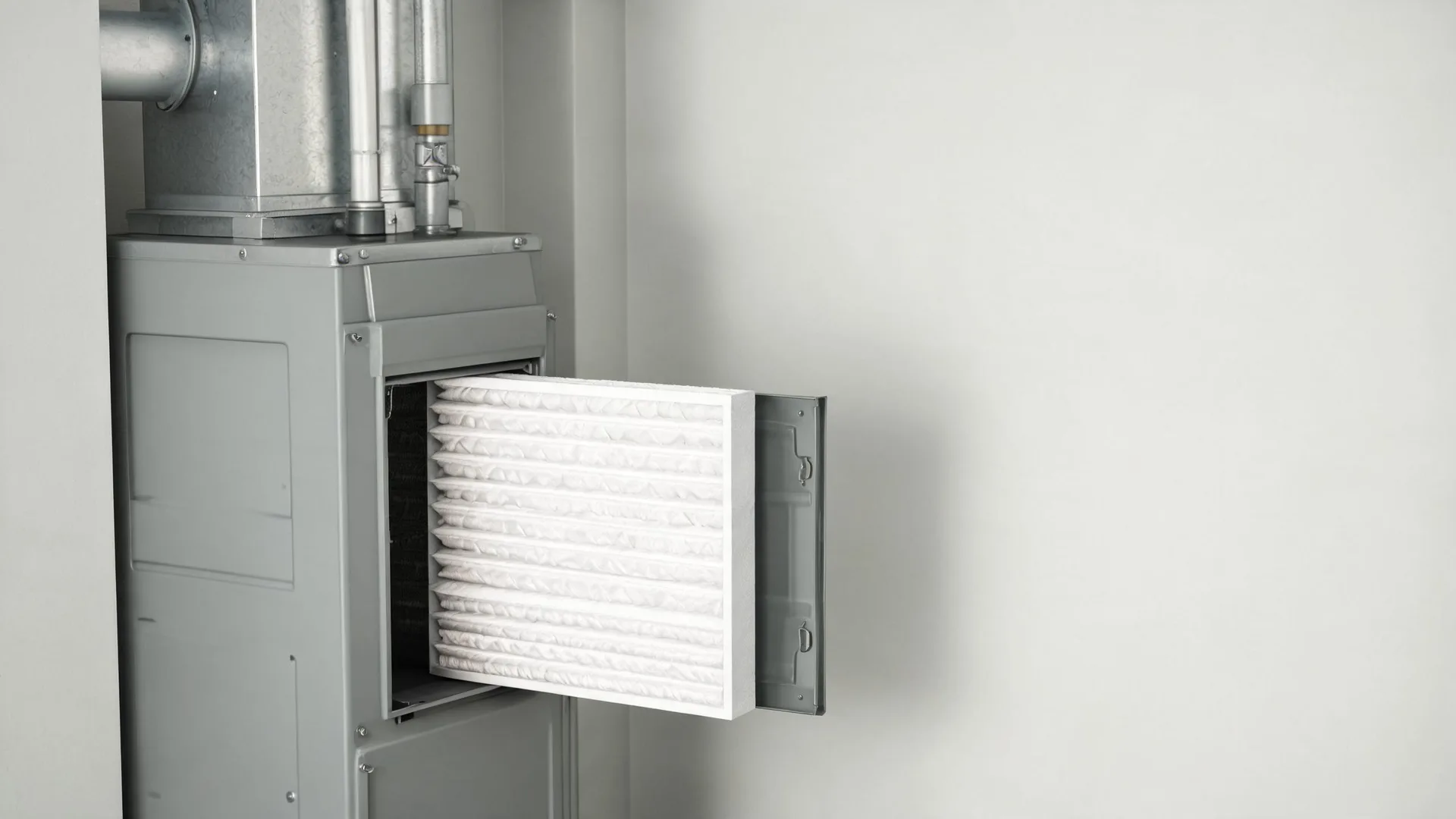
The heat exchanger is the one that matters most

A cracked heat exchanger lets combustion gas mix into the air the blower pushes through the house, and it's the main reason this inspection exists at all. Seeing a crack means shining a light through the exchanger with the burners off, sometimes pulling the blower to get a clear view of both sides. A tech who only glances at it from the front isn't checking the part that actually puts a household at risk.

Skip the yearly check and nothing fails that day. The trouble builds quiet, one season at a time. Dust keeps settling in the burner tray. The flame sensor picks up a film that dulls its reading until it stops sensing the flame at all, and the furnace shuts itself off rather than run without it. A dirty filter keeps choking airflow until the heat exchanger is running hotter than it was built for, and metal that heats and cools under that kind of stress is what eventually cracks. None of this announces itself. The furnace still lights, still blows air, right up until the morning it doesn't, or worse, until it's pushing exhaust into air the blower is spreading through the house. A yearly look is what catches the dull sensor and the choked filter while they're still just that, instead of letting them turn into the reason the whole unit needs replacing.

A proper tune-up starts outside the cabinet, not inside it. The tech checks the thermostat calls for heat and the furnace responds, that the blower starts on time and moves air through every supply vent. Inside, it's gas pressure at the valve, set to spec, not just whatever it happens to be. The igniter gets a look for hot spots or hairline cracks, since that's the part most likely to fail outright rather than just wear. Wiring connections get snugged down, because a loose one is what causes a furnace to short-cycle or stop mid-run. The inducer motor gets checked for noise or wobble, since that's what clears exhaust out ahead of each burner cycle. Combustion air intake and the exhaust vent both get checked for blockage, spider webs, a bird's nest, anything that would keep exhaust from leaving the way it's supposed to. None of this takes long when the furnace is in good shape. It takes longer, and matters more, the year something's starting to go.