


Illuminated white stucco houses with terracotta roofs clustered on a dry hillside at dusk.

Furnace Installation in Chico, CA

Tell us about the job

Takes about a minute. No obligation.

New system or replacementFurnace or heatingButte County, CA
Step 1 of 2

What ZIP code is the job in?

Utility gas heats 45.4% of homes in Butte County, more than any other fuel, with electricity next at 35%. If your house already has a gas line, a gas furnace is the straightforward replacement, and most installers here work on them every week. Bottled or LP gas heats another 9.1% of homes, mostly where utility gas doesn't reach. Whichever fuel your home is set up for, matching it keeps the job to a straight swap instead of a rework of your gas or electrical hookup.

6 months
November through April, your furnace is on duty
37°F
the average winter night it heats against
80% AFUE
the federal minimum any new unit must meet
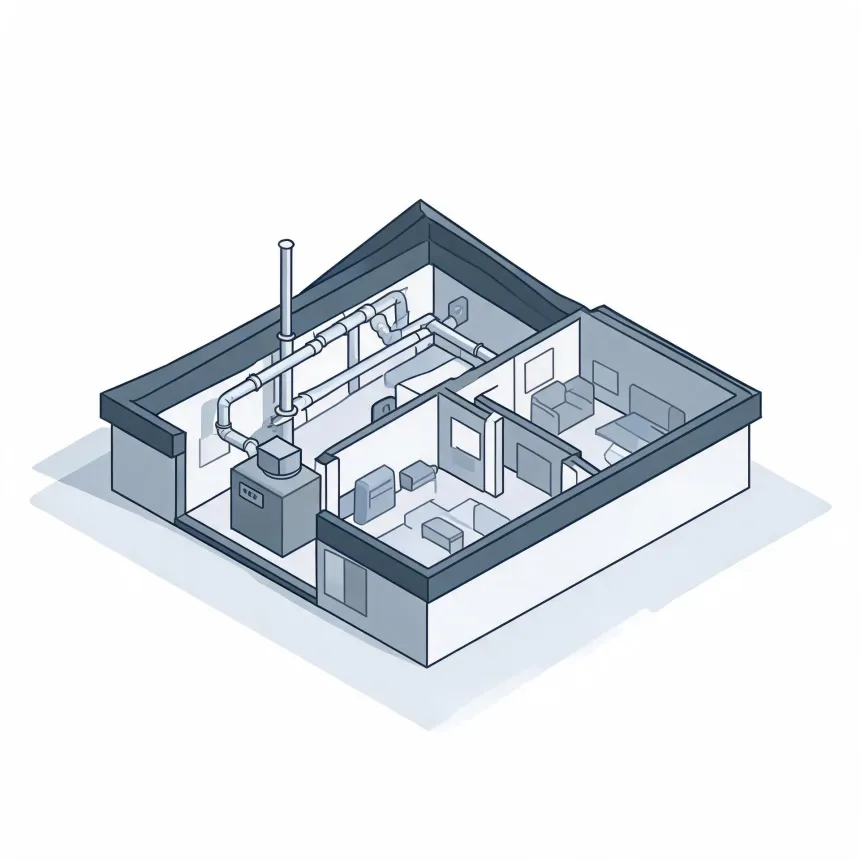
Isometric line illustration of a cutaway building interior showing a furnace unit with a flue pipe and ductwork running along the ceiling, plus adjacent rooms with simplified furniture.
Your furnace works hardest from November through March.

NOAA nClimDiv, 1991–2020 normals

Furnaces in Chico start running in November.

Get yours installed in October, before the cold snap puts you in line behind every other call.

Gas here costs more per unit than electricity, so the furnace itself matters more than its efficiency rating

Heat runs November through April
Winter nights average 37°F
90 winter storms from 2015 to 2024

At $18.44 per million Btu, gas is expensive enough that no furnace will make it cheap to run. That changes what's worth paying for. A high-efficiency model saves you a few points on gas you're already paying a premium for, and it takes longer to earn back the extra cost up front than it would somewhere with cheaper gas. What matters more is whether the unit is sized right for your house and holds up over the winters here. Ask the installer what's reliable and serviceable locally before you ask about the efficiency rating.

A correctly sized furnace is what this county asks for

Butte County sees its share of rough weather, winter storms, wind, the occasional outage. None of that calls for a bigger or fancier furnace than your house needs. A standard size, properly matched to your home, is what holds up here. Get the sizing right and the installer right, and the rest takes care of itself.

Find a contractor
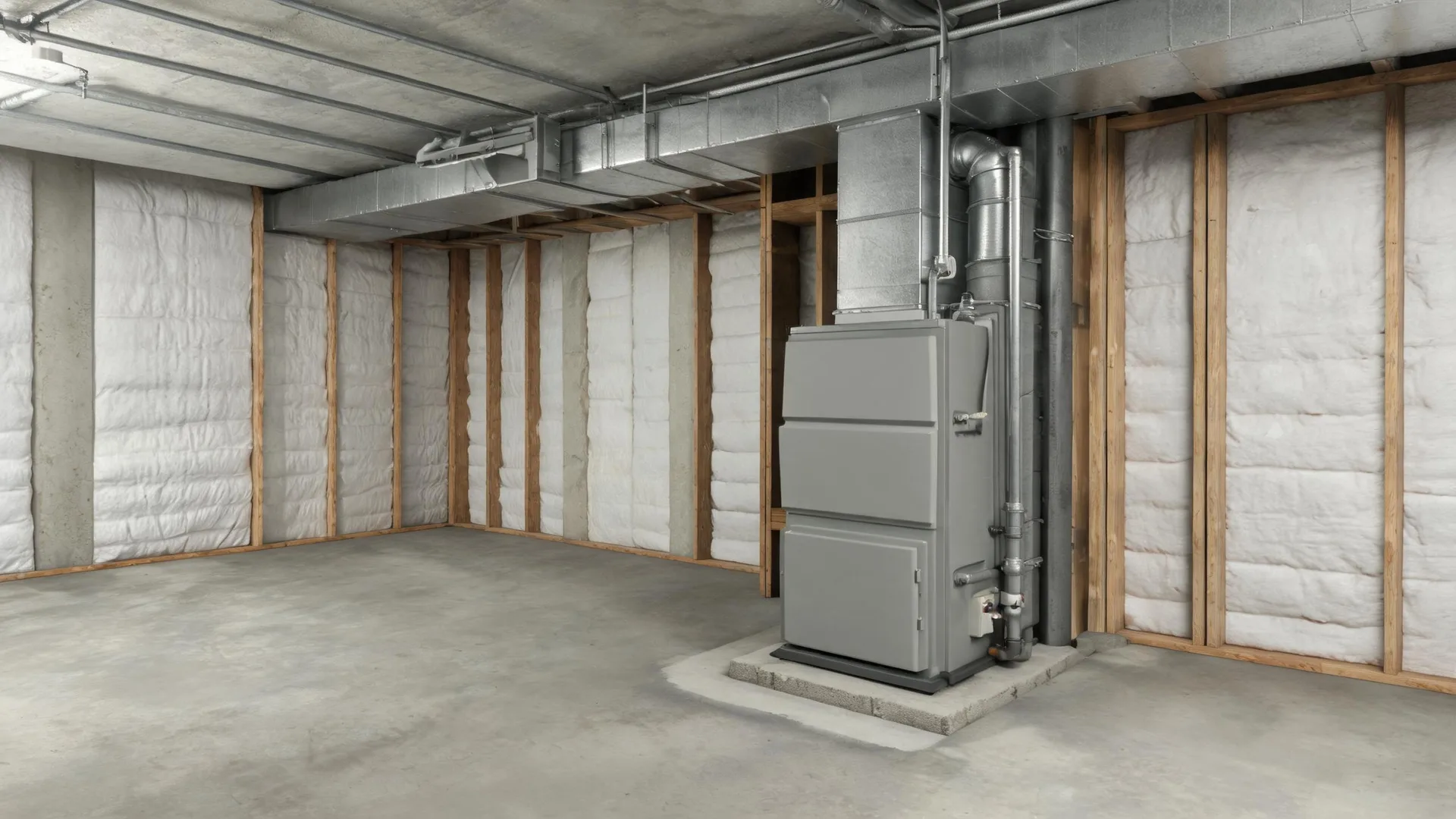
A gas furnace with attached ductwork, gas piping, and condensate lines installed in a concrete-block basement.

Six months of real work, not a hard six months

Furnaces here run about six months, November through April. Overnight lows average 37°F through December, January and February, cold enough that the furnace is doing real work most nights it runs, not just cycling on and off. That's a normal winter load, nothing that wears a correctly sized unit down faster than it should. Winter storms in this county are frequent enough to matter, and they matter more for the power than the furnace itself. A gas furnace with a standing pilot keeps running through an outage. One with electronic ignition won't fire until the power's back, and it'll come back on by itself once it is.

The old furnace gets disconnected, not left in place

Replacing a furnace means the gas line gets capped or rerouted to the new unit, the old venting comes out, and the electrical connection gets pulled. A furnace isn't something an installer leaves sitting disconnected in a closet or attic. It comes out as part of the job.

That's what makes install day take longer than a straight swap sounds like

Pulling the old unit, patching the venting it used, and making sure the new furnace's gas and electrical connections are done right all adds time beyond just setting the new box down. Ask the installer to walk through removal along with the install, not just the equipment going in.

A gas furnace with sheet-metal ductwork and PVC pipes installed in an unfinished basement.

A high-efficiency gas furnace would save about $60 a year to run in Butte County compared with a gas furnace.

  • A high-efficiency gas furnace$330 a year
  • A gas furnace$390 a year

Estimates for a typical Butte County home, from EIA household energy data, California fuel prices and NOAA climate normals. Your home will differ.

Install day starts with the house going cold for a few hours. The old furnace has to come out before the new one goes in. The installer shuts off the gas and power to the old unit first. Then the ductwork and venting get disconnected before the furnace itself is pulled out. The new furnace gets set in place, and that's where the real work is. The gas line gets connected, the venting gets run back out, the wiring gets hooked up, and the ductwork gets sealed to the new unit so air moves through it the way it should. Once that's done the installer fires it up, checks the flame, checks for gas leaks, and watches how it cycles before calling the job finished. A good installer tests the thermostat too and walks you through anything that works differently from your old setup. None of this goes fast. A job that looks done in an hour probably skipped something.