





A gas furnace and sheet-metal air handler unit installed in an unfinished concrete basement.

Furnace Installation in Truckee, CA

Tell us about the job

Takes about a minute. No obligation.

New system or replacementFurnace or heatingNevada County, CA
Step 1 of 2

What ZIP code is the job in?

Nevada County saw 449 winter storms between 2015 and 2024, along with 190 damaging wind events. That is a lot of weather moving through a county this size, and a furnace depends on steady power to run even when the fuel is gas. The igniter, the blower motor and the control board all need electricity, so a gas furnace still goes quiet in an outage. Statewide, 17% of households went at least a full day without power in 2024. In a place that gets this much winter weather, that number is worth planning around before the furnace goes in, not after.

8 months
October through May, your furnace is on duty
30°F
the average winter night it heats against
80% AFUE
the federal minimum any new unit must meet
Isometric cutaway illustration of a single-story house with a dark shingled roof, showing interior rooms with furniture and a furnace connected to ductwork and a flue pipe extending above the roof.
Your furnace works hardest from November through April.

NOAA nClimDiv, 1991–2020 normals

Furnace replacements here go best before October.

Get it done in September and the first cold night isn't a surprise.

Eight months of heat, run through a lot of rough weather

Heat runs October through May
Winter nights average 30°F
449 winter storms from 2015 to 2024
Gas is the fuel to match hereUtility gas heats more homes in Nevada County than anything else, at 35%.

Nevada County falls under zone 5B in the 2021 energy code, a cool zone where the furnace carries more of the work than the air conditioner does. Any furnace going in here has to clear federal minimums too. Units built since November 2015 have to turn at least 80 percent of their gas into heat over the winter. That floor rises to 95 percent for furnaces built on or after December 18, 2028, so the market is already shifting toward higher-efficiency models ahead of that date. A federal tax credit is available for qualifying high-efficiency furnaces, worth checking against the model before deciding.

Plan this furnace around the outages, not just the cold

That much wind and winter weather means the installer should think about backup before the new furnace goes in, not after it quits in a storm. Ask what keeps the blower and control board running when the power drops, and where the install team plans to put anything exposed outside.

Find a contractor
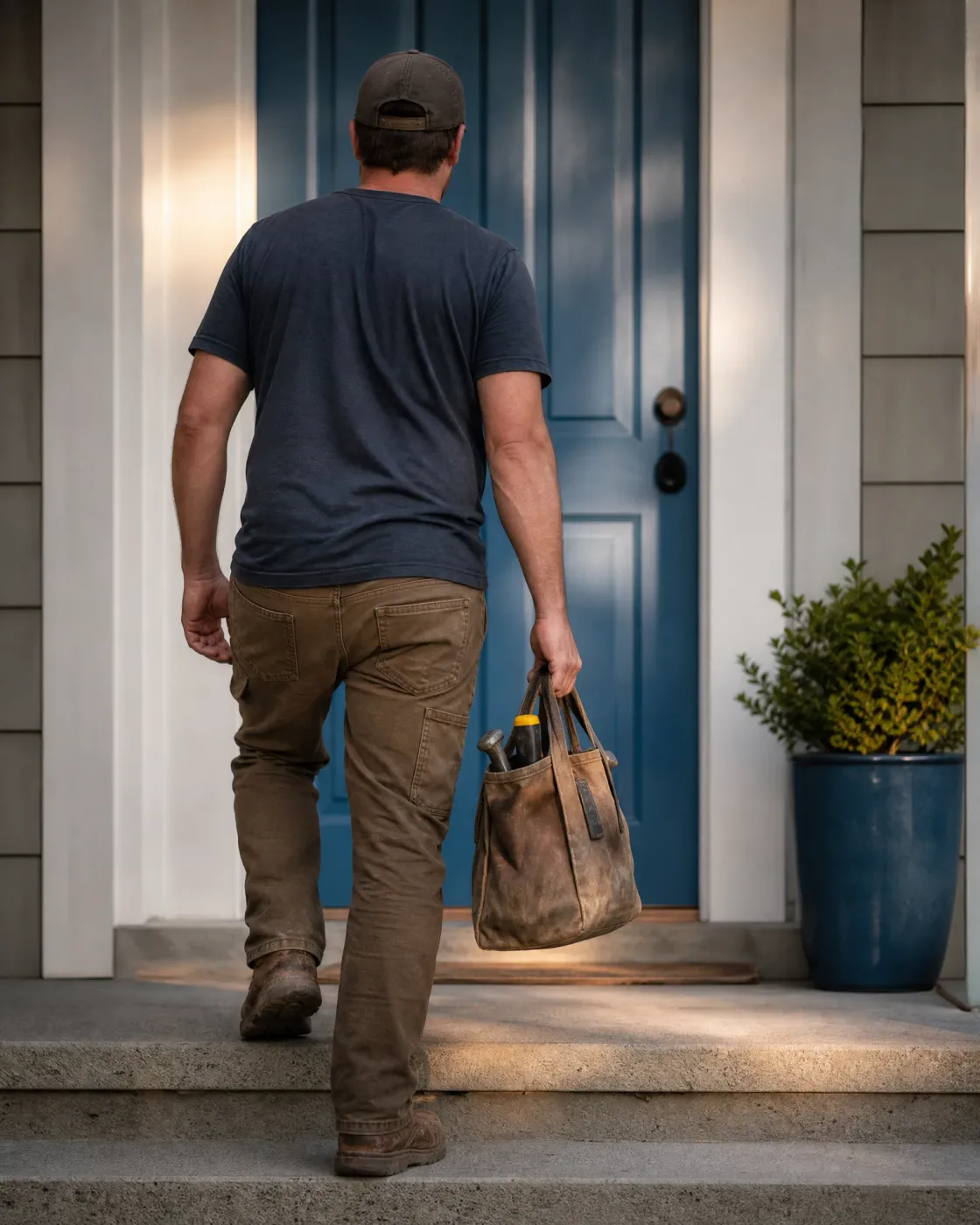
A man in a cap, navy T-shirt and brown work pants walks up concrete steps toward a blue front door, carrying a worn canvas tool bag with a hammer inside, beside a potted shrub in a blue planter.
A gray high-efficiency gas furnace installed in an unfinished basement, surrounded by gas lines, a condensate drain, and sheet-metal ductwork.

Eight months a year is a long work season

Eight months of heat a year means this furnace runs longer than the one at a house further south, and a new unit should be sized for that before it goes in. An oversized furnace short cycles, turning on and off instead of running steady, and that wears the igniter and the blower motor faster than normal use would. An undersized one runs flat out most of the winter trying to keep up, which costs more and still leaves cold rooms. A licensed installer can run a load calculation on the house instead of guessing off the old unit's size. Worth asking too what the warranty covers after eight months of yearly runtime, since some cover parts only if the furnace was sized and installed to spec.

Ask what the staged heat actually buys you

A single-stage furnace runs on full blast or not at all. A two-stage or modulating furnace can hold a lower flame most of the time and only ramp up on the coldest nights. That means steadier heat, fewer loud startups, and less wear on the igniter and the heat exchanger from constant full-fire cycling. Ask each installer whether the model they're quoting is single-stage, two-stage, or modulating, and what the difference means for how long it runs and how evenly it heats the house.

Ask who services the brand locally

The furnace with the best spec sheet isn't worth much if nobody nearby stocks parts for it or knows the control board. Ask each installer what brands they install most, whether parts are kept on hand or have to be ordered, and how long a typical repair call takes once a part is needed. A furnace that's a little less efficient but easy to get serviced will often cause less trouble over its life than one that sits dead for a week waiting on a shipped igniter.

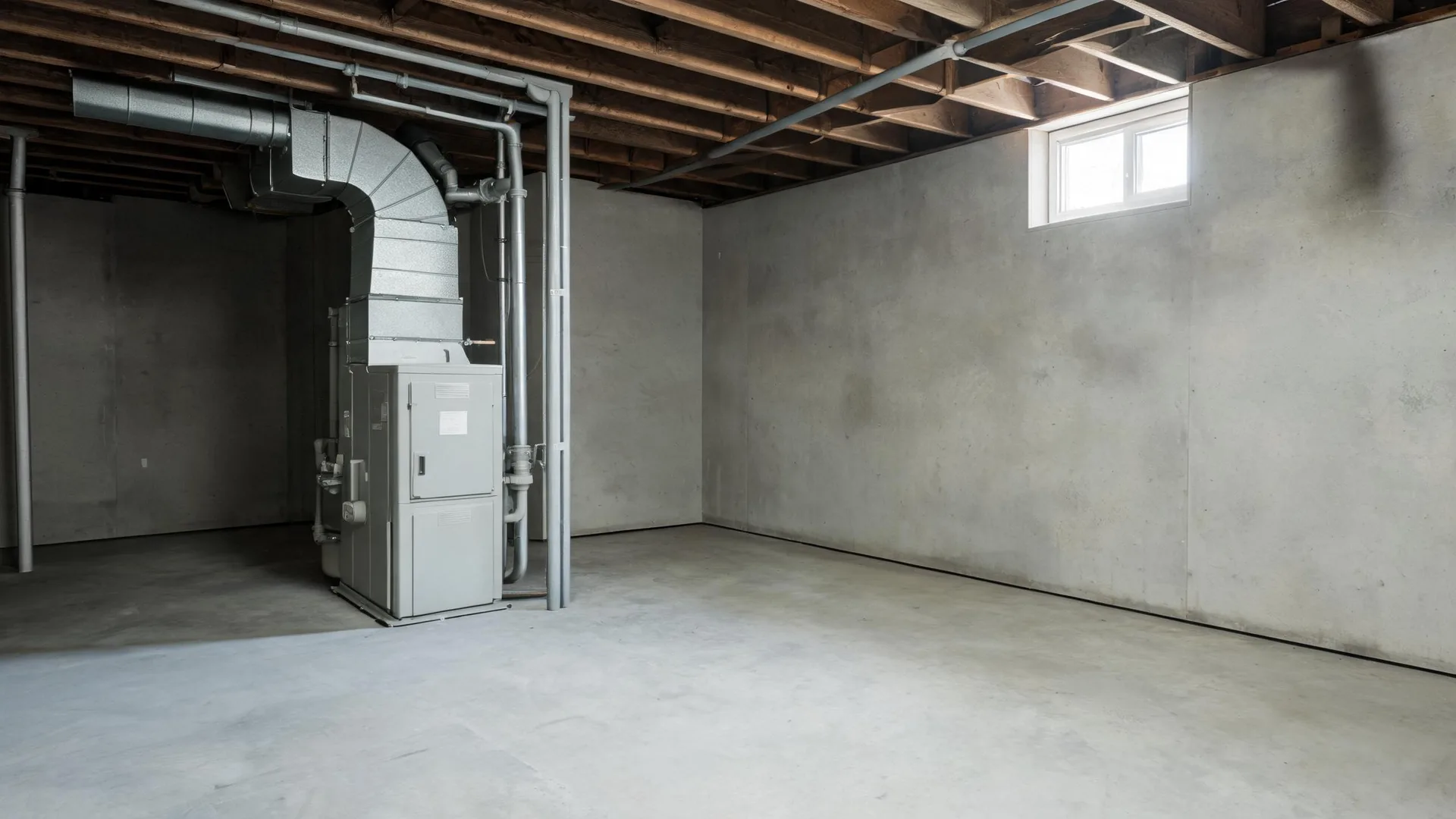
An unfinished basement containing a metal furnace with ductwork, exposed wooden joists on the ceiling, cardboard boxes, a coiled cable, and a single hanging incandescent bulb.

A high-efficiency gas furnace would save about $100 a year to run in Nevada County compared with a gas furnace.

  • A high-efficiency gas furnace$530 a year
  • A gas furnace$630 a year

Estimates for a typical Nevada County home, from EIA household energy data, California fuel prices and NOAA climate normals. Your home will differ.

Installation starts with the old furnace coming out, along with any ductwork or venting that doesn't meet code anymore. The installer checks the gas line and the electrical connection before setting the new unit, since both have to match what the new furnace needs, not just what was there before. Venting gets special attention on a high-efficiency furnace, because those units vent through PVC pipe instead of the metal flue a standard furnace used. Once the furnace is set, the installer connects the ductwork, runs the gas line, wires the control board, and fires it up to check the heat rise and airflow against the manufacturer's specs. A combustion analyzer gets used to check the flue gases, confirming the furnace is burning clean and venting correctly before the job is called done. Expect the crew to walk through the thermostat settings and filter location before they leave, since that's what keeps the furnace running the way it was installed to run.