



What winter here does to a heat pump
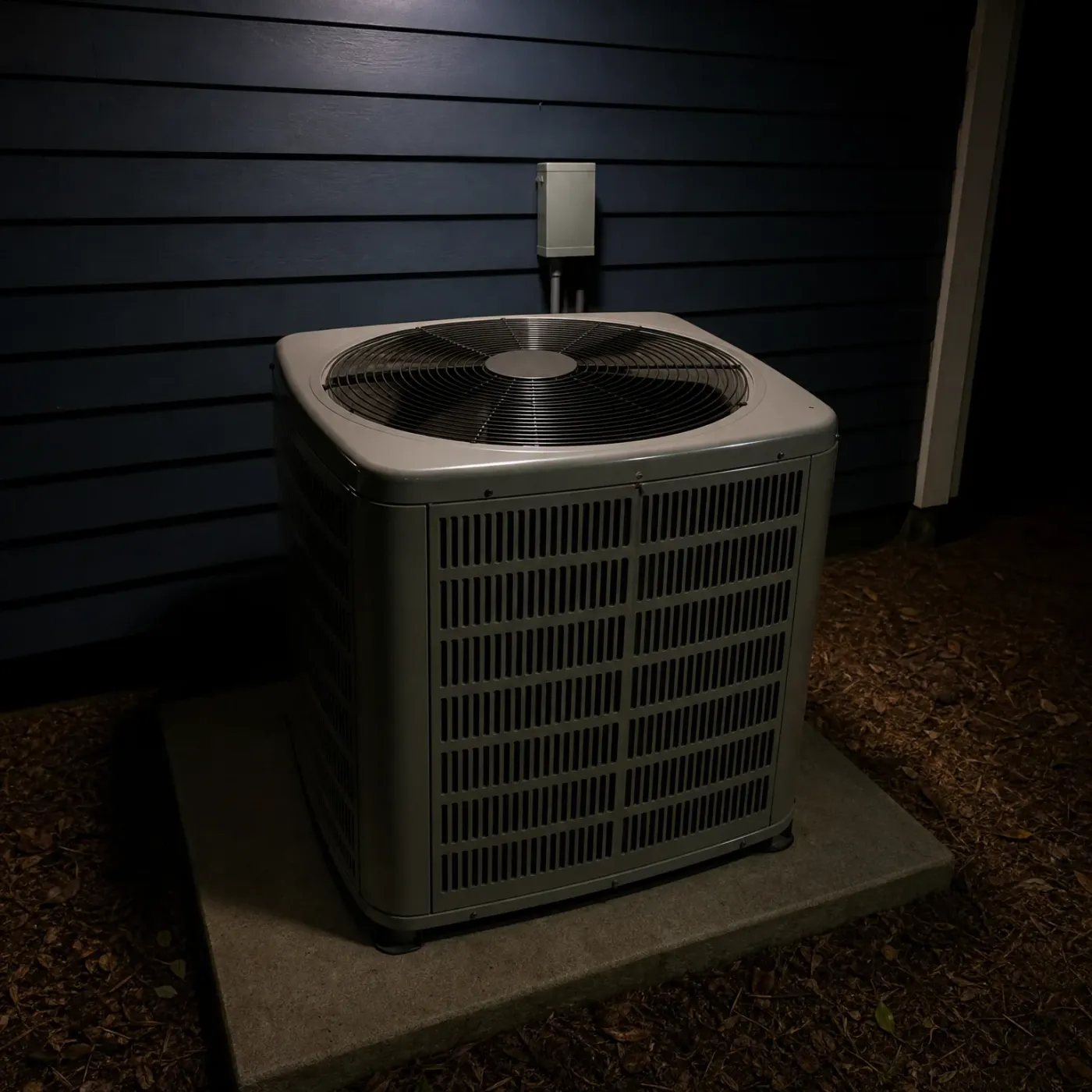
Your heat runs eight months a year here, October through May, and the overnight low averages 30°F through December, January and February. That's below the point where a standard heat pump starts losing ground. A conventional heat pump puts out less than its rated heating capacity once it drops below 40°F outside, and its efficiency drops again below about 35°F, which is usually when it needs backup heat to keep up. At 30°F average, your winter nights sit on the wrong side of both marks.
That doesn't mean the heat pump quits. About 65 nights a year here fall to freezing or below, under a third of the nights the heat is running, and almost none of them reach 0°F. Field tests of cold-climate heat pumps in occupied homes found backup heat covered only a small share of the load between 0°F and 35°F, and running on backup alone was rare even above 0°F. If you go this route, look for a heat pump with the ENERGY STAR Cold Climate mark. That rating requires the unit to still produce 1.75 units of heat per unit of electricity at 5°F and hold onto 70 percent of its 47°F capacity at that temperature, tested by a third party rather than claimed by the manufacturer. A unit built to the federal minimum doesn't carry that guarantee.
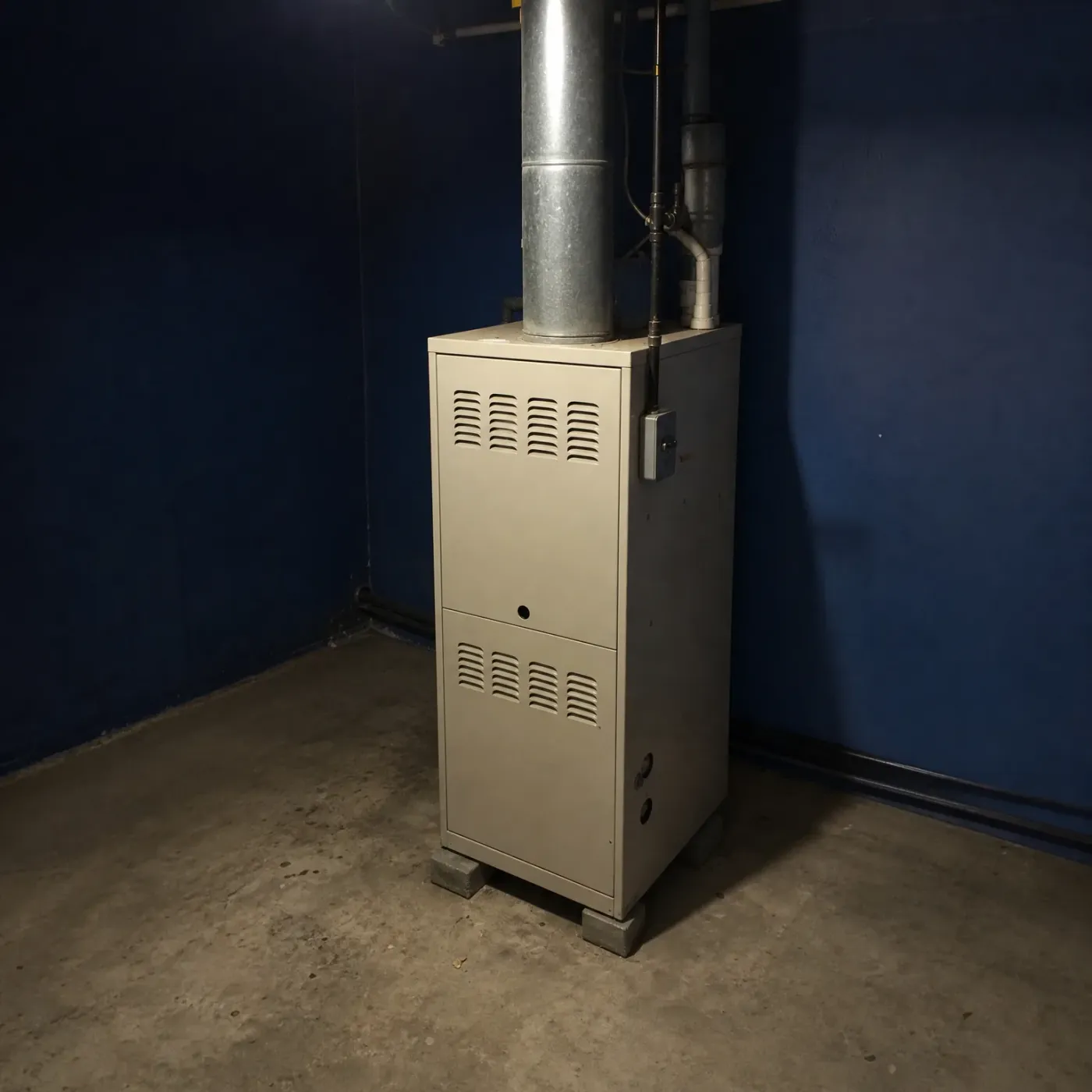
On cost, the furnace wins outright. A gas furnace built to the federal minimum makes the same heat for $2.31 per 100,000 Btu against $4.26 for a heat pump built to the same minimum standard, using California's average fuel prices. That's electricity priced at $93.69 per million Btu against natural gas at $18.44. The gap is wide enough that a more efficient heat pump would need to close a lot of ground to catch up, and the standard $4.26 figure already assumes no extra energy spent on backup heat on your coldest nights, which here, it likely will.