Check the thermostat first
Make sure it's set to heat and the setpoint is actually above room temperature. Swap the batteries if it uses them. A thermostat that lost power or got bumped into the wrong mode looks exactly like a dead heat pump.

Takes about a minute. No obligation.
Winter here is real, with overnight lows averaging 30°F through December, January and February, and your heat pump is built for that load. What it doesn't face much is hail, only 4 events logged across the county in the past decade. Wind is a different story, with 190 damaging wind events in that same stretch, but that wears on an outdoor unit far less than constant heavy load would. A heat pump acting up here is more often a sign of age or a failed part than a system that's been run hard for years. That kind of problem is usually worth fixing.
NOAA nClimDiv, 1991–2020 normals
Half the homes in Nevada County were built in 1983 or later.
A heat pump in a newer home has usually got years left in it, worth fixing when it acts up.



A heat pump that's held up against wind more than hail, without years of heavy strain behind it, is usually a good candidate for repair rather than replacement. Get the part fixed and it should carry on.
Find a contractorIf your heat pump came with a newer build, the age isn't what's wrong with it. Worth getting a tech out to find the part that failed rather than pricing a new system.
Make sure it's set to heat and the setpoint is actually above room temperature. Swap the batteries if it uses them. A thermostat that lost power or got bumped into the wrong mode looks exactly like a dead heat pump.
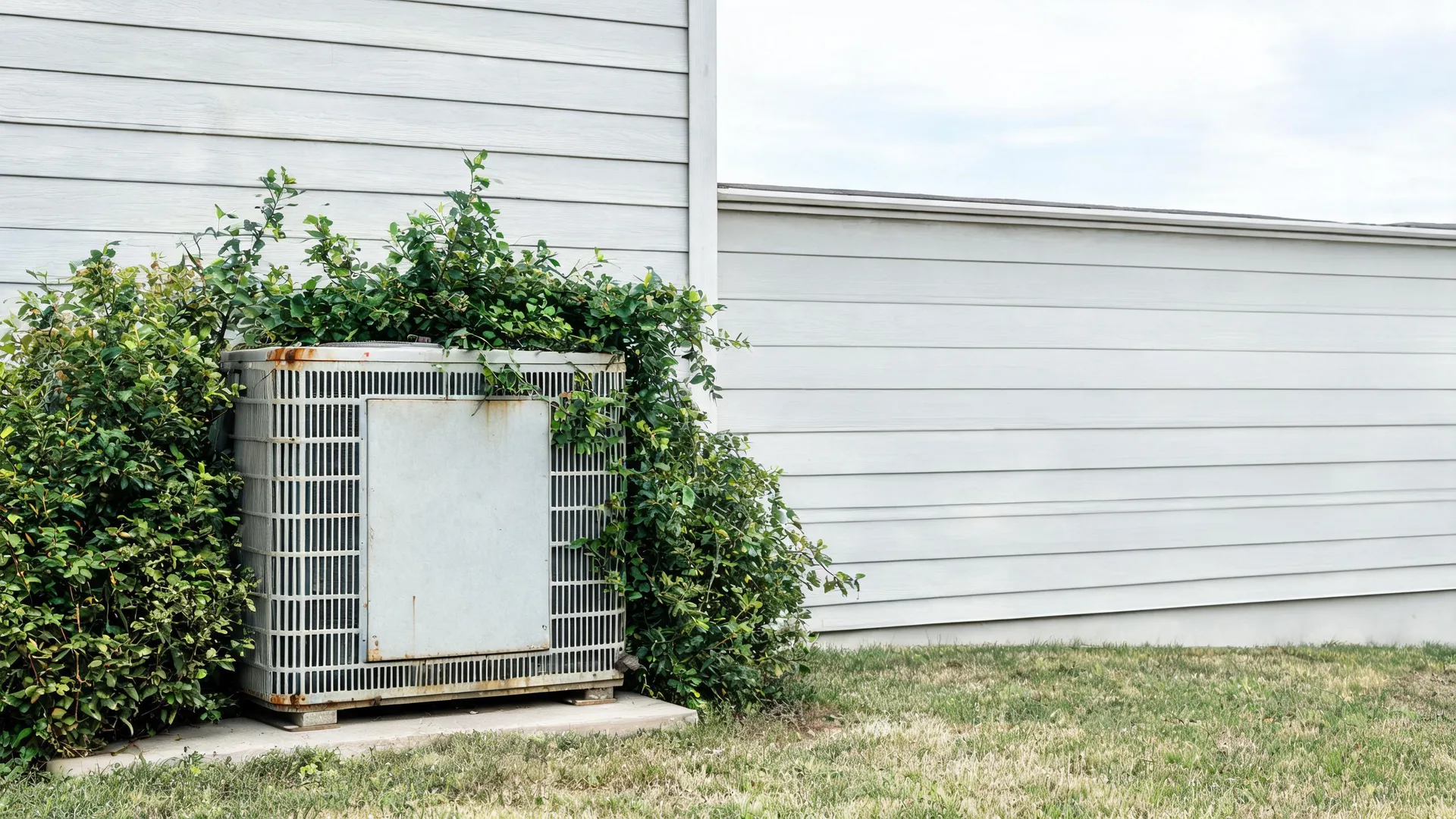
Clear away anything blocking airflow around it, leaves, branches, a stack of snow piled against the cabinet. Frost over the whole coil is normal on a cold morning and should melt off on its own. Ice that stays for hours, or a layer of solid ice instead of frost, is worth mentioning to the tech when they come out.
A heat pump that's struggling still moves heat, just not enough of it, and that gap is what causes damage over time. A compressor working against a low charge or a failing capacitor draws more current than it should, and heat builds up inside it that a full charge would carry away. Keep running it like that and you're wearing down the one part that's hardest to replace. Ice is the other one to watch. A little frost on the outdoor coil is normal, but if the defrost cycle isn't clearing it, that ice keeps building and starts blocking airflow across the coil entirely. At that point the system is heating the ice instead of your house, and the compressor is still straining the whole time. Shutting it off and calling someone is almost always the better move than letting it run another week.
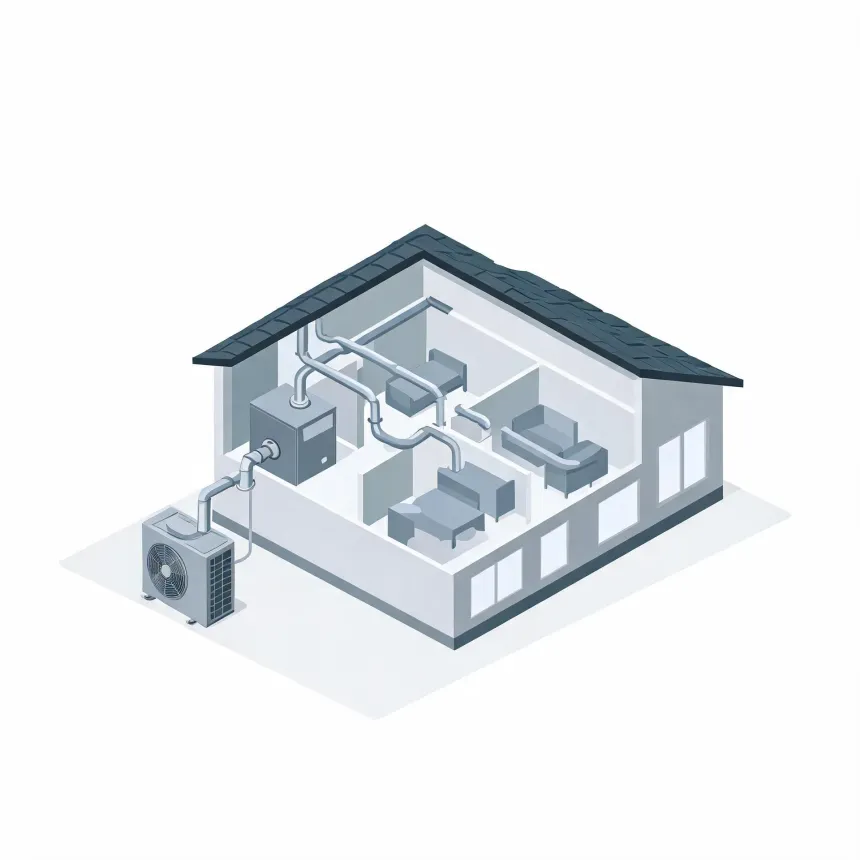
A diagnostic starts outside, at the unit itself. The tech checks refrigerant pressure, looks at the compressor's current draw, and watches how the defrost cycle behaves, since a cycle that isn't kicking in on schedule is often the root of whatever brought them out. Inside, they'll check the air handler, the filter, and whether the system is actually calling for heat the way the thermostat says it should. A failing capacitor shows up as a compressor that hums but won't start, or one that's pulling more current than it's rated for. A low charge shows up as weak heat and a coil that won't defrost properly. Most of this gets sorted with gauges and a multimeter before anything gets taken apart.