Gas is the standard here
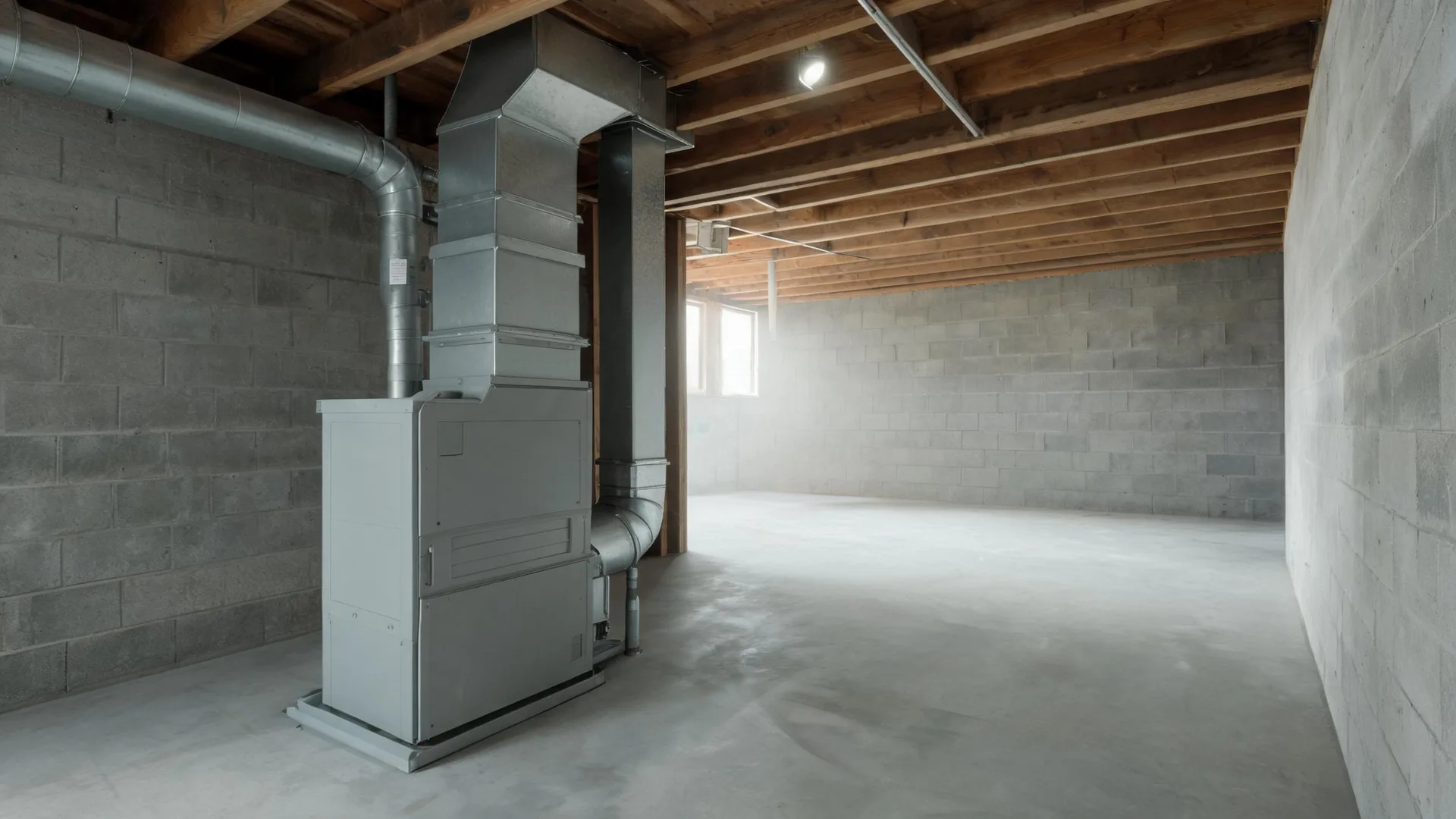
Utility gas heats 63.5% of occupied homes in Napa County. If your old furnace burns gas, the gas line, the vent and the fuel supply are already in place.
Takes about a minute. No obligation.
Utility gas heats 63.5% of occupied homes in Napa County. If your old furnace burns gas, the gas line, the vent and the fuel supply are already in place.
A gas furnace going in where a gas furnace came out doesn't need new fuel lines or new venting. The job is swapping the unit itself, not rebuilding what feeds it.
NOAA nClimDiv, 1991–2020 normals
November starts six months of heat in Napa County.
Get your furnace in during October and it's running right from the first cold night.




Furnace here runs about six months a year, November through April. The other six months it sits idle. Overnight lows average 39 degrees in December, January and February, cold enough to need real heat but nowhere near what furnaces in colder states are built to handle. A furnace that gets six months off a year and never faces a hard freeze isn't working as hard as the top-tier models are built for. You don't need the highest efficiency tier or extra capacity to stay warm here. A furnace sized right for this climate, installed well, will do the job.
A new system here has to meet this region's minimum efficiency, which limits what can go in.
Find a contractor
Ask about a mid-efficiency gas furnace before you pay for the top tier. The installer can size it to this house and this climate, not to a colder one. That keeps the equipment itself simpler, with fewer parts that can fail down the road.
The installer shuts off the gas to the old unit, disconnects the vent and ductwork, and removes the cabinet from where it sits. If it's in a closet or attic, that space is cleared out, not just swapped in place. The old unit is scrapped. None of its parts carry over, even if the burners or heat exchanger still look fine.
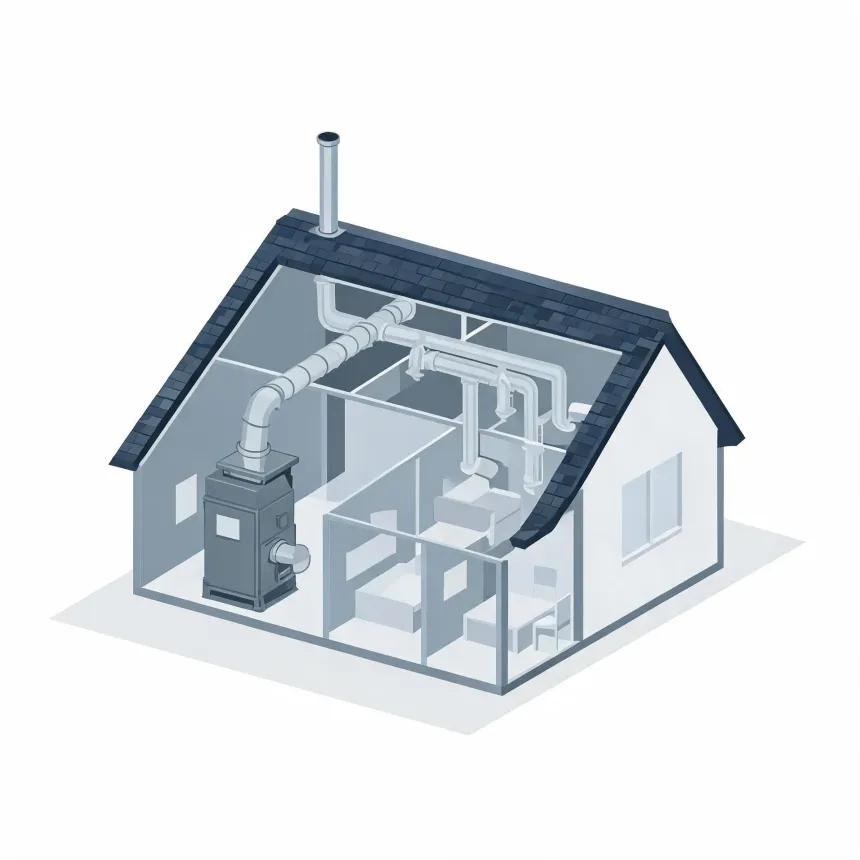
The vent, the ductwork and the gas line stay, but they get looked at before the new furnace connects to them. A duct sized for the old unit's blower doesn't always match a new one, and a vent that worked for an older, less efficient furnace can need a different setup depending on what's going in. That inspection is part of the job, not an extra step tacked on.
Estimates for a typical Napa County home, from EIA household energy data, California fuel prices and NOAA climate normals. Your home will differ.
Install day starts with a walkthrough, not a wrench. The installer confirms the new furnace matches the ductwork and the vent before anything gets disconnected, because sizing mistakes are easier to fix on paper than after the old unit is already out. Once the gas is shut off and the old furnace is gone, the new one goes in, and it gets tied into the gas line, the vent and the ductwork already there. Every joint gets checked for a tight seal, gas and vent both, since a small leak in either one is a problem you don't want to find later. The furnace gets fired up and run through a full cycle before the installer leaves, checking that it ignites properly, the blower moves air the way it should, and the vent is drafting the way it's supposed to. A carbon monoxide check happens before the job is called done, not after.