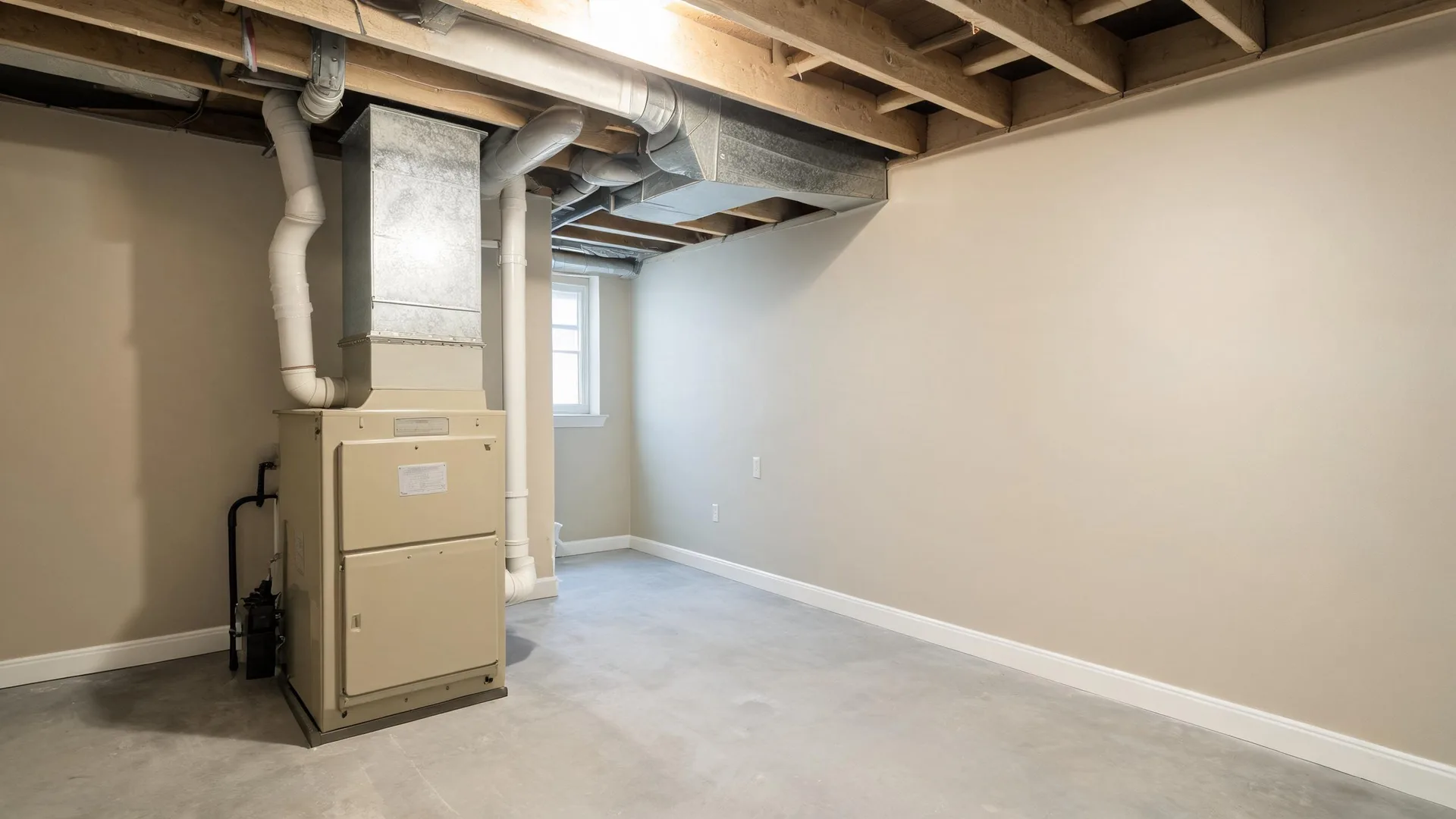
Most homes here run on electric heat
Electricity heats 54.5% of occupied homes in Imperial County. Utility gas comes in second at 37.3%, and bottled or LP gas heats a small share beyond that.
Takes about a minute. No obligation.
Electricity heats 54.5% of occupied homes in Imperial County. Utility gas comes in second at 37.3%, and bottled or LP gas heats a small share beyond that.
If your home has a gas furnace, a gas replacement means using the gas line and vent already in place. If it runs on electricity, swapping in a new electric furnace avoids adding gas service where there isn't any.
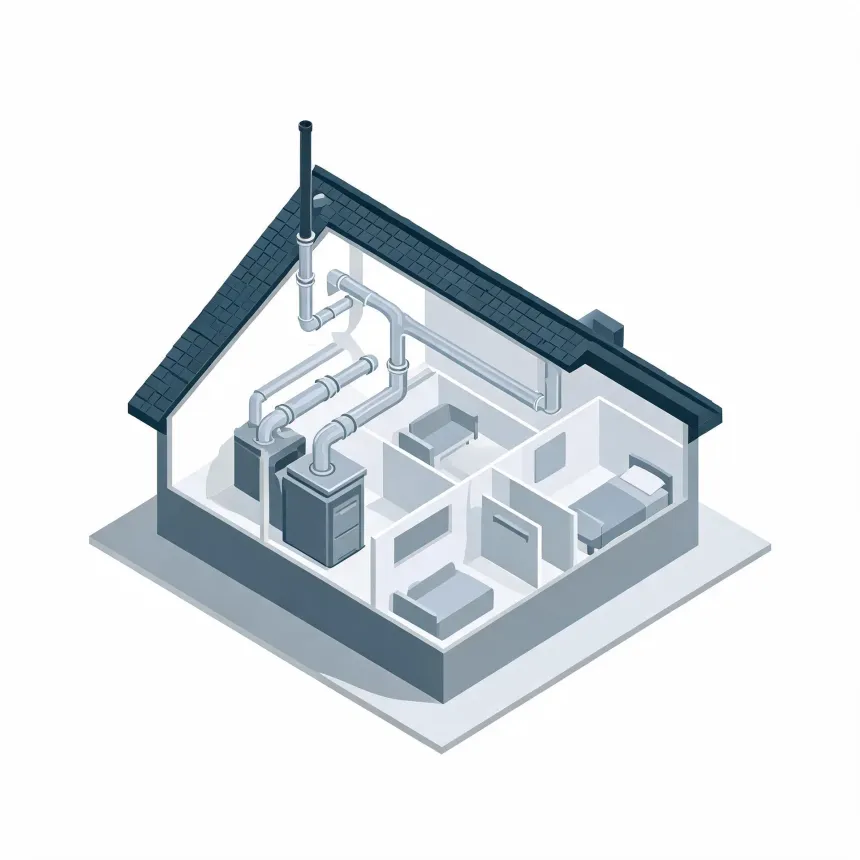
NOAA nClimDiv, 1991–2020 normals
Furnace replacement here is a November job.
Heat goes on in December, so a furnace put in during November starts the season already tested.




The size of the furnace matters more than almost anything else on the invoice. One sized to the house, not just swapped for whatever was there before, costs more to get right because it takes a load calculation instead of a guess. An oversized furnace short cycles. That wears out its parts faster and still leaves rooms uneven. The ductwork gets a say too. If the existing ducts are undersized or leaky, hooking a new furnace to them well can mean sealing or modifying runs, and that work shows up in the price. The vent has to carry exhaust safely away from the house, and running a new one costs more than reusing a vent that's already in the right place. None of this is optional. It's what makes the difference between a furnace that just turns on and one that heats the house the way it's supposed to.
A mild season like this doesn't call for the highest-efficiency furnace on the lot. A standard model, sized right for the house, will meet three months of heat with lows around 45°F without trouble. Put the money into getting the size and the install right instead.
Find a contractor
That efficiency number on the label is the AFUE rating, and it tells you how much of the fuel burned turns into heat in the house versus what goes out the vent. A furnace rated higher wastes less. That part is simple. Where it gets less simple is what the rating costs to earn. The highest ratings come from a second heat exchanger that pulls more warmth out of the exhaust before it leaves, which means a condensate line to drain the moisture that gets left behind, and a line that needs to run somewhere and stay clear. More parts doing more work means more that can eventually need attention. A furnace with a simpler, lower rating has less going on inside it, which some owners end up preferring once they know the tradeoff. Neither one is the wrong answer. The rating tells you how the furnace spends fuel, not how long it runs each year, and both of those matter to what you actually get out of it.
A contractor works out the right size by looking at the house itself. Square footage, window area, ceiling height, insulation, how many walls face outside, all of it factors in. The furnace that's been running there isn't the starting point. If it was wrong to begin with, copying it just repeats the mistake.
Too big and the furnace blasts heat, hits the thermostat, and shuts off before it's pulled moisture out of the air or warmed the far rooms. Too small and it runs constantly, straining to keep up on the coldest mornings and still falling short. The right size runs long steady cycles and heats the house evenly while it does it.
Once the new furnace is in, the old one comes out, and what happens to it depends on what it's made of. Furnaces are mostly steel, and steel gets recycled rather than landfilled. The heat exchanger, the cabinet, the blower housing, all of that gets scrapped for the metal. Anything with refrigerant or oil needs to be handled separately, though a standard gas furnace doesn't carry refrigerant the way an air conditioner or heat pump does. Removal is usually part of the installation job itself, not something left for the homeowner to deal with separately. If the old furnace still ran, some contractors will say so, but a working furnace pulled out for a new install isn't generally resold, since nobody can speak to how much life was left in it. The main thing worth asking is whether removal and haul-away is included in the quote, because that's work either way, and it should show up somewhere.
Installation day itself follows a pretty fixed order. The old furnace gets disconnected first, gas or power and the vent, then it comes out. The contractor checks the ductwork and vent while everything's open, since this is the point where sealing a leaky joint or swapping a bad section is easiest to do. The new furnace gets set, connected to the ducts, the gas or power, and the vent, then the controls get wired to the thermostat. Once it's buttoned up, the contractor runs it through a full cycle, checking the flame or heat strips, the airflow at the registers, and the cycle times, before calling it done. None of this is quick work, and a furnace that gets tested and adjusted that same day is a furnace that shows its problems now instead of on the first cold morning.