





A gray forced-air furnace with sheet-metal ductwork stands in an unfinished basement with exposed wooden joists, concrete walls, and a hanging incandescent bulb.

Furnace Installation in San Rafael, CA

Tell us about the job

Takes about a minute. No obligation.

New system or replacementFurnace or heatingMarin County, CA
Step 1 of 2

What ZIP code is the job in?

Gas heats 66.6% of homes in Marin County, more than any other fuel, and San Rafael follows that pattern. If your old furnace burns gas, the gas line, the vent and the meter are already in place. That keeps a new installation simple, since the contractor is working with what's already there instead of adding something new. Electricity is the next most common here, at 25.9%, and those homes run on heat pumps or electric furnaces with different venting and power needs. Swapping from one fuel to the other is a bigger job than replacing a furnace with the same kind. Worth checking which one you have before you plan the work.

9 months
October through June, your furnace is on duty
43°F
the average winter night it heats against
67%
of homes here heat with gas, so most furnaces here burn gas
80% AFUE
the federal minimum any new unit must meet
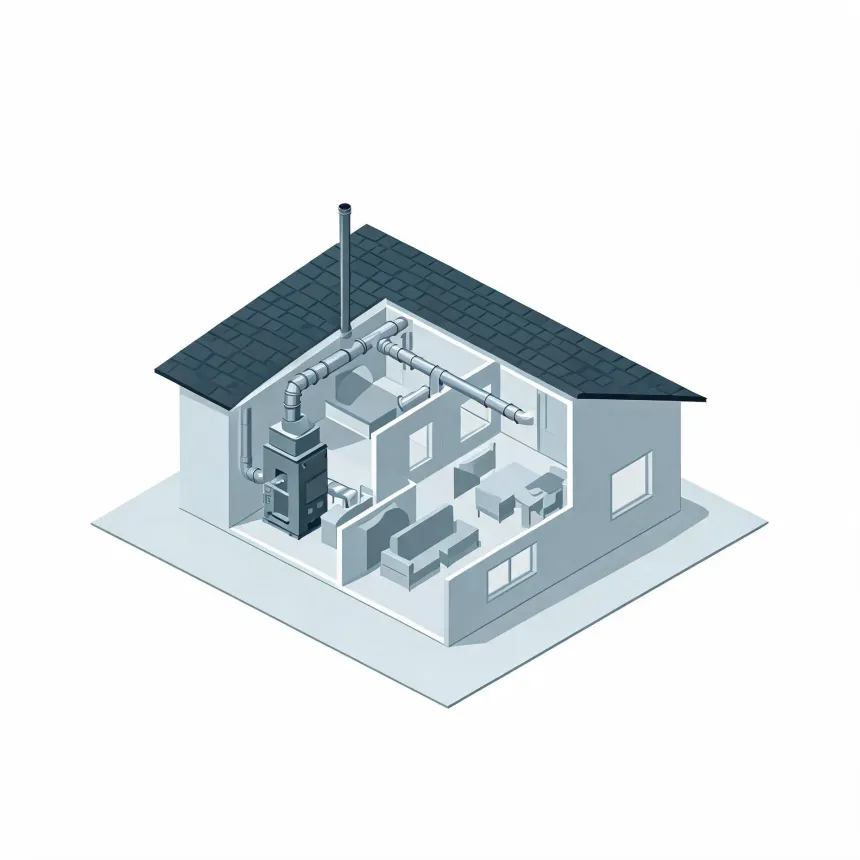
Isometric cutaway illustration of a single-story house with a dark shingled roof, showing a furnace with a flue pipe and branching ductwork running through interior rooms furnished with a sofa, table and chairs.
Your furnace works hardest from November through May.

NOAA nClimDiv, 1991–2020 normals

Furnaces here start running in October and go through June.

Have a new one in before September ends, and it's done before you need it.

San Rafael's furnaces go into houses built decades before they were

Half the homes here were built by 1967
Heat runs October through June
Winter nights average 43°F
Cheap gas changes the mathGas runs $18.44 per million Btu here, so a high-efficiency furnace pays back slower than in most places.

Ask what size furnace they're proposing and how they got that number. It should come from a load calculation on your house, not a match to the old unit or a guess based on square footage. A furnace that's too big cycles on and off more than it should, which wears out parts faster and leaves rooms uneven. One that's too small runs constantly and never quite keeps up. Ask what efficiency rating they're quoting and whether that unit needs a new vent, since higher efficiency models often vent through a wall instead of up through the roof. Ask what's included in the install, not just the furnace itself. New ductwork, a new thermostat, and any work to the gas line or vent all change what you're actually paying for.

A standard furnace is the right fit for San Rafael winters

Heat runs nine months a year here, and the overnight low only averages 43°F in the coldest months. That's steady, moderate work, not extreme cold. A correctly sized standard furnace handles it without needing to be oversized or upgraded to a pricier efficiency tier.

Find a contractor
A gas furnace with attached ductwork, gas piping, and condensate lines installed in a concrete-block basement.

Size it for the house, not the furnace it's replacing

Half the houses in Marin County were built in 1967 or earlier. If yours is one of them, don't let the contractor size the new furnace off the one coming out. That old unit may have been sized by guesswork in the first place, or matched to ductwork that was never rerun when the house changed hands. Ask for a load calculation on the house as it stands now.

The furnace is one line item among several

Pulling the old unit and setting the new one is only part of the job. The plenum often needs rework to seal to a different cabinet size. Flue connections get rebuilt if the new furnace vents differently than the old one. Electrical and gas connections get checked against the new unit's specs, not just reused as they were. Each of those is its own piece of labor and material before the furnace itself ever turns on.

Ductwork decides how much else gets touched

A furnace moves air through whatever ductwork is already in the house. If the trunk line is undersized for the new unit's airflow, or runs are leaking at the joints, the installer either fixes that as part of the job or leaves a furnace that can't deliver what it's rated for. Sealing and resizing ducts costs more than swapping a furnace alone, but skipping it means paying for capacity the house can't actually use.

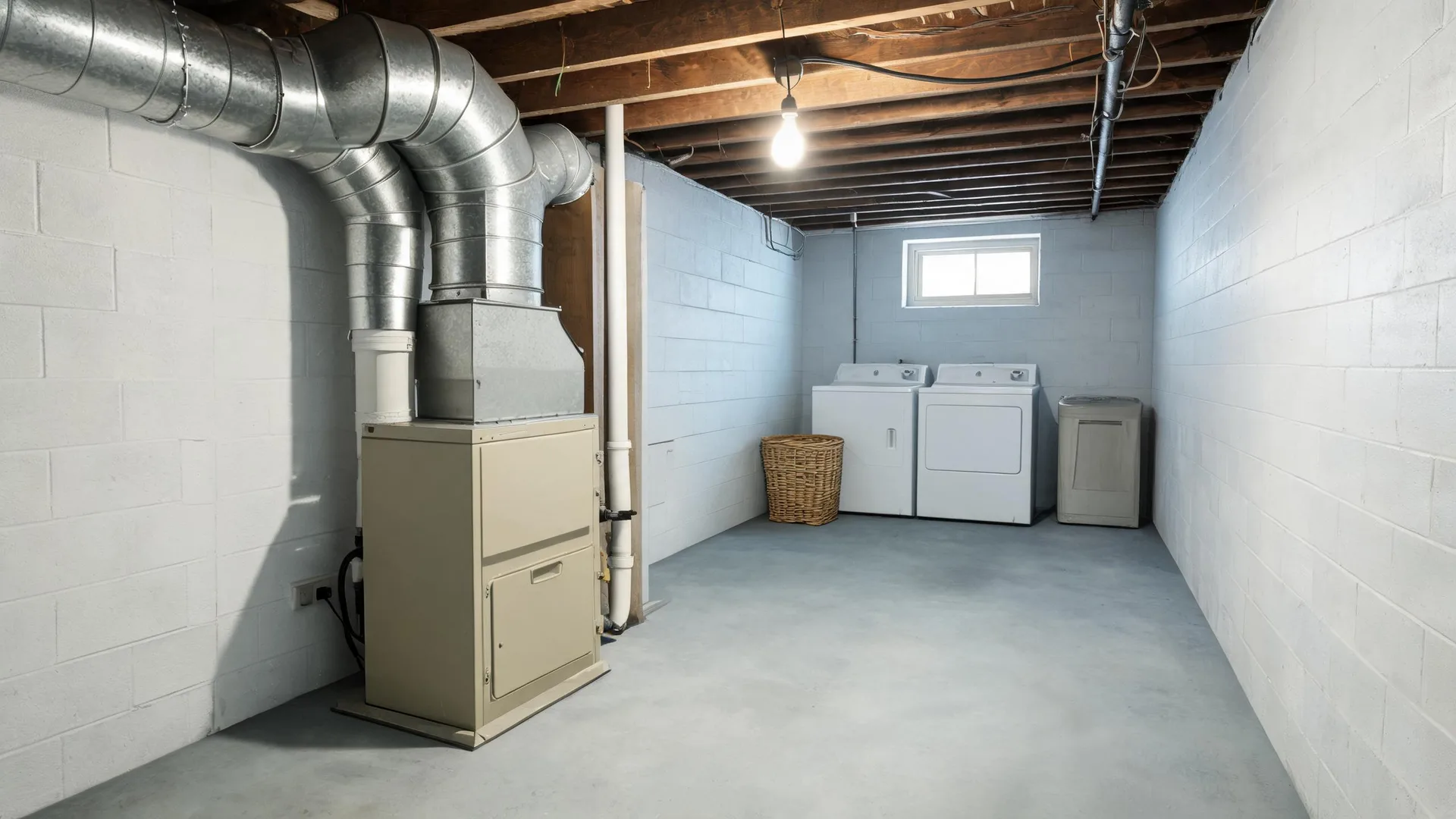
An unfinished basement featuring exposed ceiling joists, a metal HVAC unit with round ductwork, a hanging light bulb, and scattered boxes and debris along the left wall.

A high-efficiency gas furnace would save about $60 a year to run in Marin County compared with a gas furnace.

  • A high-efficiency gas furnace$350 a year
  • A gas furnace$410 a year

Estimates for a typical Marin County home, from EIA household energy data, California fuel prices and NOAA climate normals. Your home will differ.

The crew should walk the house with you before anything gets disconnected, pointing out where the new furnace and any new venting will go. Expect the old unit to come out first, then the ductwork gets checked for connections that need resizing or sealing to match the new furnace. If the venting changes, that gets run next, through the wall or up through the roof depending on what the new unit needs. The gas line gets connected, tested for leaks, and the furnace gets fired up and checked for proper airflow and temperature rise. A good installer walks you through the new thermostat before they leave and tells you what the first few cycles should sound and feel like. The house should have heat again before the day is out.