






White stucco houses with red-tiled roofs glow with interior light at dusk, nestled against a dry golden hillside dotted with oak trees.

Furnace Installation in Oxnard, CA

Tell us about the job

Takes about a minute. No obligation.

New system or replacementFurnace or heatingVentura County, CA
Step 1 of 2

What ZIP code is the job in?

Gas heats 72.5% of the homes in Ventura County, electricity another 20.3%. If your house already has a gas line run to a furnace, replacing it with another gas furnace is usually the straightforward option. The venting, the gas line and the return ductwork are already sized for that kind of system, so the installer is working with what's there instead of starting over. A switch to electric heat means new circuits and possibly new ductwork, which is a bigger job even before you weigh the equipment itself. Worth checking which fuel your current system runs on before you assume.

7 months
November through May, your furnace is on duty
38°F
the average winter night it heats against
73%
of homes here heat with gas, so most furnaces here burn gas
80% AFUE
the federal minimum any new unit must meet
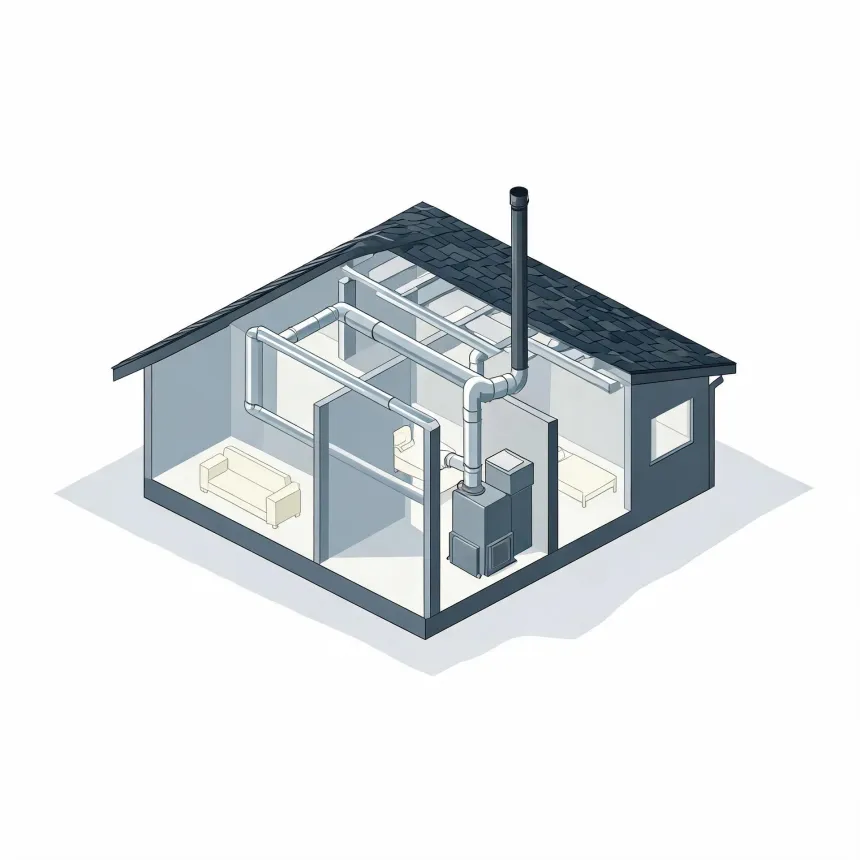
Isometric cutaway illustration of a small single-story house showing a furnace with a flue pipe through the roof and ducting running to rooms containing a sofa, chair and bed.
Your furnace works hardest from November through April.

NOAA nClimDiv, 1991–2020 normals

Furnaces in Oxnard start running in November.

Have a new one in before October ends, so the install happens on your terms, not during the first cold week.

Gas runs $18.44 per million Btu here, so the cheapest furnace to buy is usually the right call

Heat runs November through May
Winter nights average 38°F
Climate zone 3C
Your furnace won't work hard hereHeat runs November through May, and a winter night only drops to about 38°F.

Half the homes in Ventura County were built in 1978 or earlier, half since. Either way, that doesn't change what furnace goes in. An older house and a newer one both just need a unit sized to the square footage and insulation they actually have, not to the year they were built. The installer sizing your system is working from your house as it stands now, not guessing from its age. There's no case here for going bigger than that number or paying more for capacity you won't use.

Your new furnace has to meet 80 percent AFUE, at least

Any furnace installed here has to hit at least 80 percent AFUE, the federal minimum. That's the baseline, not a special upgrade, so don't pay more for a unit claiming to meet it. A federal tax credit is available for qualifying high-efficiency models if you want to go above the minimum.

Find a contractor
A man in a cap, dark t-shirt and work trousers carries a canvas tool bag up porch steps toward a blue front door, with a tall planter and shrub beside the entry.
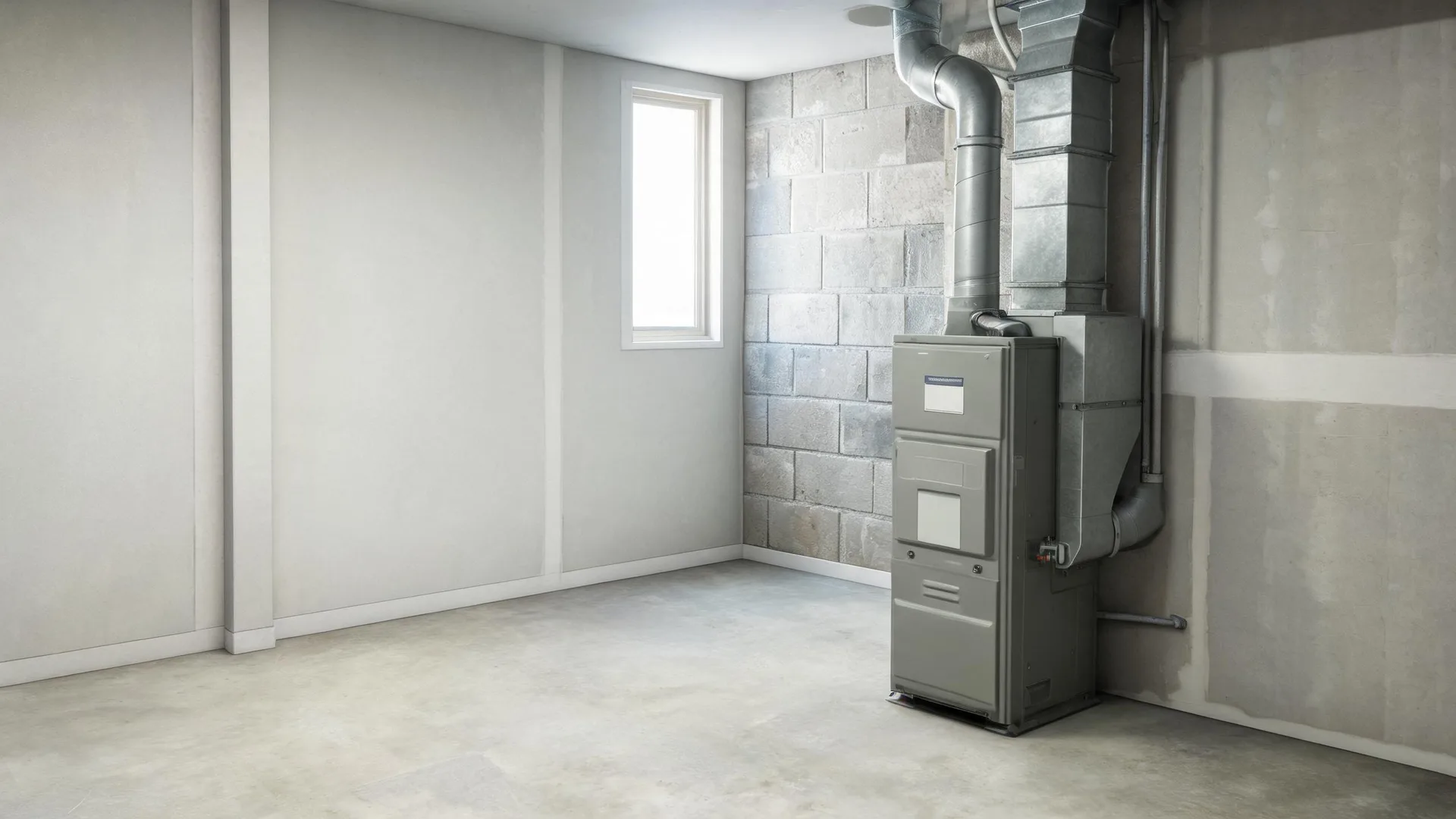
A gray high-efficiency gas furnace installed in an unfinished basement, surrounded by gas lines, a condensate drain, and sheet-metal ductwork.

Seven months of mild duty

That's seven months of mild duty, not hard duty. A furnace sized right for your house will cycle on and off rather than run flat out, because 38 degrees overnight isn't asking much of it. Put the money into getting the size and the installation right. A reliable, properly matched unit will do this job for years without strain, and you don't need to pay for a higher efficiency tier to get that.

Ask for the AFUE number in writing

A quote should state the AFUE rating of the unit itself, not just a general efficiency claim. That rating is what determines how much of the gas burned actually turns into heat in the house versus going out the vent, and it should be printed on the paperwork, not just spoken in the pitch.

Ask what happens to your ductwork

A furnace quote should say plainly whether the existing ducts get reused as they are or need work first. Connecting a new furnace to ductwork that's undersized or damaged means the unit can struggle to move air evenly no matter how good it is on its own.

An unfinished basement featuring a grey forced-air furnace with metal ductwork, concrete block walls, exposed wooden joists, and a single hanging bare bulb.

A high-efficiency gas furnace would save about $60 a year to run in Ventura County compared with a gas furnace.

  • A high-efficiency gas furnace$320 a year
  • A gas furnace$380 a year

Estimates for a typical Ventura County home, from EIA household energy data, California fuel prices and NOAA climate normals. Your home will differ.

AFUE is the only number on that label worth comparing between models. It tells you how much of the fuel burned actually turns into heat in your house versus what goes out the flue. The rest of the label, the model number, the certifications, doesn't tell you anything about running cost. A higher AFUE furnace captures more heat from the same amount of gas, mainly by running a second heat exchanger that pulls additional warmth out of the exhaust before it vents. That second exchanger means a condensing furnace produces water that has to drain somewhere, which a lower-efficiency unit doesn't deal with at all. Neither number tells you if the furnace is sized right for your house, and a well-matched unit at the minimum rating will outperform an oversized one at a higher rating.