





A bare concrete basement containing a gray gas furnace with metal ductwork and a vertical flue pipe, lit by a single hanging bulb.

Furnace Installation in San Francisco, CA

Tell us about the job

Takes about a minute. No obligation.

New system or replacementFurnace or heatingSan Francisco County, CA
Step 1 of 2

What ZIP code is the job in?

Gas heats a little over half the homes in San Francisco County, and that's the fuel most furnace replacements here will match. If a gas line already runs to your furnace, keeping gas is usually the simpler job, since the vent, the gas line and the setup are already in place. Electric heat comes in second at 35.7%, which shows up here as heat pumps or electric furnaces in homes without gas service. Bottled or LP gas and fuel oil barely register in this county, so a contractor working here is set up for gas and electric, not oil.

7 months
November through May, your furnace is on duty
45°F
the average winter night it heats against
55%
of homes here heat with gas, so most furnaces here burn gas
80% AFUE
the federal minimum any new unit must meet
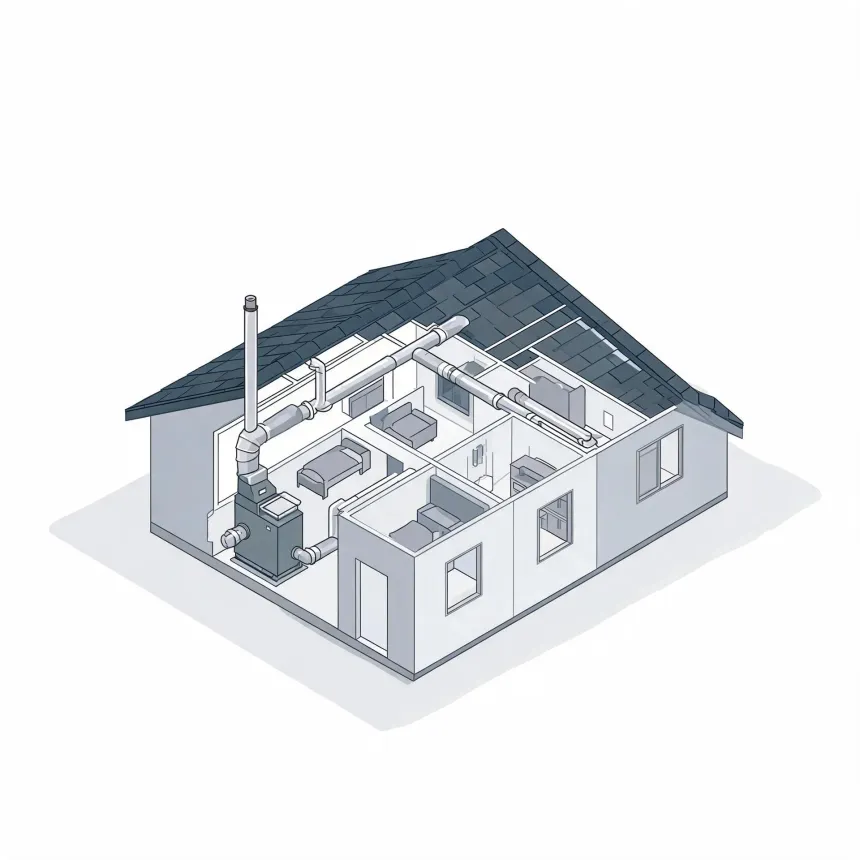
Isometric cutaway illustration of a single-story house showing interior rooms with furniture, ceiling ductwork, a furnace unit with a tall flue pipe, and a dark shingled roof.
Your furnace works hardest from November through April.

NOAA nClimDiv, 1991–2020 normals

Heat comes on in November and runs through May here.

Get the furnace replaced in October and it's done before you need it.

Mild winters mean a furnace here doesn't have to work hard

Heat runs November through May
Winter nights average 45°F
Climate zone 3C

Natural gas ran $18.44 per million Btu in California last year. That's on the high side, so what you pay to run a furnace here is worth weighing, but it's not the only thing worth weighing. A high-efficiency furnace costs more up front and takes longer to earn that back when gas isn't cheap to begin with. For a lot of homes here, a mid-efficiency furnace that's built well and sized right for the house will do the job without the extra cost of condensing equipment. Fit and a correct gas line matter more to how it runs day to day than squeezing out another few points of efficiency.

Your house was likely built before the furnace you're replacing

Half the houses in San Francisco County were built in 1946 or earlier. A furnace going into a house that old has to work with what's already there, not with a clean slate. The new unit, the vent, the gas line, all of it has to match a house built for a different system than what's on the market now.

Find a contractor
A man in a cap, gray T-shirt and tan work pants climbs porch steps toward a blue front door, carrying a canvas tool bag filled with tools, beside a blue planter with a shrub.
A gas furnace with attached ductwork, gas piping, and condensate lines installed in a concrete-block basement.

Size it to the house, not to what's coming out

Have the contractor measure for the new furnace instead of matching the size of the old one. A furnace from decades back was often sized by rule of thumb, not by a room-by-room look at the house. The vent and gas line in place now should get checked too, since they were run for a different unit and may need work to serve the new one correctly.

AFUE tells you what's lost up the vent

The efficiency number on a furnace label is the share of fuel that turns into heat in the house. What's left goes out the vent as exhaust. A furnace rated higher leaves less heat behind, but that rating comes from a lab test, not from how the furnace ends up sized, installed or vented in your house.

The rating doesn't tell you if it's the right furnace

Furnaces with the same efficiency rating can still perform differently once installed. How the unit is sized for the rooms it heats, how the ductwork connects to it, and whether the gas line and vent match what it needs all affect how it actually runs. A high rating on the label doesn't make up for a furnace that's the wrong size or poorly connected.

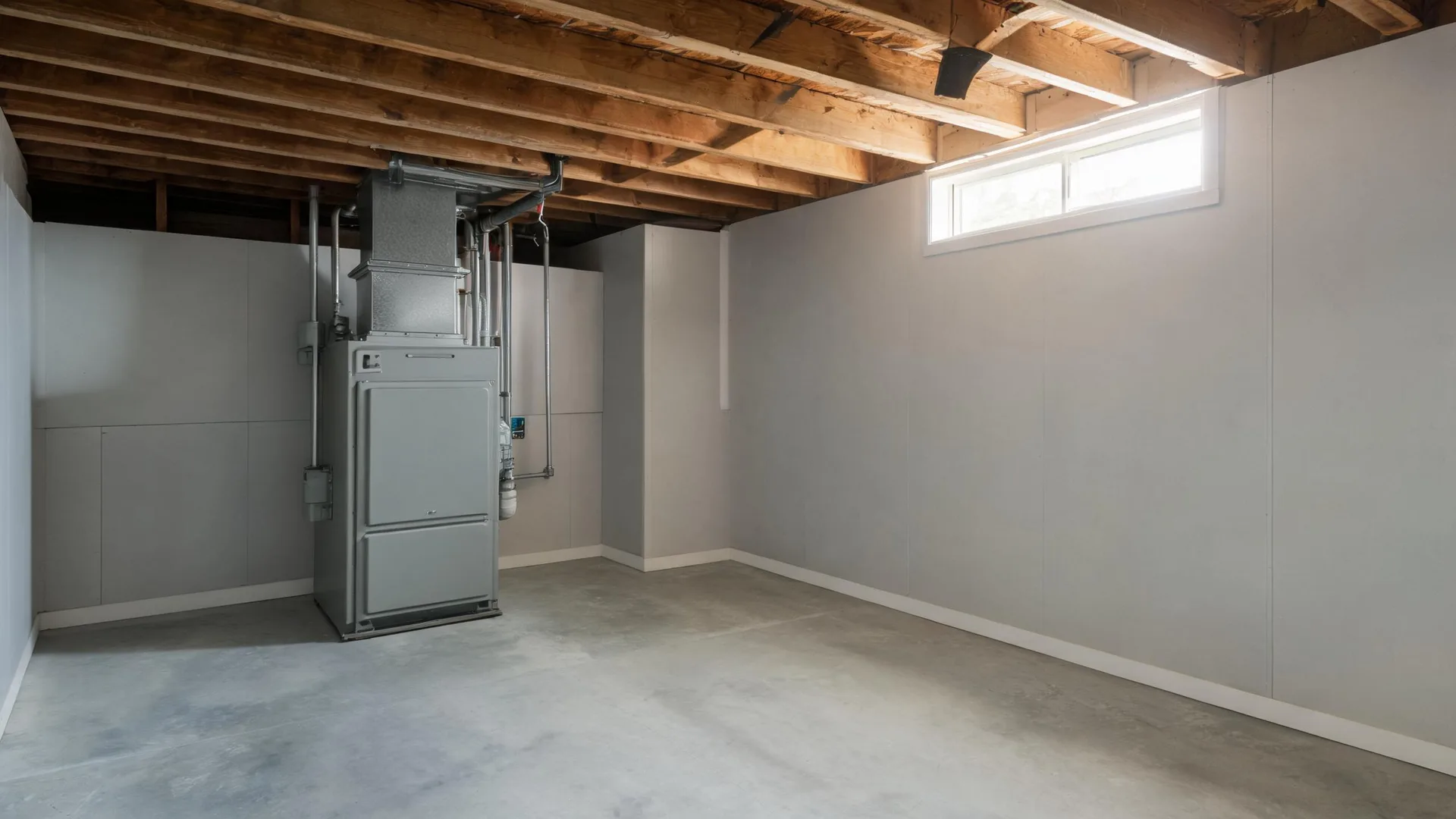
A gray forced-air furnace with metal ductwork stands in an unfinished basement with exposed wooden joists, concrete walls, and a single hanging light bulb.

A high-efficiency gas furnace would save about $60 a year to run in San Francisco County compared with a gas furnace.

  • A high-efficiency gas furnace$310 a year
  • A gas furnace$370 a year

Estimates for a typical San Francisco County home, from EIA household energy data, California fuel prices and NOAA climate normals. Your home will differ.

Install day starts with the old furnace coming out, along with the old vent connector and any gas line section that won't serve the new unit. The contractor sets the new furnace, runs or reworks the gas line, and connects the vent according to what the new unit needs, which may not match how the old one was vented. Ductwork gets connected next, with any transitions built to fit the new unit's supply and return openings. Once it's wired and the gas line is on, the contractor tests the ignition, checks the burner flame, and measures the temperature rise across the furnace to confirm it's in the range the manufacturer specifies. The last step is checking that gas pressure and airflow both sit where they should before the job is called done.