
Finding a contractor on your own
Calling around, explaining your furnace and your house more than once, then lining up quotes to see which installer actually knows PVC venting and which just says they do.
Describe the project once instead of to every installer.
Skip the searchYou've seen the high-efficiency furnaces at 95% or higher and wondered if the extra cost makes sense here, where winters rarely get cold enough to run a furnace hard. You're also looking at a power bill that's among the highest in the country, so anything that changes your gas and electric use matters more than it might somewhere else.
A high-efficiency furnace burns less gas to make the same heat, but in San Francisco winters are mild and a furnace here doesn't run many hours a year to begin with. That limits how much gas a more efficient model can actually save you. The equation changes if your old furnace is failing and you need a new one regardless, since the efficiency jump costs less as an upgrade than as an early replacement. It also changes if you're doing a larger heating project where the furnace is part of a bigger system change. For most homes running a furnace lightly through a short winter, a standard-efficiency model heats the house just as well for less upfront cost.
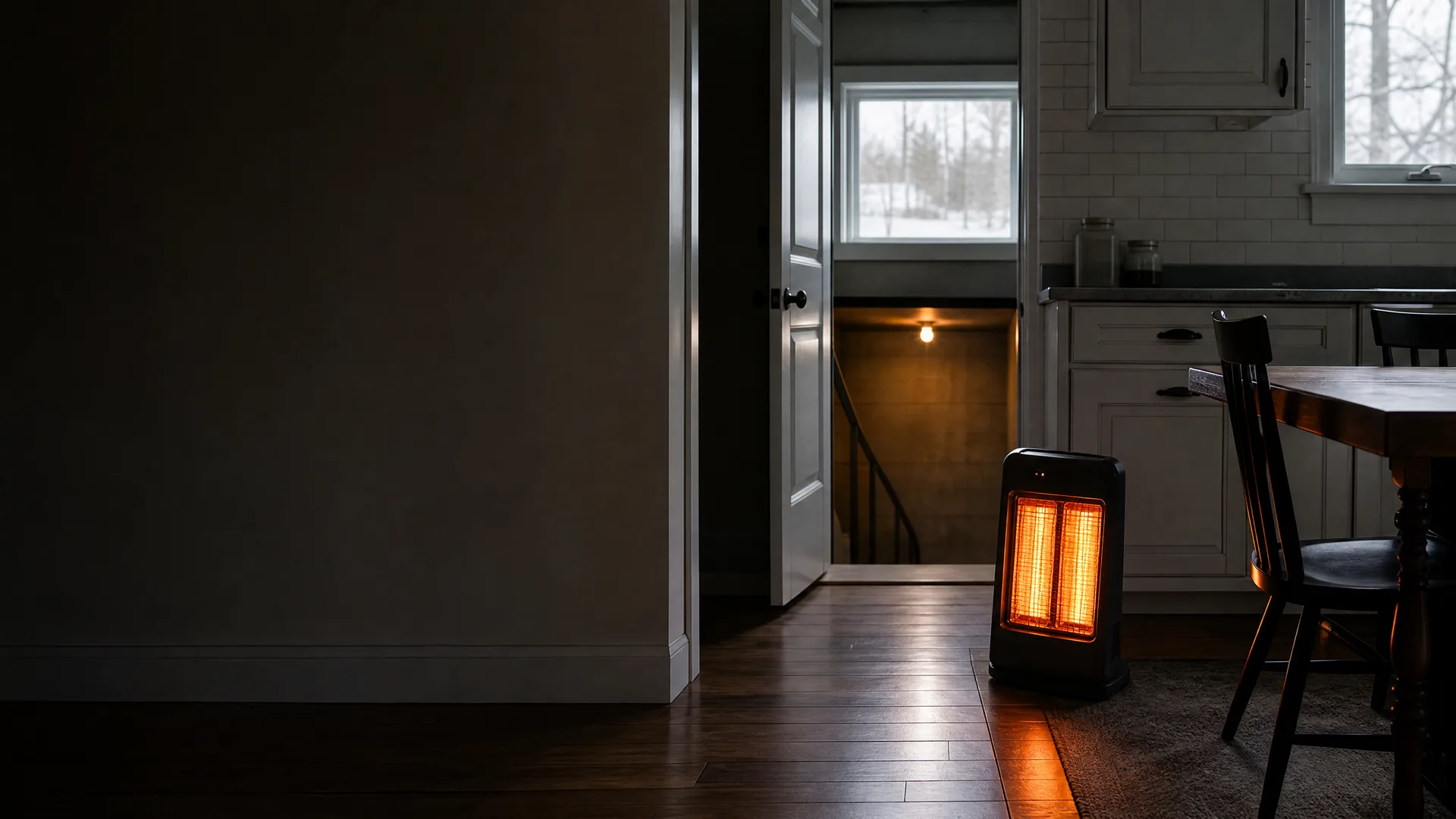
You're at the kitchen table a little before seven, coffee going cold, and the space heater is doing the work your furnace should be doing. It's been humming by your feet for twenty minutes and the room still hasn't warmed up. Behind you the basement door is open, the way it's been every morning this week since you gave up waiting on the furnace to catch. Fog is still sitting outside the window. You can hear the furnace try and fail to light, that click and pause, click and pause, and you've started timing your coffee around it instead of the other way.
You notice it in small ways. The furnace runs longer than it used to before the house feels warm. Some rooms stay cool no matter how long it's on. You hear it kick on and off more than it seems like it should for a mild day. Maybe there's a faint gas smell near the unit, or a pilot light that looks more yellow than blue. None of that is normal wear you should just live with. An older furnace working harder than it needs to is burning more gas to make the same heat, and a yellow flame or a gas smell is worth having looked at before it becomes a bigger problem.
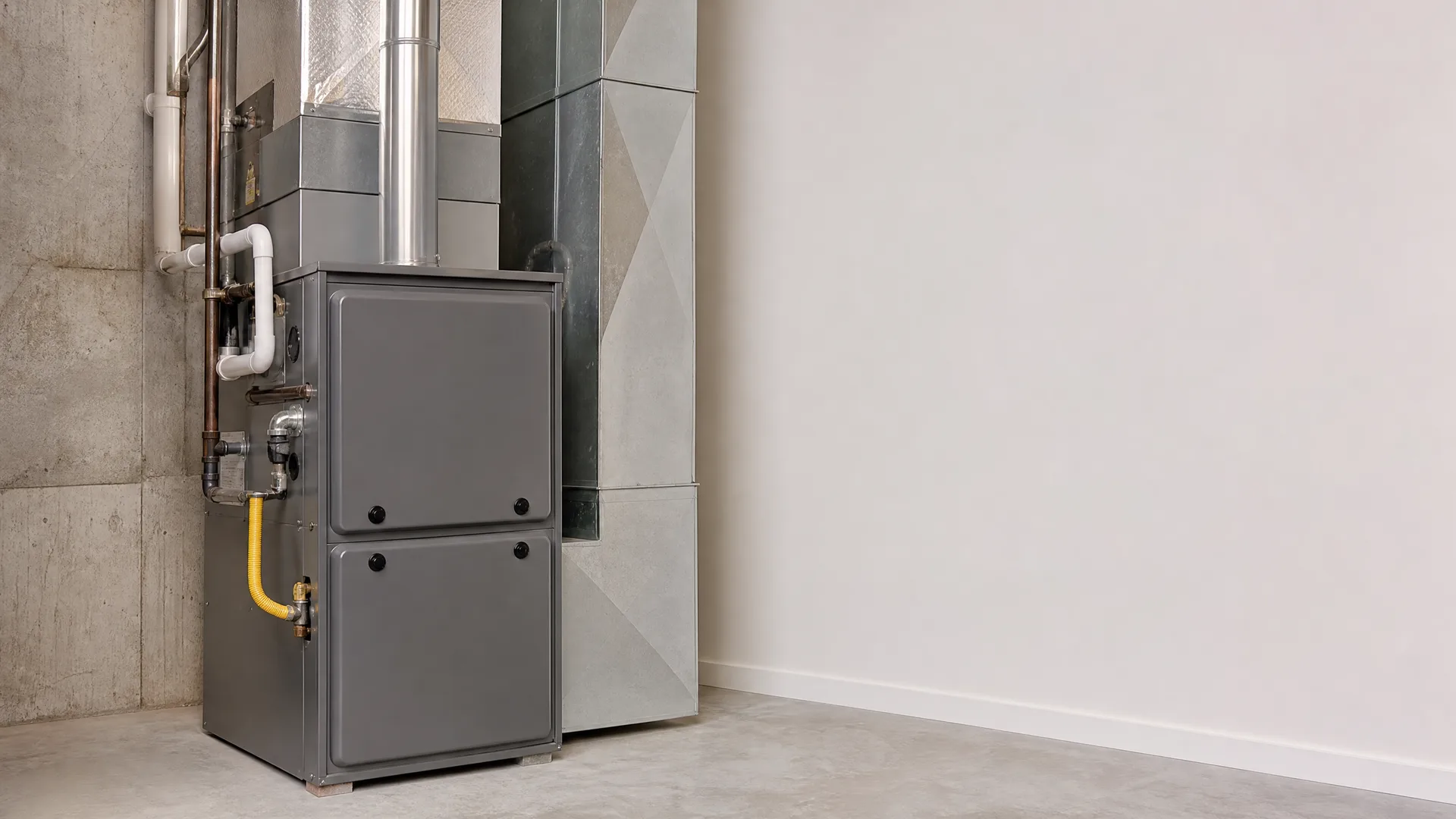
A furnace rated 95% turns 95 cents of every dollar of gas into heat for your house. The rest goes out the vent. An older furnace in San Francisco running at 80% loses three times as much, and with power here among the most expensive in the country, every bit of gas that escapes unused is money with nowhere good to go. Mild winters mean the furnace runs fewer hours, but each hour still costs the same per therm.
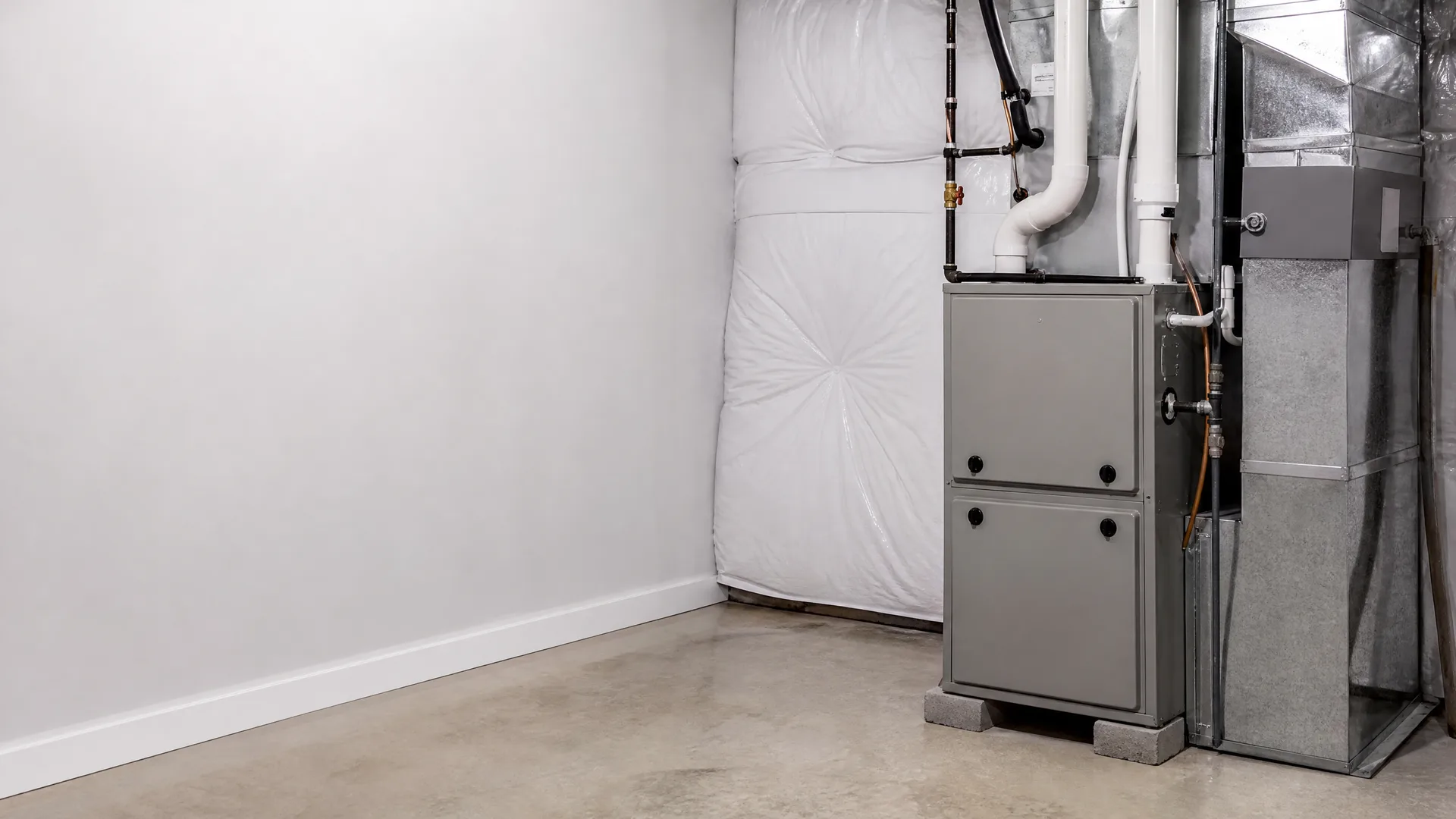
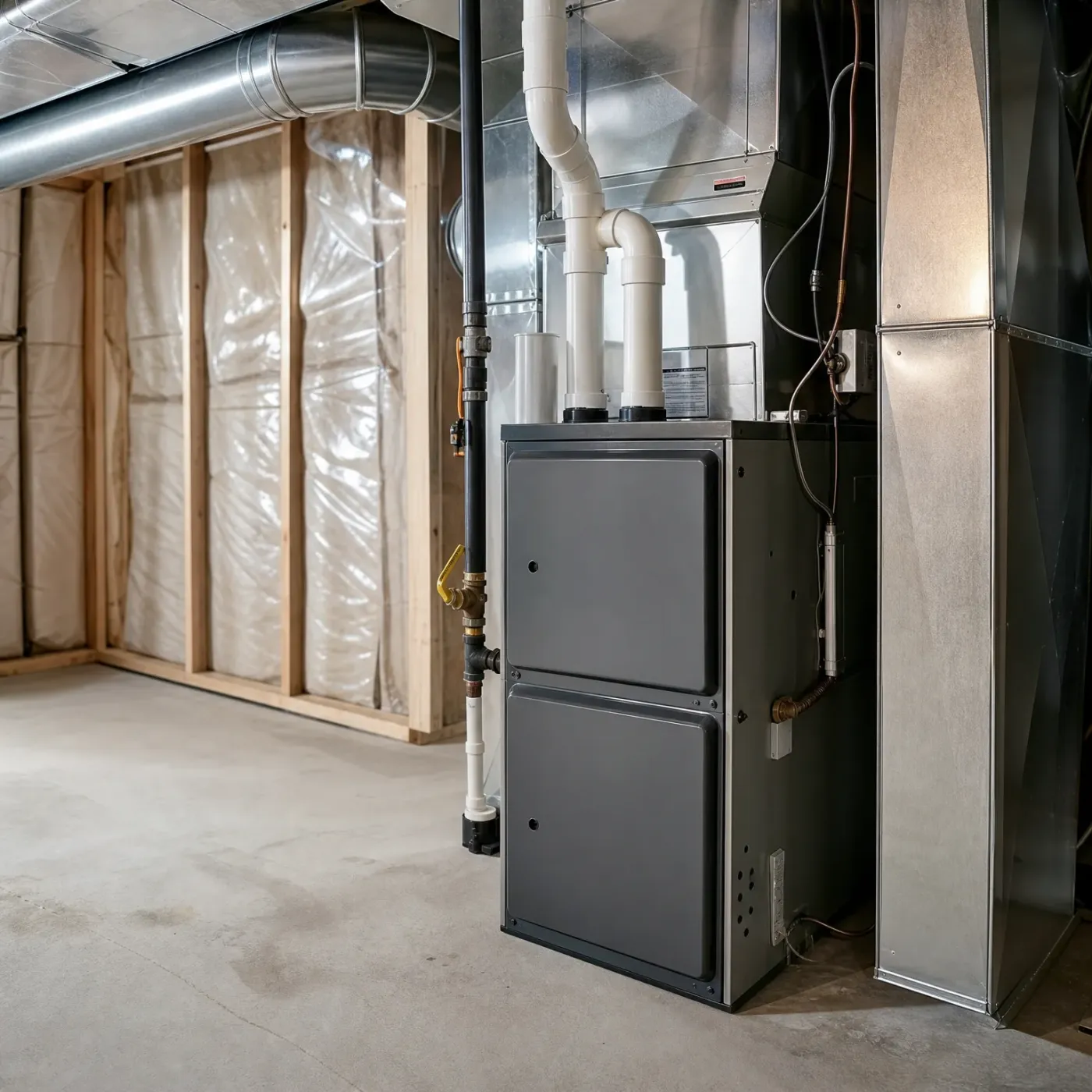
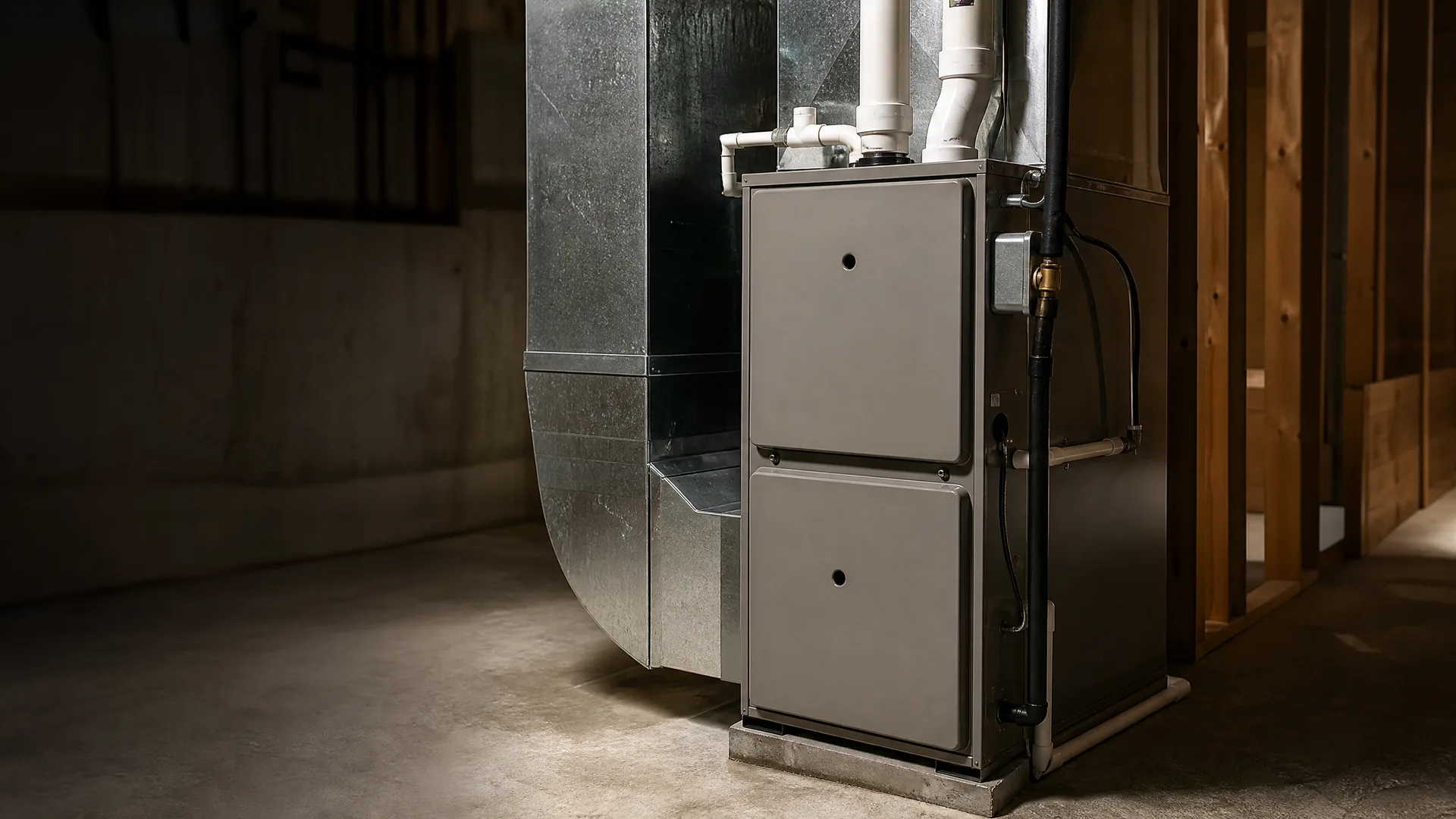
A furnace rated 95% or higher vents through PVC pipe out a wall or the roof, not up a chimney, because the exhaust is cool enough by the time it leaves the unit. That's a different kind of installation than swapping in a standard furnace, and it's one reason the job calls for someone who installs this specific equipment regularly in this county and knows how San Francisco's inspectors want that venting run.
Winter nights average 45°F
A low near 45°F isn't a cold night by most standards, which is exactly why a furnace that wastes less gas on each short cycle pays you back more often.
Heat runs November through May
Seven months of heating means the furnace is the appliance you lean on most of the year here, more than the AC most homes don't even run hard.
55% of homes heat with gas
Most houses nearby are already set up to burn gas for heat, so the choice isn't whether to use gas, it's how much of it a new furnace turns into heat versus waste.
NOAA nClimDiv 1991-2020 · ACS 2020-2024
A standard furnace sends most of its heat out through a metal flue along with the exhaust. A high-efficiency furnace has a second heat exchanger that catches a lot more of that heat before it leaves, which is where the 95% rating comes from. By the time the exhaust reaches that second pass, it has given up enough heat that it's too cool to rise up a metal flue the way exhaust normally does. That's why these furnaces vent out the side of the house through PVC pipe, pushed along by a small fan instead of relying on hot air rising. The same cooling that makes the exhaust safe to run through plastic pipe also turns part of it to water, so the furnace needs a drain line and a condensate trap to carry that water away. None of this requires a standing pilot light. A hot surface igniter lights the burner only when the thermostat calls for heat, instead of keeping a flame burning around the clock. Most of these furnaces also fire in two stages, running on a lower flame for the kind of mild night San Francisco gets most of the winter, and saving the higher stage for when it's actually needed. Running longer on low instead of cycling on and off in short bursts means the blower moves air more steadily too, so the house doesn't swing between a blast of heat and the furnace sitting off.


A licensed installer who works in San Francisco County gets your project.
Skip collecting and comparing quotes for the new furnace.
There's no charge for the request.
Burner ignites and the first heat exchanger heats the air.
Flue gas still carries heat, so it moves to a second exchanger.
That gas cools until it turns to water, draining out through a hose.
A small inducer fan pushes the cooled exhaust out through PVC pipe.




A standard 80% furnace is simpler to vent and usually cheaper to put in, and if your house already has the metal flue for it, that part of the job stays as it is.
A 95% furnace costs more to install here, often more once new PVC venting is part of the job, but burns less gas every one of the seven months you run it, and gas is what most San Francisco furnaces use.


Calling around, explaining your furnace and your house more than once, then lining up quotes to see which installer actually knows PVC venting and which just says they do.
Someone who installs furnaces around San Francisco every winter, knows what venting changes a 95% furnace needs here, and gives you one quote instead of five calls to sort through.

An 80% furnace burns gas for seven months straight to keep up with San Francisco's mild but persistent chill, and a fifth of that gas leaves through the flue without ever heating your house. You pay for that gas either way. With power here among the most expensive in the country, the difference shows up on the bill every month from October through April, not just on the one cold night a year.
There's also what happens if the furnace can't be fixed when it fails, usually on a night you need it. Finding someone qualified to size a new system for your house, explain the venting change, and give you a straight answer on PVC versus flue isn't something you want to start from scratch, calling a few companies and repeating the same details each time. A local installer who works on furnaces in this county every winter already knows what tends to fail in homes like yours and what the replacement actually requires.

At 45°F, your furnace isn't fighting a hard freeze. It's cycling on and off most of the night just to hold the room a few degrees above that. Short, frequent cycles like that are where a high-efficiency furnace keeps more of what you pay for.
NOAA nClimDiv 1991-2020
A high-efficiency furnace is worth it in San Francisco if you plan to stay in the house long enough to use those seven months of heating year after year, and worth less if you're weighing it against a tight budget for a furnace that still has life in it. The gas savings are real here because the season is long and mild, not short and brutal, and that's exactly the pattern where a second heat exchanger earns its keep. What changes the math most is the venting, since PVC pipe and an outside wall aren't optional on a 95% furnace the way they can be on an 80%. Whichever way you land, the install needs to be done right, and that means someone who works on PVC-vented furnaces in this county regularly, knows where condensate lines freeze and where they don't, and can tell you plainly what your house needs rather than what's easiest to sell. One licensed local installer looking at your actual furnace and your actual walls will get you a straighter answer than a handful of quotes ever could.
No calling every shop in San Francisco County