Heat pump vs furnace in San Francisco County, California

Get My Quote

Heat pump or furnace, one form

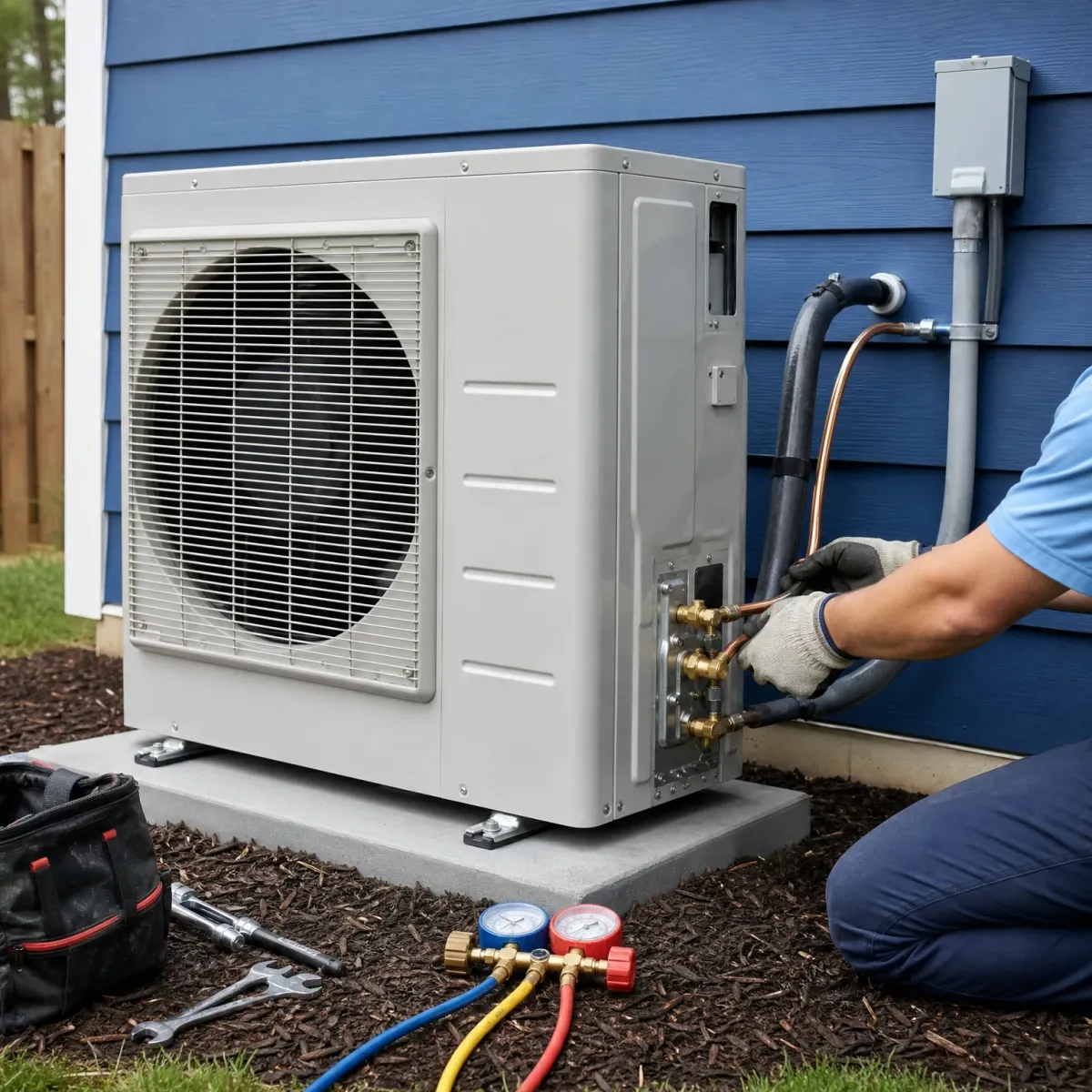
A kneeling person in a blue shirt and work gloves connects refrigerant lines at the side of a gray outdoor heat pump unit on a concrete pad beside a blue clapboard house, with a manifold gauge set and hand tools lying on mulch in the foreground.

Tell us about the job

Takes about a minute. No obligation.

New system or replacementSan Francisco County, CA
Step 1 of 3

What kind of equipment?

Which costs less to run in San Francisco County?

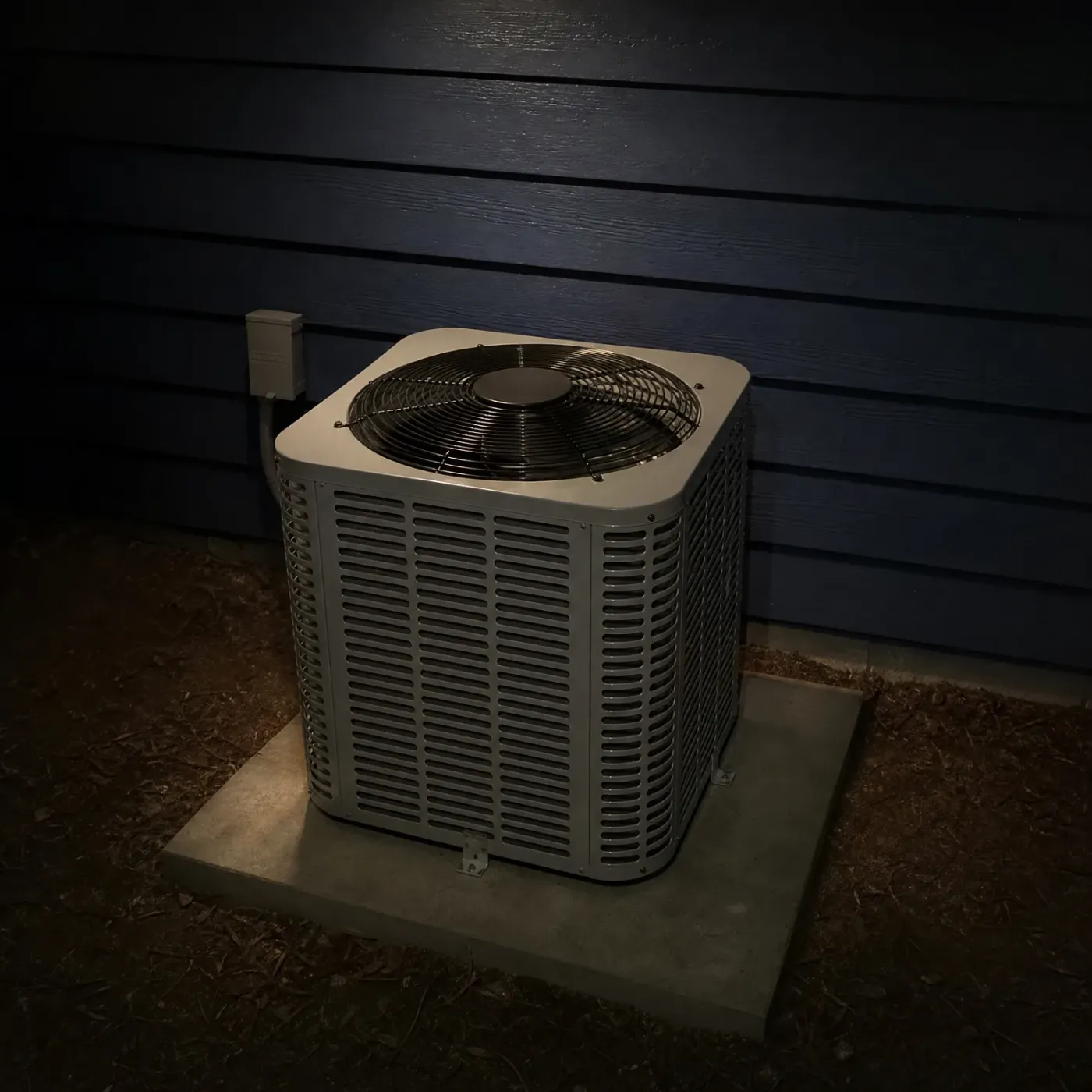
An outdoor air conditioning condenser unit on a concrete pad beside a dark blue horizontal lap-sided wall at night, with a small electrical disconnect box and conduit on the wall above it and mulch surrounding the pad.

Heat pump

To heat your home here$4.26per 100,000 Btu

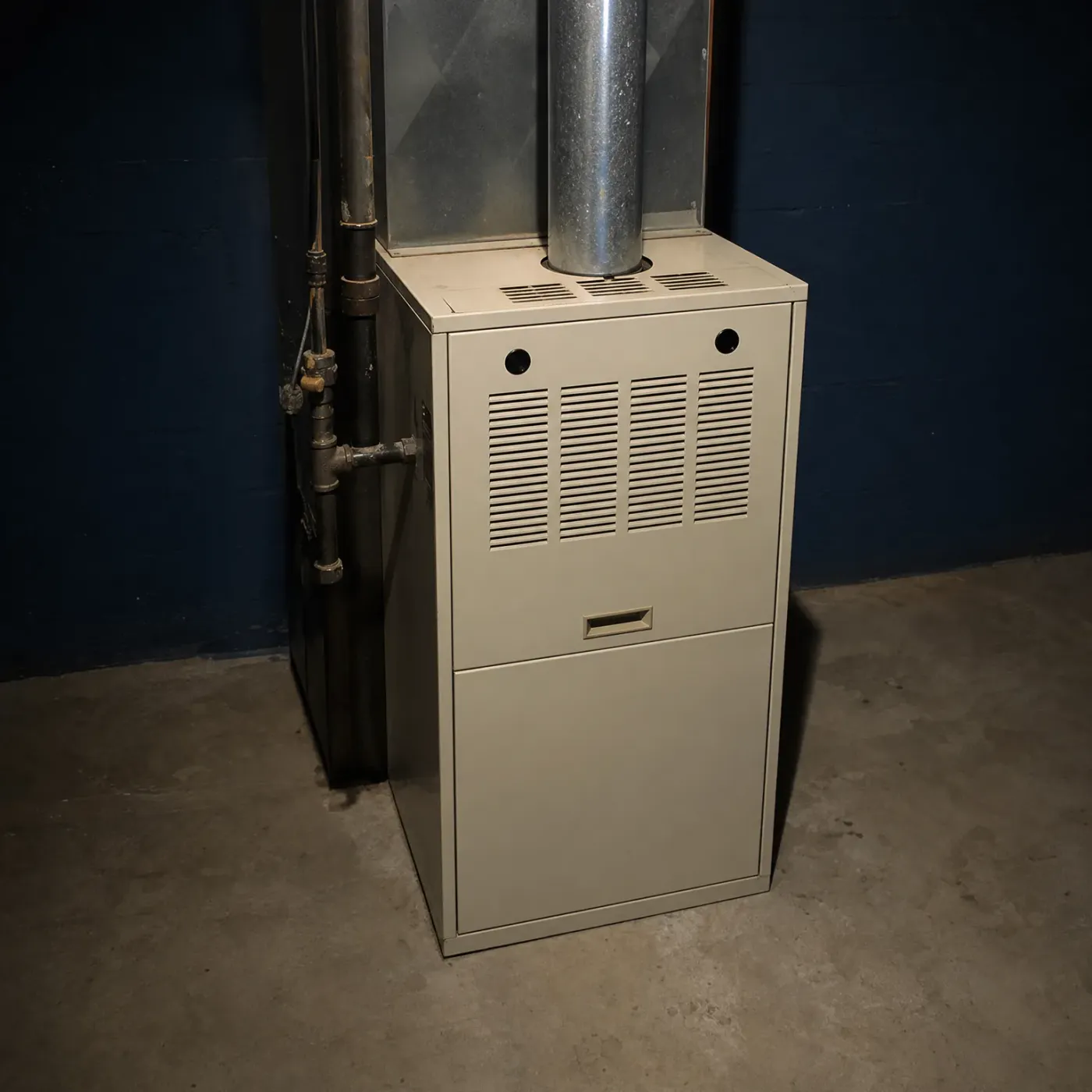
A beige sheet-metal furnace with a louvered front panel stands on a concrete floor against a dark blue painted block wall, with a metal flue pipe and ductwork above and older pipes to the left.

Furnace

To heat your home here$2.31per 100,000 Btu

At California's gas and electricity prices, a gas furnace makes the same heat as a heat pump for at least 45% less.

Btu stands for British thermal unit, the standard measure of heat energy.

Where does a heat pump shine?

  • Made for mild winters

    Winter nights here average 45°F, and a heat pump doesn't struggle until temperatures drop much lower than that. It can heat your home efficiently all winter without working hard to do it.

    A covered white porch on a navy clapboard house with a light blue front door, a white rocking chair draped with a blue blanket, a pair of brown boots by the door, and dried hydrangeas and shrubs with patches of snow on the ground.
  • Heats and cools in one system

    One machine handles the heat in winter and the cooling in summer. There's no second system to buy or keep up.

    A living room with a beige sectional sofa, navy throw and pillows, a wooden coffee table holding a woven tray and plant, dark built-in shelving, and a large window with navy curtains overlooking a green garden.
  • No gas line, nothing burning in the house

    It moves heat instead of making it from fire. That means no combustion, no flue and no gas bill for heat.

    A kitchen with navy cabinets, white subway tile backsplash, wooden open shelves holding bowls and plants, a light speckled island with an induction cooktop, a blue kettle and mug, two wooden stools, and a window over the sink.

Where does a furnace shine?

  • Runs on the gas most homes here already use

    More than half the homes in San Francisco County already heat with gas. If yours is one of them, the gas line and venting a furnace needs are probably already in place.

    A row of brick houses with covered porches, concrete front steps and metal handrails along a snow-covered residential street with bare trees and a cleared sidewalk.
  • Fast, strong heat on demand

    A furnace pushes out hot air within minutes of switching on. A cold house warms up fast.

    A mudroom with a navy cushioned bench holding a cream throw, woven storage baskets beneath, a steaming mug, coats and a plaid scarf on hooks, and snowy boots on a gray mat beside a dark blue door with a sheer curtain and a snow-covered view outside.
  • Proven, simple, easy to get serviced

    The design is simple and well understood. That keeps service calls short.

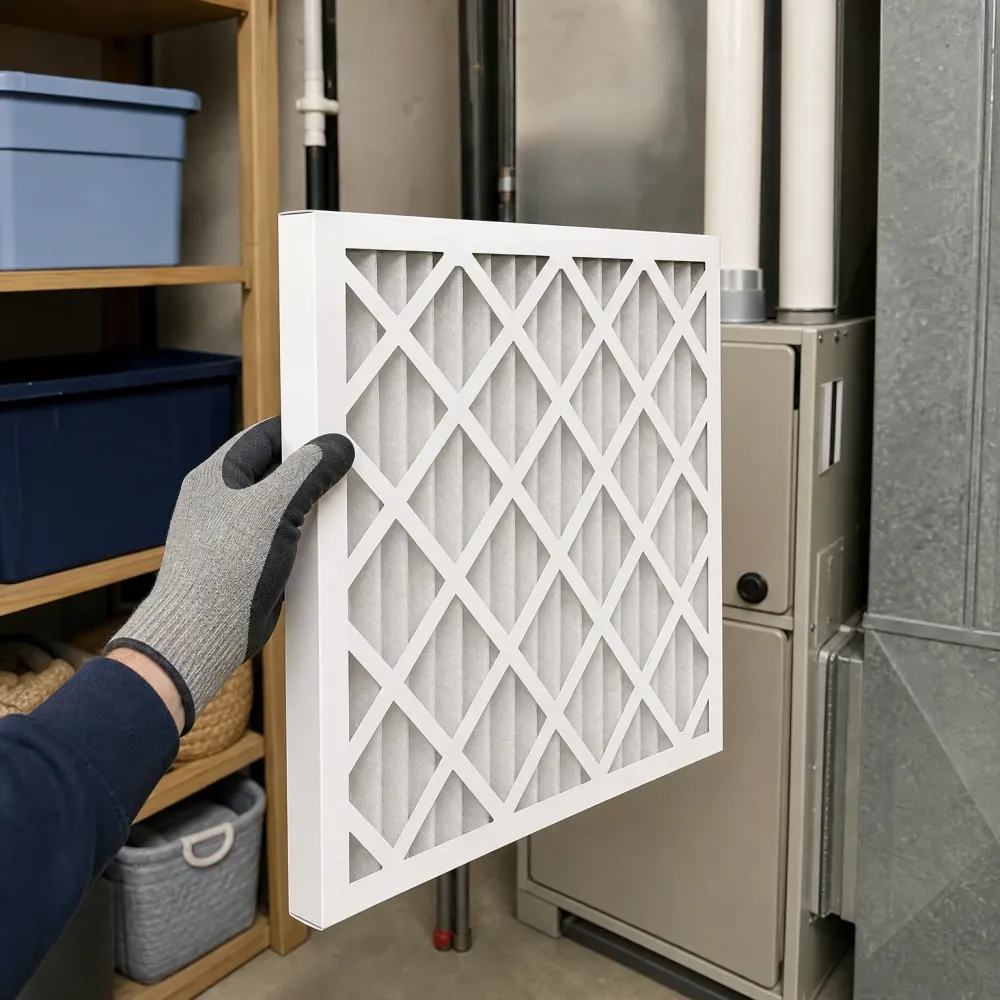
    A gloved hand holds a pleated air filter with a white cardboard frame in front of a furnace and ducting, beside shelving with plastic storage bins.

Why winter here barely counts against a heat pump

Winters in San Francisco County are mild. The overnight low averages 45°F through December, January and February, and it only drops to freezing or below on fewer than one night a year. A heat pump works harder when the air outside gets cold, because there's less heat in that air to move indoors. That almost never happens here. Of the roughly 210 nights a year when the heat runs, freezing nights come to about 0.2 of them, barely any.

That's the case for a heat pump in this county. It isn't fighting long stretches below freezing. It's doing nearly all its work in weather close to that 45°F average, which is within what a standard heat pump handles without leaning on backup heat.

The other side of that same machine matters here too. Summers in San Francisco County don't really ask for cooling. The afternoon high averages 70°F in June, July and August, and the county has no month warm enough to call for air conditioning. A furnace only heats, so it has nothing to do the other five months of the year. A heat pump does both. If you ever want air conditioning on a warm day, it's already there. If you never want it, you've paid for a feature you won't use.
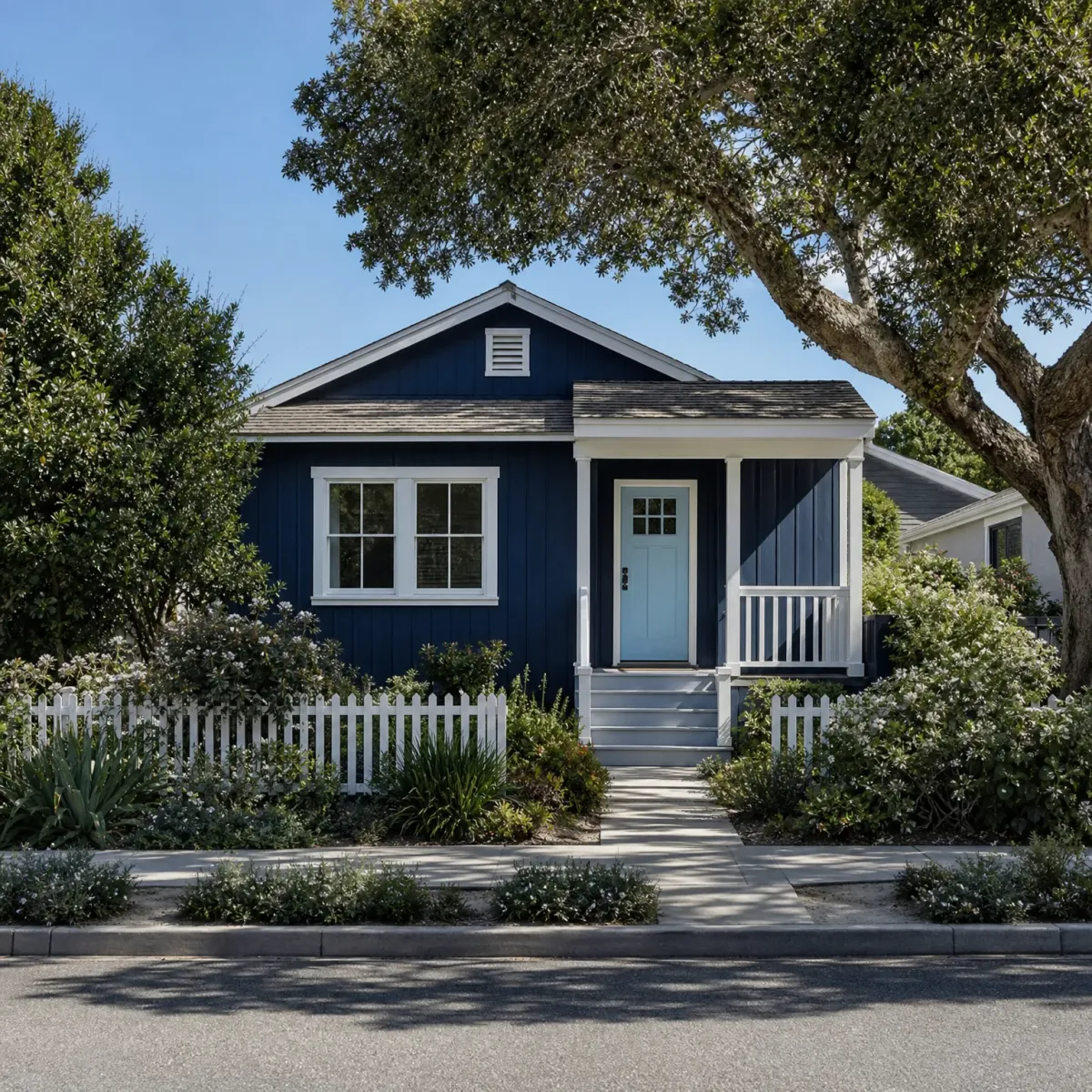
A single-story navy board-and-batten house with white trim, a light blue front door, a small covered porch with steps, a white picket fence, flowering shrubs, and a large tree overhanging from the right.

What it costs to run, and what's already in the house

Here, running cost favors the furnace. At California's average prices, a gas furnace makes the same heat for $2.31 per 100,000 Btu against $4.26 for a heat pump, both built to the federal minimum for that machine. That gap holds for all seven months the heat runs here.

What your house already has feeds into this. A little over half of homes in the county, 55 percent, heat with utility gas. A little over one in three, 35.7 percent, heat with electricity. If your house already has a gas line and a furnace, staying on gas is the cheaper path and the one that doesn't ask you to change anything else. If your house heats with electricity and has no gas line run to it, the comparison changes: bringing in gas service is its own cost, separate from the running-cost gap above, and worth weighing against it.

Half the homes in this county were built in 1946 or earlier, which by itself says nothing about what's behind your walls. Check what your own house has, gas line or none, before deciding which number applies to you.

Sources: NOAA nClimDiv · NOAA 1991–2020 seasonal normals · EIA SEDS 2024 · 10 CFR 430.32 · Census ACS 2020–2024

A navy blue front door with six glass panes on a light blue lap-sided house, flanked by potted succulents and shrubs on wooden steps, with a hanging planter and a pendant lantern on the covered porch.