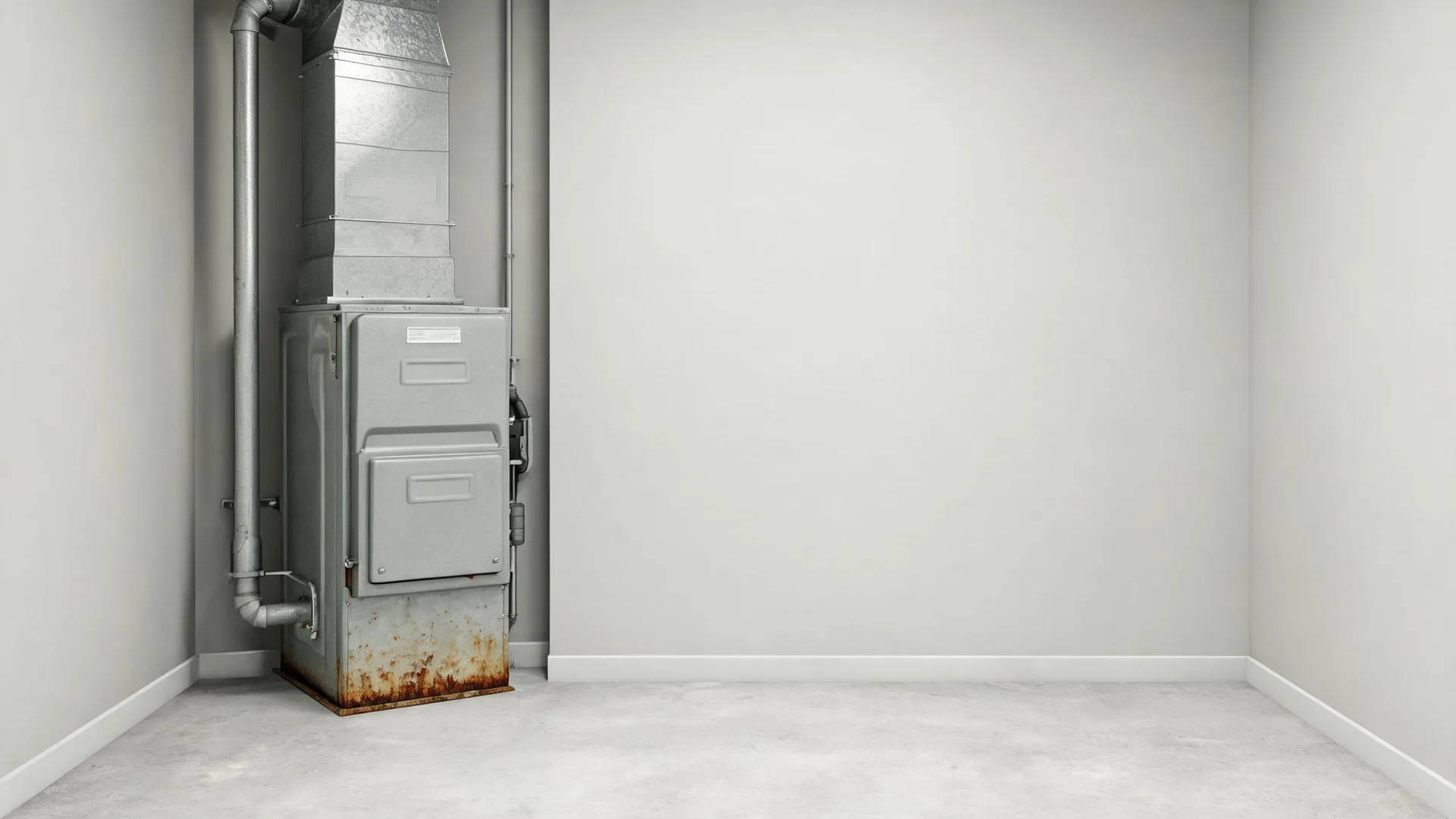
Mild winters, light work
Furnaces here run from November through May, but the overnight low only averages 45°F. That is a mild load compared to colder parts of the country, where the same furnace would run harder and longer each winter.
Takes about a minute. No obligation.
Furnaces here run from November through May, but the overnight low only averages 45°F. That is a mild load compared to colder parts of the country, where the same furnace would run harder and longer each winter.
A furnace that hasn't been worked hard is more often in decent shape underneath whatever's gone wrong. When something breaks here, it's usually a part that wore out or was overdue for attention, not a system worn down by the season.
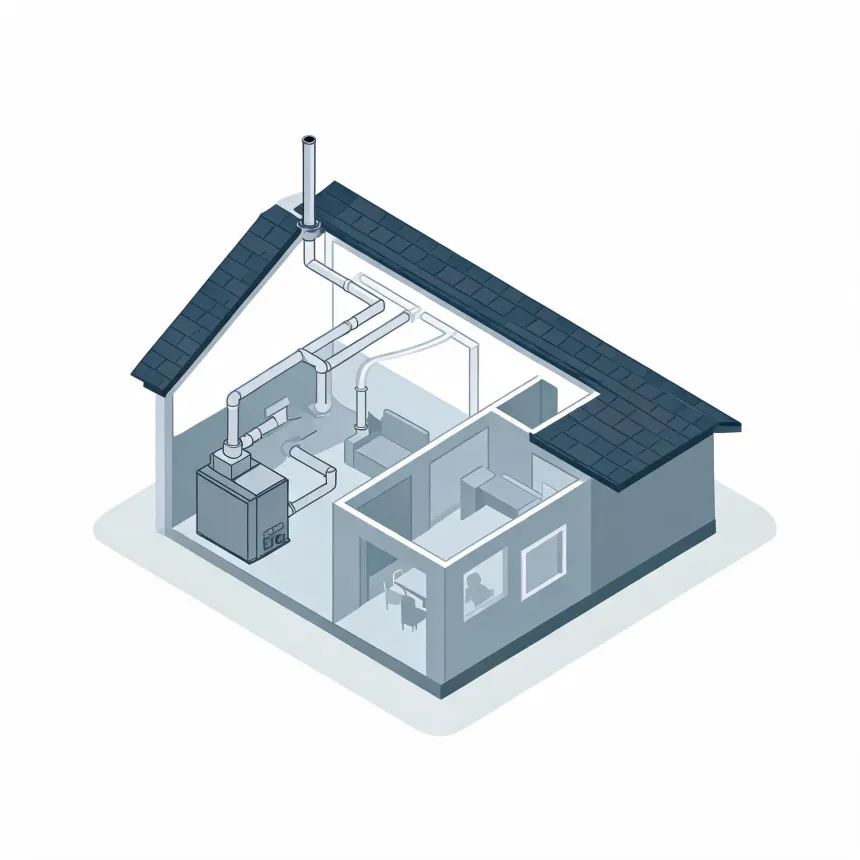
NOAA nClimDiv, 1991–2020 normals
Furnaces in San Francisco sit idle until November, when the first cold night asks them to work.
October is the month to find the weak part, before that night finds it for you.



That's the case for having it looked at rather than guessing. A cracked heat exchanger and a dirty flame sensor can act the same way from the thermostat, and only one of those is a quick fix. Since the furnace hasn't been worked hard this season, the odds favor a repair over a replacement. Have someone check the actual part before deciding which one you're dealing with.
If your furnace came with the house, ask the contractor for its age before they start work. A repair is worth paying for on a furnace with years left. That's the first thing to know, not the last.
Find a contractorBefore anyone comes out, there are a few things worth checking. Look at the thermostat first. Make sure it's set to heat, not just fan, and that the setting is actually above room temperature. Check the breaker for the furnace, and if it's a gas furnace, check that the switch on or near the unit, the one that looks like a light switch, hasn't been bumped off. Pull the filter and hold it up to a light. If you can't see light through it, that's enough to choke off airflow and cause all kinds of symptoms that look like bigger problems. Check that the vents in each room are open and nothing's been pushed in front of a return. If the furnace has a standing pilot, see if it's lit. None of this fixes a cracked heat exchanger or a failed control board, but it rules out the simple stuff before anyone pays for a diagnostic visit.
Both parts sit right in the flame every time the furnace fires. The igniter cracks after enough cycles of heating and cooling. The flame sensor builds up a coating that stops it from sensing the flame at all. Either one can stop the furnace cold without damaging anything else.
The blower runs far longer than the burner does, moving air long after the flame shuts off. Its bearings wear down over years of that running time. A motor going bad usually announces itself first, with a grinding sound or a squeal on startup or air that comes out weaker than it used to. Catching that noise early is worth doing before the motor seizes.
Estimates for a typical San Francisco County home, compared with an older unit built to the previous federal minimum, from EIA household energy data, California fuel prices and NOAA climate normals. Your home will differ.
Repair makes sense when one part has failed and the heat exchanger is sound.
Replacement makes sense when the heat exchanger is cracked or the furnace keeps needing parts.
A diagnostic starts at the thermostat, not the furnace itself. The tech checks what it's calling for and whether the furnace answers, then moves to the panel to read any fault code stored there. Flame goes out but the blower keeps running. That points at the flame sensor or the gas valve. No flame at all. That usually means the igniter or the control board. From there it's a multimeter on the suspect part, not a guess. Checking the actual readings is what separates a part that's truly failing from one that only looks like the culprit.