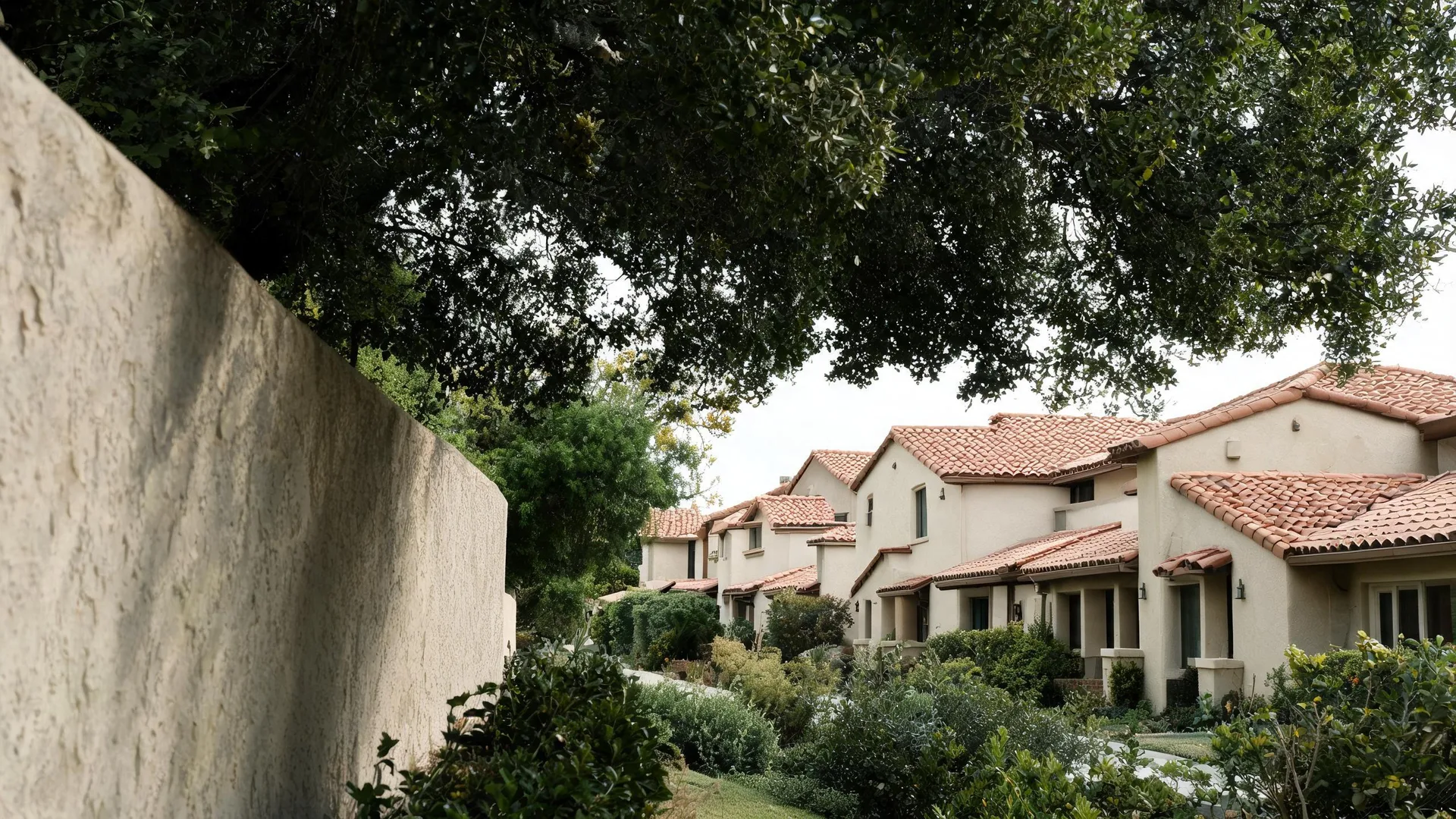
A row of cream stucco houses with red clay tile roofs seen past a textured concrete wall and overhanging tree branches, with shrubs in the foreground.

Furnace Installation in San Bernardino, CA

Tell us about the job

Takes about a minute. No obligation.

New system or replacementFurnace or heatingSan Bernardino County, CA
Step 1 of 2

What ZIP code is the job in?

Bigger isn't better

A furnace that's too big for the house heats the air fast, shuts off, then starts again soon after. That short cycling wears out the igniter and the blower motor years before they should quit, and it leaves rooms far from the furnace feeling cold while the room next to it overheats. The fix isn't a bigger unit. It's the right one.


The math behind the quote

A contractor works out the right size with a heat loss calculation, not by matching the old furnace or guessing from square footage alone. That means walking the house and checking the windows, the insulation, the ceiling height, and how the rooms are laid out. Houses that look alike from the street can need different furnaces because of what's in the walls and how the sun hits them.

5 months
November through March, your furnace is on duty
39°F
the average winter night it heats against
71%
of homes here heat with gas, so most furnaces here burn gas
80% AFUE
the federal minimum any new unit must meet
Isometric line illustration of a cutaway single-story house with a shingled roof, showing an interior furnace connected to ductwork and a tall vertical flue pipe, plus simple furniture in the adjacent room.
Your furnace works hardest from November through February.

NOAA nClimDiv, 1991–2020 normals

Gas heats 70.8% of homes in San Bernardino County.

Replacing gas with gas is usually the straightforward job, same vent, same line, same setup the house was built for.

Five months of heat, 89 winter storms. Get the new furnace in before November, not during the first cold snap.

Heat runs November through March
Winter nights average 39°F
89 winter storms from 2015 to 2024

Natural gas in California ran $18.44 per million Btu in 2024, on the high side for the country. That changes how to think about a high-efficiency furnace. It still burns less gas every month than a standard one, but at this price the extra cost of the upgrade takes longer to earn back. That doesn't make it the wrong choice, it just means the decision should rest on how the furnace holds up through a storm-driven outage and how long it lasts, not on the fuel bill alone. Ask a contractor to walk through the equipment's track record before deciding, not just the efficiency rating.

Like for like is simple here

Most homes here already use this type of system, so like for like is the simple path.

Find a contractor
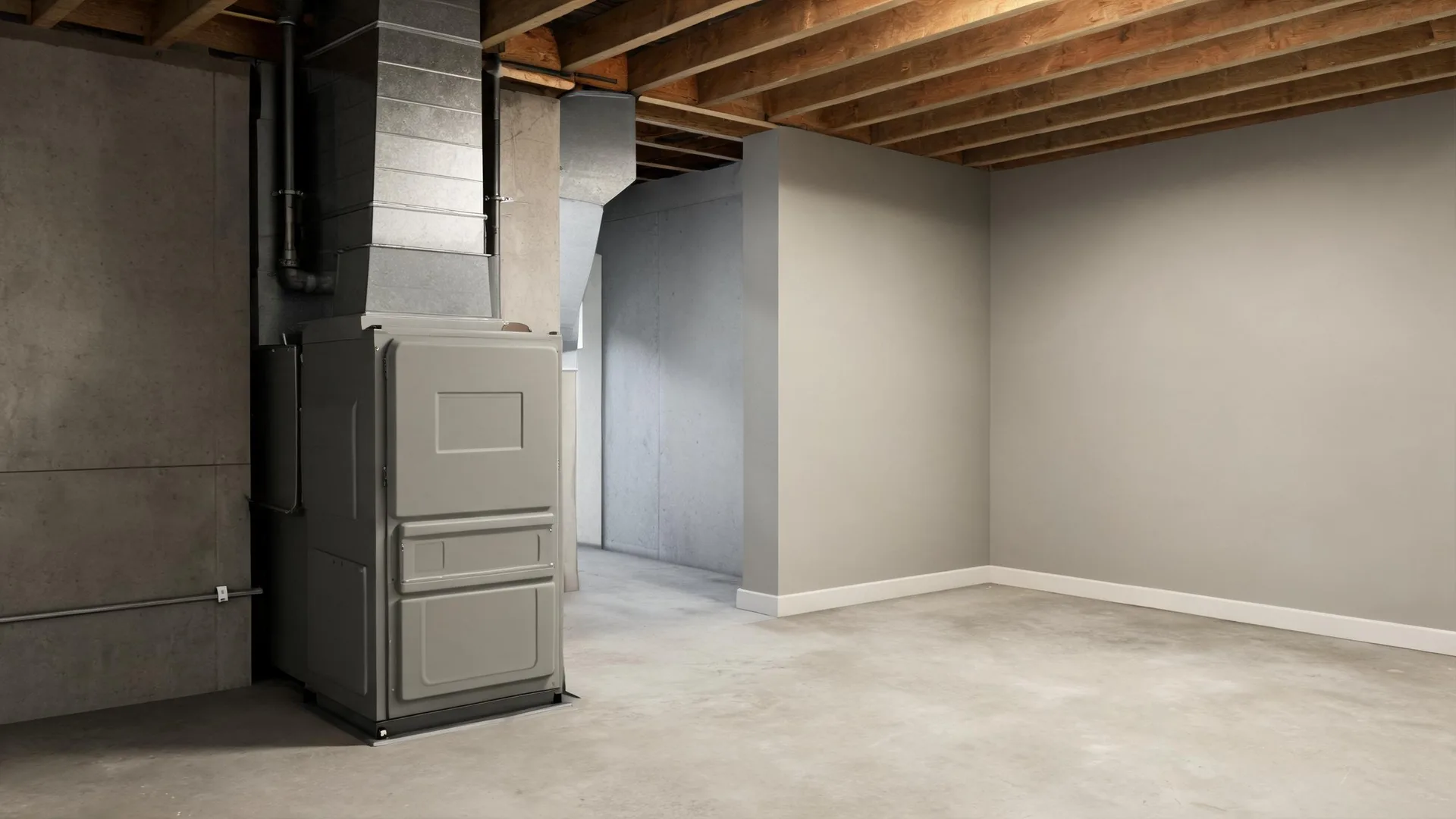
A gray residential gas furnace installed in an unfinished basement, connected to sheet-metal ductwork and PVC pipes.

Five months a year, built for more than that

Five months of heat a year is a light load for a furnace. It gets built to run through more than that. The overnight low only averages 39°F through December, January and February, so it isn't pushing against deep cold the way furnaces do further north. That means a mid-range furnace from a maker with a track record will hold up fine here. You don't need to pay for the highest efficiency tier to get a system that lasts.

Ask about the AFUE and what it costs to get there

Furnaces are rated by how much of the fuel they burn turns into heat for the house rather than going out the flue. A higher rating usually means a second heat exchanger and a condensate drain, which adds parts that can need service later. Ask what the rating actually gets you, not just the number on the brochure.

Ask what happens to the old ductwork

A new furnace moves a different amount of air than the one it replaces, and ducts sized for the old unit can end up too small or too large for it. Undersized ducts make the blower work harder and shorten its life. A contractor should check the duct sizing as part of the quote, not treat the furnace as a swap into whatever is already there.

An unfinished basement featuring a forced-air furnace, exposed wooden ceiling joists, bare concrete walls, and miscellaneous items including cardboard boxes and coiled cables on the floor.

A high-efficiency gas furnace would save about $40 a year to run in San Bernardino County compared with a gas furnace.

  • A high-efficiency gas furnace$230 a year
  • A gas furnace$270 a year

Estimates for a typical San Bernardino County home, from EIA household energy data, California fuel prices and NOAA climate normals. Your home will differ.

The old furnace comes out first, along with the flue pipe and sometimes the line set if the layout is changing. A contractor checks the gas line, the electrical connection, and the vent before setting the new unit in place. A furnace is only as good as what feeds it and what carries the exhaust away. Once it's set, the ductwork gets connected, the gas line run, the unit wired in, and the vent sealed. Then it gets tested. That means a gas leak check, a look at the flame, and a check on the pressure and temperature rise to confirm the furnace is firing the way it should. A contractor should walk through the thermostat and the basic upkeep, like changing the filter, before leaving. Most of the day goes into the connections and the testing, not the unit itself.