Heat pump vs furnace in Santa Clara County, California

Get a Replacement Quote

Heat pump or furnace, one form

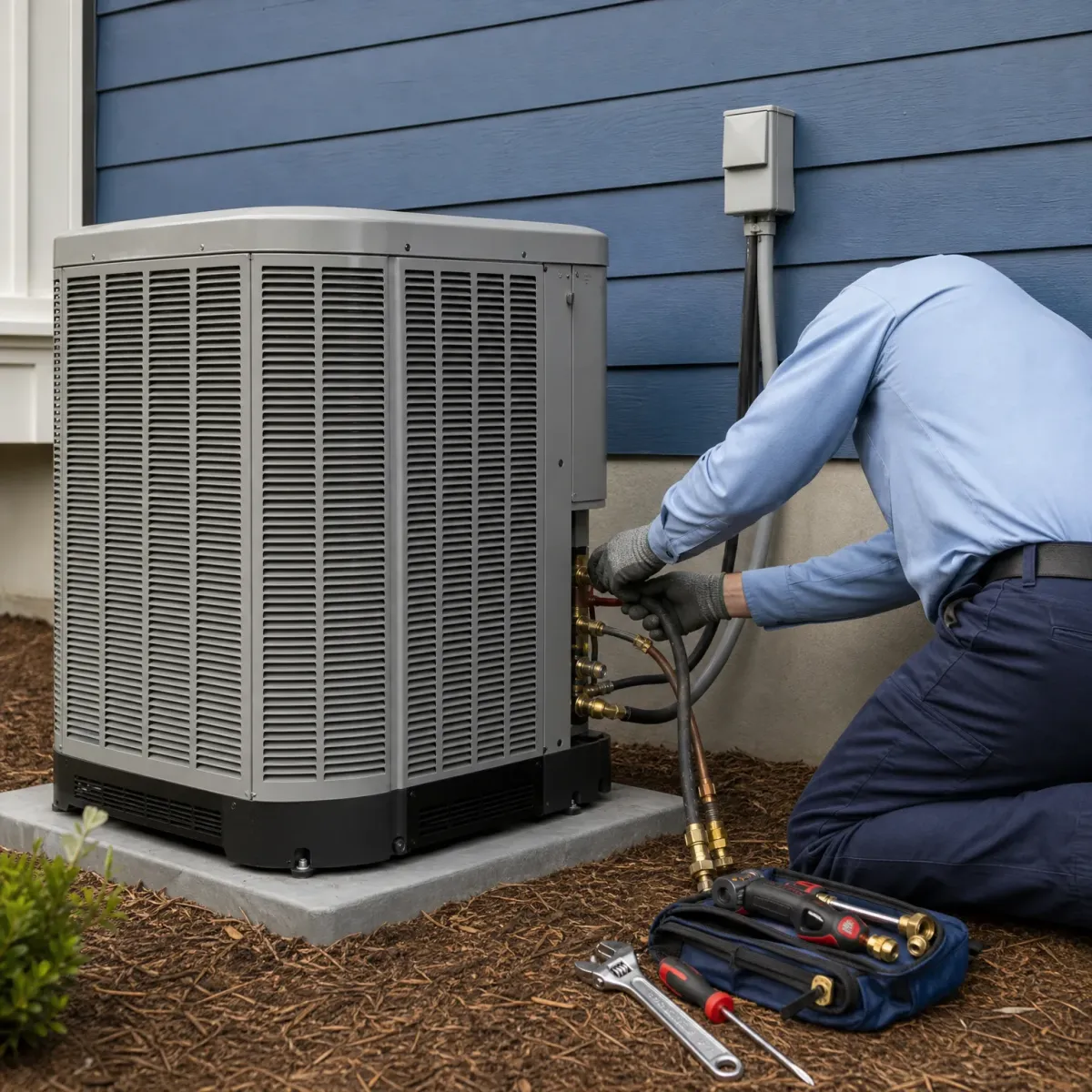
A person in a light blue shirt and dark pants kneels beside a gray outdoor air conditioning condenser on a concrete pad, connecting hoses at the unit's service valves, with a wrench, screwdriver and tool bag on the mulch in the foreground and blue horizontal siding behind.

Tell us about the job

Takes about a minute. No obligation.

New system or replacementSanta Clara County, CA
Step 1 of 3

What kind of equipment?

Which costs less to run in Santa Clara County?

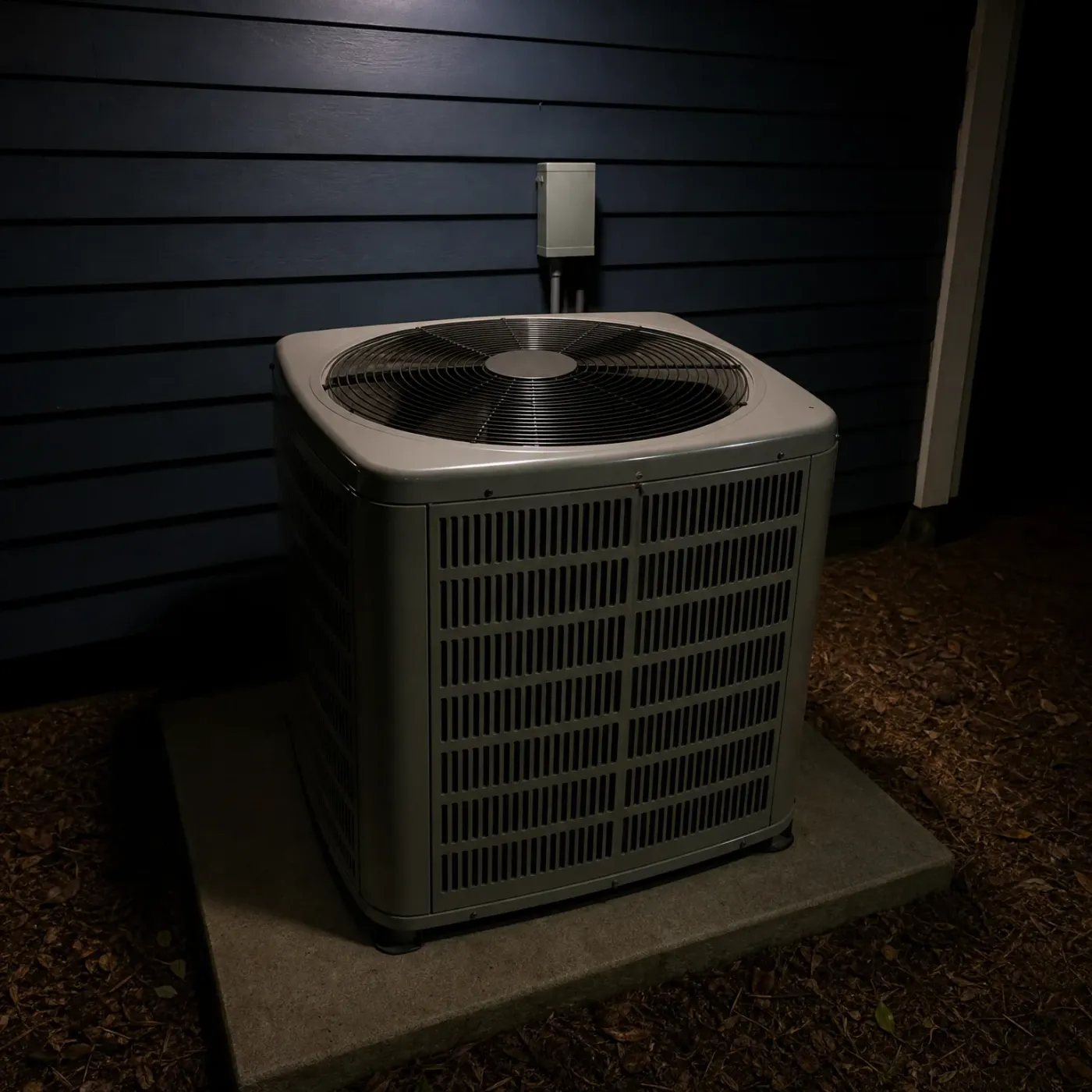
An outdoor condenser unit with a top-mounted fan grille sits on a concrete pad beside dark horizontal lap siding, with a small electrical disconnect box on the wall above and mulch surrounding the pad.

Heat pump

To heat your home here$4.26per 100,000 Btu

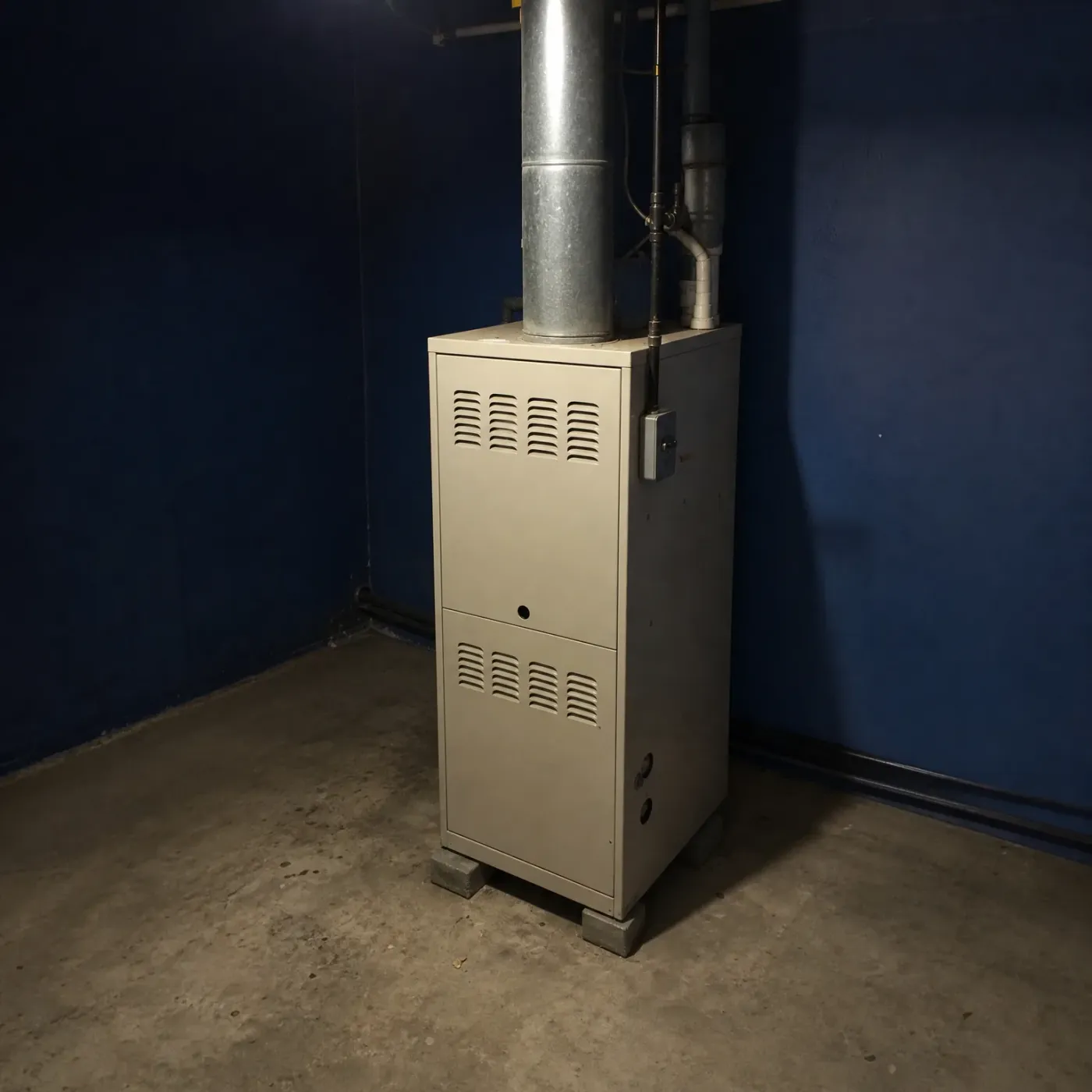
A beige upright furnace with louvered panels stands on concrete blocks in a basement corner with dark blue walls, connected to a metal flue pipe and gas piping.

Furnace

To heat your home here$2.31per 100,000 Btu

At California's gas and electricity prices, a gas furnace makes the same heat as a heat pump for at least 45% less.

Btu stands for British thermal unit, the standard measure of heat energy.

Where does a heat pump shine?

  • Made for mild winters

    Winter nights here average 39°F, which is well within the range a heat pump handles without strain. It can keep pulling heat from the outside air all winter without working much harder than it does in fall or spring.

    A navy blue front door with a brass knob on a light blue clapboard house, with a weathered wood porch, jute doormat, leather boots, and a blue glazed pot of evergreen branches and pinecones, beside frost-covered ground.
  • Steady, even comfort

    A heat pump runs long and low instead of blasting on and off. Rooms hold an even temperature all day.

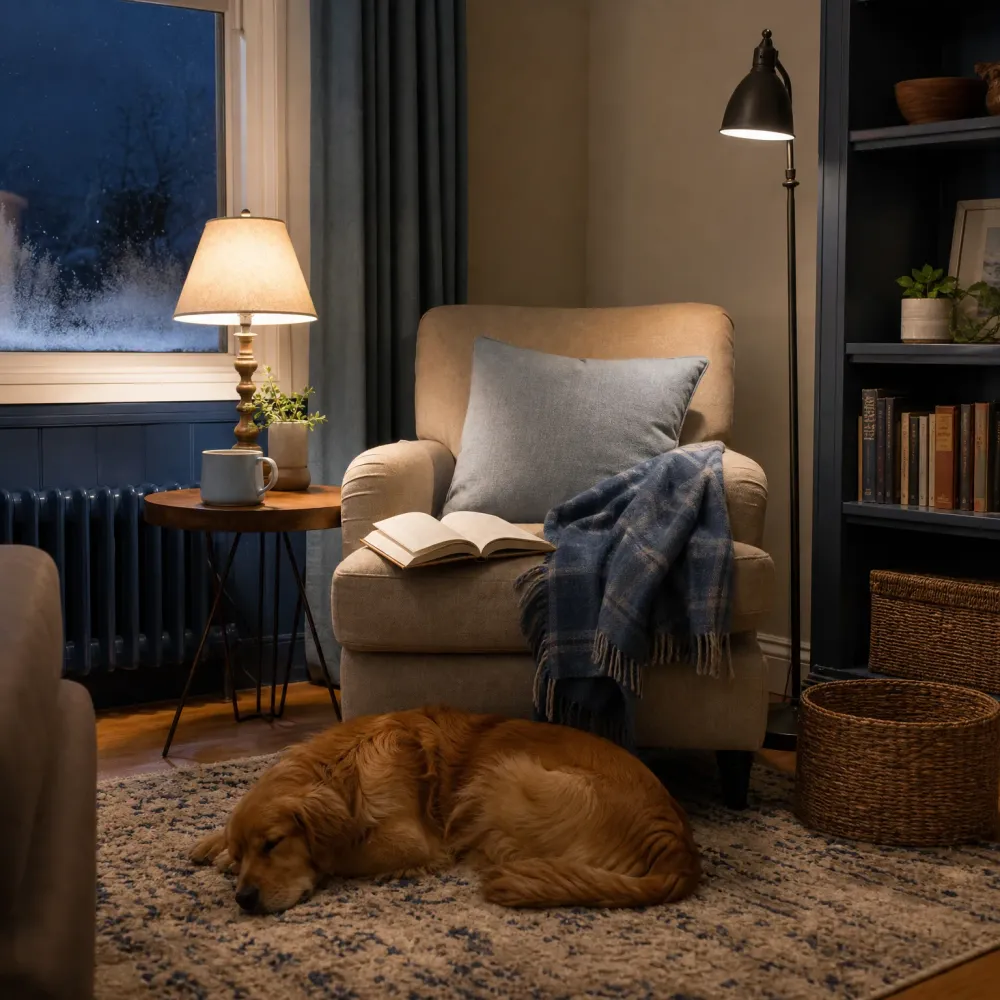
    A dimly lit interior corner with a beige armchair holding a gray cushion, plaid blanket and open book, a lit table lamp and mug on a round side table, a floor lamp, dark bookshelves, and a golden-colored dog sleeping on a patterned rug beside a window showing snow outside.
  • Heats and cools in one system

    A heat pump runs the same way all year. It pulls heat into the house in winter and pushes it out in summer.

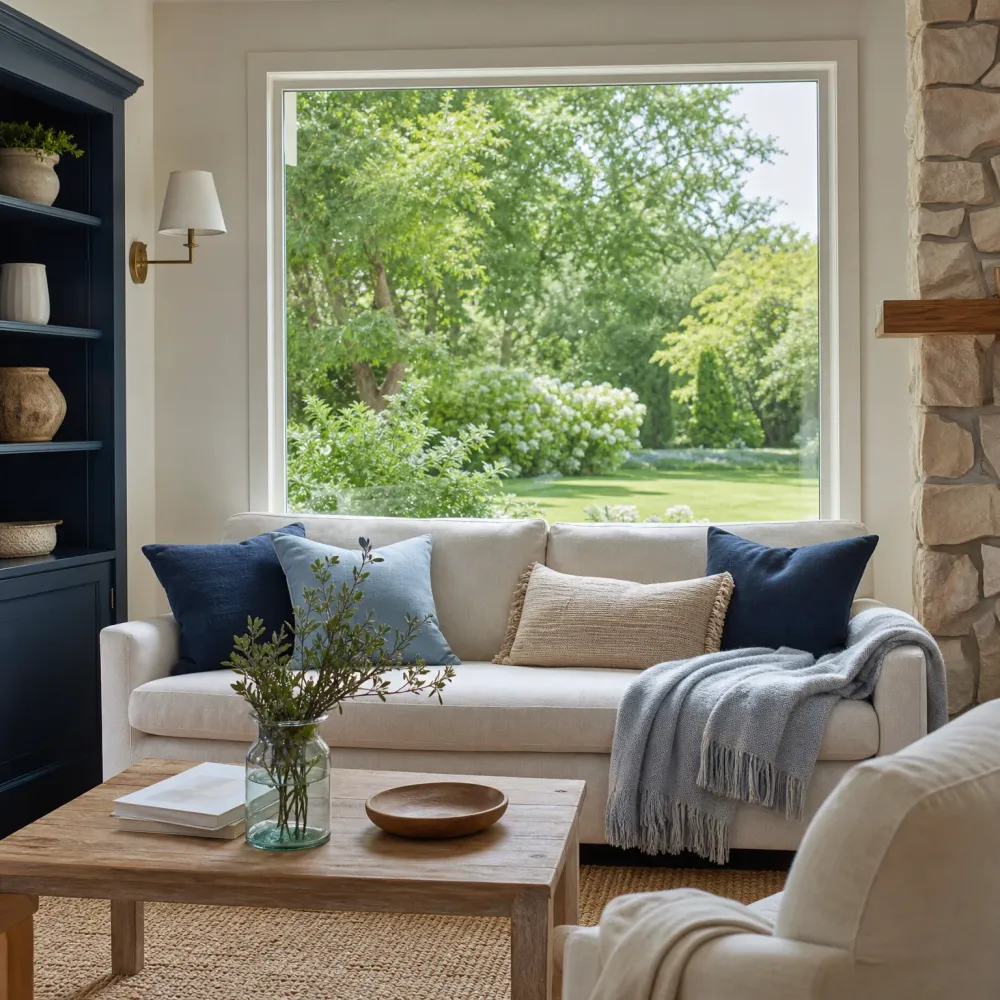
    Living room with a cream sofa holding navy and blue cushions and a grey fringed throw, a wooden coffee table with a glass vase of greenery, a dark blue built-in shelving unit, a stone column, and a large window looking onto a green garden.

Where does a furnace shine?

  • Runs on the gas most homes here already use

    Most homes in Santa Clara County already heat with gas, so a furnace just hooks into the line that's already run to your house. No new fuel source to add, nothing to change about how the home gets its gas.

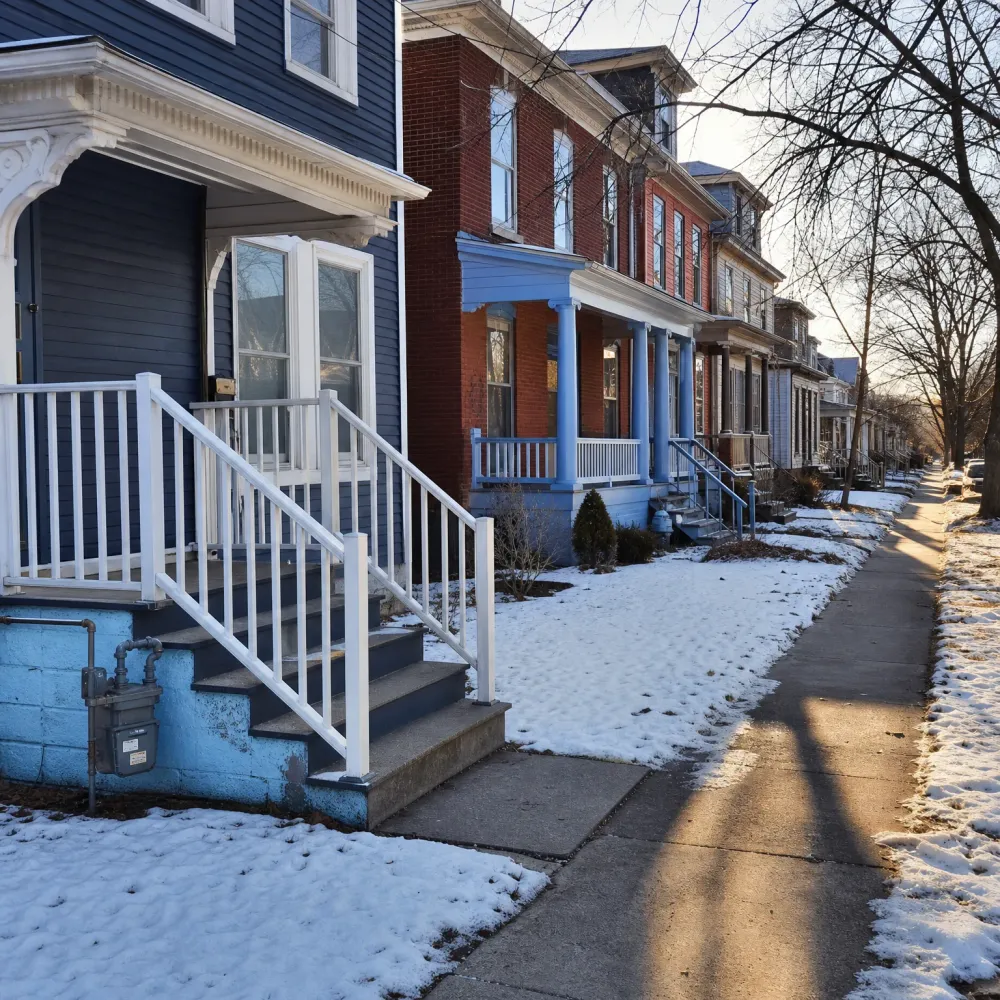
    A row of attached two- and three-story houses with porches and front steps along a snow-dusted sidewalk, with bare trees and low winter sunlight casting long shadows.
  • Fast, strong heat on demand

    A furnace pushes out hot air within minutes of switching on. A cold house warms up fast.

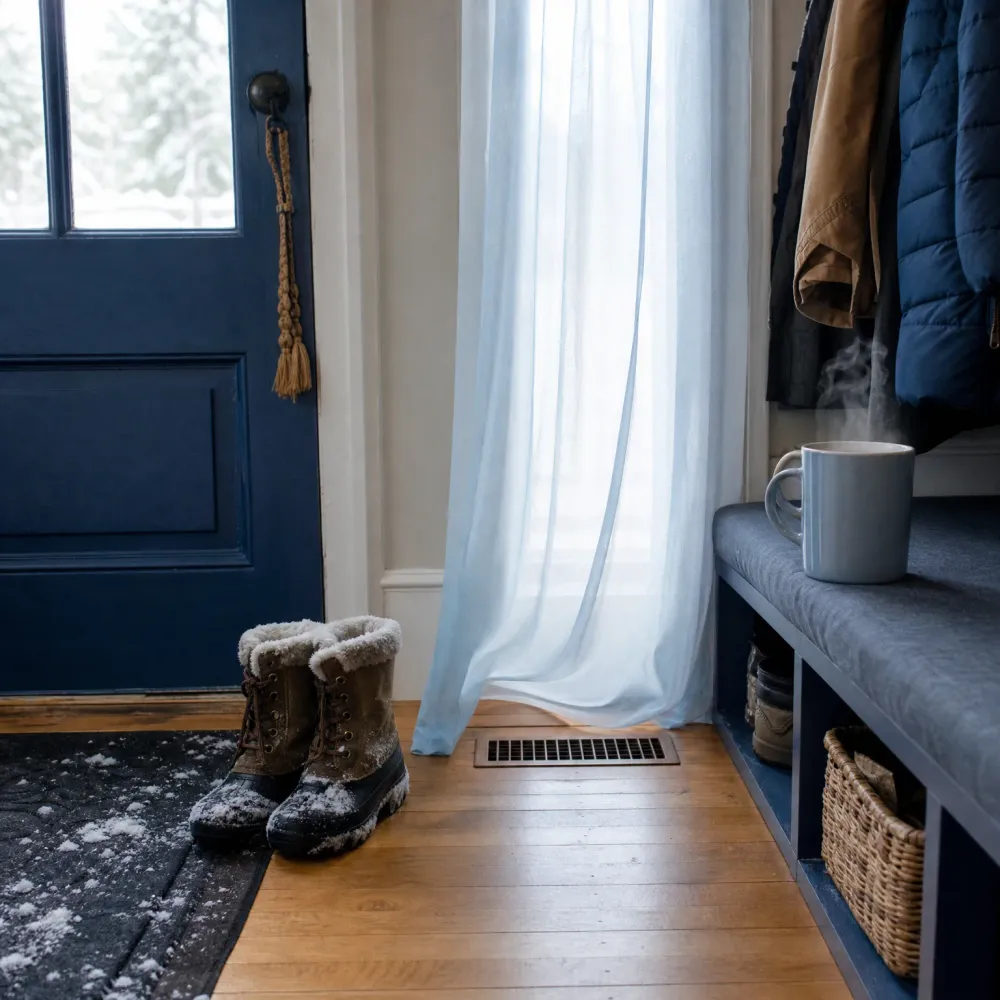
    Entryway with a navy door, snow-dusted boots on a dark mat, a floor vent in wood flooring, a sheer curtain, and a steaming mug on a cushioned bench with a basket beneath and coats hanging above.
  • Pairs with any central AC

    The ductwork that delivers heat in winter delivers cool air in summer once an AC coil is added.

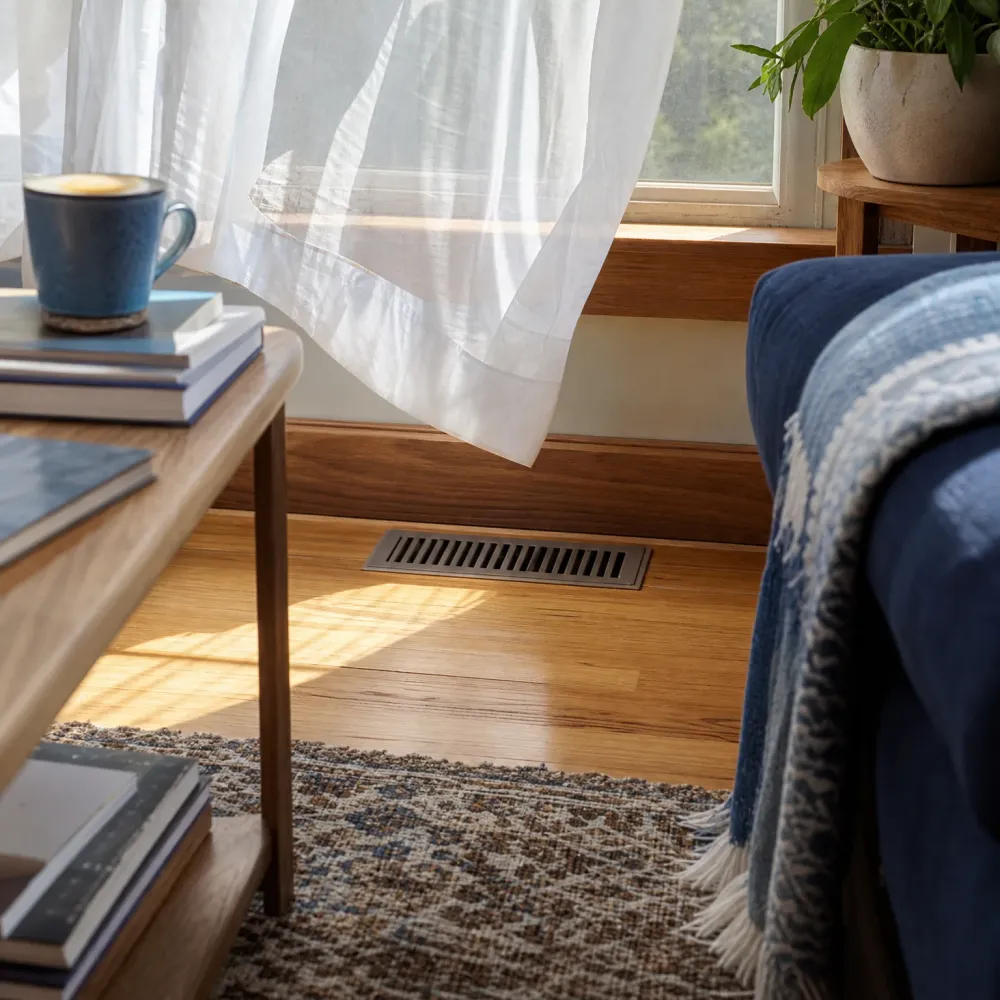
    A metal floor vent set in a wood floor near a baseboard and window with a sheer white curtain, with a wooden table holding books and a blue mug on the left and a blue sofa with a fringed throw on the right.

What this comes down to in Santa Clara County

Your winters here are mild, and that changes the math on a heat pump more than people expect. The overnight low averages 39°F through December, January and February. A heat pump does its best work in exactly that range. It struggles when the air outside gets cold, but your air rarely does. Nights at or below freezing happen about 7 times a year here, out of roughly 210 nights across the whole heating season. That's not a cold climate asking a heat pump to prove itself. It's a mild one.

Gas still costs less here. The running-cost band above puts a heat pump at $4.26 per 100,000 Btu and a furnace at $2.31, both at California's average fuel prices and both machines built to the federal minimum. That gap is real and it holds every month the heat runs. If the only question were the lowest number on the bill, the furnace wins it.

But heating is not the only job either machine will have to do. Heating runs about seven months a year here, November through May. Cooling runs about three, July through September. A furnace only heats. The other five months, it sits there doing nothing while a separate air conditioner handles the heat outside. A heat pump runs the same loop both directions and covers both jobs.
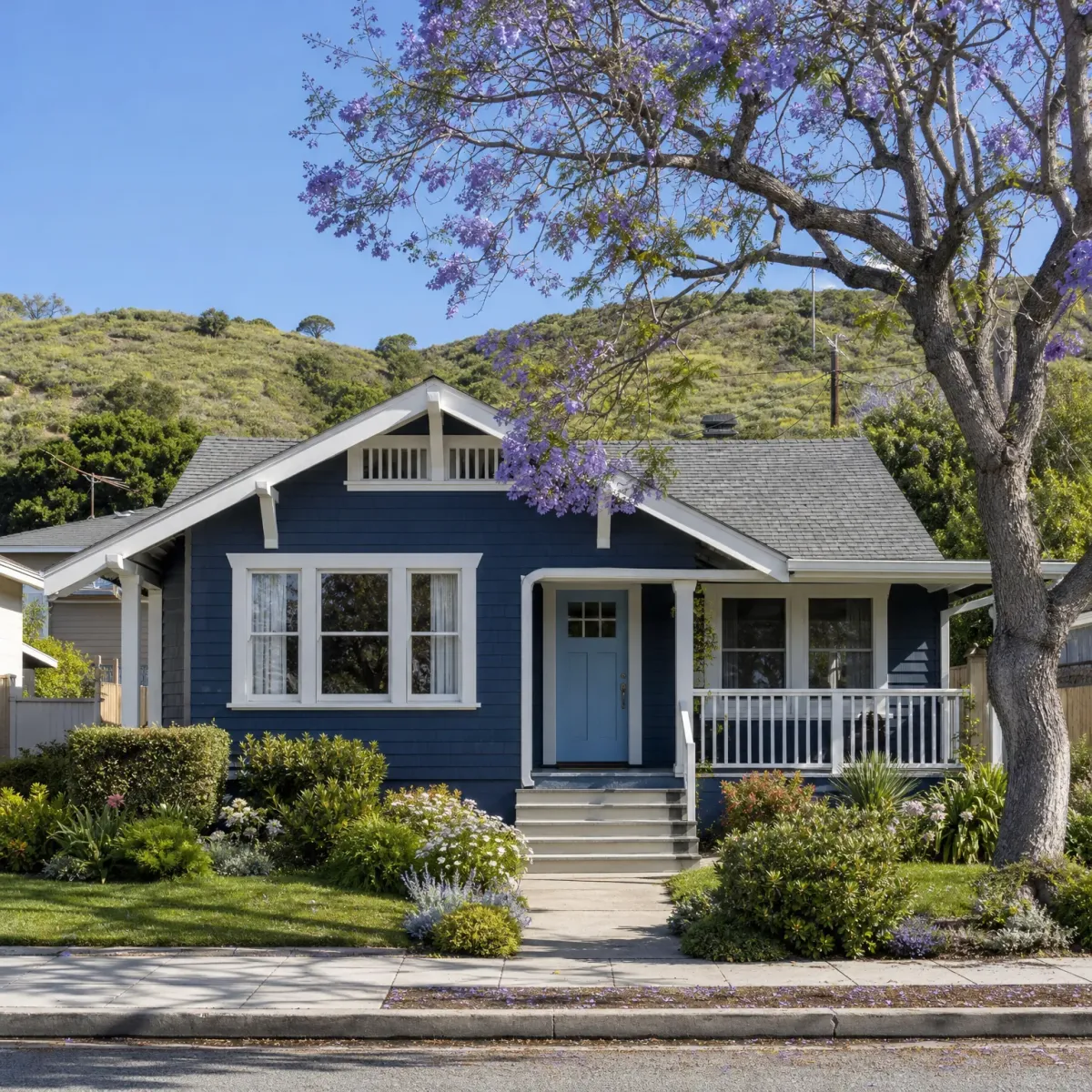
A navy blue single-story craftsman bungalow with white trim, a light blue front door, covered porch, and shingled roof, fronted by garden beds and a concrete walkway, with a flowering purple tree at right and a green hill behind.

What your neighbors already have

Utility gas heats 58.5% of homes in Santa Clara County, about three in five. Electricity heats 36.1%, a little over one in three. If your house is one of the gas majority, a gas line and venting are probably already in place, and a furnace is the simpler machine to put back in. If your home heats with electricity now, you already have the panel capacity and wiring a heat pump needs, and gas would have to be brought to the house to run a furnace at all.

So the choice splits on what you're optimizing for. If keeping the monthly heating cost as low as possible matters most, the furnace is cheaper to run at today's California prices, by a wide margin. If you'd rather have one system that heats all winter and cools all summer without owning a separate air conditioner, the heat pump does that, and your winters here are mild enough that it won't be straining against the cold to do it. Either way, check what's already running your house. The fuel it uses now is usually the cheaper path to the next one.

Sources: NOAA nClimDiv · NOAA 1991–2020 seasonal normals · EIA SEDS 2024 · 10 CFR 430.32 · Census ACS 2020–2024

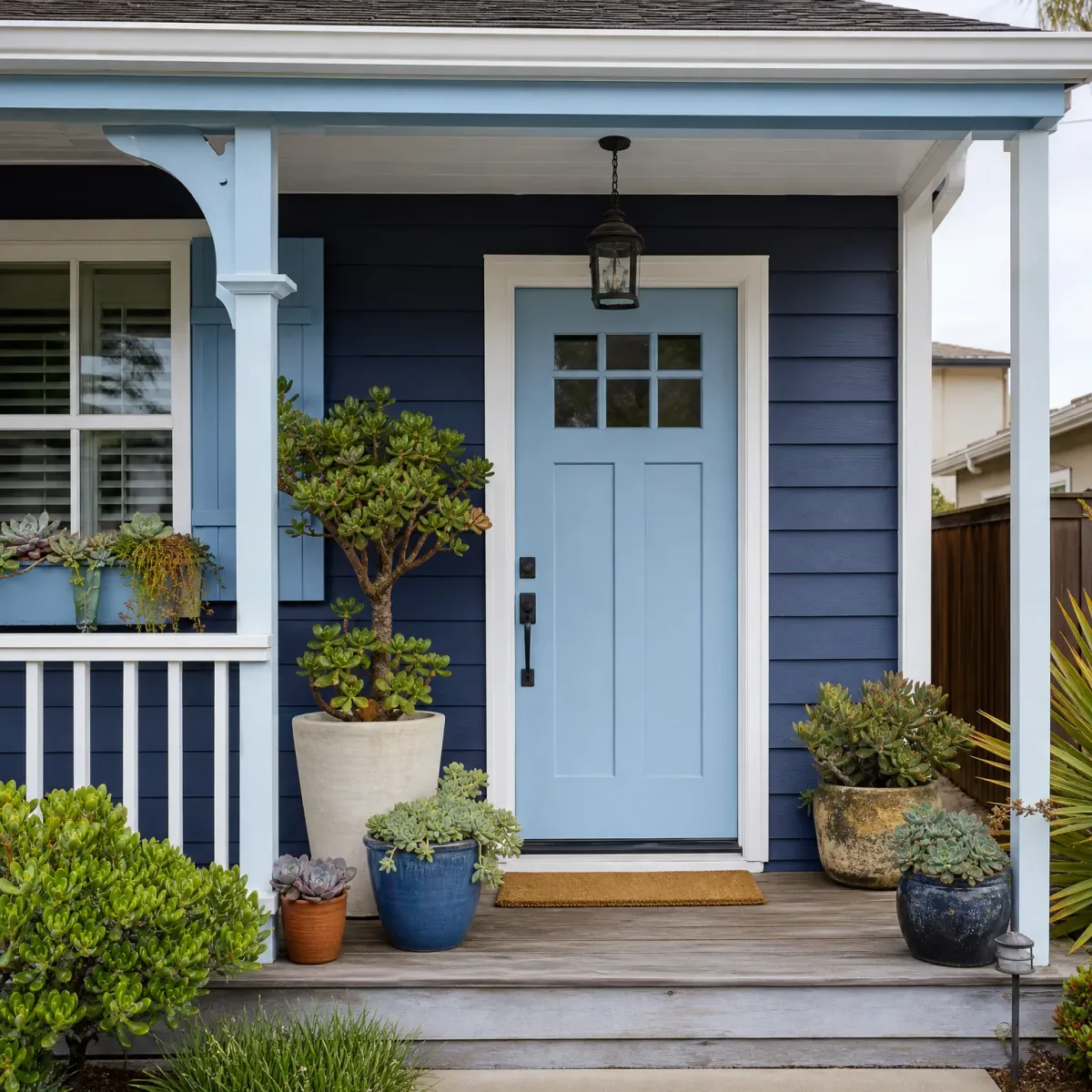
A navy blue house with a covered porch, white trim and columns, a light blue front door with six glass panes, a hanging lantern, a coir doormat, and potted succulents and a jade plant on the wooden deck.