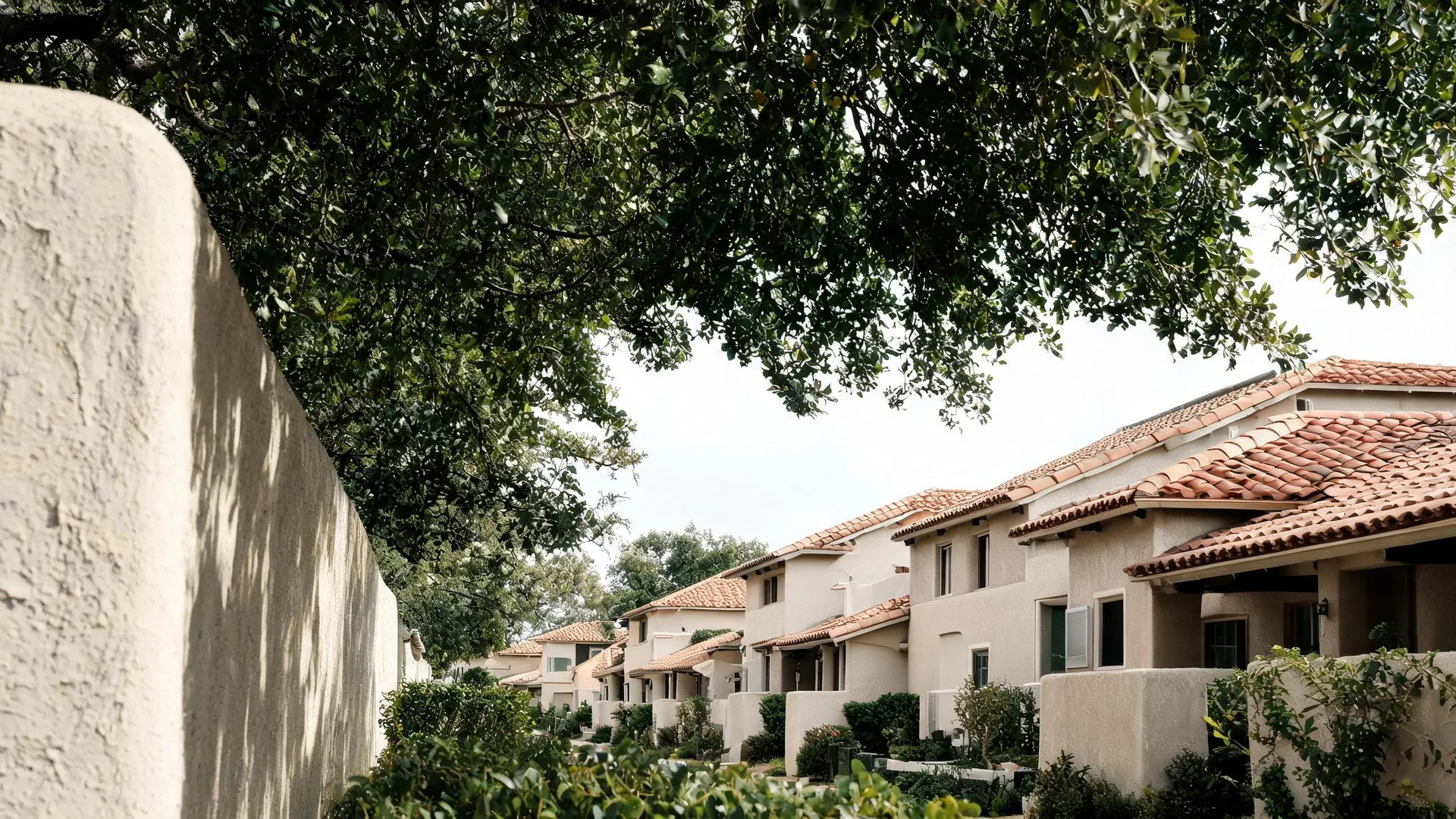



A row of stucco houses with red clay tile roofs recedes into the distance beside a tall white plaster wall, with overhanging tree branches and shrubs in the foreground under an overcast sky.

Furnace Repair in San Jose, CA

Tell us about the job

Takes about a minute. No obligation.

RepairFurnace or heatingSanta Clara County, CA
Step 1 of 2

What ZIP code is the job in?

Santa Clara County saw 298 severe weather events between 2015 and 2024, and 257 of those were damaging wind. Hail showed up 33 times in that same stretch. Wind and hail both go after whatever sits outside, and on a furnace that includes the flue vent and any intake or exhaust piping on the exterior wall. A dented flue or a vent pushed out of alignment can stop a furnace from venting exhaust the way it should, even while the furnace still lights and runs. If a storm came through and you haven't had the outside of the system looked at since, that's worth doing regardless of whether anything seems wrong right now.

7 months
November through May, your furnace is on duty
39°F
the average winter night it heats against
59%
of homes here heat with gas, so most furnaces here burn gas
3 winter storms
in ten years, the nights a failure hurts most
Isometric cutaway illustration of a single-story house with a dark shingled roof, showing interior rooms with furniture and a furnace connected to ductwork and a flue pipe extending above the roof.
Your furnace works hardest from November through April.

NOAA nClimDiv, 1991–2020 normals

Furnaces here sit unused from June through October.

November is when a weak igniter or a cracked heat exchanger finally gets found.

Seven months of work a year is a light load

Heat runs November through May
Winter nights average 39°F
Climate zone 3C

A furnace that only runs seven months a year isn't fighting the same wear as one that runs nine or ten. So when something does go wrong, a worn igniter, a tripped limit switch, a flame sensor that's stopped reading clean, it's usually one part past its tolerance rather than a system worn down from the job. That's good news for a repair call. A tech can confirm what's failing once they're in front of it, and because the rest of the furnace hasn't been under heavy strain, fixing that one part is usually the right call rather than a sign of more trouble underneath. If your furnace came with the house, mention its age when you call. That tells a tech more than how often it's run.

Get the vent checked, not just the furnace

If a storm has come through since your furnace last ran, have the flue and any exterior venting checked along with whatever repair you're calling about. It still counts even if the furnace is lighting and heating fine right now.

Find a contractor
A gray high-efficiency gas furnace installed in an unfinished basement, surrounded by gas lines, a condensate drain, and sheet-metal ductwork.

What actually wears out inside a furnace

Most furnace failures trace back to a handful of parts, and almost all of them show warning signs before they quit outright. The igniter is the most common one. It heats up to light the burners, and the heat-cool cycle every time it fires wears it down until it cracks or stops glowing hot enough to catch the gas. A flame sensor collects a coating over time and starts telling the control board no flame is present even when there is, so the furnace shuts itself down as a safety measure. Limit switches trip when airflow across the heat exchanger isn't enough to carry the heat away, which usually points back to something restricting air rather than the switch itself being at fault. The heat exchanger is the one that matters most. It cracks from repeated expansion and contraction as it heats and cools, and once it's cracked it gets replaced, not patched, because it separates the combustion gases from the air moving through the house. Inducer motors fail the way any motor does. Bearings wear and the motor gets loud or stops pulling exhaust through the flue. A furnace that only runs part of the year still puts every one of these parts through a full cycle each time it fires, just fewer times over its life, which is why a light workload shows up as parts lasting longer, not as different parts failing.

What's worth checking yourself

Start with the thermostat. Make sure it's set to heat and the setting is above room temperature, and change the batteries if it uses them. Check the air filter next. A filter clogged with dust chokes airflow across the heat exchanger and can trip the limit switch, shutting the furnace down before it overheats. Look at the switch on the furnace itself and on the wall nearby, sometimes labeled as a light switch, and confirm it hasn't been bumped off. Check the breaker at your electrical panel too. If the furnace uses a standing pilot, see whether the pilot light is lit, and if it has gone out, the manual should walk you through relighting it.

When to stop and call someone

Shut the furnace off and call if you smell gas, see soot around the furnace or its vents, or notice the flame burning yellow instead of blue. Those point to a combustion problem, not something to troubleshoot further on your own. The same goes if the furnace trips its breaker more than once or if you hear it clicking repeatedly without lighting. A furnace that short cycles, meaning it starts and stops in quick bursts, is telling you something is restricting airflow or a sensor is misreading the flame, and that's a job for someone with the tools to test the parts rather than guess at them.

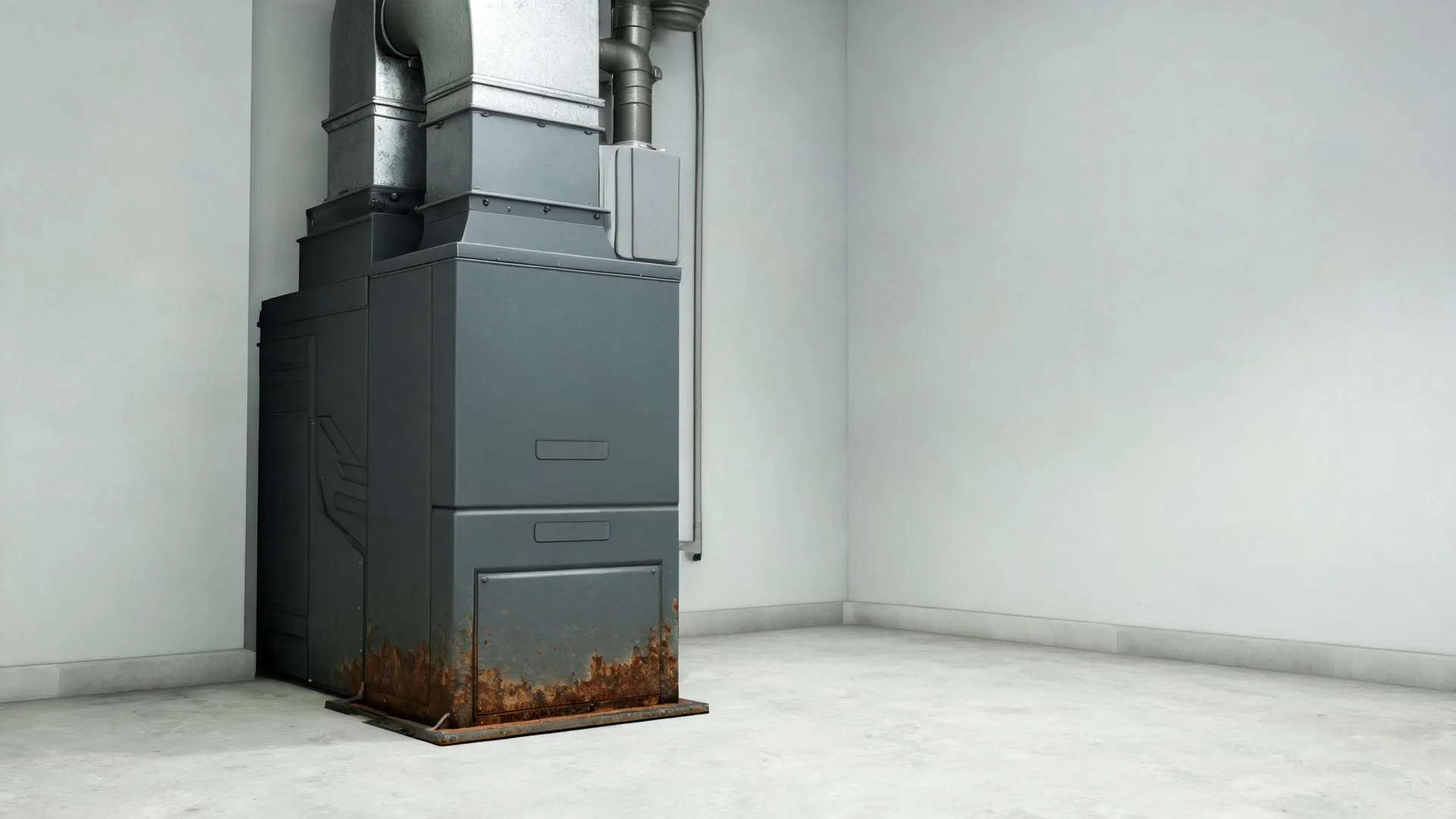
A gas furnace and sheet-metal air handler unit installed in an unfinished concrete basement.

A new furnace would cut about $70 a year off heating for a typical Santa Clara County home.

  • A new high-efficiency furnace$310 a year
  • An older furnace$380 a year

Estimates for a typical Santa Clara County home, compared with an older unit built to the previous federal minimum, from EIA household energy data, California fuel prices and NOAA climate normals. Your home will differ.

Repair makes sense when one part has failed and the heat exchanger is sound.

Replacement makes sense when the heat exchanger is cracked or the furnace keeps needing parts.

A diagnostic visit starts before the panels come off. A tech will ask when the trouble started and what the furnace is doing, lighting late, shutting off early, running but not heating, because that narrows down which parts to check first. Then they pull the panel and watch it run through a full cycle, since some faults only show up during ignition or right before shutdown. They'll test the igniter and flame sensor with a meter rather than going by looks, check for the right gas pressure at the valve, and confirm the inducer motor is pulling exhaust the way it should. Airflow gets checked too, since a weak limit switch reading is often air movement, not the switch. The exchanger gets inspected for cracks last, because that finding changes the conversation from repair to replacement.