






A single-story stucco house with a shingled roof sits behind a lawn, framed by large spreading oak trees and foreground agave and succulent plantings.

Heat Pump Repair in Salinas, CA

Tell us about the job

Takes about a minute. No obligation.

RepairHeat PumpMonterey County, CA
Step 1 of 2

What ZIP code is the job in?

Winters in Salinas stay mild. Overnight lows average 38°F through December, January and February, so a heat pump here isn't fighting single digit cold like it would inland. Less strain on the compressor over the years. When a heat pump in Salinas starts short cycling or blowing cool air, age or a worn part is the more likely explanation, not a system that's been pushed too hard. That usually means a repair can bring it back rather than pointing to a unit that's simply worn out.

7 months
November through May, your system heats
3 months
July through September, it cools
38°F
the average winter night it heats against
85°F
the average summer afternoon it cools against
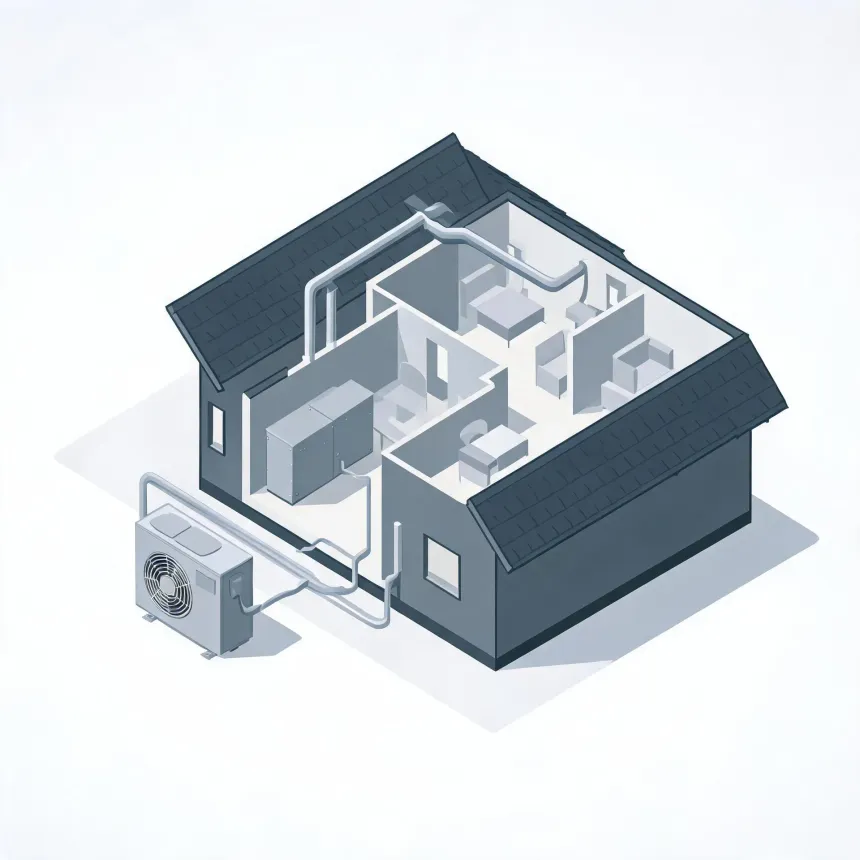
Isometric grayscale illustration of a cutaway house showing interior rooms, ductwork and an indoor air handler connected by lines to an outdoor condenser unit on the ground outside.
Your system heats November through May and cools July through September.

NOAA nClimDiv, 1991–2020 normals

Heat here runs November through May, seven months straight once it starts.

October is when to get a heat pump checked, before that first cold night finds the weak part.

Salinas doesn't put extra strain on a heat pump. When one acts up, the cause is usually just a worn part

178 severe weather events from 2015 to 2024
17% of homes statewide lost power a day or more in 2024
156 damaging wind events from 2015 to 2024
A working heat pump earns its keep hereElectricity here runs 31.97 cents a kilowatt-hour, so a heat pump that's running right matters more than most places.

Half the homes in Monterey County were built in 1976 or earlier, half in 1976 or later, and that split doesn't point to anything in particular. A heat pump in an older Salinas home draws on the same wiring and refrigerant lines as one in a newer house. What wears out is the part itself, not the house around it. A contactor pits from years of cycling on and off. A capacitor loses its charge. A reversing valve sticks from age. None of that has to do with when the house went up or what's in its walls. Worth having someone check what's actually failed before assuming the system is done.

A mild climate means your heat pump is likely worth repairing

A heat pump that's spent years in mild weather is usually a sound machine with one bad part. Worth getting that part found and fixed rather than written off.

Find a contractor
A man in a dark jacket and tan pants, seen from behind, carries a canvas tool bag up concrete steps toward a blue front door of a house with light horizontal siding and a potted shrub in a blue planter.
A gray heat pump outdoor unit mounted on a concrete pad next to a residential house with lap siding and stone accents.

The signs show up before the system quits

A heat pump that runs warm but not warm enough, or takes longer than it used to reaching the set temperature, is telling you a part is wearing down. Short cycling, where it kicks off just minutes after starting, points the same way. So does ice on the outdoor coil that doesn't clear during the defrost cycle, or a clicking at startup that wasn't there before. A hum with no airflow behind it usually means the compressor is trying to start and can't. None of these mean the system is done. They mean one part, a capacitor, a contactor, a reversing valve, has reached the end of its life while the rest of the unit is fine. Caught at this stage, it's a part swapped out, not a system replaced.

A stuck reversing valve won't fix itself

If a heat pump gets stuck in one mode, running it doesn't help the valve work free. The compressor keeps pushing refrigerant against a path that's partly blocked, and that's harder on it than normal operation. Shutting the system off and getting the valve looked at spares the compressor that strain.
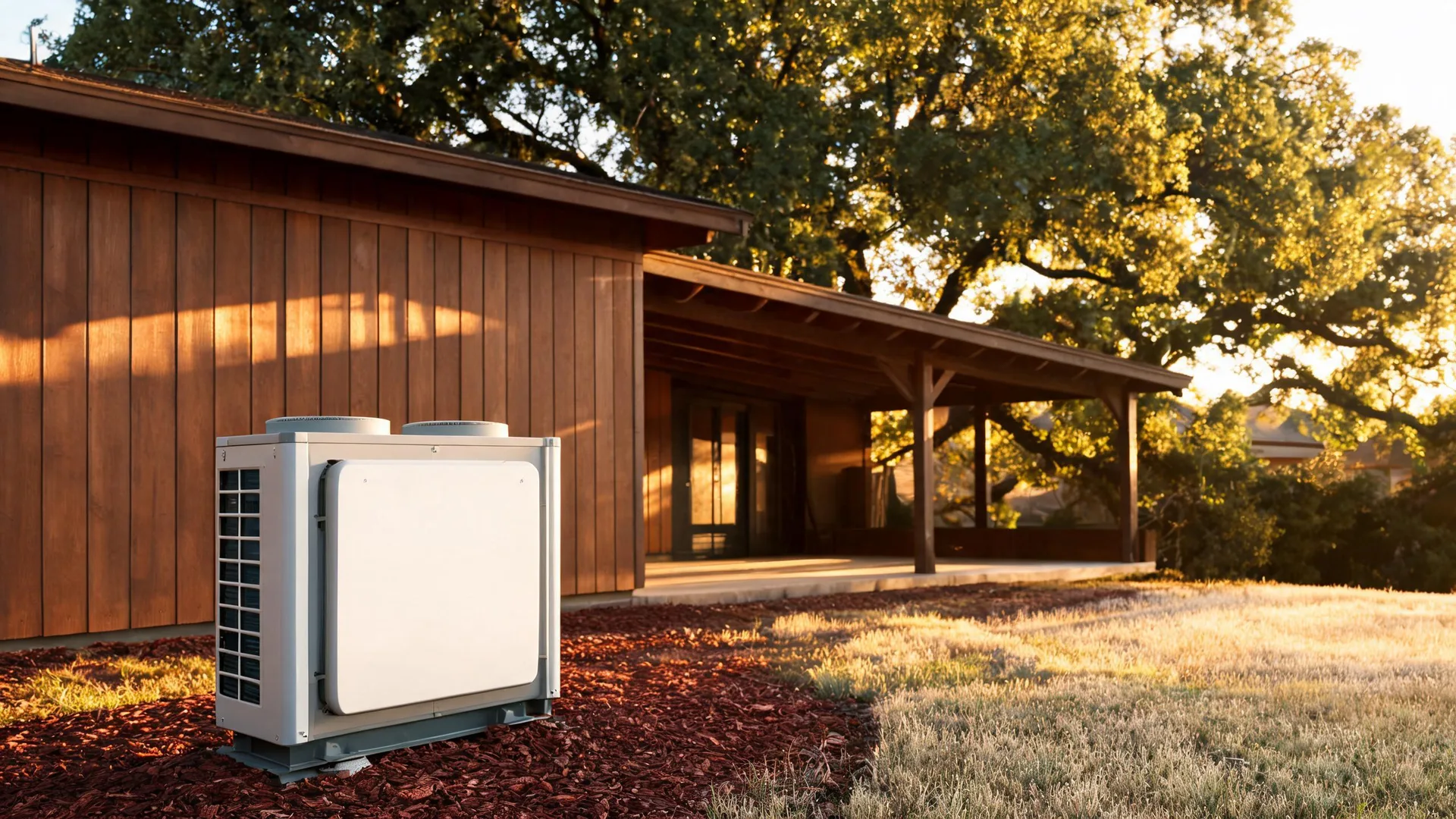
Ice on the coil needs airflow, not more run time

A coil that's icing over and not clearing during defrost usually means airflow is restricted or the defrost control isn't working right. Leaving the unit running lets the ice build thicker, which blocks airflow further and makes the compressor work against a coil that can't do its job.

Most heat pump failures start with the same handful of parts. The capacitor gives the compressor and fan motor the jolt they need to start, and it weakens with age until the start gets harder each time. The contactor is the switch that sends power to the outdoor unit, and its contacts pit a little more with every cycle until they stop closing right. The reversing valve, the part that switches the system between heating and cooling, can stick in one position if it's gone years without fully shifting. Refrigerant doesn't get used up, so a system low on charge has a leak somewhere in the lines or coil. Outdoors, the coil picks up dirt and debris over time, and a coil that can't move air the way it should makes the whole system work harder to do the same job.

A diagnostic visit starts outside at the unit itself, checking refrigerant pressures, electrical connections and how the compressor sounds when it kicks on. Inside, the tech checks the air coming out of the vents, how warm it is and how steady. Gauges on the refrigerant lines show whether the charge is right or whether there's a leak pulling it down. A meter across the capacitor shows whether it's still holding its rating or has drifted low. The contactor gets a look too, since pitted contacts are easy to spot once the cover is off. None of this takes guesswork. The readings either match what a healthy system should show or they don't, and that's what points to the part that's actually failing.