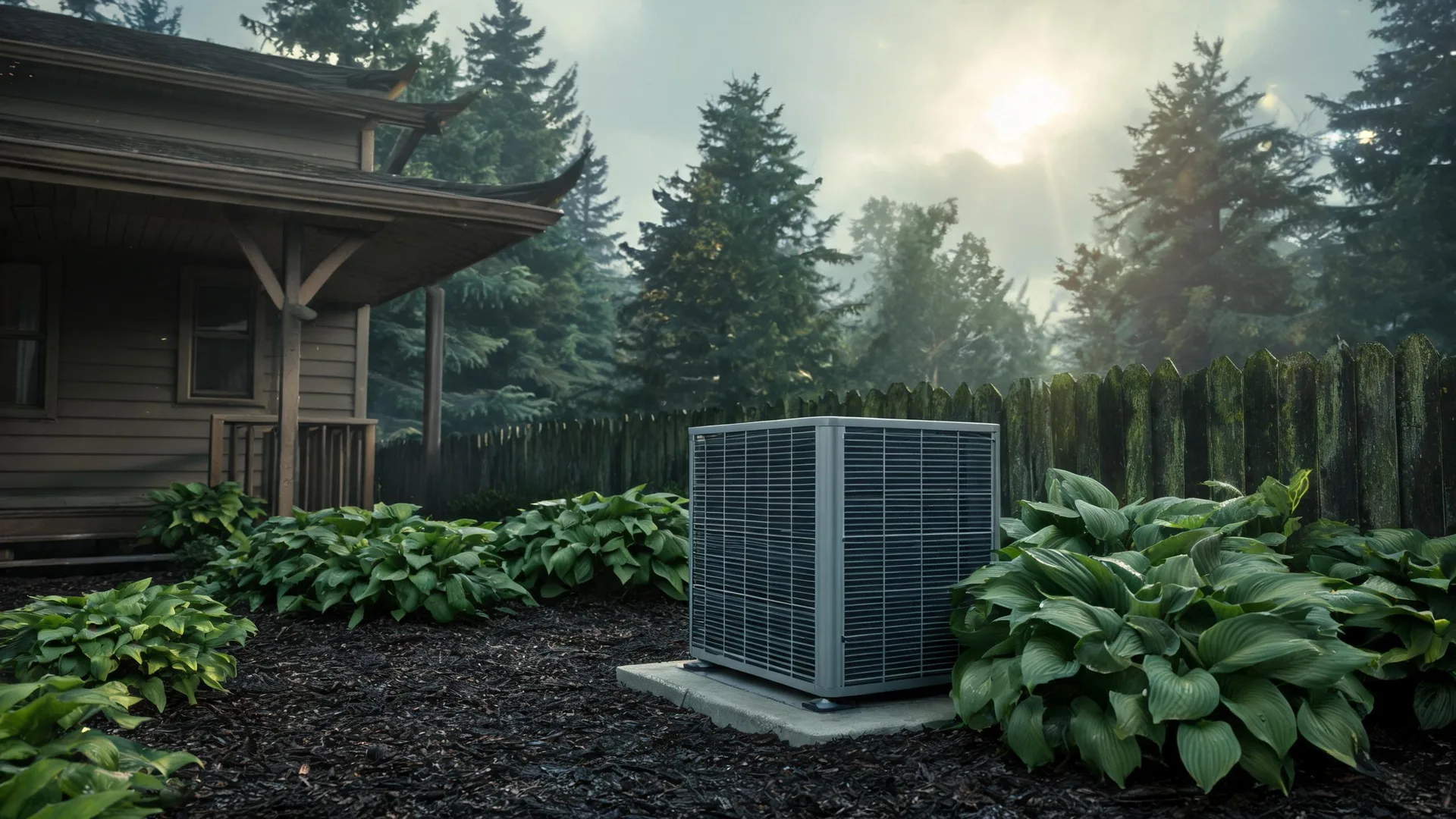
A grey residential air-conditioning condenser unit mounted on a concrete pad beside a house, photographed at sunset.

Heat Pump Repair in San Mateo, CA

Tell us about the job

Takes about a minute. No obligation.

RepairHeat PumpSan Mateo County, CA
Step 1 of 2

What ZIP code is the job in?

Storms come through often

San Mateo County logged 282 severe weather events between 2015 and 2024, with damaging wind behind most of them. A heat pump's outdoor unit sits outside through all of it, taking wind-blown debris against the coil and cabinet.

A unit can look fine and not be

Bent fins or a dented cabinet do not always stop a heat pump from running. If a storm has come through, it is worth having the coil and fan checked even while the system is still putting out heat or cool air.

7 months
November through May, your system heats
43°F
the average winter night it heats against
73°F
the average summer afternoon it cools against
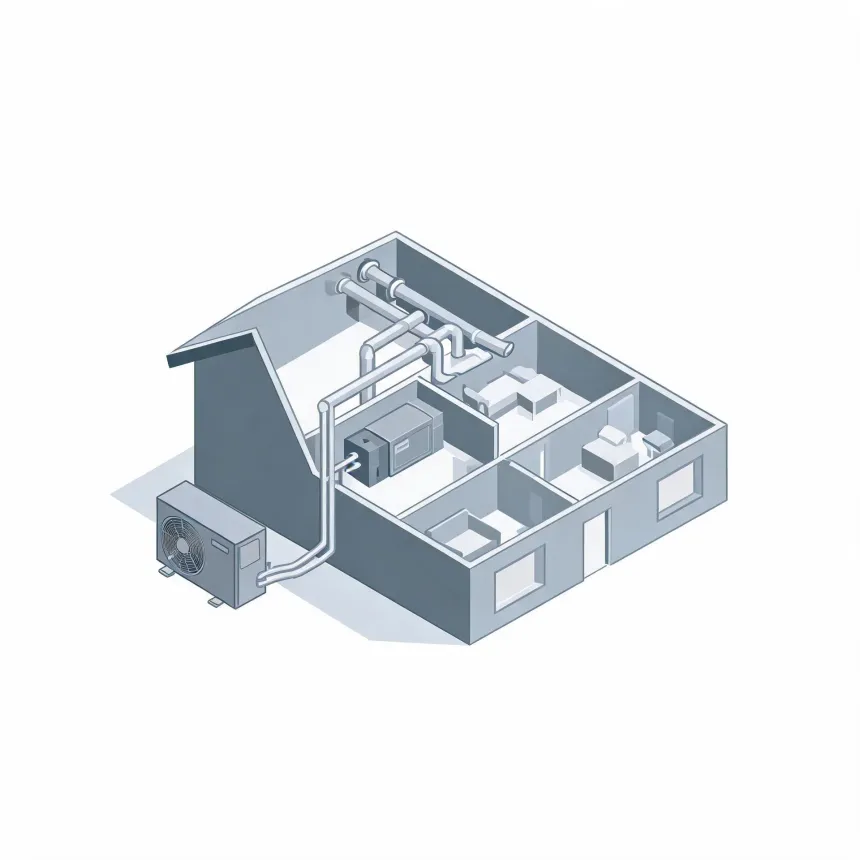
Isometric grayscale illustration of a cutaway house showing interior rooms, ducted air handler and duct runs, connected by pipes to an outdoor condenser unit beside the building.

Electricity in San Mateo County averages 38.23 cents per kilowatt-hour, among the highest rates in the country.

A heat pump that's low on charge or straining to run costs more here with every hour it stays broken.

Half the homes here were built before heat pumps were common

Half the homes here were built by 1966
266 damaging wind events from 2015 to 2024
9 hail events from 2015 to 2024
November Is When Weak Units FailHeat here starts running in November, and homes here run it through May.

A heat pump outside in San Mateo County isn't fighting the air the way it would somewhere muggy. Summer dew points here average 54°F, lower than most of the country, so the outdoor unit isn't pulling moisture-heavy air across the coil all season. Hail is rare too, just 9 events logged countywide between 2015 and 2024. Less moisture and less hail wear means the coil and cabinet often hold up well for years. When a heat pump here breaks down, age or a neglected filter is usually behind it more than the climate. That's good news for a repair call: there's a decent chance the rest of the system is still sound underneath.

If a storm came through recently, get the outdoor unit checked now

A heat pump that still runs after a storm can be hiding bent fins or a dented coil. Have the coil and fan looked at before the next cold stretch asks more of it.

Find a contractor
A man in a cap, dark jacket and tan pants walks up porch steps toward a navy blue front door, carrying a canvas tool bag filled with hand tools, with a potted plant in a blue planter to the right.
A gray air-source heat pump mounted on a concrete pad next to a house with gray vinyl siding, surrounded by gravel and flanked by green shrubs and white hydrangea flowers.

Years of light work, not years of strain

If the system has been running fine for years, a repair is usually the right call rather than a sign to replace it. The outdoor unit hasn't taken the beating it would somewhere with heavy, humid air pressing on the coil year after year. A technician can confirm the coil and compressor are still in good shape before putting money into the repair.

A refrigerant leak gets worse with every hour of runtime

A heat pump low on refrigerant makes the compressor work harder to move heat. The compressor relies on refrigerant passing through it to stay cool. Run it low for long enough and it can overheat and fail for good, turning a leak repair into a compressor replacement.

A frozen coil needs the system off, not more runtime

Ice on the outdoor coil blocks airflow, and a heat pump will keep trying to run through it. That traps heat inside the compressor instead of moving it where it belongs. Shutting the system down and calling for service protects the compressor; letting it cycle against a frozen coil does not.

Most heat pump failures trace back to a handful of parts. The capacitor that kicks the compressor and fan motors on wears out over time and is one of the most common reasons a unit stops responding. The reversing valve, which switches the system between heat and cool, can stick in one position and leave the house getting the wrong one. Contactors pit and burn from years of opening and closing, eventually failing to make contact at all. A dirty filter or a coil caked with dust and debris forces the whole system to work harder, and that extra strain shortens the life of the compressor, which is the most expensive part to replace. Low refrigerant almost always means a leak somewhere in the lines, not normal use, since a sealed system doesn't consume refrigerant on its own.

Half the homes here were built in 1966 or earlier, well before heat pumps were standard equipment. If yours is one of them, the heat pump may not be the original system, but there's no way to know that from the outside. Before paying for a major repair like a compressor or reversing valve, ask the technician how much life is left in the unit, not just what the fix costs. A compressor replacement on a system already near the end doesn't make sense the same way it does on one with years ahead of it. Get the age and condition on the table first, then decide what the repair is worth.