

A row of white stucco buildings with red clay tile roofs behind shrubs and garden beds, seen past a tall stucco wall under overhanging oak branches.

Furnace Repair in San Bernardino, CA

Tell us about the job

Takes about a minute. No obligation.

RepairFurnace or heatingSan Bernardino County, CA
Step 1 of 2

What ZIP code is the job in?

San Bernardino County recorded 557 severe weather events over the past decade, including 425 damaging wind events and 13 hail storms. That's a lot of chances for an outdoor unit to take a hit it doesn't show on the outside. Wind-driven debris can bend the fins on a condenser coil or crack a fan blade without stopping the unit from running. A furnace tied to that same system can keep firing up for weeks before the strain shows as a bigger failure. If anything blew through hard enough to notice, it's worth having the unit looked at even if the heat still comes on.

5 months
November through March, your furnace is on duty
39°F
the average winter night it heats against
71%
of homes here heat with gas, so most furnaces here burn gas
89 winter storms
in ten years, the nights a failure hurts most
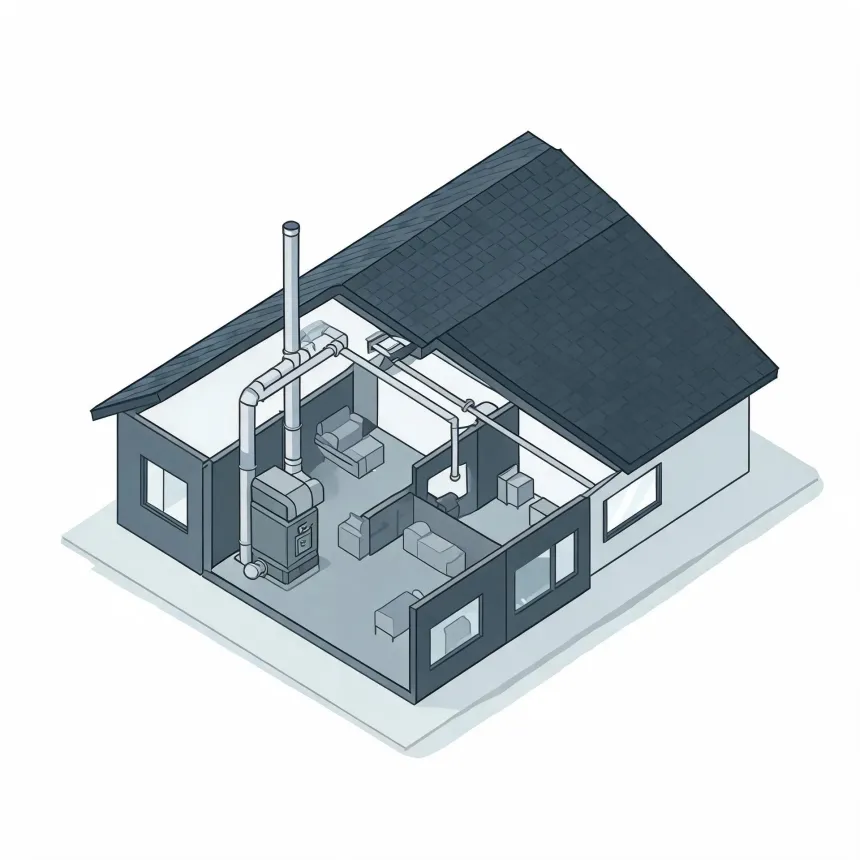
Isometric cutaway illustration of a single-story house showing interior rooms with furniture, a furnace unit connected to ducting and vertical flue pipes running through the roof.
Your furnace works hardest from November through February.

NOAA nClimDiv, 1991–2020 normals

Half the homes in San Bernardino County were built in 1983 or later.

A furnace that came with a newer house usually has years left in it, which makes repair the right first call.

Five months of mild nights a year, that's a light workload for a furnace

Heat runs November through March
Winter nights average 39°F
89 winter storms from 2015 to 2024
November is when it gets testedFurnaces here run November through March. October is worth a check before that first cold night.

A furnace doesn't take the hit a condenser does, but it shares a breaker, a gas line, and sometimes a flue with equipment that sits outside in the weather. If a winter storm knocks power out for a day, the furnace shuts down cold and starts cold when the power comes back, no different from flipping the switch yourself. The real risk is after wind or ice damages something nearby, a vent cap knocked loose, a line jarred at the connection, and nobody checks because the furnace still lights. Ask a technician to look at the flue and the connections anytime something blew through hard enough to leave a mark elsewhere on the house.

A furnace with this little strain on it is usually worth fixing

A furnace that isn't working hard most of the year usually has a specific problem, not a worn-out system. Five months of mild nights a year means a repair now is likely to hold.

Find a contractor
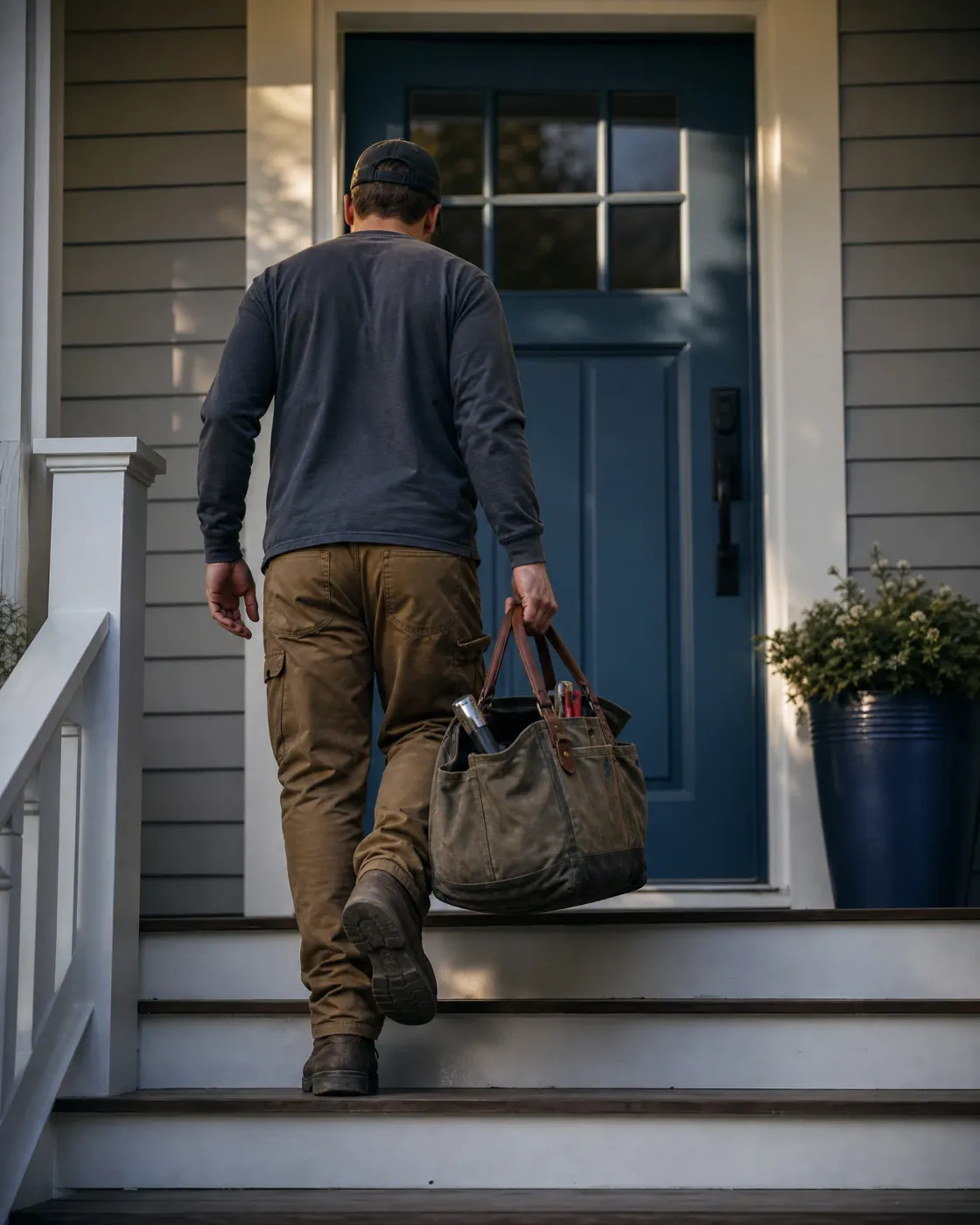
A man in a cap, dark long-sleeve shirt and tan work pants climbs porch steps toward a blue front door, carrying a waxed canvas tool bag with tools visible inside.
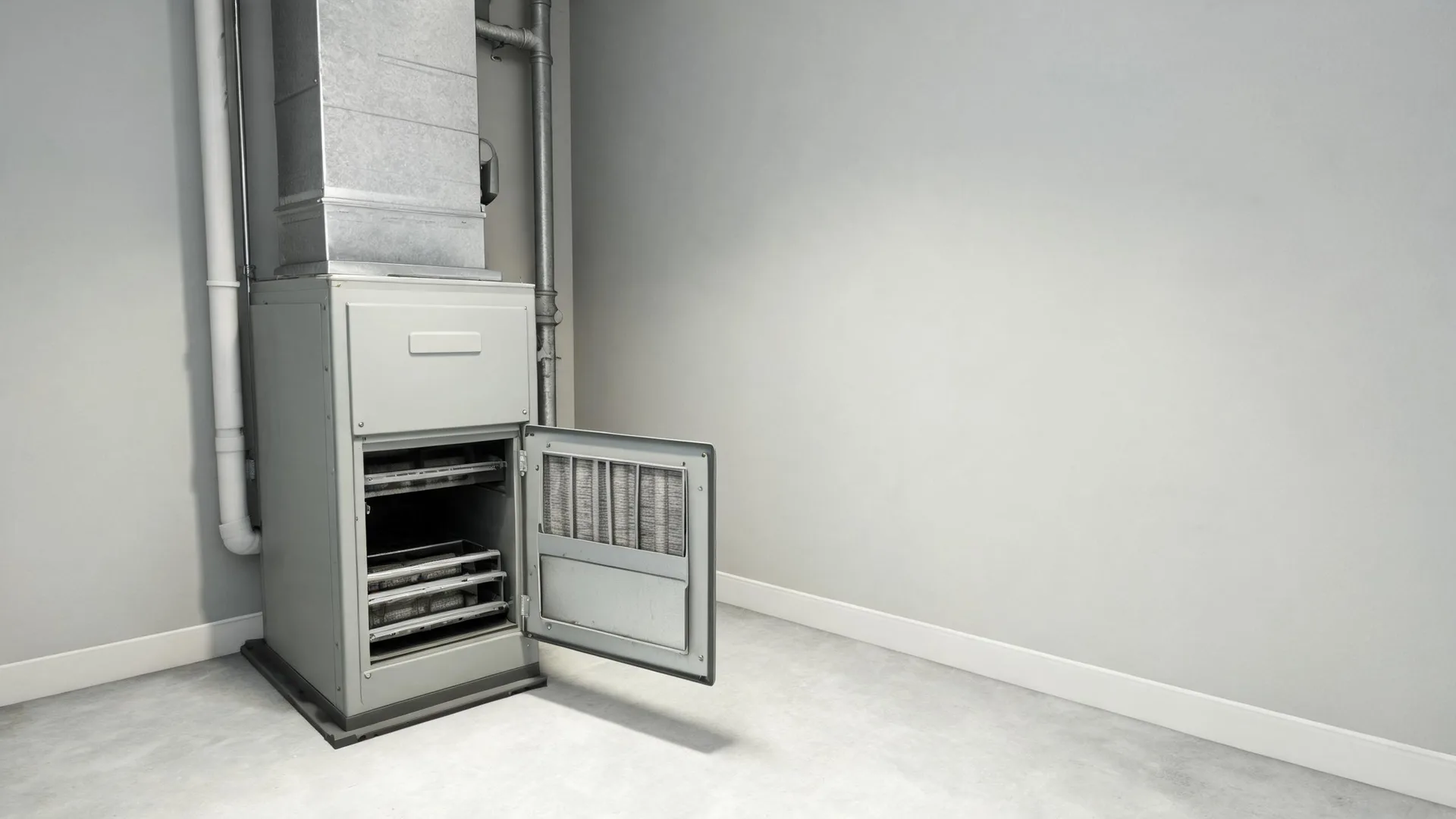
A gray gas furnace with attached ductwork and piping installed in an unfinished concrete basement.

A newer furnace is worth calling about, not replacing

If the furnace came with the house and the house is newer, get the specific problem diagnosed rather than pricing a replacement. A furnace that age has had five winters a year at most on it, not the hard years that wear a system out. Ask the technician what's actually failed before deciding it's time to replace anything.

A smell is not something to wait on

A furnace that smells like burning dust when it first kicks on after sitting idle is normal for a few minutes. A smell that lingers, or anything closer to a rotten egg smell, means stop using it and get a technician out. That second smell points to a gas leak, and it is not a wait and see situation.

Short cycling wears out the part that's already struggling

A furnace that fires up, runs briefly, then shuts off and starts again is short cycling. It usually means a flame sensor that needs cleaning, a clogged filter choking airflow, or a cracked heat exchanger tripping a safety switch. Each cycle puts more strain on the igniter and the blower motor, so the longer it runs this way, the more parts it can take down with it.

An unfinished basement containing a gas furnace with ductwork in the foreground and miscellaneous stored items along the far concrete wall.

A new furnace would cut about $50 a year off heating for a typical San Bernardino County home.

  • A new high-efficiency furnace$230 a year
  • An older furnace$280 a year

Estimates for a typical San Bernardino County home, compared with an older unit built to the previous federal minimum, from EIA household energy data, California fuel prices and NOAA climate normals. Your home will differ.

Repair makes sense when one part has failed and the heat exchanger is sound.

Replacement makes sense when the heat exchanger is cracked or the furnace keeps needing parts.

A diagnostic starts before any panel comes off. The technician asks what the furnace is doing, when it started, and whether anything changed right before it started, a breaker tripped, a smell, a noise. Then the panel comes off and the obvious things get checked first. The filter. The flame through the sight glass. Whether the igniter glows or the flame sensor reads properly. A control board with error codes gets checked too, since those point at what the furnace itself caught before it shut down. Airflow gets checked as well. A blower working against a blocked vent or a dirty filter can look like a burner problem when it isn't one. Most of the time the cause is one part, not a general decline, and the visit ends with that part named rather than a guess.