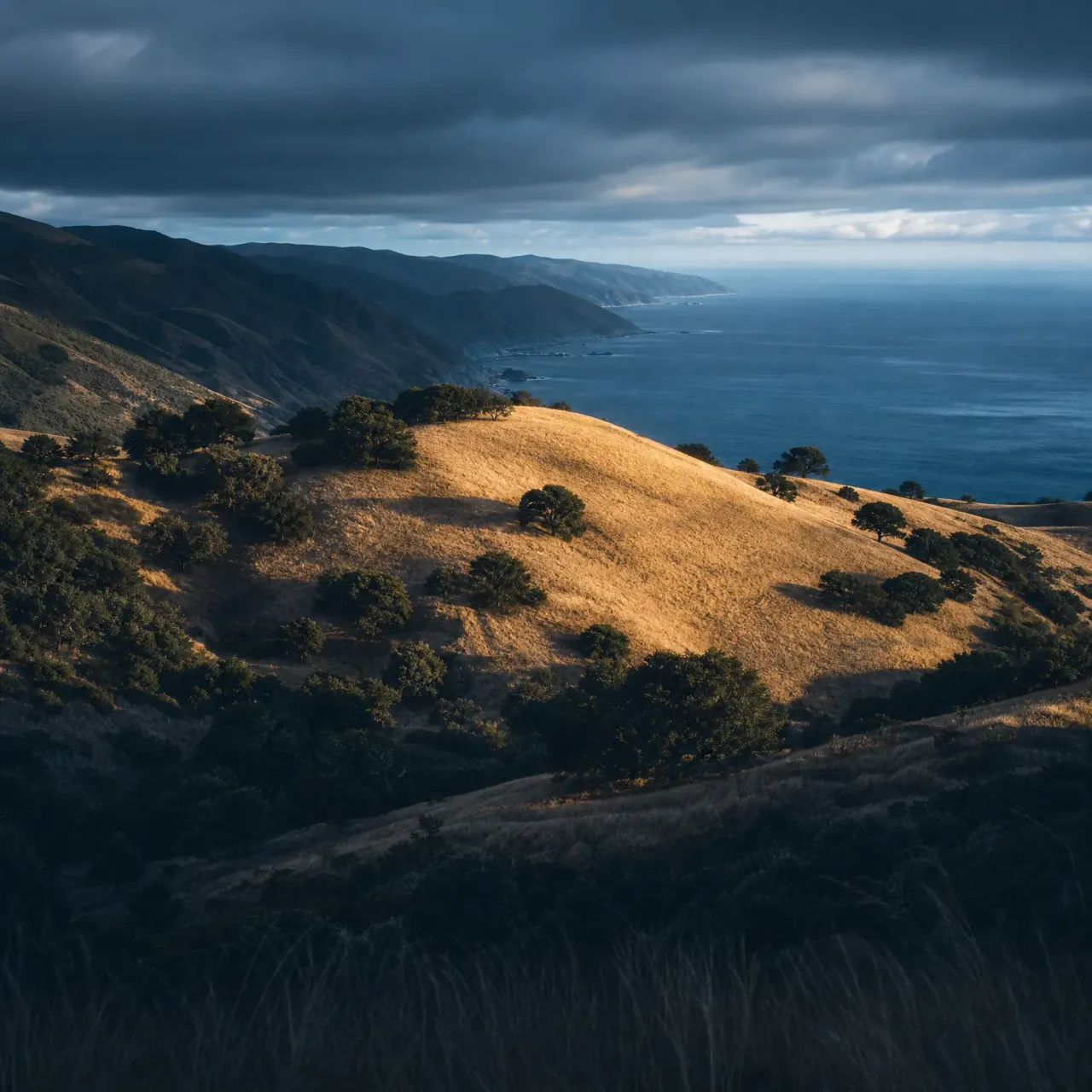
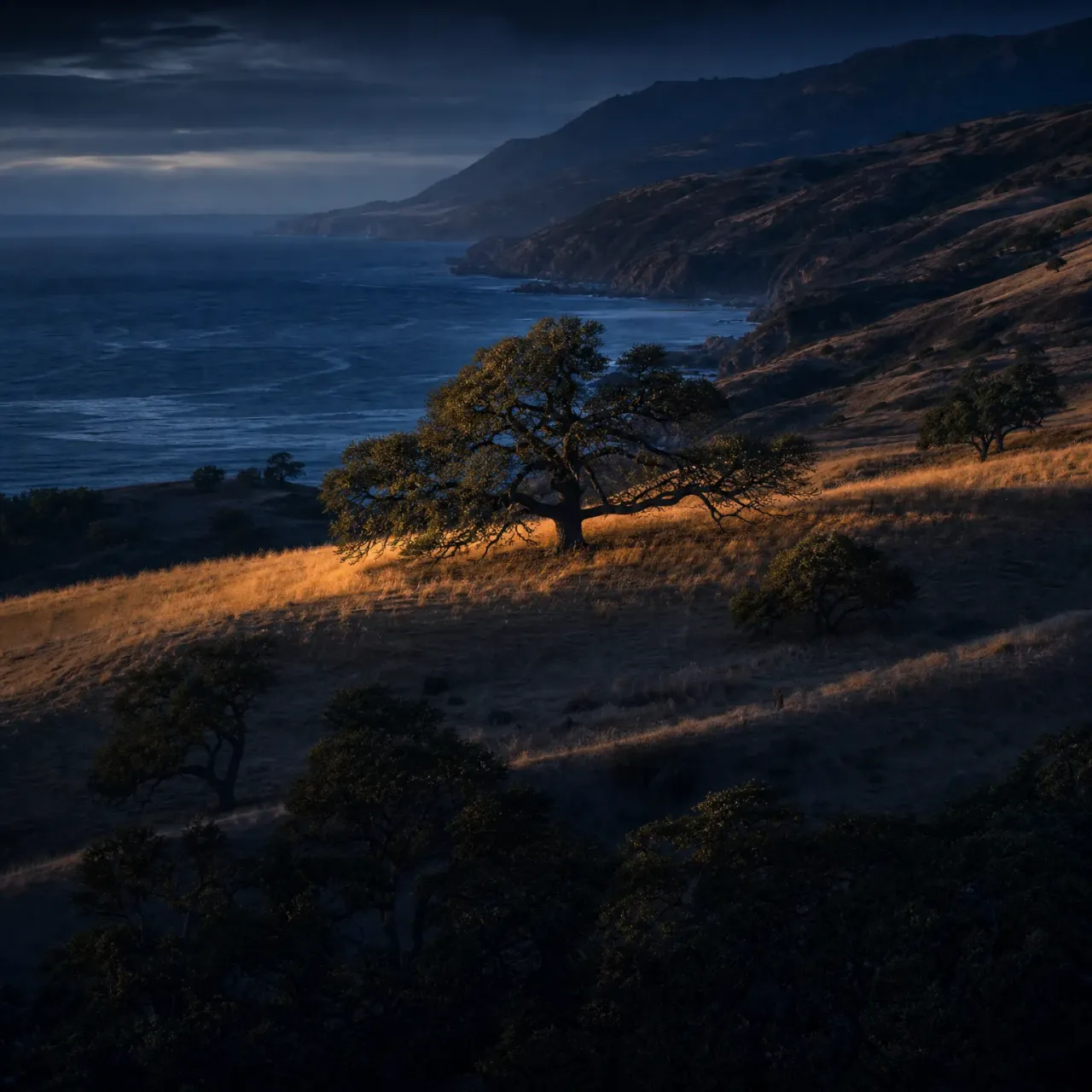

White stucco houses with red-tiled roofs glow with interior light at dusk, nestled against a dry golden hillside dotted with oak trees.

Furnace Repair in Santa Maria, CA

Tell us about the job

Takes about a minute. No obligation.

RepairFurnace or heatingSanta Barbara County, CA
Step 1 of 2

What ZIP code is the job in?

October is worth paying attention to. Furnaces around Santa Maria sit unused from May until November, and that's seven months for dust to settle on a sensor or a weak igniter to sit idle. When the first cold night hits and the system finally has to run a full cycle, whatever was already marginal tends to show itself. A furnace that short cycles or won't fire the first week of the season usually isn't failing out of nowhere. It was already close to this point before it ever started up.

7 months
November through May, your furnace is on duty
40°F
the average winter night it heats against
69%
of homes here heat with gas, so most furnaces here burn gas
3 winter storms
in ten years, the nights a failure hurts most
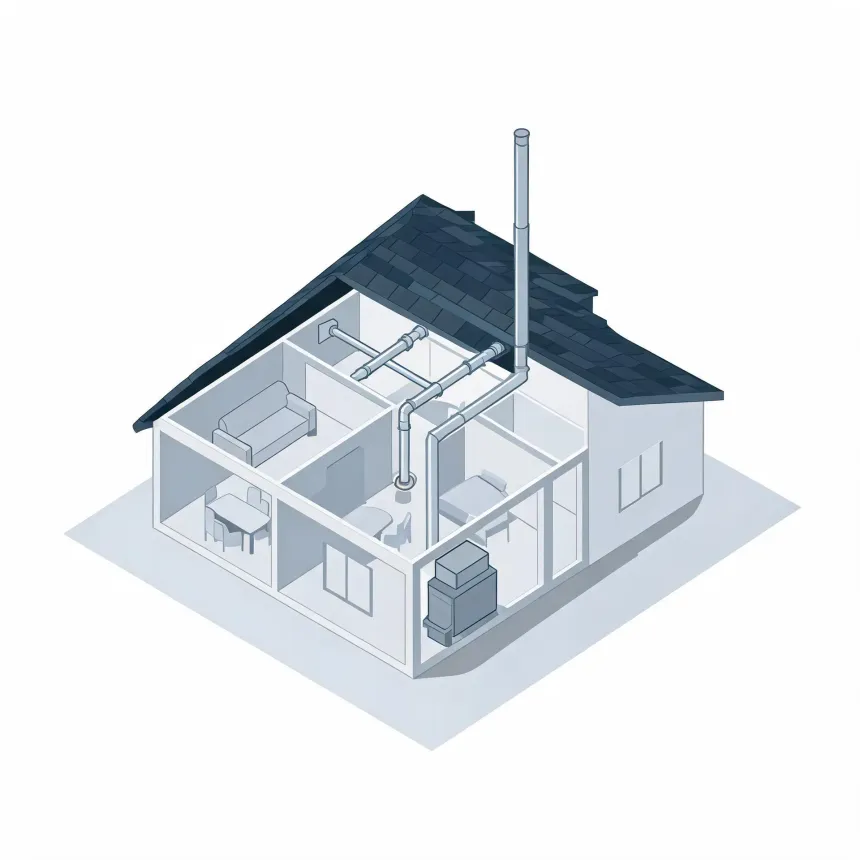
Isometric cutaway illustration of a single-story house showing interior rooms with furniture, ductwork and piping running to a tall vertical flue through the dark shingled roof, and a furnace-like appliance unit on the floor.
Your furnace works hardest from November through April.

NOAA nClimDiv, 1991–2020 normals

A furnace that clicks and tries to light but doesn't catch is usually down to the igniter or the flame sensor.

Running the system through repeated failed cycles puts more strain on whichever part is already going bad.

Forty-degree nights don't push a furnace hard. Most of what goes wrong here was already going wrong.

Heat runs November through May
Winter nights average 40°F
Climate zone 3C
An old furnace isn't the problem by itselfHalf the homes in Santa Barbara County were built in 1974 or earlier, so an older furnace is common here, not a red flag by itself.

That's worth knowing before you decide whether to repair or replace. A furnace that only has to push back against overnight lows around 40°F isn't straining the way one does in a harder climate. So when a part does fail here, it's usually just that part, not a system worn out from years of hard running. If yours is misfiring or won't catch, get the igniter or flame sensor checked before anyone tells you the whole unit needs to go. Mild winters mean the rest of the furnace has had an easy time of it.

Get it looked at early

Problems tend to show up in the first weeks of the season, when the load hits a part that was already weak.

Find a contractor
A gray high-efficiency gas furnace installed in an unfinished basement, surrounded by gas lines, a condensate drain, and sheet-metal ductwork.

What to check before the call

Before anyone comes out, check the thermostat is set to heat and the temperature is set above room temperature. Check the filter. A filter clogged with dust chokes airflow, and some furnaces will shut themselves down rather than run with the air blocked that badly. Check the breaker and any switch that looks like a light switch near the furnace itself, since that shuts the whole unit off and gets bumped more often than people expect. If yours is gas, look for a reset button near the pilot assembly, and check that the gas valve is turned to on. None of this fixes an igniter or a flame sensor, but it rules out the easy explanation before anyone pays a visit for it.

A failed ignition cycle repeats itself

When a furnace tries to light and fails, the control board usually locks out and tries again. Each attempt puts the same strain on whatever part is already weak, whether that's an igniter losing its coating or a flame sensor coated in residue. Letting it keep trying doesn't give the part a chance to recover. It just runs it through the same failure again.

A cracked heat exchanger is the one to stop for

Most furnace problems are safe to leave alone for a few days while you wait on a repair. A cracked heat exchanger isn't one of them. Running the furnace pushes exhaust gas into the air the blower moves through the house instead of out the flue. If you smell something off near the furnace or a carbon monoxide alarm goes off, shut the system down and don't restart it until someone's looked at it.

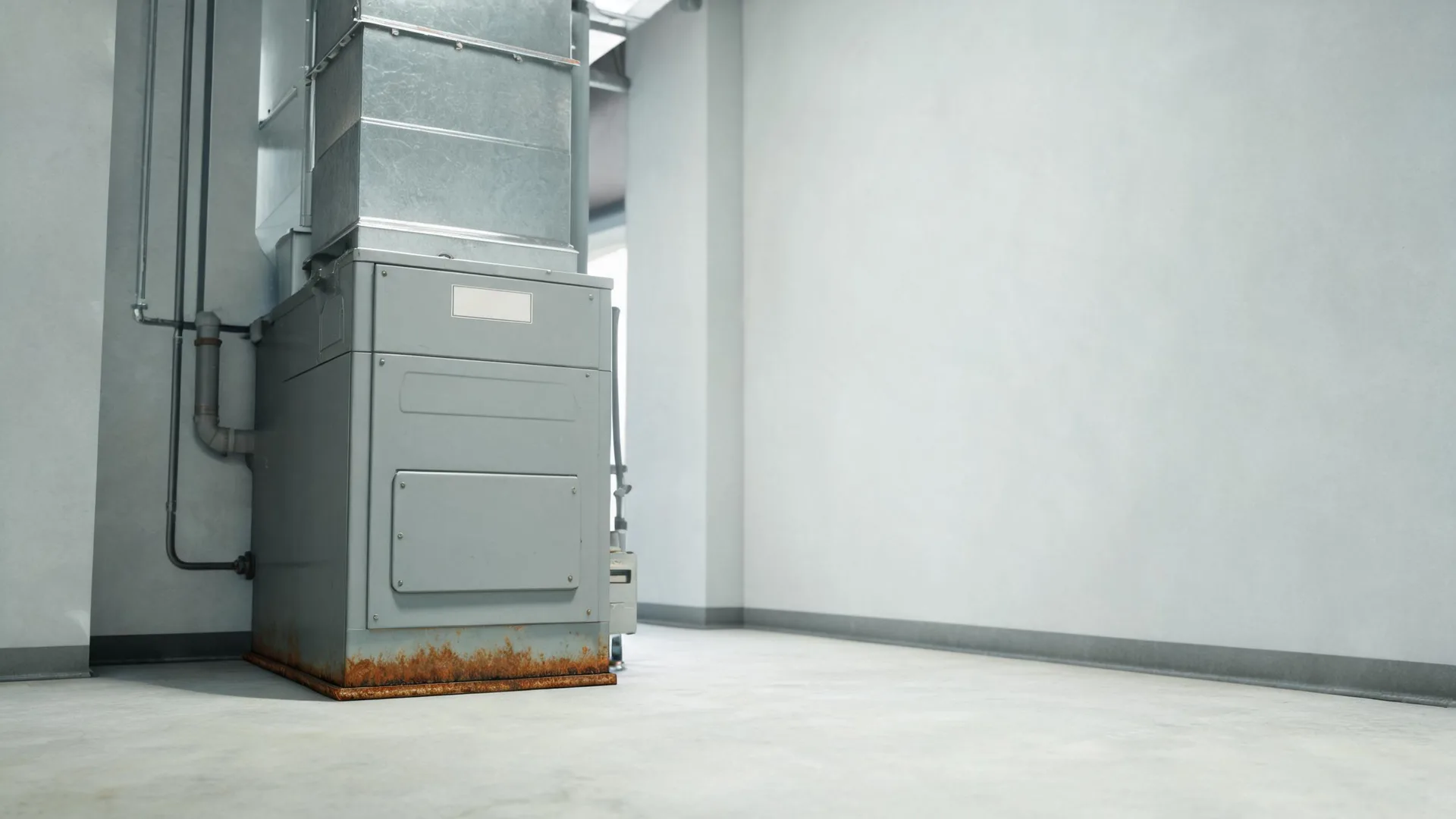
An empty unfinished basement containing a forced-air furnace with overhead ductwork, exposed ceiling joists, and a single hanging light bulb.

A new furnace would cut about $60 a year off heating for a typical Santa Barbara County home.

  • A new high-efficiency furnace$290 a year
  • An older furnace$350 a year

Estimates for a typical Santa Barbara County home, compared with an older unit built to the previous federal minimum, from EIA household energy data, California fuel prices and NOAA climate normals. Your home will differ.

Repair makes sense when one part has failed and the heat exchanger is sound.

Replacement makes sense when the heat exchanger is cracked or the furnace keeps needing parts.

A diagnostic visit starts before any panel comes off. A tech will ask when the problem started and what the furnace was doing right before it quit. A system that never tries to light points somewhere different than one that lights and then shuts off. From there it's a sequence. Check for power reaching the board and the thermostat calling for heat. Check that gas is actually reaching the valve. Watch the ignition sequence itself, whether the igniter glows or sparks the way it should. A flame sensor gets pulled and looked at rather than guessed at, since a coated sensor can look fine while it's sitting in the furnace. If the furnace locks out partway through the visit, that's not a setback. It's the same failure the homeowner has been seeing, happening in front of someone who can watch which part drops out first.