
Heat pump vs furnace in Santa Barbara County, California

Quote Both Systems

Local pros in Santa Barbara County

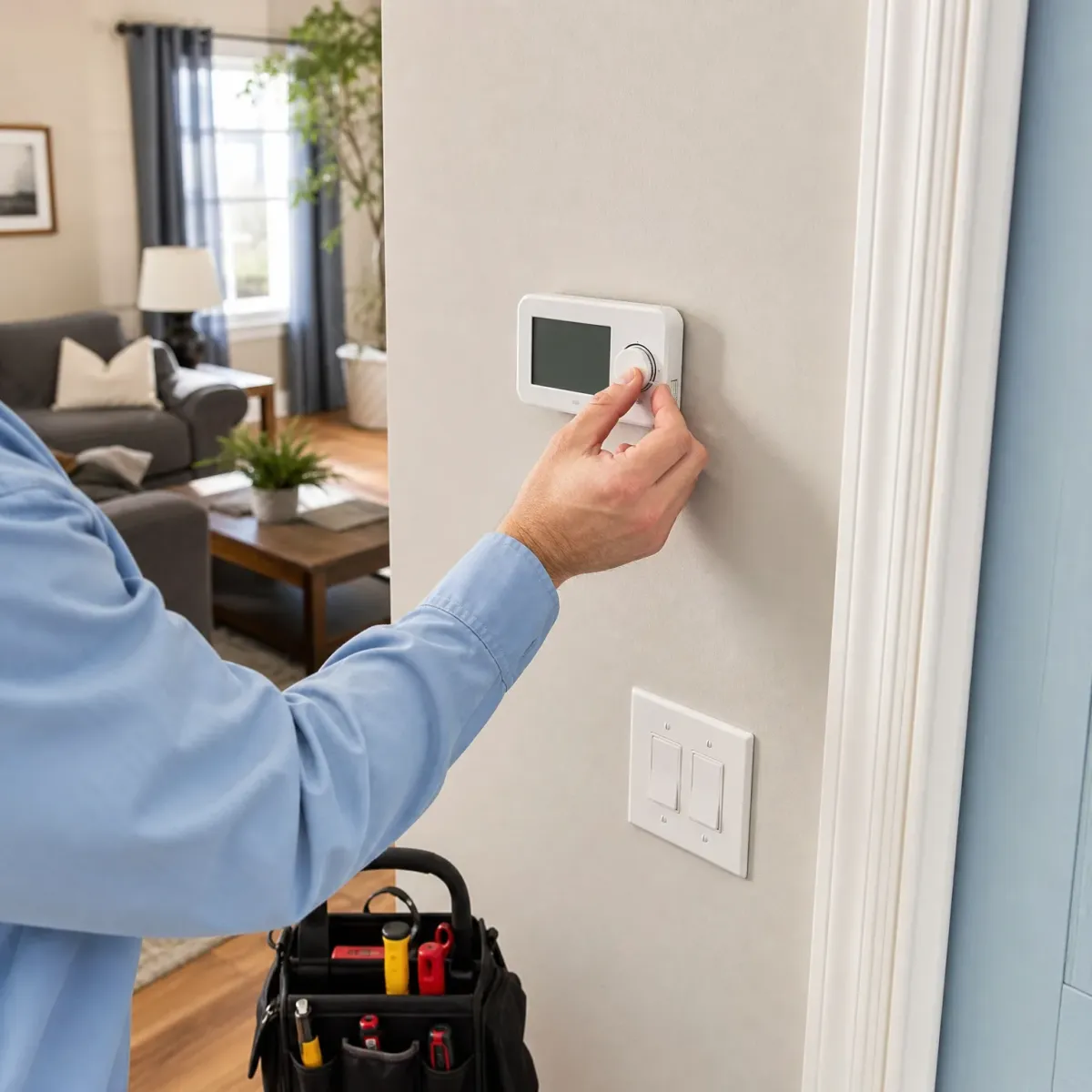
A person in a light blue shirt reaches up to adjust a white wall-mounted thermostat with a dial, with a light switch plate below and a living room with sofa and window in the background, and an open tool bag at lower left.

Tell us about the job

Takes about a minute. No obligation.

New system or replacementSanta Barbara County, CA
Step 1 of 3

What kind of equipment?

Which costs less to run in Santa Barbara County?

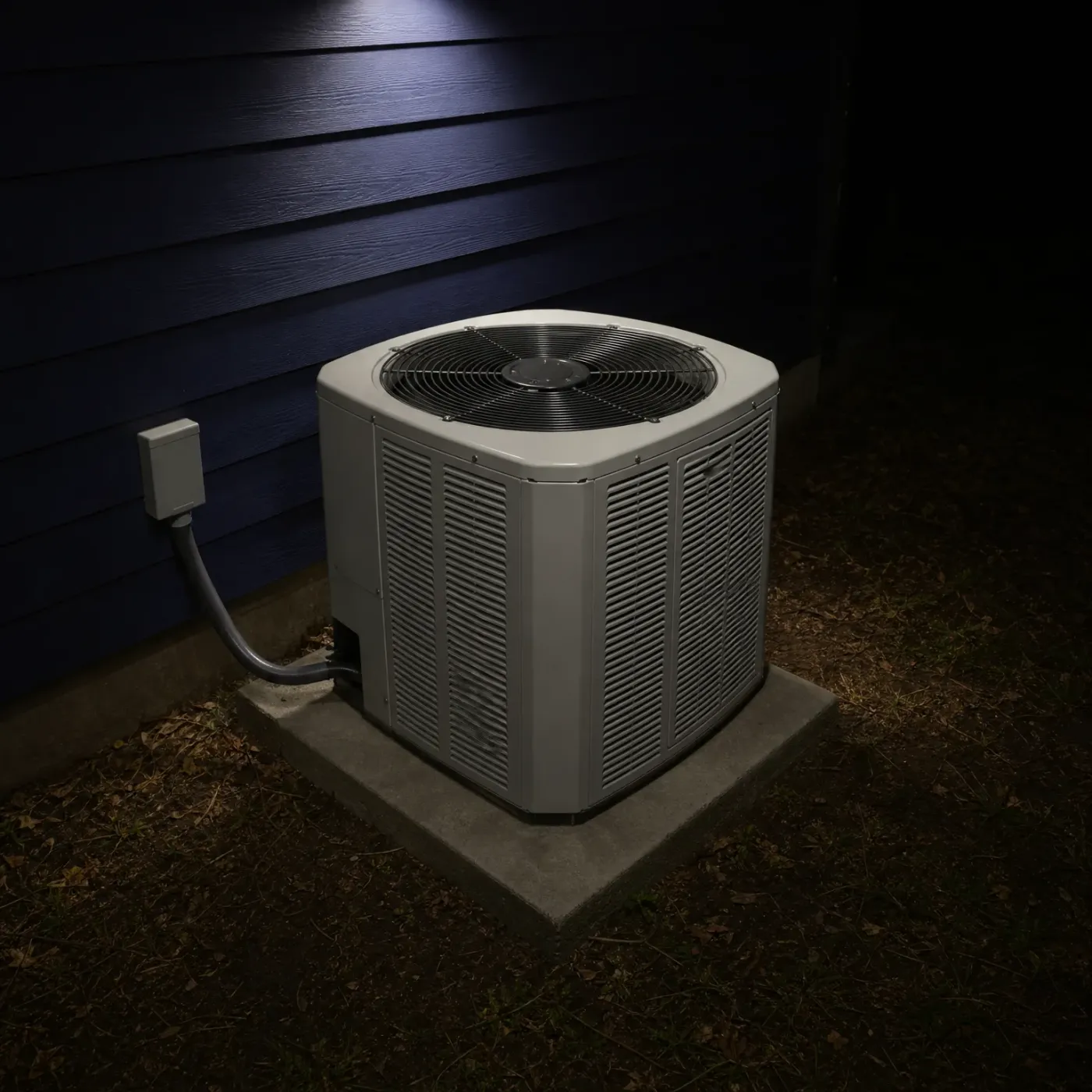
A gray outdoor condenser unit with a top fan grille sits on a concrete pad beside a dark blue horizontal lap-siding wall at night, with conduit running to a small wall-mounted disconnect box.

Heat pump

To heat your home here$4.26per 100,000 Btu

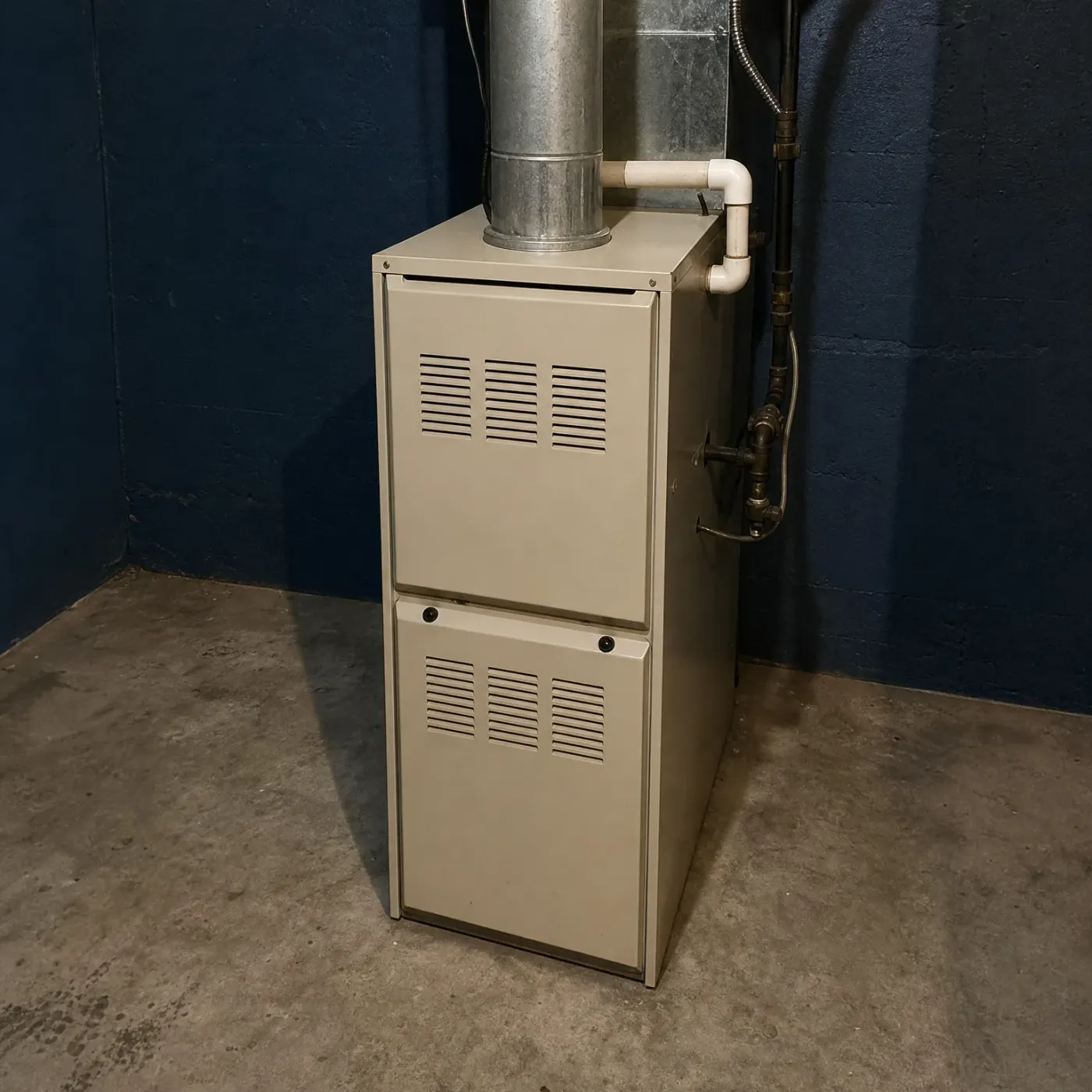
A beige residential furnace with two louvered access panels stands on a concrete floor against a dark blue painted block wall, with a metal flue duct, gas piping, and white PVC pipe above and beside it.

Furnace

To heat your home here$2.31per 100,000 Btu

At California's gas and electricity prices, a gas furnace makes the same heat as a heat pump for at least 45% less.

Btu stands for British thermal unit, the standard measure of heat energy.

Where does a heat pump shine?

  • Made for mild winters

    Winter nights here average 40°F, mild enough that a heat pump isn't straining against real cold. It can pull heat from that air all winter without working too hard to keep up.

    Front entry of a blue clapboard house with a light blue door, sidelights, white columns, wooden steps, a paver walkway, evergreen planters, boots on the porch, and frost on the surrounding grass, with a person standing on the porch at left.
  • Steady, even comfort

    It eases up and down with the weather. There are fewer swings between too warm and too cool.

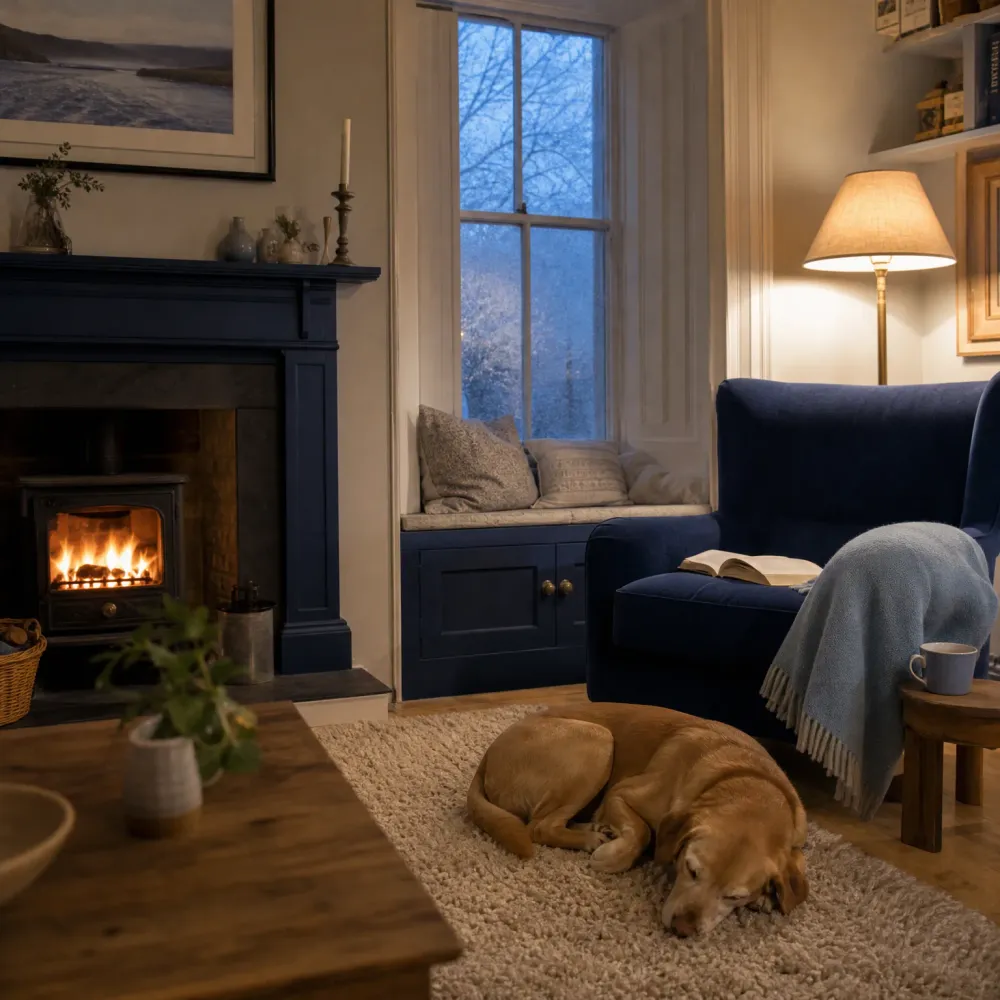
    A living room at dusk with a lit wood stove in a dark fireplace surround, a navy armchair with a blue throw and open book, a window seat with cushions, a lit floor lamp, and a tan dog sleeping on a cream shag rug.
  • Heats and cools in one system

    A heat pump runs the same way all year. It pulls heat into the house in winter and pushes it out in summer.

    A living room with blue interior shutters framing a window overlooking a green garden, a cream sofa with blue cushions and a blue knitted throw, a wicker trunk, and a wooden coffee table holding a vase of white flowers, a blue mug, and stacked books.

Where does a furnace shine?

  • Runs on the gas most homes here already use

    Most homes in Santa Barbara County already have a gas line, since utility gas is how 68.9% of them heat today. A furnace just uses what's already run to the house.

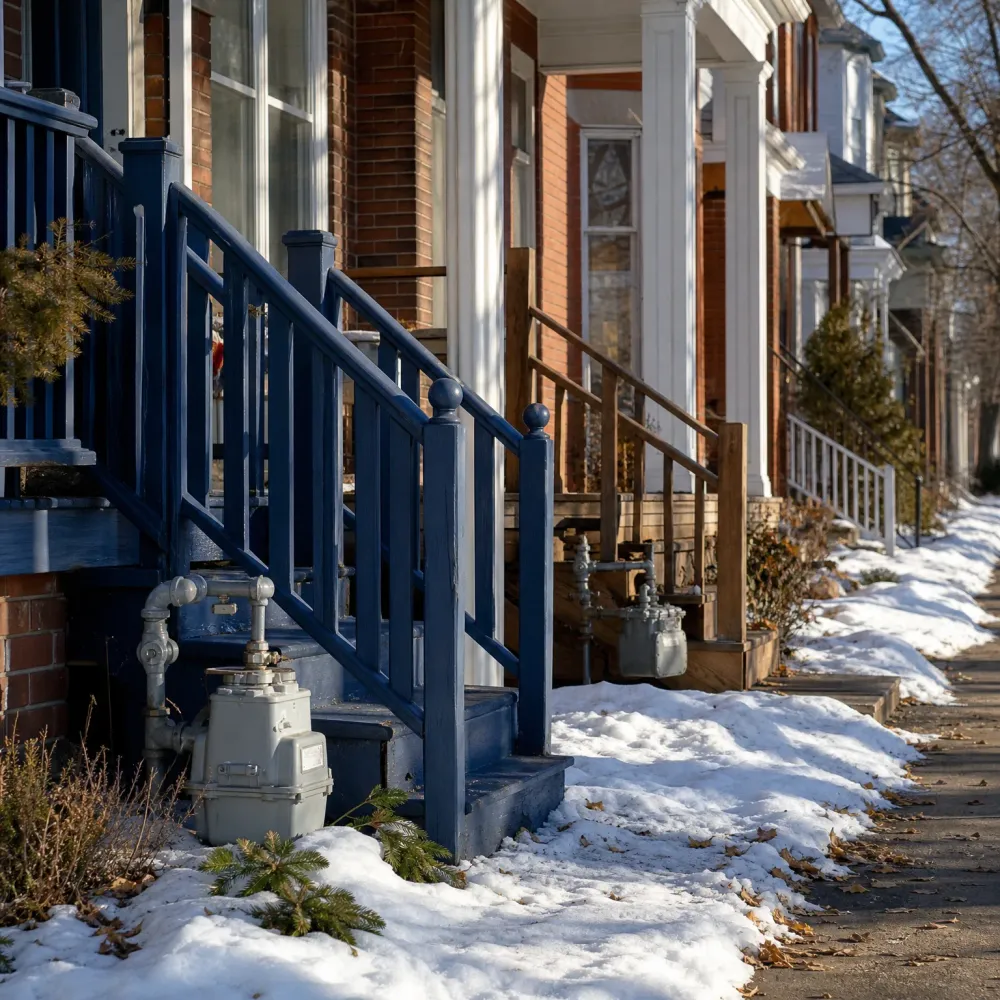
    A row of attached brick houses with front porches, blue-painted wooden steps and railings, and exterior gas meters, beside a snow-covered sidewalk strip with scattered dry leaves.
  • Proven, simple, easy to get serviced

    The design is simple and well understood. That keeps service calls short.

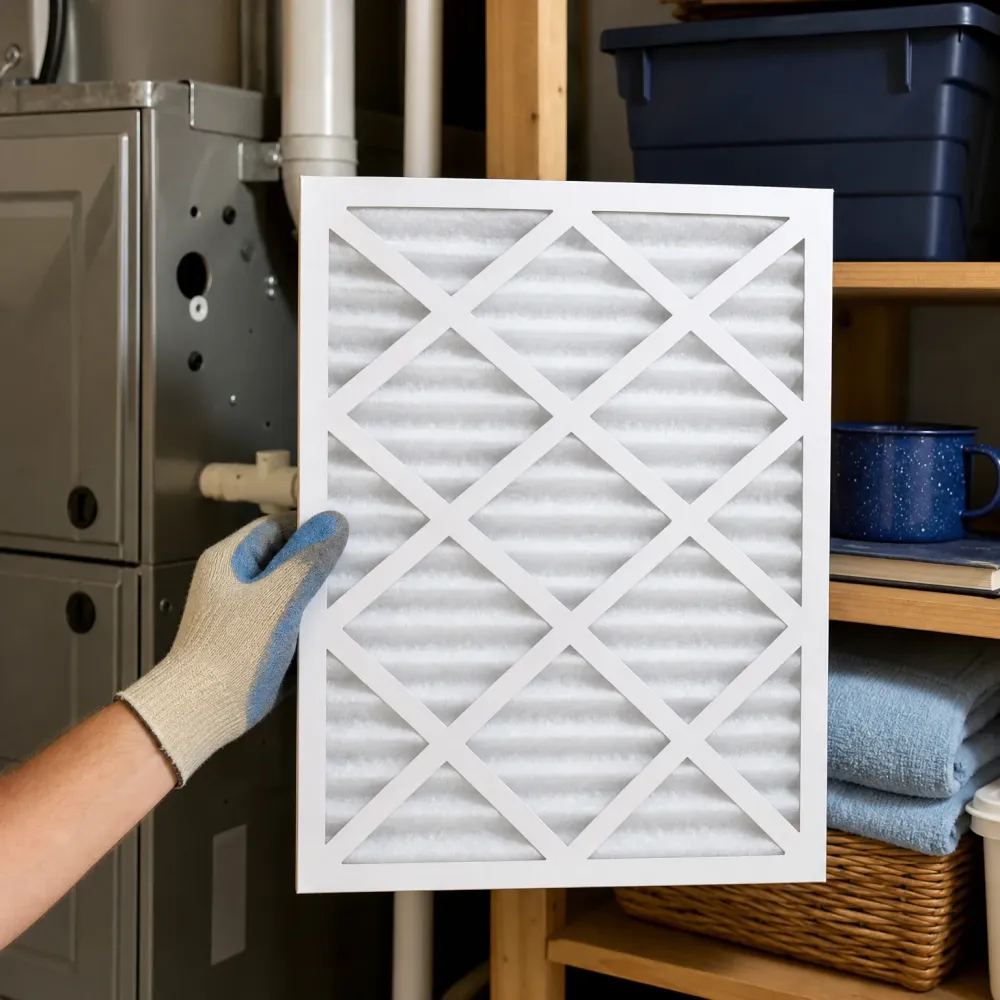
    A gloved hand holds a pleated white air filter in front of a furnace, beside wooden shelves holding a storage bin, mug, folded towels and a basket.
  • Fast, strong heat on demand

    Turn the heat up and the furnace answers right away. There's no long wait for the house to catch up.

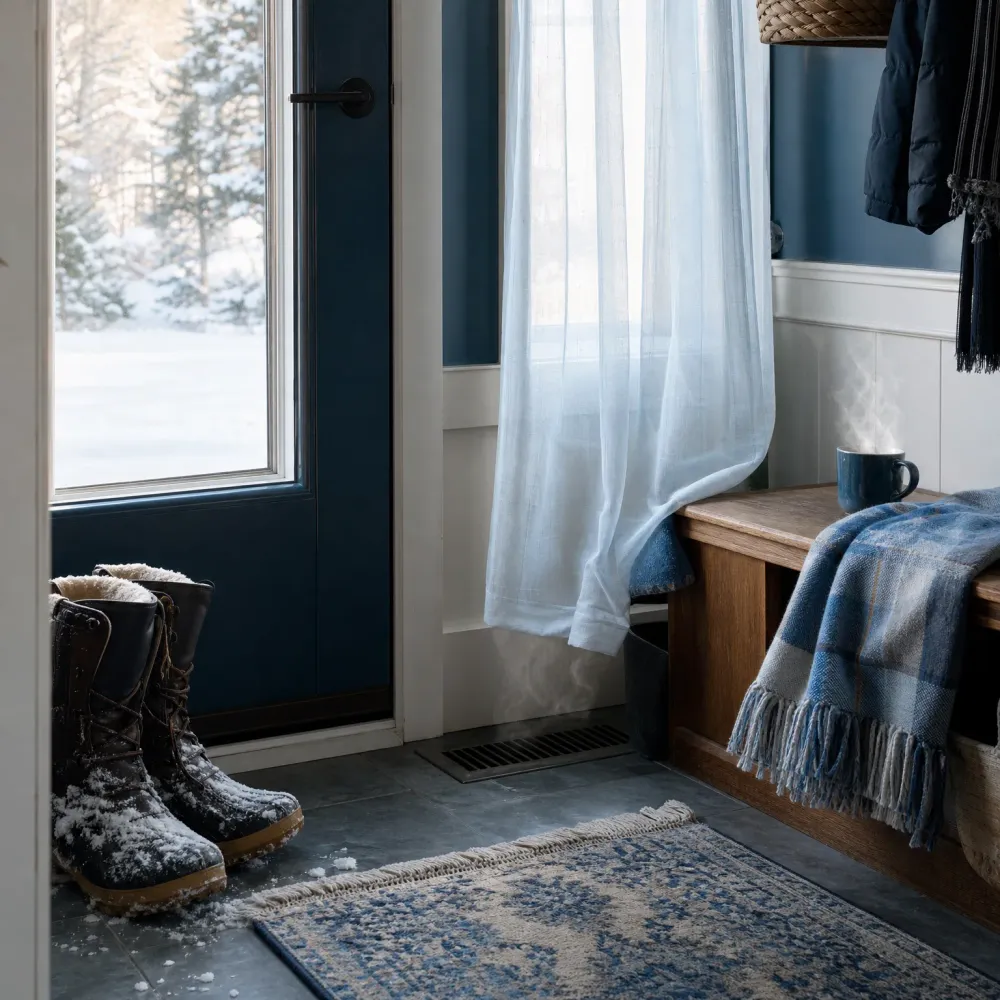
    A mudroom entry with snow-covered boots on a tiled floor, a floor vent, a wooden bench with a blue plaid throw and steaming mug, a sheer curtain, a dark blue door, and a snowy conifer landscape outside the window.

Gas costs less here, and most houses already have it

Heat runs seven months a year in Santa Barbara County, November through May. That is the season that decides this choice, not the three months of cooling. A gas furnace makes the same heat as a heat pump for at least 45% less at today's prices, $2.31 against $4.26 per 100,000 Btu. Over seven months that gap runs every month, not just the cold ones.

Gas already heats a little over two in three homes here, 68.9%. Electricity heats under one in four, 22.8%. If your house came with a gas line and ductwork sized for a furnace, staying on gas means using what is already there. Switching to a heat pump usually means an electrical upgrade on top of the equipment itself.

Winters here are mild. The overnight low averages 40°F through December, January and February, and it only drops to freezing or below about 11 nights a year. A furnace does not care either way, it burns gas and makes heat. A heat pump's output and efficiency both drop as the air outside gets colder, which matters most on the coldest nights of the year, and here there are few of those.
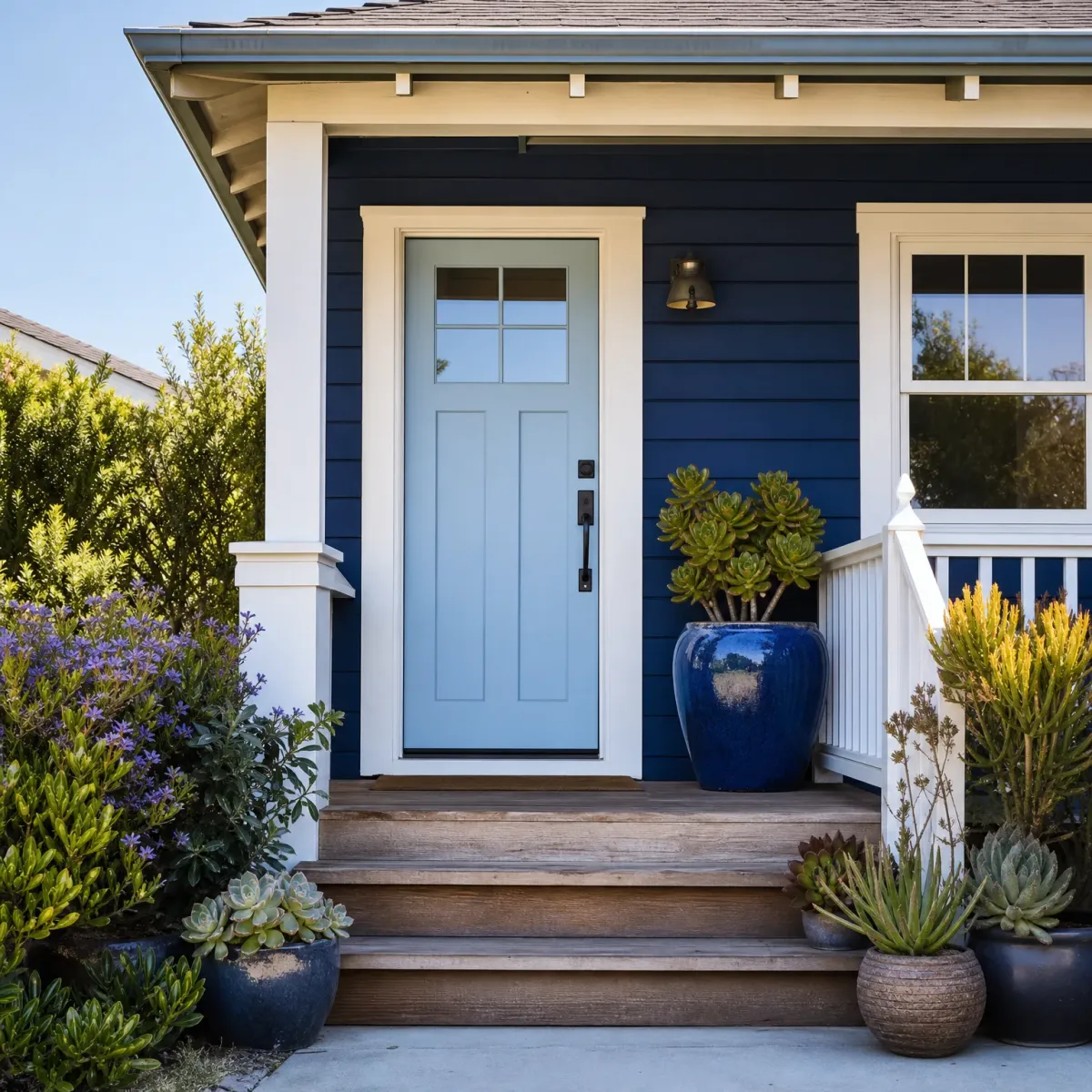
A navy-blue clapboard house entry with a light blue four-pane front door, white trim, wooden steps, a white porch railing, a wall lantern, and potted succulents including a large blue glazed pot, with flowering shrubs at left.

What you give up either way

A furnace only heats. For the five months a year it is not running, November through May aside, it has no other job. If you want air conditioning for the roughly three months of cooling, July through September, and the 35 days a year that reach 90°F or above, you need a separate AC system alongside it.

A heat pump heats and cools from the same equipment, which is the real case for one here. It costs more to run through the long heating season, but it replaces two systems with one, and summers here are short enough that the cooling side does not ask much of it.

The choice comes down to what you are solving for. If running cost through the winter matters most, the furnace wins on the numbers, by a wide margin, every month heat runs. If having one system instead of two matters more than that gap, the heat pump is the one built for it.

Sources: NOAA nClimDiv · NOAA 1991–2020 seasonal normals · Census ACS 2020–2024 · EIA SEDS 2024 · 10 CFR 430.32

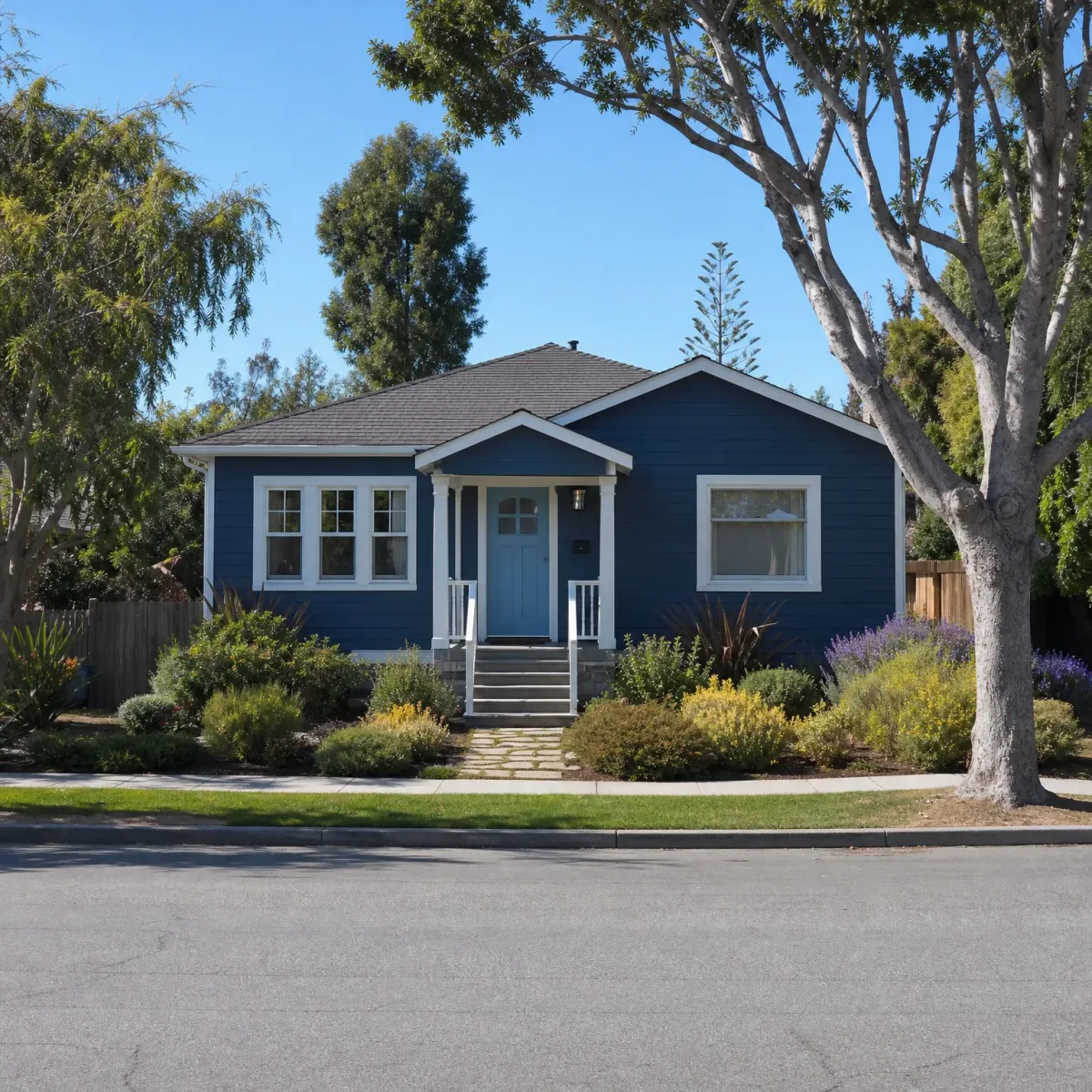
A single-story blue house with white trim, a small covered porch and steps, fronted by drought-tolerant shrubs and flowering plants, a sidewalk, a large bare-limbed tree at right, and a street in the foreground under a clear sky.

Common questions about heat pumps and furnaces

  • Will a heat pump keep my house cool enough here?

    Yes. A heat pump cools the same way a central air conditioner does, so the roughly 35 days a year here that reach 90°F or above get the same steady cooling either machine would give you. The only difference is that a heat pump also handles the winter heating, where a furnace only handles the other side of the year.

  • Can I keep my furnace and add a heat pump?

    Yes, and it's a common setup. The heat pump handles the mild stretches, and the furnace covers the roughly 11 nights a year here that drop to freezing or below, so you're not asking either machine to do the whole job alone. The furnace already runs on the gas most houses here have, so pairing it with a heat pump doesn't change what fuel the house depends on.

  • Is a heat pump cheaper to run than a furnace in Santa Barbara County?

    No, a gas furnace costs less to run here. At California's average prices, a furnace makes the same heat for $2.31 per 100,000 Btu against $4.26 for a heat pump, close to half. That gap holds across the roughly seven months a year heat runs in Santa Barbara County, not just the cold nights.