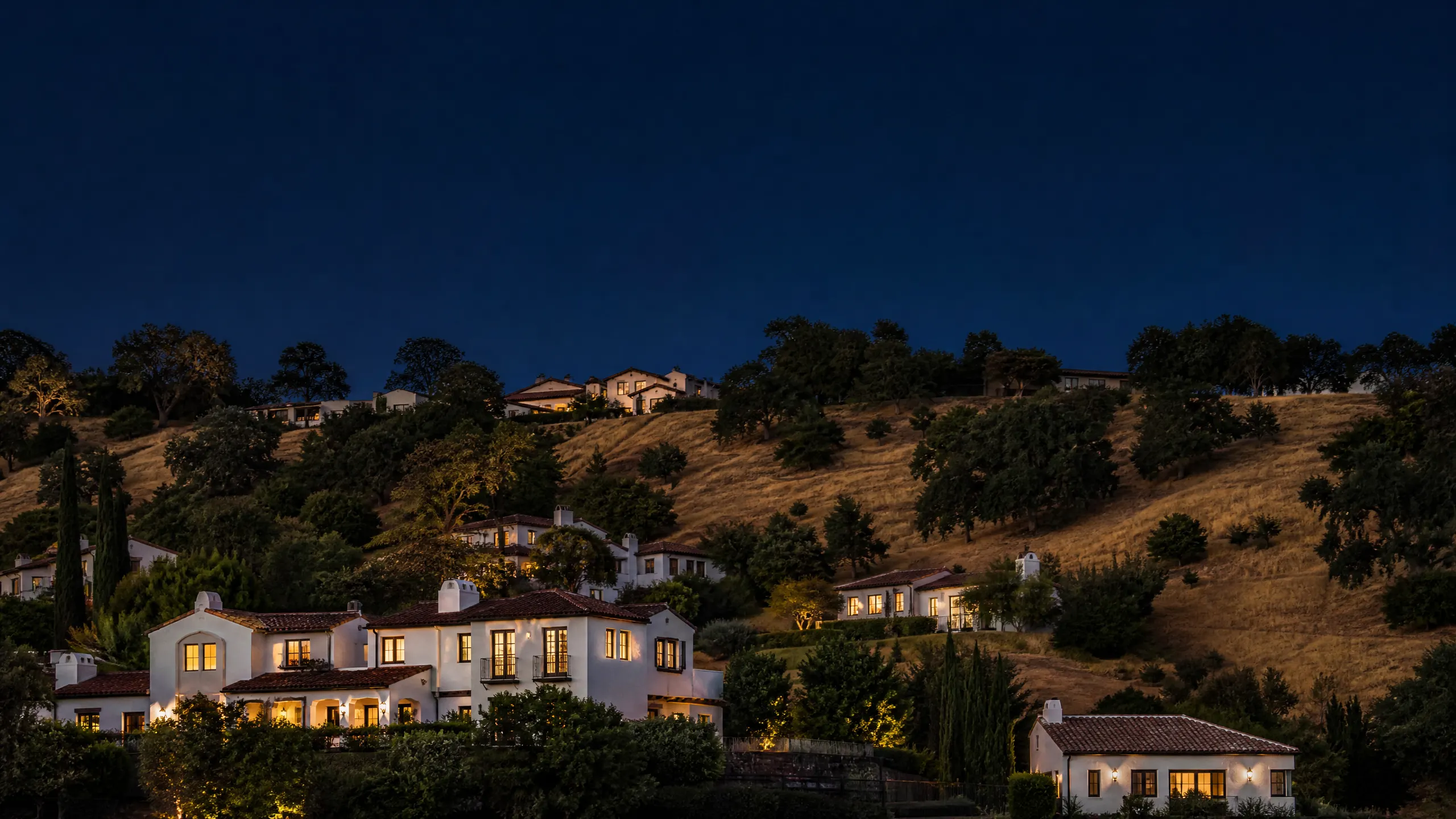
White stucco Spanish Colonial Revival houses with red tile roofs glow with warm light against a dry hillside at dusk.

Furnace Repair in Roseville, CA

Tell us about the job

Takes about a minute. No obligation.

RepairFurnace or heatingPlacer County, CA
Step 1 of 2

What ZIP code is the job in?

Placer County sees a lot of weather

Placer County logged 680 severe weather events between 2015 and 2024. Winter storms accounted for 449 of those, and damaging wind hit the county 223 times in that same stretch. Hail and even a tornado have hit here too.

A furnace that still runs isn't the same as a furnace that's fine

Wind and winter storms can knock debris into an outdoor unit or strain it without stopping it outright. A furnace that still fires up after a bad storm can be running on a part that's cracked or loose.

8 months
October through May, your furnace is on duty
32°F
the average winter night it heats against
61%
of homes here heat with gas, so most furnaces here burn gas
449 winter storms
in ten years, the nights a failure hurts most
Isometric cutaway illustration of a single-story house with a dark shingled roof, showing interior rooms with beds and furniture, overhead ductwork, and a gray furnace with a tall flue pipe at the exterior wall.
Your furnace works hardest from November through April.

NOAA nClimDiv, 1991–2020 normals

Furnaces in Roseville start working in October and keep going through May.

A weak igniter or a cracked heat exchanger usually fails in those first cold weeks, not in the middle of winter.

Eight months of heat a year wears a furnace down early

Heat runs October through May
Winter nights average 32°F
449 winter storms from 2015 to 2024

Half the homes in Placer County were built in 1994 or later. If yours is one of them, your furnace probably isn't old enough to be falling apart on its own. A repair call for a newer system usually turns up one bad part, not a unit at the end of its life. The igniter, the flame sensor, the control board, these fail on their own schedule and don't care how old the furnace is around them. Worth finding out what actually broke before anyone talks about replacing the whole thing.

Had a storm come through lately? Get the whole system checked, not just the fix

If a storm came through before this furnace started acting up, get the outdoor parts of the system looked at along with whatever's wrong now. A tech can check for a cracked or loose part while they're already in there.

Find a contractor
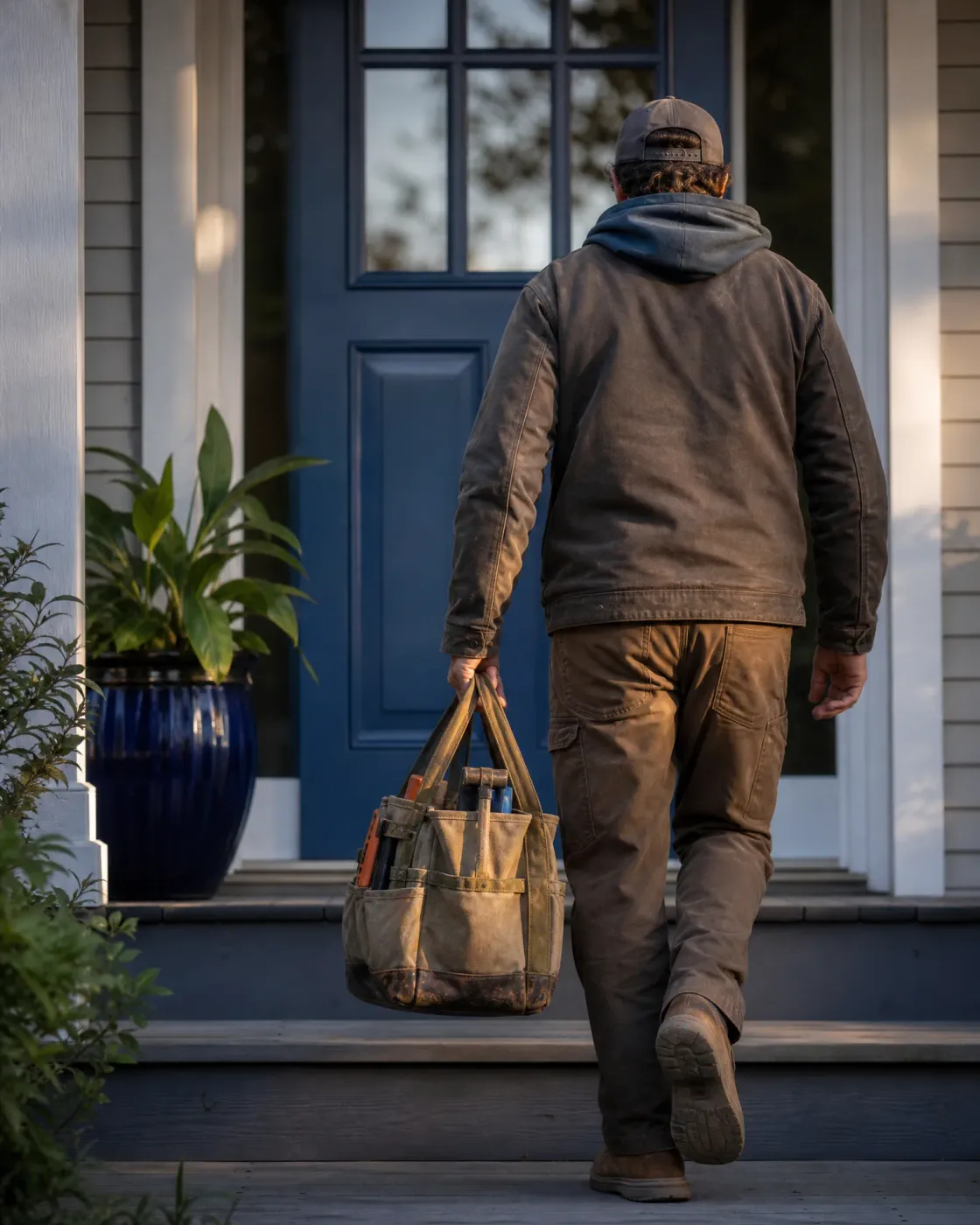
A man in a brown jacket and cap, seen from behind, carries a canvas tool bag up porch steps toward a blue front door beside a potted broad-leafed plant.
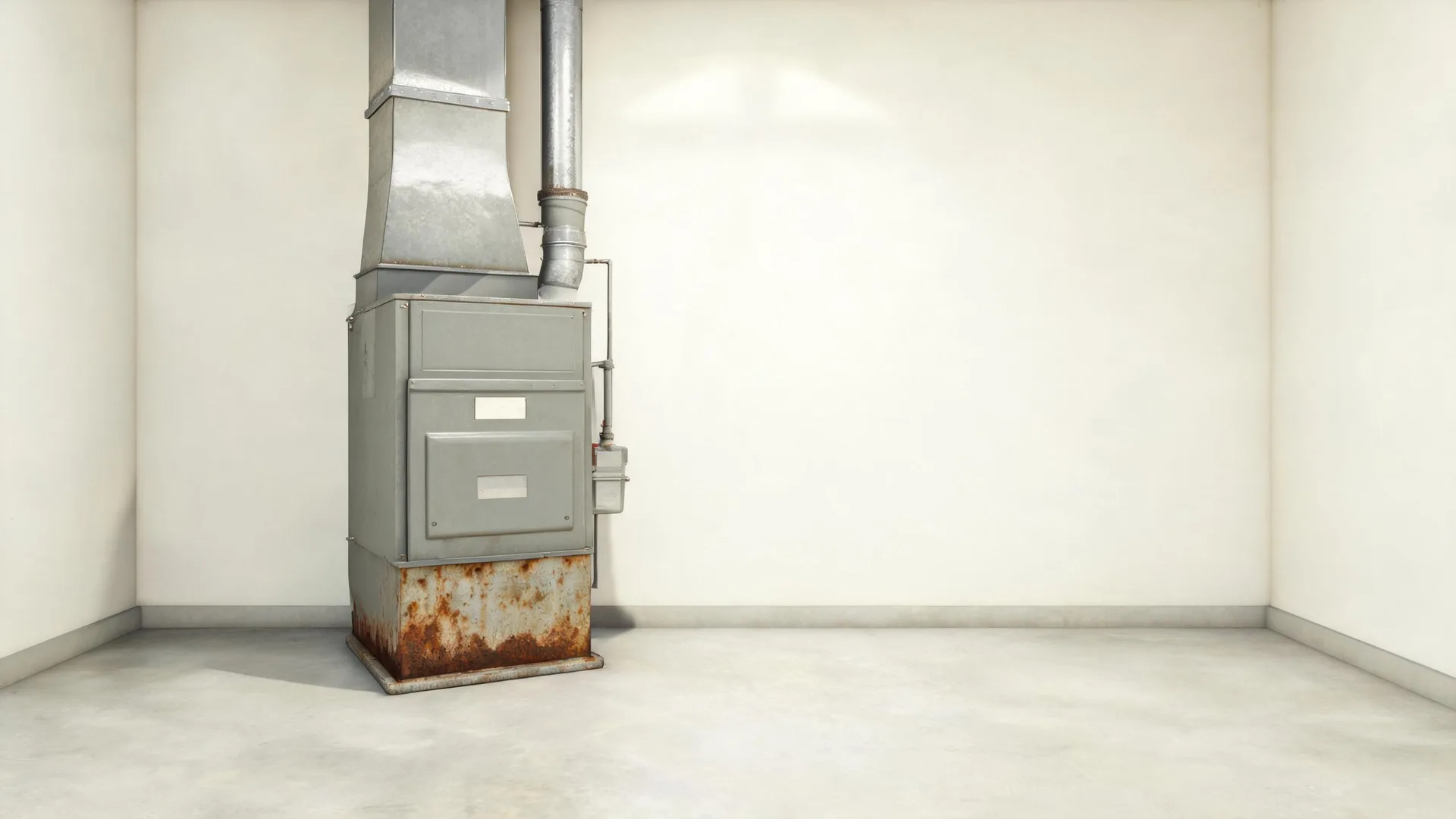
A gray residential gas furnace installed in an unfinished basement, connected to sheet-metal ductwork and PVC pipes.

Eight months of work, not eight months of standing by

October through May, this furnace is the thing keeping the house warm. That's eight months of the year it has to work every time it's asked to. When a part is already worn, that much run time is what turns a small problem into a no-heat call. Get the part that's actually failing found and fixed, not just reset.

A cracked heat exchanger gets worse every time it fires

Heat makes metal expand, and a crack that's barely open when the furnace is cold can pull wider every time the burners kick on. Each cycle flexes it a little more. Left alone, a small crack turns into a hole, and what started as a minor repair turns into a replacement.

A flame sensor problem turns into a bigger repair fast

A dirty or failing flame sensor can't always tell the control board that a flame is lit. The board shuts the gas valve as a safety check, so the furnace short cycles instead of running normally. Every one of those cycles puts wear on the igniter and the valve that didn't need to happen, so a cheap fix turns into two or three.

An unfinished basement containing a gray HVAC furnace with ductwork, exposed wooden joists, a concrete floor, and miscellaneous clutter in one corner.

A new furnace would cut about $110 a year off heating for a typical Placer County home.

  • A new high-efficiency furnace$490 a year
  • An older furnace$600 a year

Estimates for a typical Placer County home, compared with an older unit built to the previous federal minimum, from EIA household energy data, California fuel prices and NOAA climate normals. Your home will differ.

Repair makes sense when one part has failed and the heat exchanger is sound.

Replacement makes sense when the heat exchanger is cracked or the furnace keeps needing parts.

A furnace that needs a repair every year isn't automatically on its way out, and one big repair bill doesn't mean it's done either. What matters more is which part failed. A control board or a heat exchanger is expensive to replace and often costs close to a new unit once labor's added in. An igniter, a flame sensor, a pressure switch, those are cheap parts that fail on their own and don't say anything about the rest of the furnace. Ask what broke and whether it's a part that tends to take others down with it. A furnace that's had two or three unrelated small repairs is in a different spot than one that's had the same part fail twice.