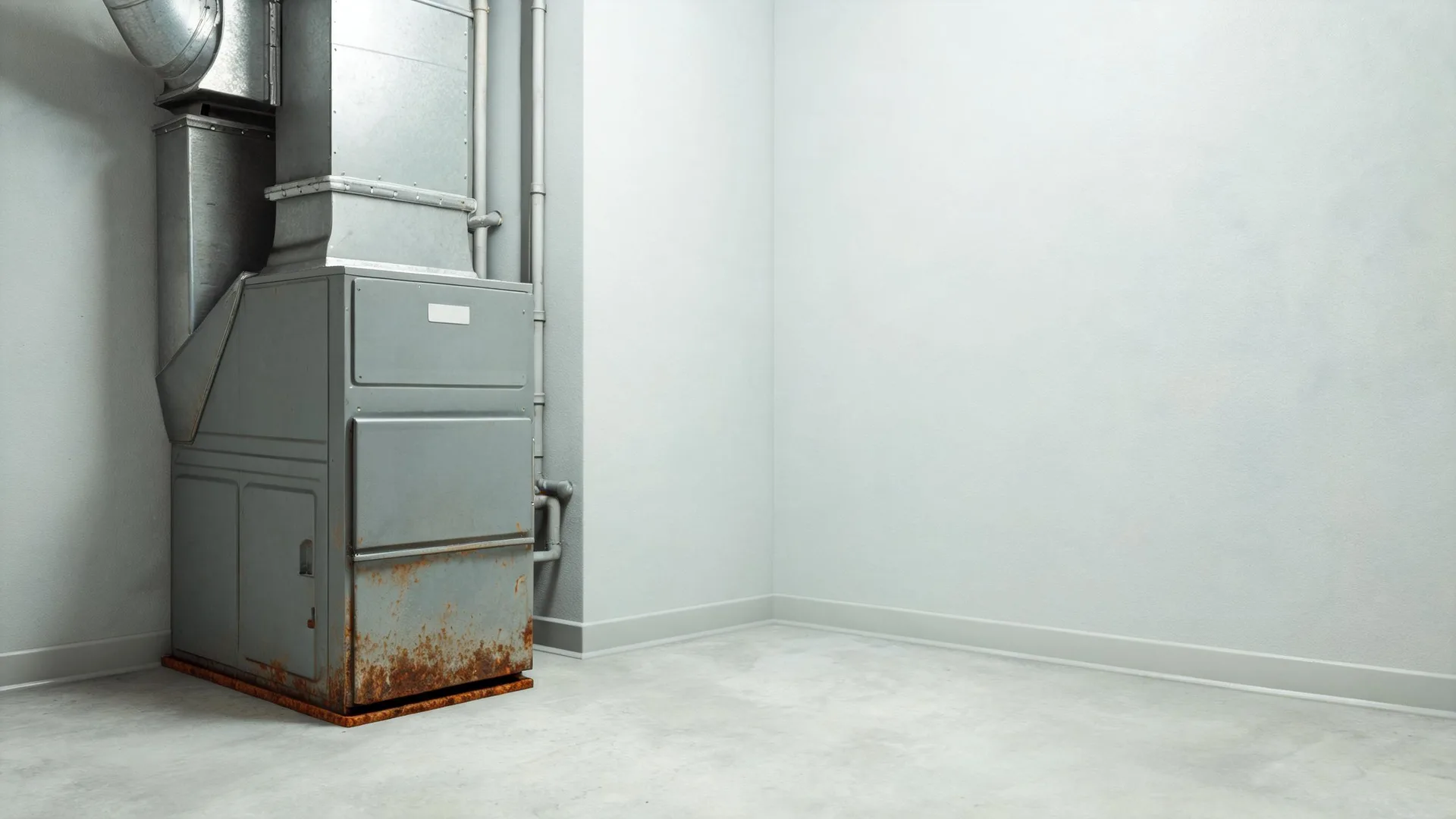
Solano County skews newer
Half the homes in the county were built in 1982 or later. A furnace in one of these houses hasn't put in as many years as one in an older place.
Takes about a minute. No obligation.
Half the homes in the county were built in 1982 or later. A furnace in one of these houses hasn't put in as many years as one in an older place.
If your furnace came with a newer build, it's probably not near the end of its working life. Repair makes more sense than ripping it out.
NOAA nClimDiv, 1991–2020 normals
Furnaces in Vallejo only run from November through April.
Six months of work a year is a light load, so most repair calls aren't about a worn-out furnace.



Before you decide the furnace is done, find out what's actually wrong with it. A cracked heat exchanger means it's time for a new one, but that's rare. Most calls turn out to be a failed igniter, a dirty flame sensor, or a blower motor on its way out, and a tech can fix any of those in one visit. If the furnace came with a newer build, it's probably got years left in it. Ask what's broken before you decide it's not worth fixing.
If your system came with a newer house, it likely has plenty of life left. Repair is usually the right call.
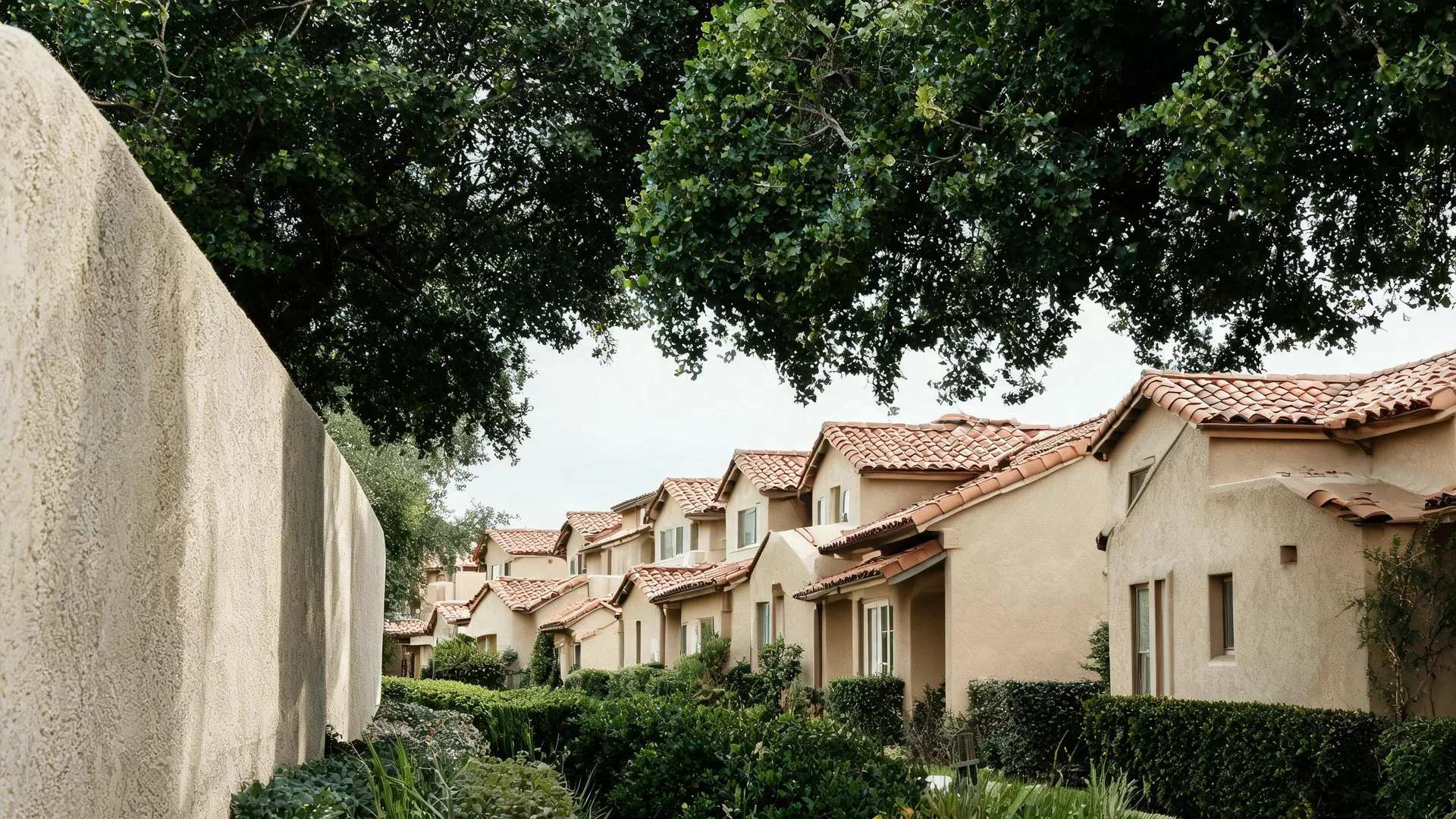
Find a contractorA furnace usually tells you something's wrong before it quits for good. It might take a few tries to light, or light and then shut back off a minute later. The blower might kick on and run louder than it used to, or keep running after the house is already warm. Some furnaces start short cycling, firing up and shutting off over and over instead of running a full heat cycle. Others blow cool air some of the time and warm air the rest. None of these mean the furnace is finished. They mean a part is wearing out, and a tech can usually point to exactly which one once they get a panel off and watch it run.
The igniter cracks or wears thin. The flame sensor gets a coat of residue and stops reading the flame. The draft inducer motor wears out its bearings. Each of these stops the whole furnace from running, but each one is a single part a tech can test and swap.
A furnace that tries to light and won't points to the igniter or the flame sensor. One that lights, runs a minute, then shuts off is usually the flame sensor too. A blower that won't start or won't stop points to the motor or its control board. The complaint tells the tech where to look before the panel even comes off.
Estimates for a typical Solano County home, compared with an older unit built to the previous federal minimum, from EIA household energy data, California fuel prices and NOAA climate normals. Your home will differ.
Repair makes sense when one part has failed and the heat exchanger is sound.
Replacement makes sense when the heat exchanger is cracked or the furnace keeps needing parts.
A tech can test most of these parts in a few minutes with a multimeter, so there's rarely a need to guess. A cracked heat exchanger is different. That's the one failure that actually means the furnace is done, because it lets combustion gases mix into the air moving through the house, and no part swap fixes that. But a heat exchanger failure announces itself. It usually comes with a specific smell, or soot around the burners, or a furnace that trips its own safety switch and won't stay running. Everything short of that, scorched igniters, fouled sensors, worn bearings, a failed control board, is routine work. The furnace isn't being stubborn and it isn't failing as a whole. One part gave out, and the rest of it is still fine.