Wind and hail reach this county often
San Mateo County logged 282 severe weather events between 2015 and 2024, and damaging wind caused most of them. That is a county that gets hit, year after year.
Takes about a minute. No obligation.
San Mateo County logged 282 severe weather events between 2015 and 2024, and damaging wind caused most of them. That is a county that gets hit, year after year.
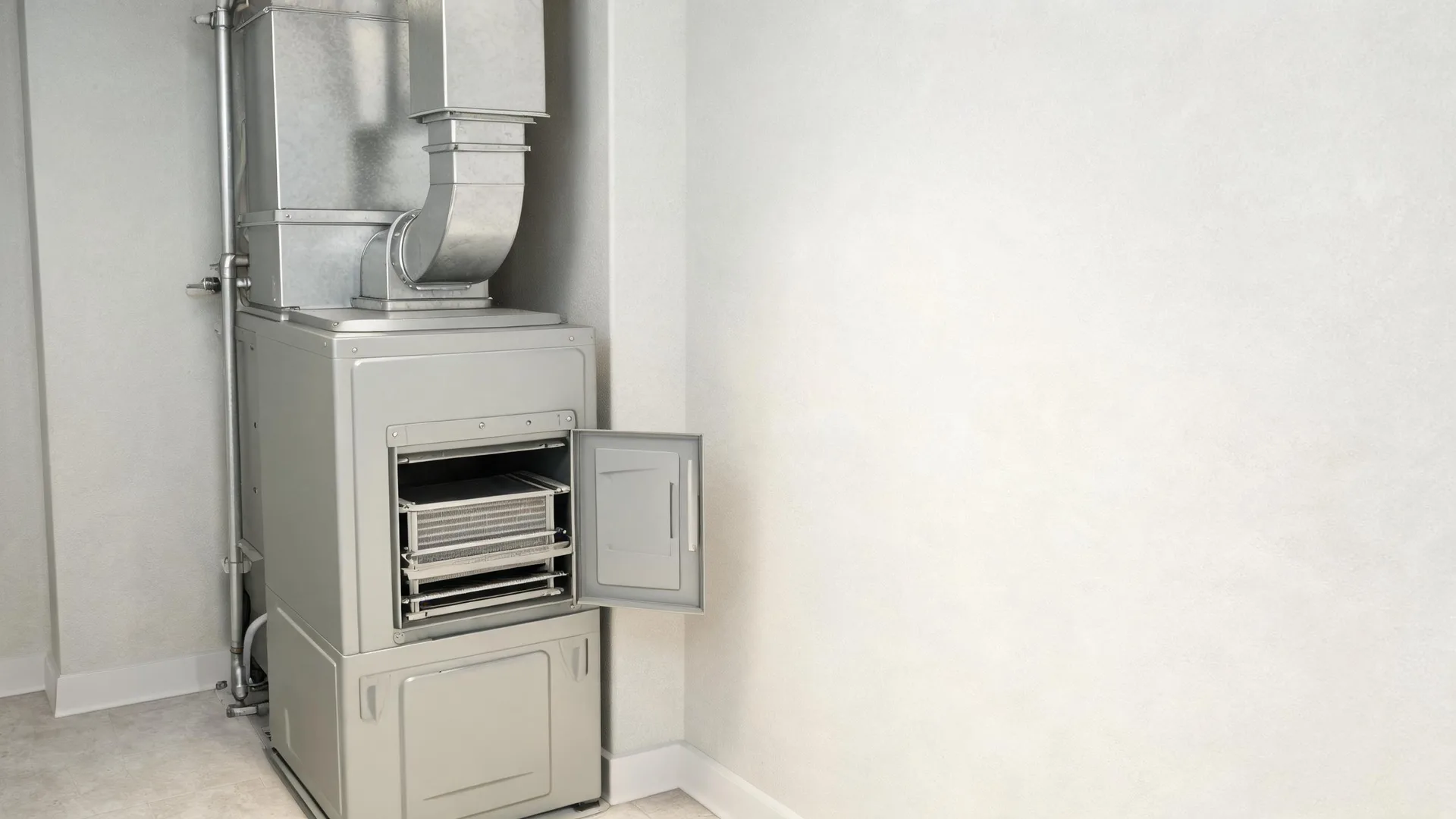
An outdoor furnace vent or intake can take a hit from wind-blown debris and keep working for a while before it fails outright. If a storm came through and the unit was exposed, that is worth a look even if the furnace seems fine right now.
NOAA nClimDiv, 1991–2020 normals
Half the homes in San Mateo County were built in 1966 or earlier.
A furnace that came with a house that old has likely put in decades of work already.




If a storm came through recently, have the vent and intake checked before calling the furnace fixed. A technician can tell you if the housing took a hit that is going to cause trouble this winter. That is a quick check against a bigger repair later, especially since outages in this state run long enough to matter when the heat is the thing that is out.
If your furnace is old enough to be the one the house came with, ask the technician for a straight answer on how much life it has left before any repair goes forward. That tells you whether a part is worth replacing or whether the whole unit is near the end.
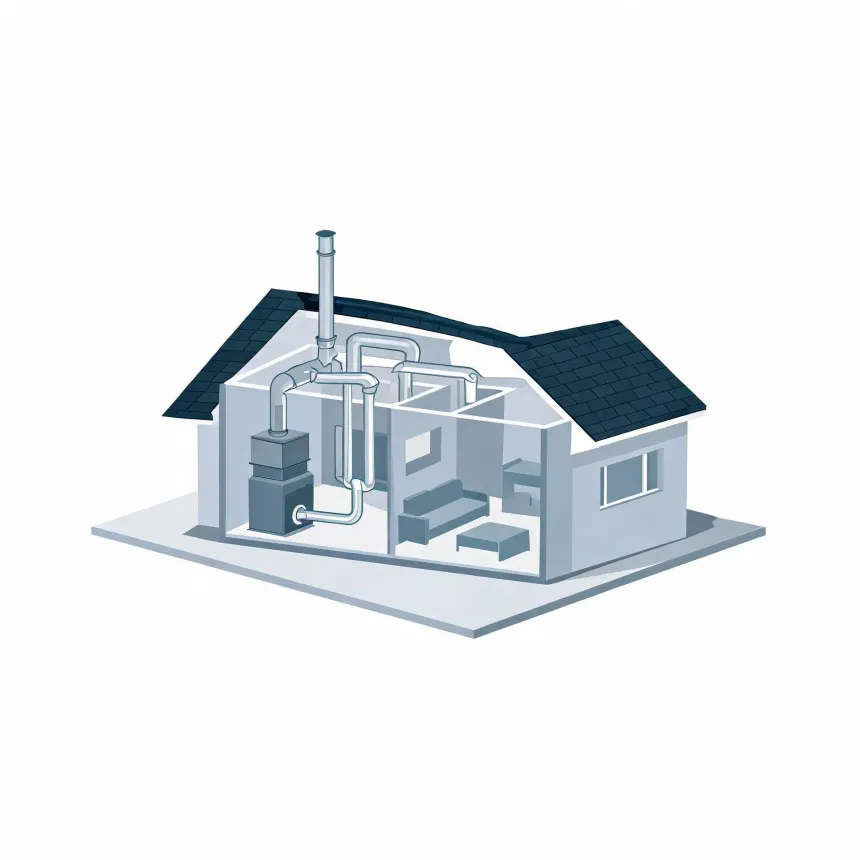
Find a contractorThat runs from November to May, against overnight lows averaging 43 in the worst months. A furnace that has not been pushed hard is usually a furnace worth fixing rather than replacing, since the parts inside have had an easier run than most. If the repair is more than small, ask the technician how many years are left on the rest of it before you decide how far to go.
A heat exchanger with a small crack can still push heat into the house, so the furnace keeps running. Every cycle flexes that metal with heat and lets it cool again, and the crack grows a little more each time. Left alone, it stops being a small repair and becomes a reason to replace the exchanger outright.
If the inducer motor is straining or the pressure switch is reading wrong, the control board may still let the furnace run rather than lock out right away. Running it in that state puts more wear on a part that is already going. Once it fails completely, you are often looking at a part on backorder instead of a same-day fix.
Estimates for a typical San Mateo County home, compared with an older unit built to the previous federal minimum, from EIA household energy data, California fuel prices and NOAA climate normals. Your home will differ.
Repair makes sense when one part has failed and the heat exchanger is sound.
Replacement makes sense when the heat exchanger is cracked or the furnace keeps needing parts.
What decides a repair is which part failed and what it takes to reach it. A blower motor, an igniter, a flame sensor, these are swapped on their own, and doing that keeps an old furnace running another winter without touching anything else. A cracked heat exchanger is a different kind of job, because that part is not sold separately from the labor it takes to get to it, and on a furnace that has already put in decades of work, that cost starts to compete with a new furnace instead of beating it. A technician who opens the cabinet can tell you which kind of repair you are looking at, and on a unit this old that answer matters more than any guess made from outside.