


An unfinished basement containing a metal furnace with ductwork, exposed wooden joists on the ceiling, cardboard boxes, a coiled cable, and a single hanging incandescent bulb.

Furnace Repair in Redding, CA

Tell us about the job

Takes about a minute. No obligation.

RepairFurnace or heatingShasta County, CA
Step 1 of 2

What ZIP code is the job in?

Shasta County gets hit with real weather. Winter storms, including heavy snow, ice and blizzards, struck the county 147 times between 2015 and 2024. Damaging wind came through 51 times in that same stretch, and hail fell on 9 separate occasions. Statewide, 17% of households went at least a full day without power in 2024. None of that is rare here. An outdoor unit can take wind-blown debris or a hard freeze and keep running for a while before the problem shows up, so if your system has been through any of that, it is worth having someone look at it even if the furnace still lights and runs.

8 months
October through May, your furnace is on duty
32°F
the average winter night it heats against
147 winter storms
in ten years, the nights a failure hurts most
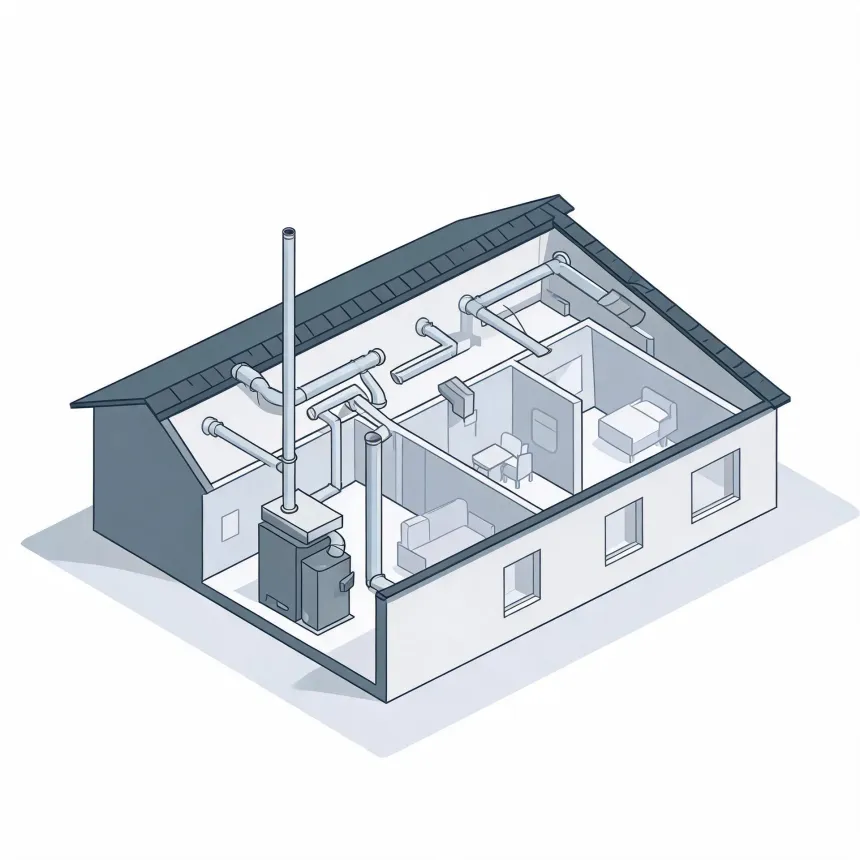
Isometric line illustration of a single-story house cutaway showing interior rooms with furniture, ductwork or piping running along the ceiling, and a boxy furnace unit with a tall vertical flue pipe.
Your furnace works hardest from November through April.

NOAA nClimDiv, 1991–2020 normals

Half the homes in Shasta County were built in 1982 or later.

A furnace that age still has working life in it, so a repair call makes more sense than a replacement quote.

Eight months of heat starts the first cold week of October

Heat runs October through May
Winter nights average 32°F
147 winter storms from 2015 to 2024

A furnace that runs eight months a year is going to show wear, and it usually shows up as one part, not the whole system. If yours has started short cycling or won't stay lit, that's worth a proper look rather than a guess. Swapping parts until one works costs more than testing the one that actually failed. A technician can check the igniter, the flame sensor, or the blower before touching anything bigger, so the repair matches what's actually wrong instead of what seems likely.

After weather like this, get the furnace checked before it fails

If your furnace has been through a hard freeze, wind-blown debris, or this past winter's storms, get it looked at before you assume it's fine. A furnace that still lights and runs can be carrying damage that hasn't shown up yet.

Find a contractor
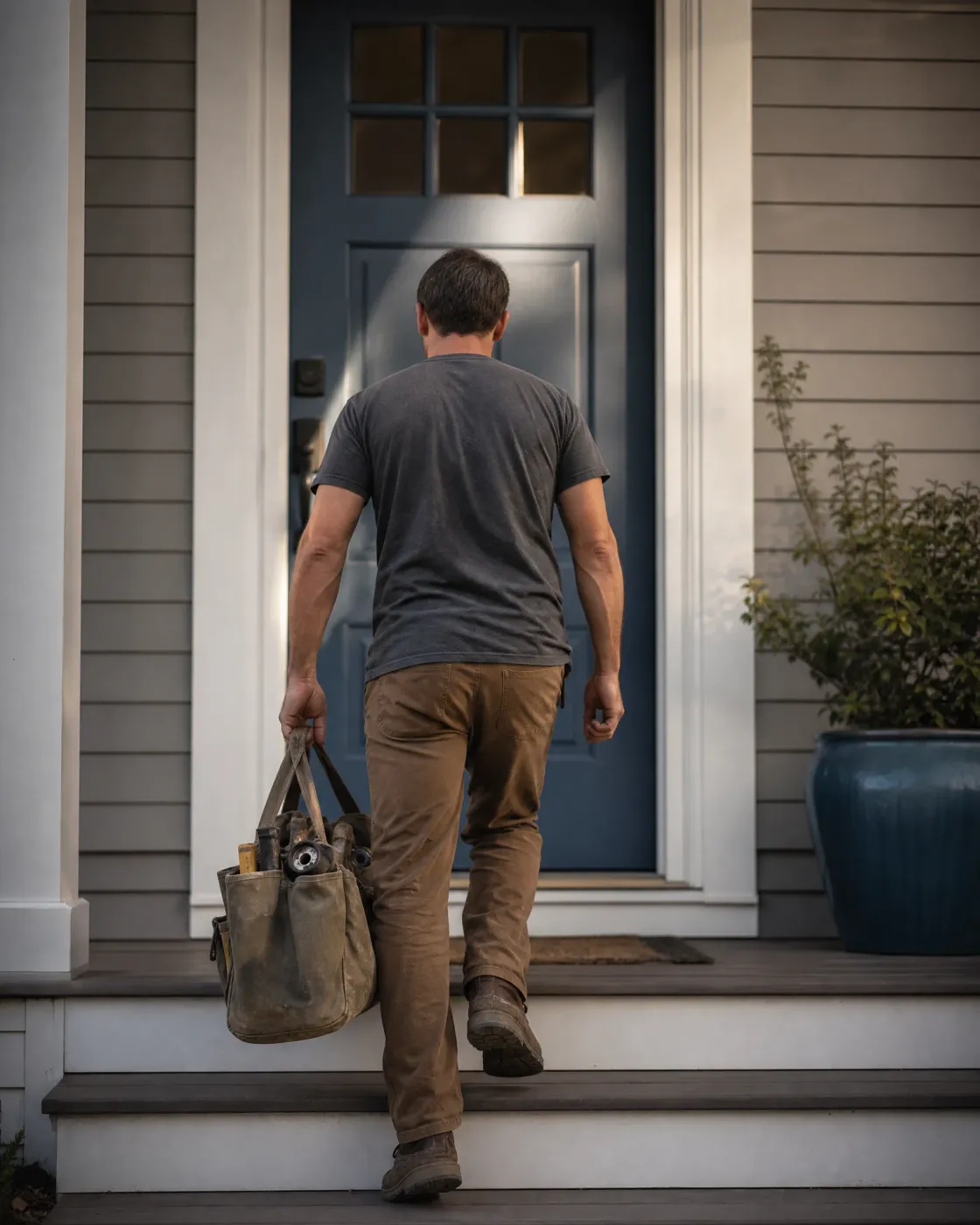
A man in a gray t-shirt and brown work pants carries a canvas tool bag up porch steps toward a blue front door of a house with gray siding.
A gray residential gas furnace installed in an unfinished basement, surrounded by ductwork, a metal flue pipe, and a gas supply line.

Get it looked at before the season finds the weak part

Eight months on is eight months of parts cycling, and the ones that wear don't always announce it right away. If your furnace is on its third or fourth winter storm this season, worth having someone check it now rather than waiting for it to quit on the coldest night. A technician can catch a failing igniter or a blower motor on its way out before it leaves you without heat.

What actually wears out

The igniter is usually the first thing to go. It's a thin strip that heats up to light the burners every single cycle, and that heating and cooling eventually cracks it. The flame sensor gets a coating of residue over time and stops telling the control board that the burner is lit, so the furnace shuts itself down as a safety measure. Blower motor bearings wear from running hours, and a blower that's working harder than it should will shorten its own life. Pressure switches and draft inducers fail from normal cycling too. None of this means something was installed badly. It means the parts did their job long enough to wear out.

Why it's worth a diagnosis, not a guess

Several of these failures look the same from the living room. A furnace that won't stay lit could be a bad flame sensor or a failing igniter, and one costs a lot less to fix than the other. A furnace that blows cold air for a stretch before heating could be a delayed ignition or a blower running at the wrong speed. Guessing which part failed, or replacing the whole unit out of caution, usually costs more than having someone check it. A technician can test the actual part instead of swapping things until one works.

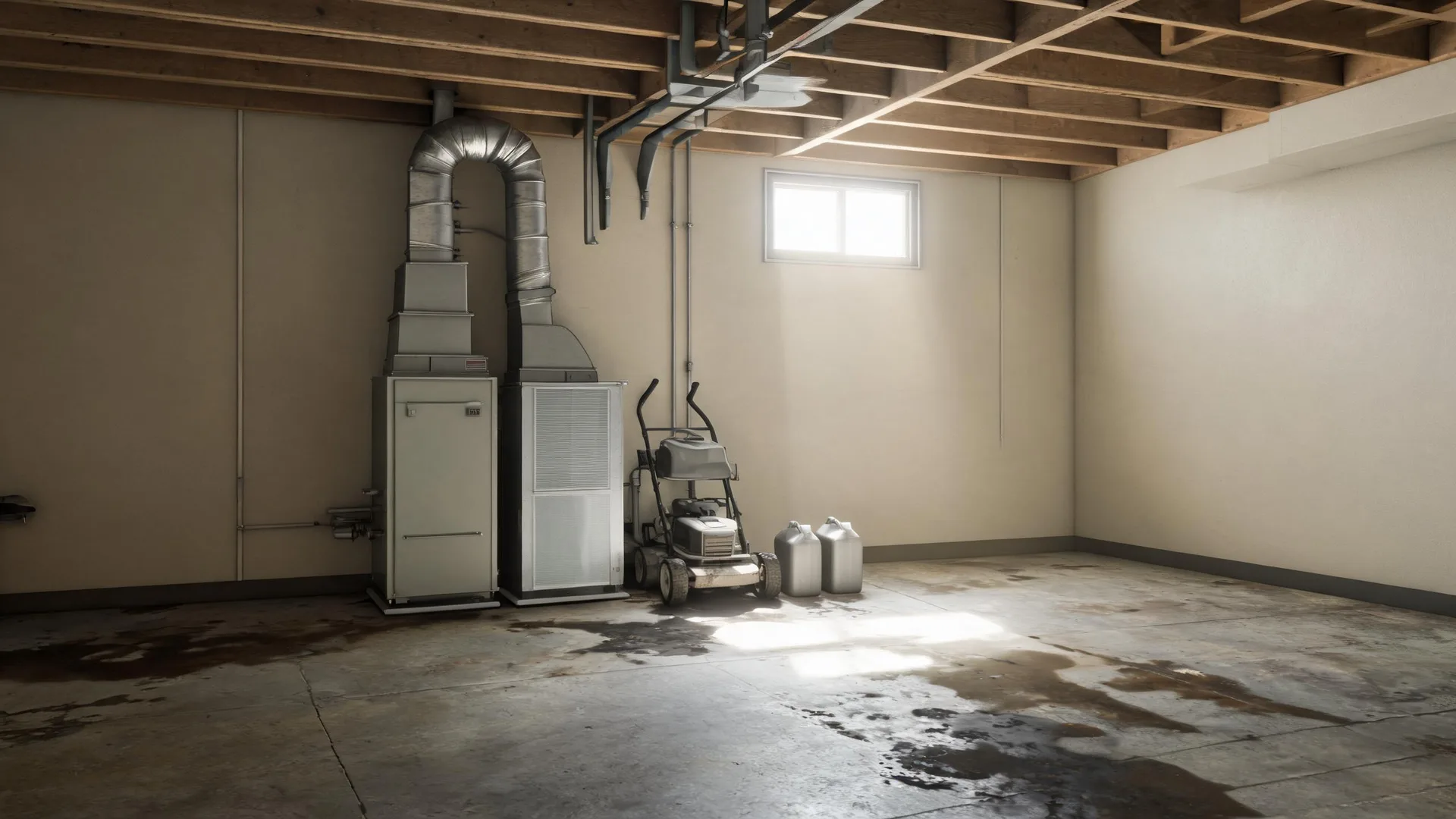
An unfinished concrete basement containing a metal HVAC air handler, exposed wooden ceiling joists with sheet-metal ducts, a hanging bare bulb, copper pipes, and stacked cardboard boxes.

A new furnace would cut about $100 a year off heating for a typical Shasta County home.

  • A new high-efficiency furnace$460 a year
  • An older furnace$560 a year

Estimates for a typical Shasta County home, compared with an older unit built to the previous federal minimum, from EIA household energy data, California fuel prices and NOAA climate normals. Your home will differ.

Repair makes sense when one part has failed and the heat exchanger is sound.

Replacement makes sense when the heat exchanger is cracked or the furnace keeps needing parts.

Not every failure means the furnace is done. Most repairs replace one part, not the whole system, and a furnace can run another several winters on a new igniter or control board. What matters more than age is the pattern. One part failing is normal wear. Several different parts failing within the same year or two is usually a sign the heat exchanger or the blower itself is on its way out, and that changes the math. A technician checks the parts that tend to go first before touching anything expensive, because there is no reason to replace a blower motor when the fix was a cracked igniter.