
Heat pump vs furnace in Shasta County, California

Find a Pro Near You

See real numbers before you choose

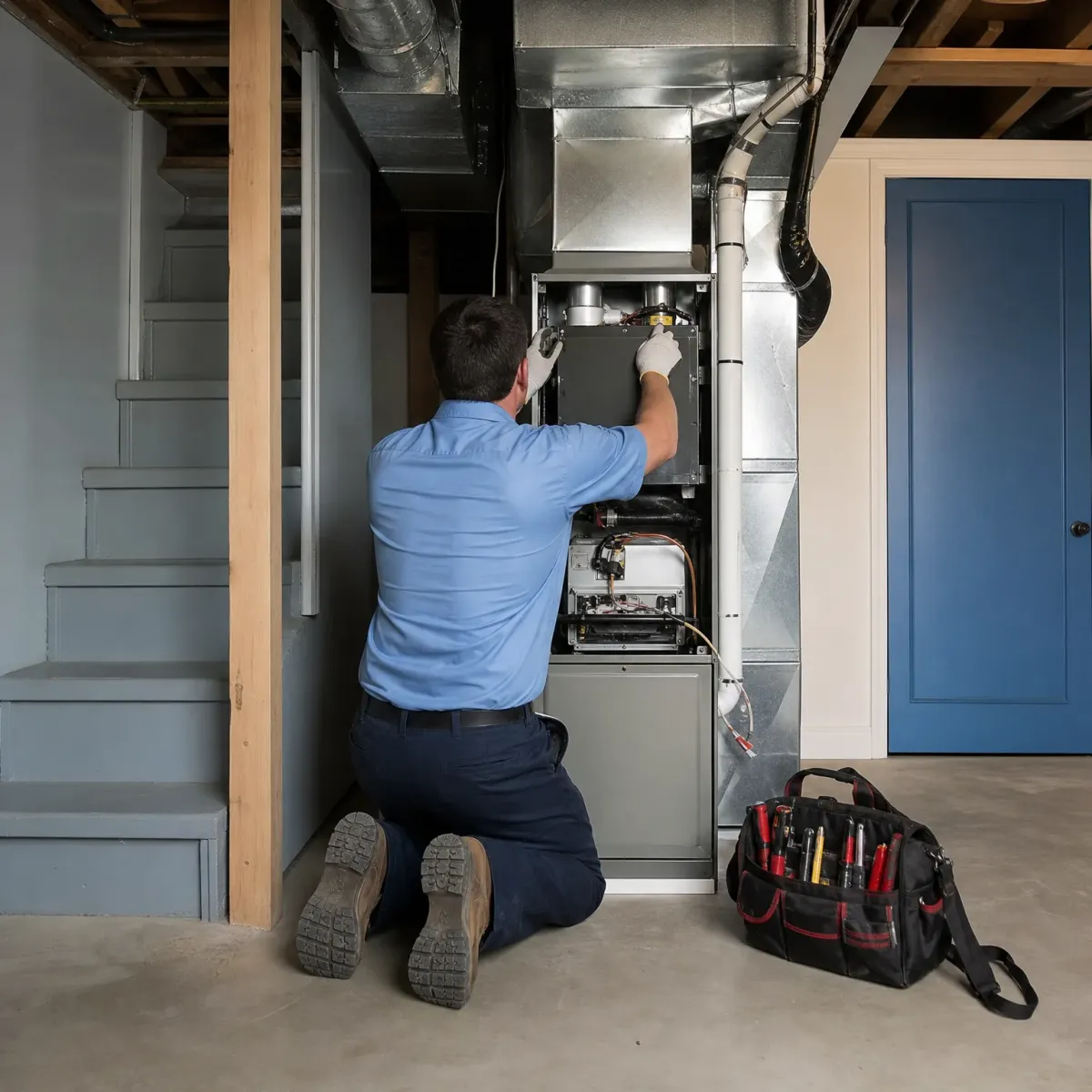
A man in a blue shirt kneels in a basement to work on an open furnace with ductwork overhead, beside a black tool bag filled with hand tools.

Tell us about the job

Takes about a minute. No obligation.

New system or replacementShasta County, CA
Step 1 of 3

What kind of equipment?

Which costs less to run in Shasta County?

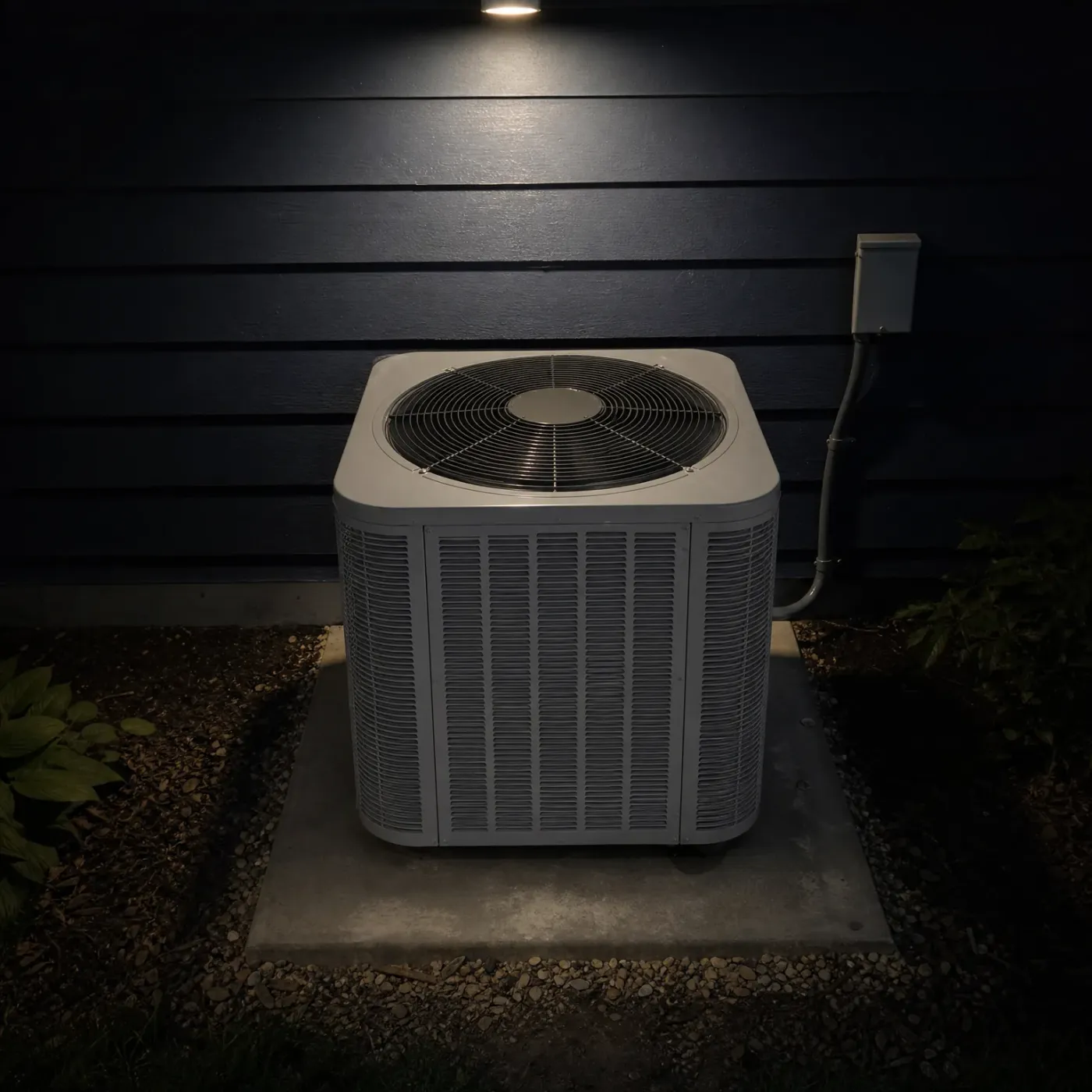
An outdoor air conditioning condenser unit on a concrete pad against a dark horizontal-sided wall at night, lit by a wall light, with conduit and an electrical disconnect box to the right and gravel and plants around the pad.

Heat pump

To heat your home here$4.26per 100,000 Btu

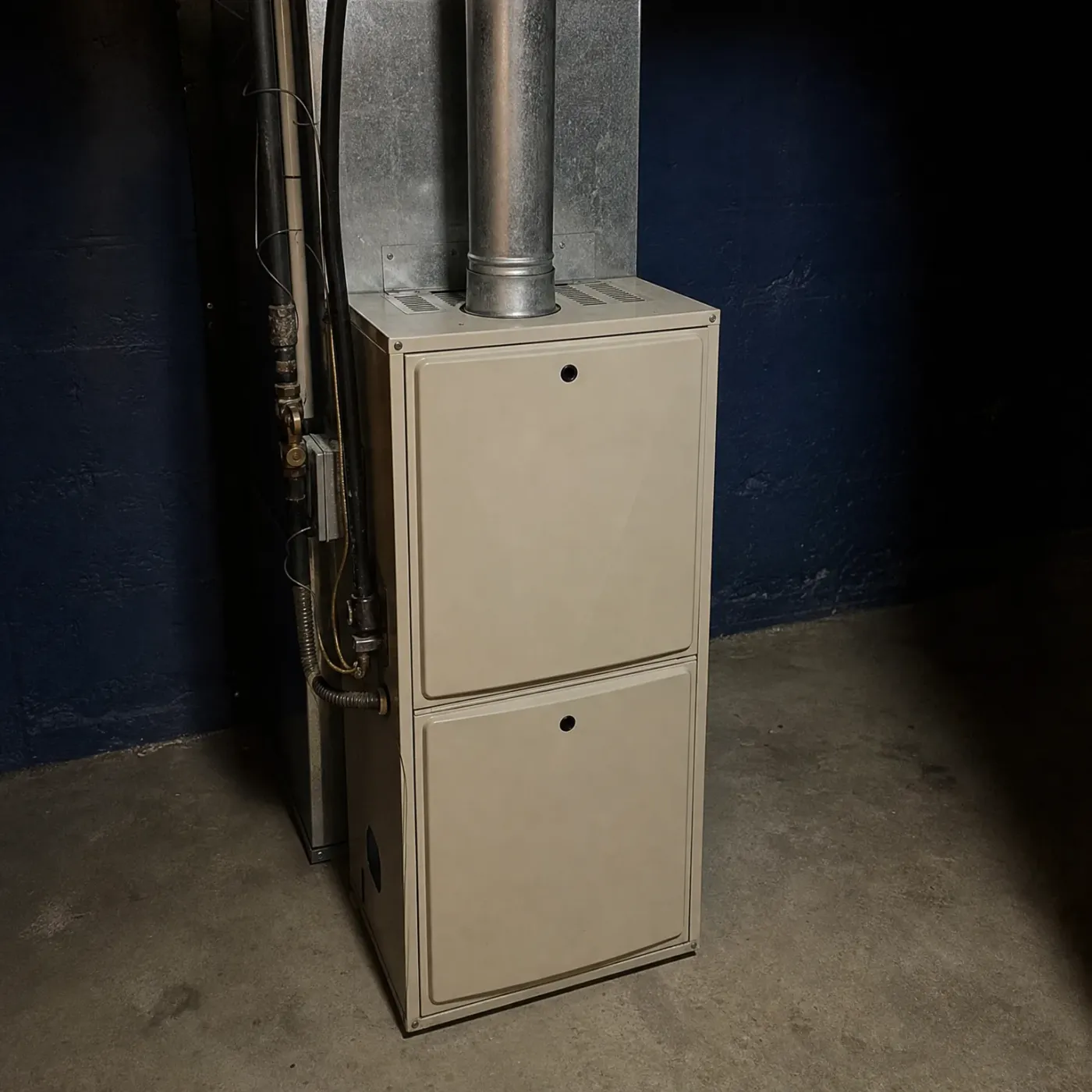
A beige gas furnace with two access panels stands on a concrete floor against a dark blue wall, with a metal flue pipe and plenum above and pipes and wiring to its left.

Furnace

To heat your home here$2.31per 100,000 Btu

At California's gas and electricity prices, a gas furnace makes the same heat as a heat pump for at least 45% less.

Btu stands for British thermal unit, the standard measure of heat energy.

Where does a heat pump shine?

  • No gas line, nothing burning in the house

    It moves heat instead of making it from fire. That means no combustion, no flue and no gas bill for heat.

    A kitchen with navy cabinets, white subway tile backsplash, wooden open shelves holding bowls and plants, a light speckled island with an induction cooktop, a blue kettle and mug, two wooden stools, and a window over the sink.
  • Heats and cools in one system

    A heat pump runs the same way all year. It pulls heat into the house in winter and pushes it out in summer.

    Living room with a cream sofa holding navy and blue cushions and a grey fringed throw, a wooden coffee table with a glass vase of greenery, a dark blue built-in shelving unit, a stone column, and a large window looking onto a green garden.
  • Steady, even comfort

    A heat pump runs long and low instead of blasting on and off. Rooms hold an even temperature all day.

    A dimly lit living room with a cream armchair holding an open book and a gray throw, a brass floor lamp, built-in bookshelves, a stone fireplace, a snowy window, and a golden retriever sleeping on a patterned rug.

Where does a furnace shine?

  • Pairs with any central AC

    Most central air systems are built around a furnace. The two share the blower, the ducts and the thermostat.

    Sunlit room corner with a hardwood floor, a metal floor vent near the baseboard, sheer white curtains at a window, a woven basket with a light blue fringed throw beside a dark blue cabinet, and a blue and tan rug in the foreground.
  • Fast, strong heat on demand

    The air coming from the vents feels genuinely hot. That's welcome on a freezing morning.

    A mudroom with a navy cushioned bench holding a cream throw, woven storage baskets beneath, a steaming mug, coats and a plaid scarf on hooks, and snowy boots on a gray mat beside a dark blue door with a sheer curtain and a snow-covered view outside.
  • Proven, simple, easy to get serviced

    Parts are easy to find and most repairs are routine. Getting one fixed rarely means waiting on a specialist.

    A gloved hand holds a large white pleated air filter in front of a dark furnace, beside wooden shelves holding a storage bin, folded clothes, and a wicker basket.

Cold enough to matter, not cold enough to decide it

Winters here are mild more than they are cold. The overnight low averages 32°F across December, January and February, and it drops to freezing or below on about 25 nights a year. Out of the roughly 245 nights in the eight months your heat runs, that is under a quarter of them. Nights at 0°F are rare enough that the county sees fewer than one a year.

That matters because of how a heat pump works. A standard central heat pump puts out less than its rated heating capacity once it is below 40°F outside, and below about 35°F it often needs backup heat to keep up. Your average winter low of 32°F sits below both marks, and so does every one of those 25 freezing nights. That is the case against a heat pump here, and it is a real one. But it is also a narrow one. It applies on a minority of nights in a season that runs eight months, not all winter.

Cold climate heat pumps exist for exactly this situation. To earn the ENERGY STAR Cold Climate label, a heat pump has to keep at least 70 percent of its 47°F heating capacity at 5°F, tested by a third party, not claimed by the maker. A two winter field test of prototype cold climate models in occupied homes backed this up: backup heat covered only a small share of the load between 0°F and 35°F, and running on backup alone was rare even above 0°F. Shasta County rarely sees 0°F at all. A furnace never has this problem, because it makes full heat the same way at any outdoor temperature. That is its one unqualified advantage over a standard heat pump here.
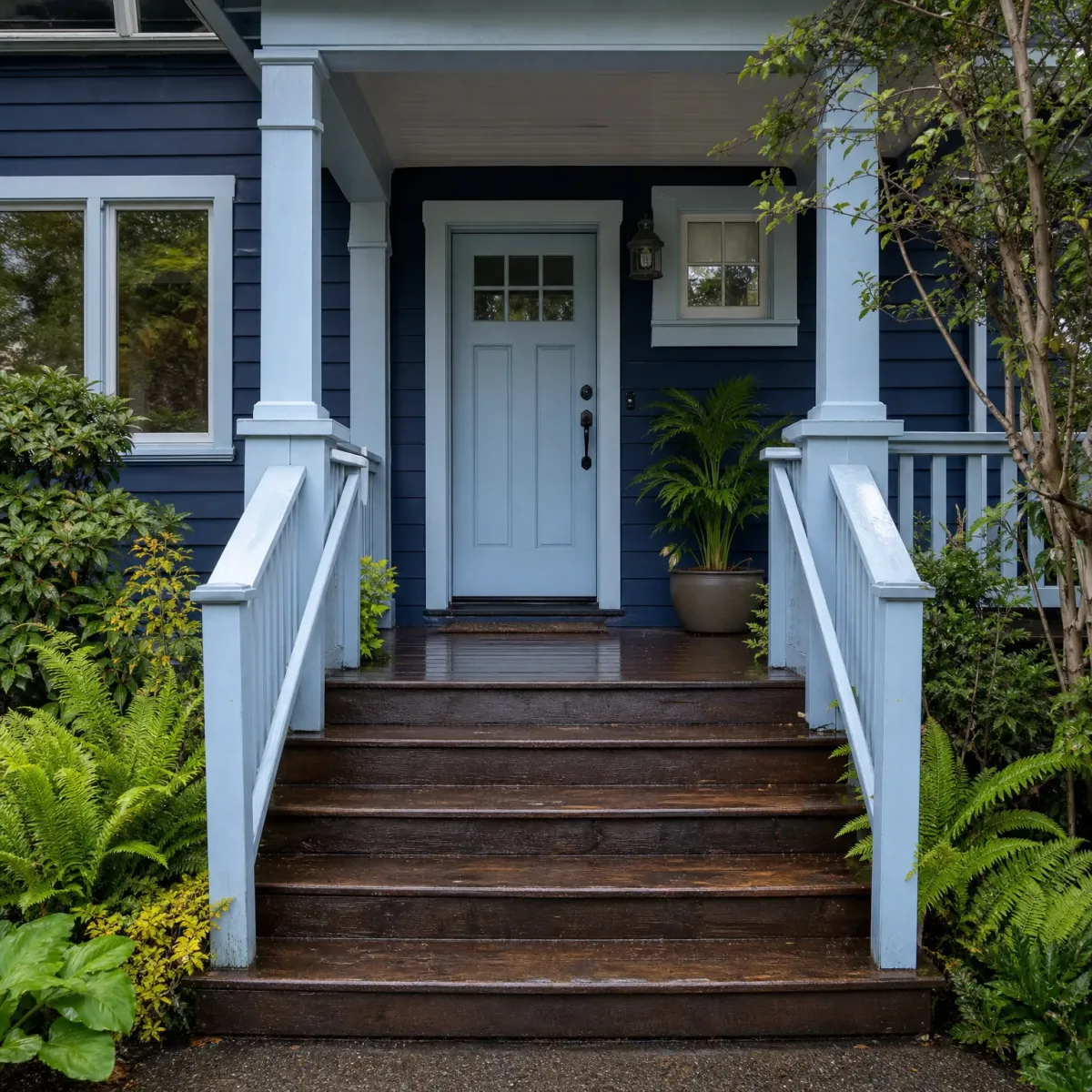
A navy blue clapboard house entrance with a light blue door, white columns and railings, wet dark wood steps, a potted palm, and ferns and shrubs on both sides.

What each one costs to run, and what it does the rest of the year

On running cost, the furnace wins outright. At California's prices, a gas furnace built to the federal minimum makes the same heat for $2.31 per 100,000 Btu against $4.26 for a heat pump built to its federal minimum, no backup heat added in. That is close to half. Gas is the cheaper fuel here, $18.44 per million Btu against $93.69 for electricity, and that gap is the whole reason. If running cost were the only question, the furnace would be the answer.

But a furnace only heats. For the four months a year this county runs cooling, June through September, with highs of 90°F or hotter on about 100 days, a furnace does nothing. It has to be paired with a separate central air conditioner to cover that part of the year. A heat pump heats and cools from the same system, no second machine to install or maintain.

So the choice comes down to what you are weighing against what. If you already have central air, or your house is set up for a furnace and gas line, the furnace heats for less and you lose nothing, since the AC is already handled. If you are choosing a system from scratch, or your air conditioner is near the end of its life anyway, a heat pump covers both seasons as one piece of equipment, and in this county's mild winters, especially a cold climate model, it will be doing full duty on all but a minority of nights. Gas heat is already the more common choice locally, used in 42.1% of homes against electricity's 33.6%, which tracks with the cost difference. Neither number tells you which setup is already in your walls. That is the thing to check before you decide.

Sources: NOAA nClimDiv · NOAA 1991–2020 seasonal normals · Census ACS 2020–2024 · EIA SEDS 2024 · 10 CFR 430.32 · PNNL Building America guide · PNNL-37127 field study · ENERGY STAR product criteria

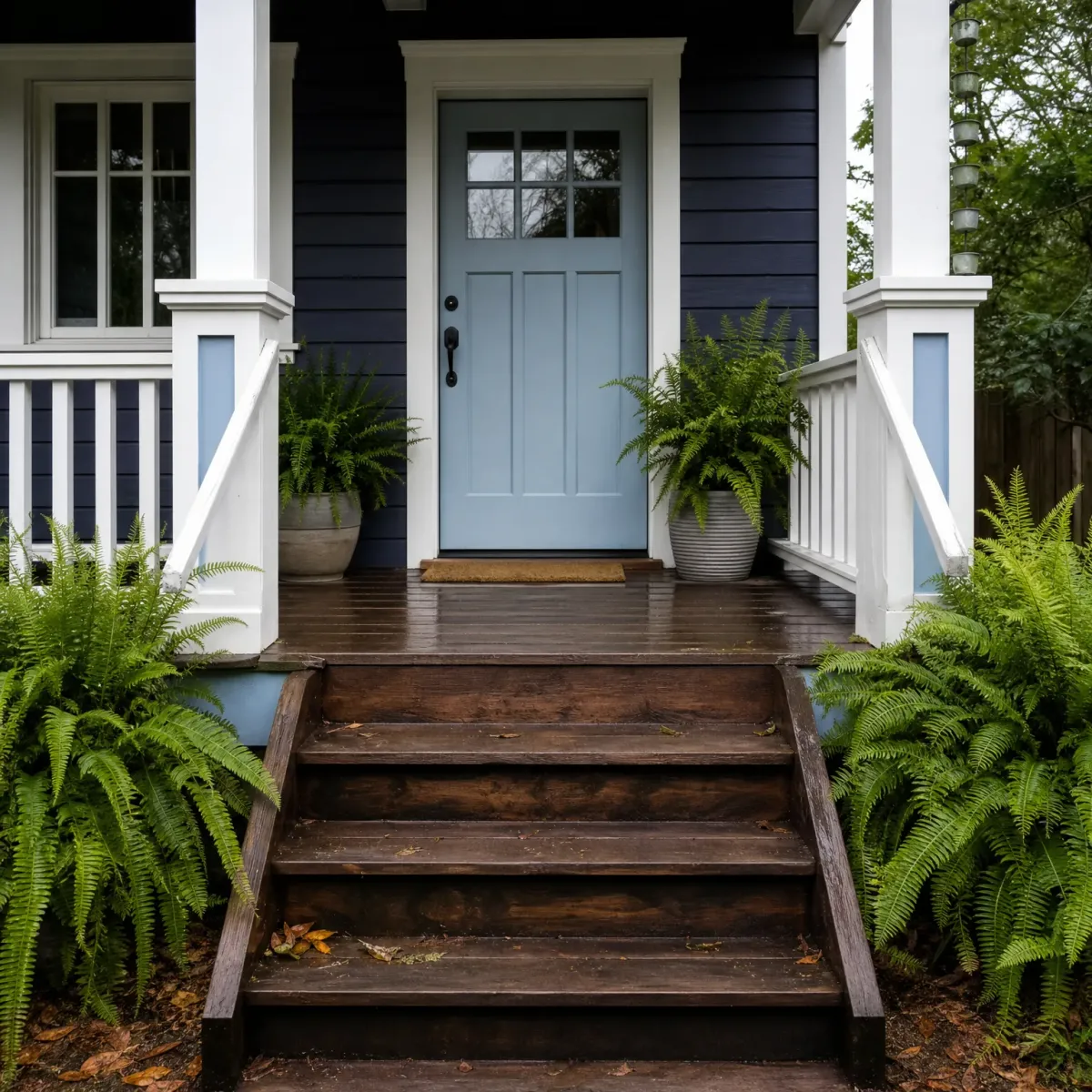
A navy-blue clapboard house with a light blue front door, white trim and porch railings, wet dark wood steps leading up to the porch, and potted ferns flanking the door with more ferns growing beside the stairs.

Common questions about heat pumps and furnaces

  • Will a heat pump keep my house cool enough here?

    Yes. A heat pump cools the same way a central air conditioner does, and Shasta County afternoons reach 90°F or above about 100 days a year, which is a normal load for either machine to handle.

  • Can I keep my furnace and add a heat pump?

    Yes, that pairing is called a dual fuel system. The heat pump carries the heating load most nights, and the furnace takes over when it gets too cold for the heat pump to run efficiently, which here is on the coldest of the roughly 25 nights a year at or below freezing.

  • What if my house doesn't have a gas line?

    Without a gas line, the choice is a heat pump, electric resistance heat, or a furnace burning propane or oil. A heat pump costs less to run than electric resistance heat, since it moves heat rather than generating it directly from electricity.

  • Is a heat pump cheaper to run than a furnace in Shasta County?

    No. A gas furnace costs $2.31 per 100,000 Btu to heat your home here against $4.26 for a heat pump, so the furnace runs for less at California's gas and electricity prices.