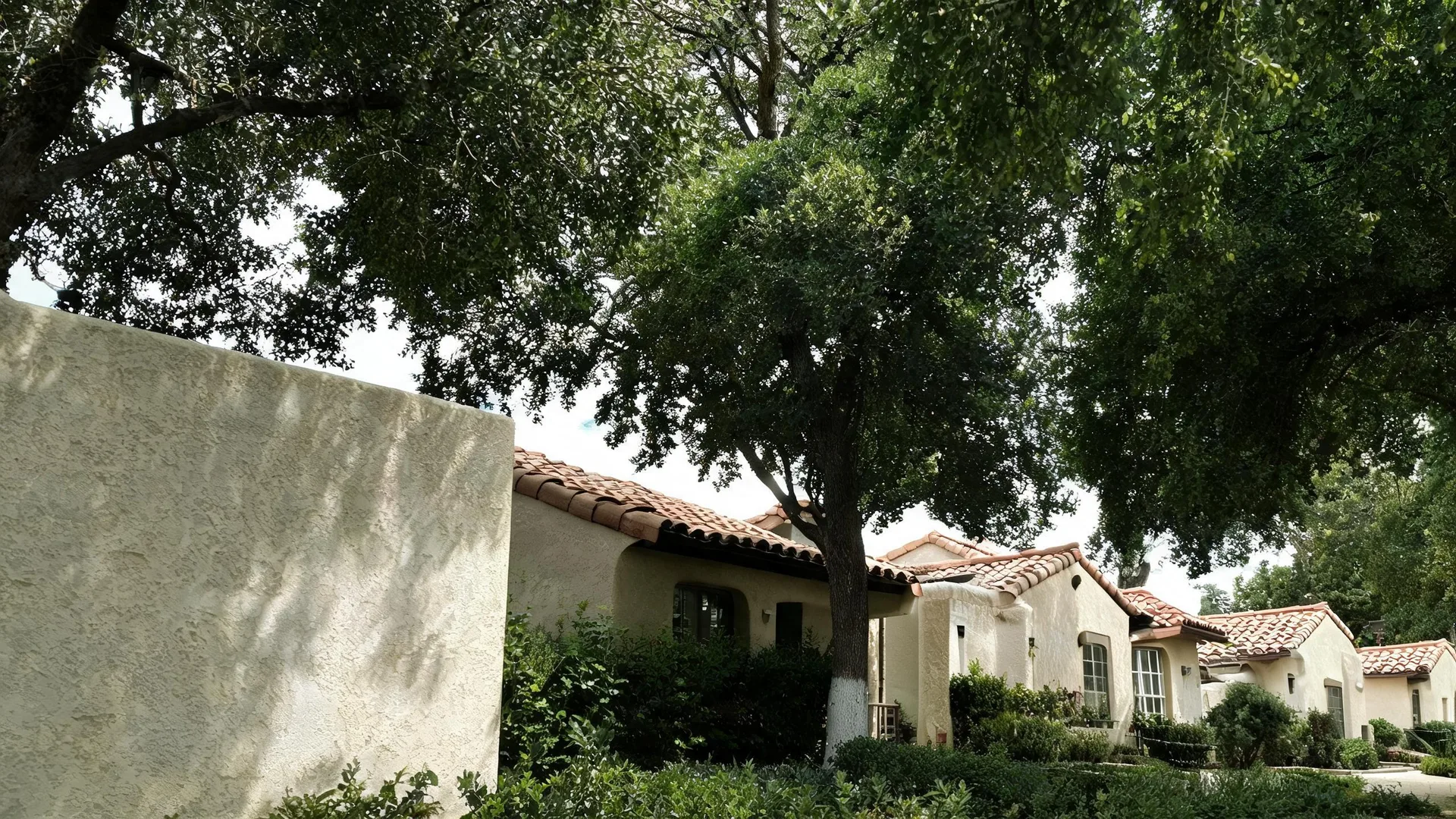

Cream stucco single-story buildings with red clay tile roofs behind a tall stucco wall, shaded by large leafy trees and fronted by trimmed shrubs.

Furnace Repair in Marysville, CA

Tell us about the job

Takes about a minute. No obligation.

RepairFurnace or heatingYuba County, CA
Step 1 of 2

What ZIP code is the job in?

Yuba County saw 295 severe weather events between 2015 and 2024, and winter storms made up most of that, with 239 recorded. Wind hit 54 times in the same stretch. A furnace doesn't take the brunt of that the way an outdoor AC unit does, but the power behind it does. Statewide, 17% of California households went at least 24 hours without power last year. A furnace with a gas burner still needs electricity to run the blower and the control board, so when the power drops, so does your heat, no matter how much gas is left in the line.

6 months
November through April, your furnace is on duty
38°F
the average winter night it heats against
239 winter storms
in ten years, the nights a failure hurts most
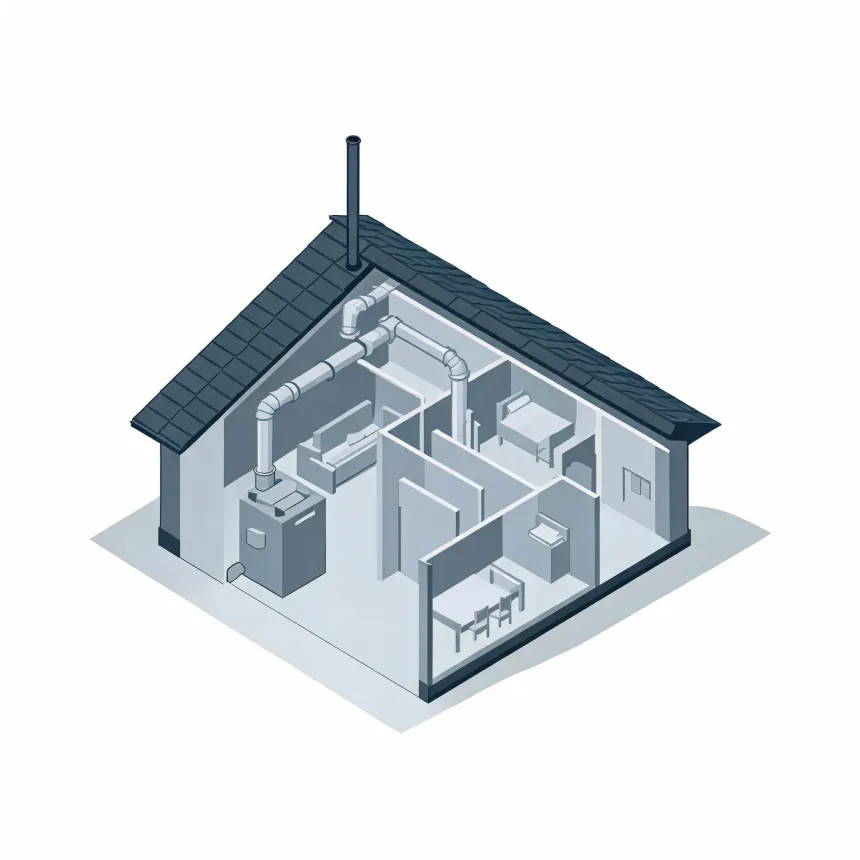
Isometric cutaway illustration of a small single-story house showing interior rooms with furniture, a furnace unit with attached ductwork running to a roof flue, and a dark shingled roof.
Your furnace works hardest from November through March.

NOAA nClimDiv, 1991–2020 normals

Half the homes in Yuba County were built in 1986 or later.

A furnace that age still has plenty of working life, which is why repair usually makes more sense than replacement.

Marysville furnaces start the cold stretch in November, and that's when a weak part gives out

Heat runs November through April
Climate zone 3B
Winter nights average 38°F

A furnace acting up in a house built in 1986 or later is still well within its working life, and that's worth knowing before you decide anything. Get the part diagnosed before you consider replacing the unit. Most furnace failures come down to one thing: an igniter that won't light the burner, a flame sensor that's stopped reading the flame, a control board that's quit sending signals. A tech can test for the failed part and replace it without touching the rest of the system. Mobile homes are about 8% of the housing here, and those often run different furnace setups, so it's worth asking the tech directly how that affects the repair. Replacement makes more sense for a furnace that's old and failing on multiple fronts, not for a newer one with a single bad part.

After an outage, have the furnace looked at before the next one hits

If the power went out this winter, get the furnace checked once it's back on, even if the heat came back too. The blower and control board take the same hit the rest of the house's power does, and a part can come through a surge weaker than it was.

Find a contractor
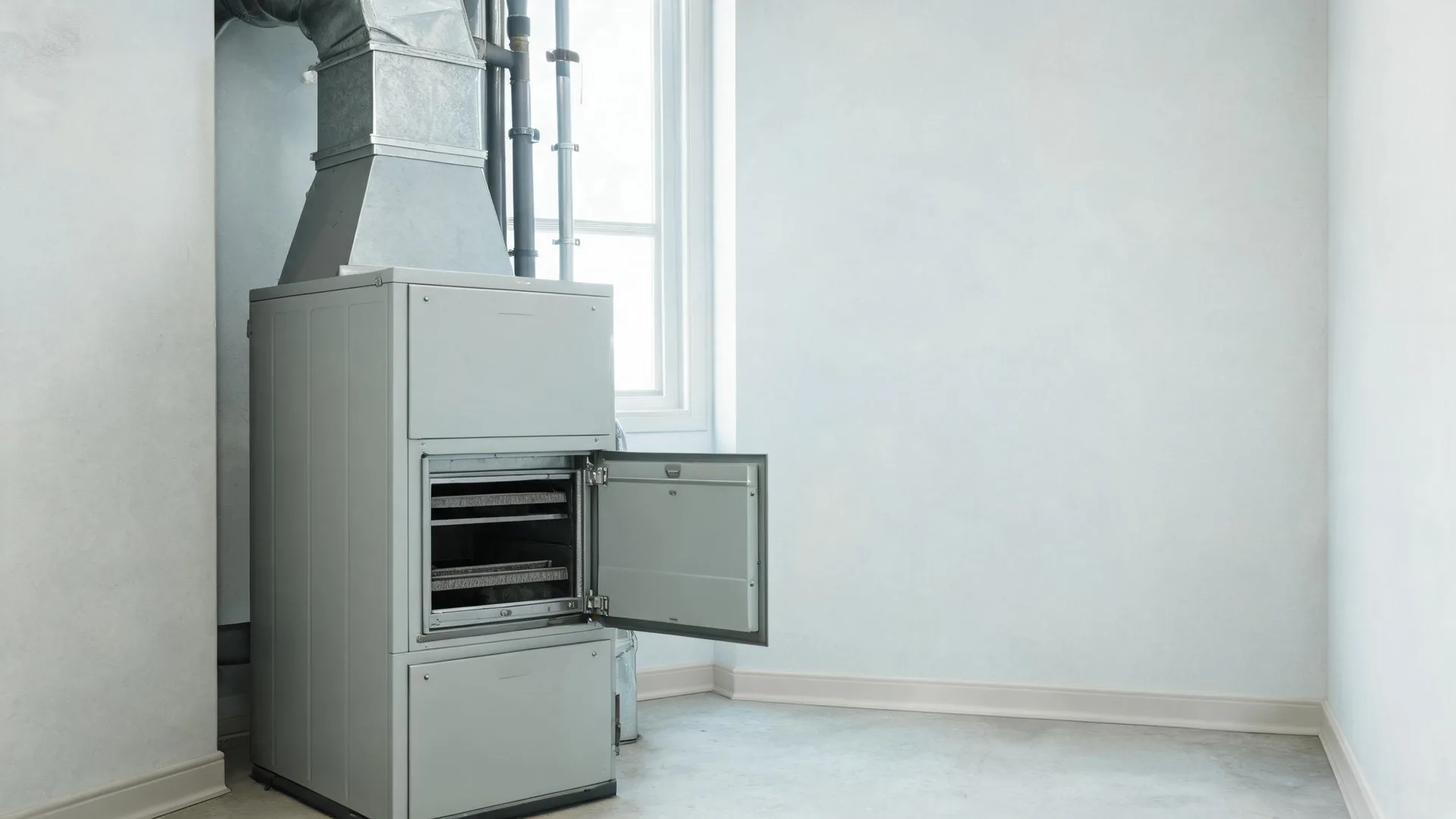
A gray residential gas furnace installed in an unfinished basement, surrounded by ductwork, a metal flue pipe, and a gas supply line.

The furnace tells you before it quits

A furnace that runs every day for months doesn't fail without warning. It tells you first. A burner that used to light right away starts taking two or three tries. A blower that used to come on quiet starts rattling or squealing before it settles down. The air coming out of the vents feels cooler than it used to, like the burner is cutting off early instead of running its full cycle. Any of those is a part wearing toward the end of its life, not a system wearing out. The longer a bad igniter or a cracked flame sensor gets ignored, the more it makes the furnace cycle on and off trying to compensate, and that short-cycling puts wear on the blower motor and the control board too. A furnace caught early costs you one part. A furnace caught late can cost you three.

Check the simple things first

Make sure the thermostat is set to heat and the setpoint is above room temperature. Check the furnace switch, it looks like a light switch near the unit and it's easy to bump off. Look at the breaker panel for a tripped breaker. If the furnace has a standing pilot, check whether it's lit. None of this needs tools, and it rules out the things that aren't actually a repair.

Know what not to touch

The filter is fair game, a dirty one chokes airflow and can cause the furnace to overheat and shut itself down, so swap it if it looks gray or clogged. Past that, leave the burner assembly, the control board and the gas valve alone. If you smell gas, don't flip switches or look for the leak yourself, get everyone out and call the gas company from outside the house.

An unfinished basement containing a gray HVAC furnace with ductwork, exposed wooden joists, a concrete floor, and miscellaneous clutter in one corner.

A new furnace would cut about $60 a year off heating for a typical Yuba County home.

  • A new high-efficiency furnace$310 a year
  • An older furnace$370 a year

Estimates for a typical Yuba County home, compared with an older unit built to the previous federal minimum, from EIA household energy data, California fuel prices and NOAA climate normals. Your home will differ.

Repair makes sense when one part has failed and the heat exchanger is sound.

Replacement makes sense when the heat exchanger is cracked or the furnace keeps needing parts.

A diagnostic visit starts with the tech asking what the furnace was doing before it quit: delayed ignition, short cycling, no heat at all. That narrows down where to look before any panel comes off. From there they'll check for power to the control board, test the igniter or pilot assembly, and check that the flame sensor is reading properly once the burner lights. A pressure switch or limit switch can also shut the whole system down as a safety response, so the tech checks those rather than assuming the worst part failed. Most of this gets tested with a multimeter, not guesswork, so the part that gets replaced is the part that actually failed. A straightforward call usually ends with one part swapped and the furnace fired back up to check the burner holds a steady flame and the blower runs clean.