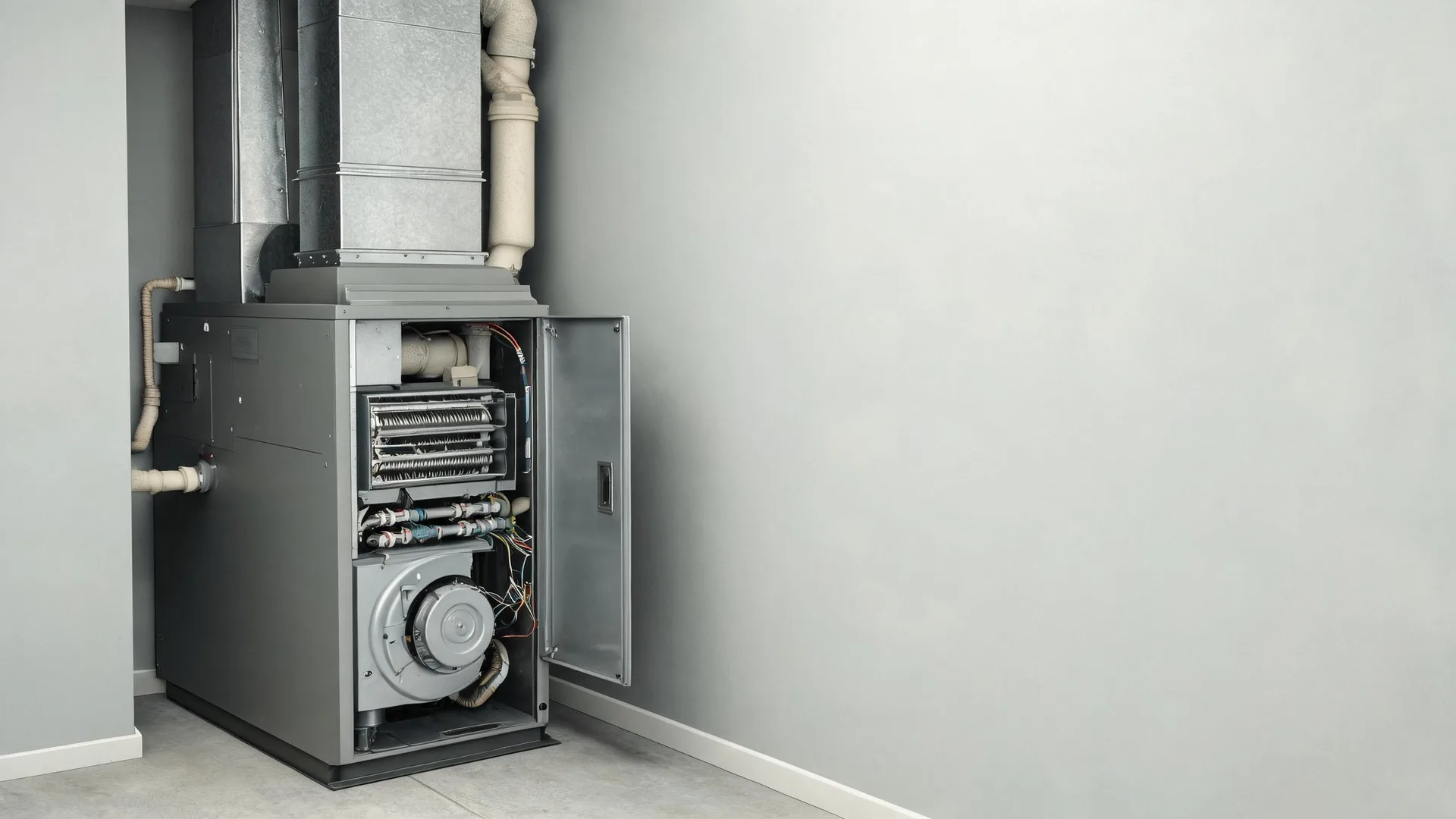
Nine months of real use
Furnaces here run from October through June, not just a cold snap in January. That's most of the year asking the igniter, the blower motor and the gas valve to cycle on demand.
Takes about a minute. No obligation.
Furnaces here run from October through June, not just a cold snap in January. That's most of the year asking the igniter, the blower motor and the gas valve to cycle on demand.
Nothing about San Rafael winters pushes a furnace past what it's built for. Overnight lows average 43°F, which is mild work for a furnace. When one acts up, it's almost always a known failure point, and worth tracking down rather than replacing the unit outright.
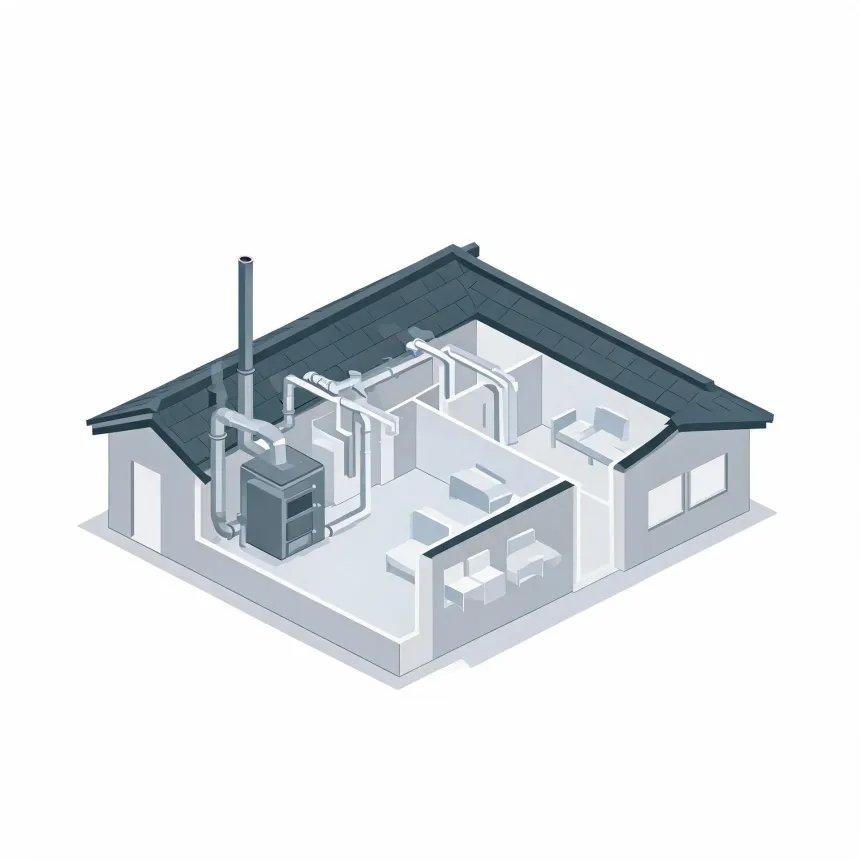
NOAA nClimDiv, 1991–2020 normals
September is the last quiet month before the furnace takes on nine months of work.
A weak igniter or a tired blower motor usually shows itself in the first cold weeks of October, not months into the season.


Nothing about this area is especially hard on it. It's most likely the usual problem with the usual fix.
Find a contractor
Furnaces fail in a handful of predictable ways, and almost none of them are dramatic. The igniter is first on the list. It's a thin strip that heats up to light the gas, and it weakens a little every time it cycles until one day it doesn't glow hot enough and the furnace tries, fails, and shuts itself down. A flame sensor gets a coat of residue over time and stops telling the control board that flame is actually present, so the board shuts the gas valve as a safety measure even though everything else is fine. Blower motors wear out at the bearings, and before they quit outright they usually get loud or start running slower than they should. The gas valve itself rarely fails, but its wiring and connections are worth a look when a furnace won't fire at all. The one that matters most is the heat exchanger. Metal that heats and cools every cycle can eventually crack, and a cracked exchanger is a safety issue, not a performance one. None of these parts fail because a winter was harsh. They fail from plain use, the same way anywhere.
Make sure the thermostat is set to heat and the setting is above room temperature. Check the furnace switch, it looks like a light switch on or near the unit, and make sure it's on. Look at the breaker for the furnace in the electrical panel. If the furnace has a standing pilot, see if it's lit. Change the air filter if it's visibly dirty, a clogged filter can cause the furnace to shut down on its own.
Notice what the furnace does before it fails. Does it try to start and shut off, run for a while then stop, or not respond at all. Listen for clicking, a hum with no flame, or a loud blower. Check if there's a smell of gas, and if so, leave the house and call the gas company before anyone touches the furnace. Any error code or blinking light on the control board is worth writing down exactly as it appears.
Estimates for a typical Marin County home, compared with an older unit built to the previous federal minimum, from EIA household energy data, California fuel prices and NOAA climate normals. Your home will differ.
Repair makes sense when one part has failed and the heat exchanger is sound.
Replacement makes sense when the heat exchanger is cracked or the furnace keeps needing parts.
A diagnostic visit starts before any panel comes off. A tech asks what the furnace was doing right before it quit. A unit that tries and shuts off points somewhere different than one that never responds at all. From there it's a set sequence. Check for power and gas reaching the unit. Pull the panel and look at the igniter or pilot. Check that the flame sensor is reading properly. Watch a full cycle if the furnace will run one. Each step rules something out rather than guessing at it. A clean diagnosis means knowing exactly which part failed before anything gets replaced, not swapping parts until one works.