



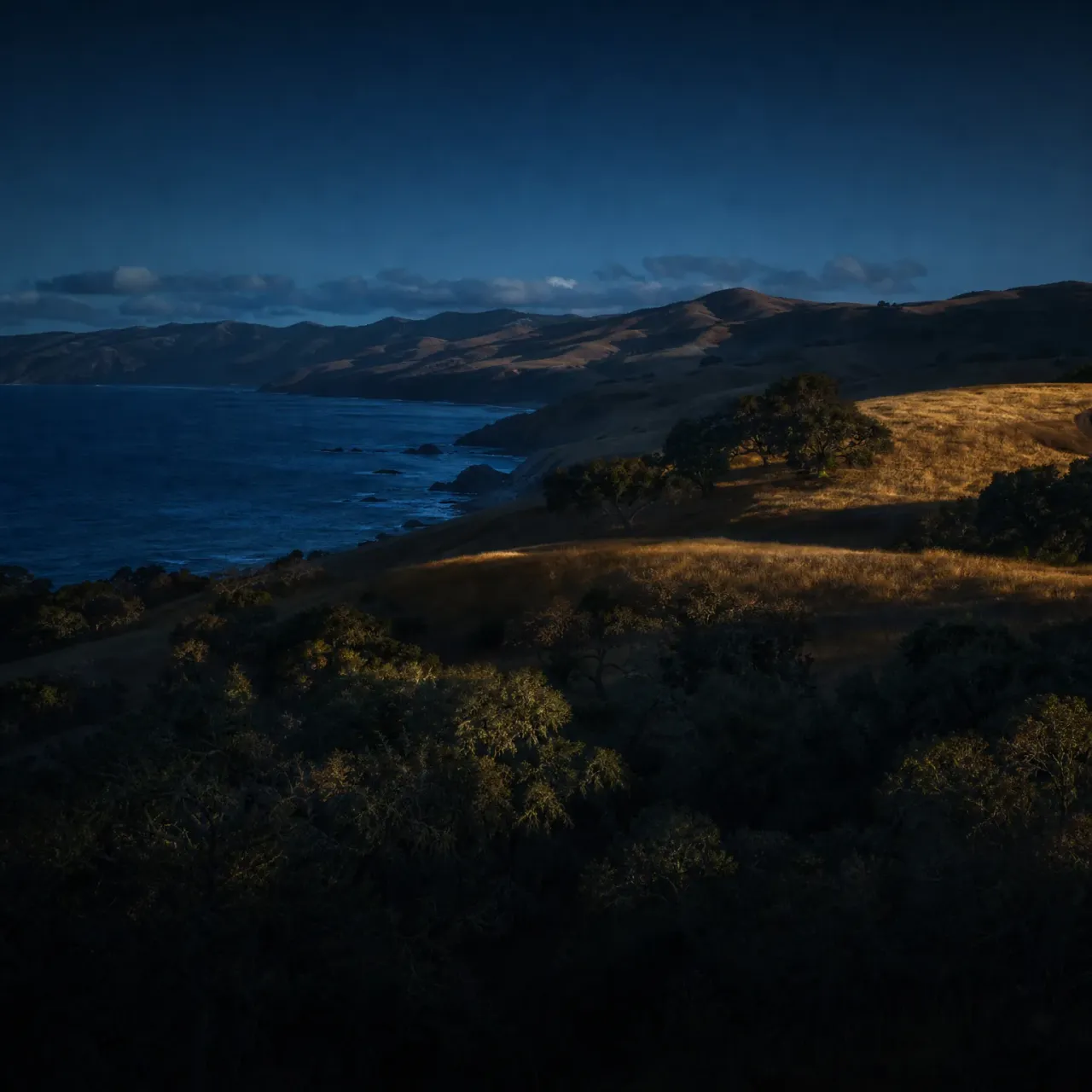

A gas furnace with sheet-metal ductwork and PVC pipes installed in an unfinished basement.

Furnace Maintenance in Chico, CA

Tell us about the job

Takes about a minute. No obligation.

Tune-up, service, or cleaningFurnace or heatingButte County, CA
Step 1 of 2

What ZIP code is the job in?

Furnace here runs November through April, about six months straight. Overnight lows average 37 degrees through December, January and February, so it's working through a real stretch of cold, not just a few chilly nights. One check before that stretch begins is enough to catch a weak igniter or a cracked heat exchanger before it fails on the coldest week. There's no reason to do it more than once a year. Get it looked at before November and the furnace is set for the winter ahead.

November is not a slow start for this furnace, it runs hard from day one.

October is the month to get it checked, before that first cold stretch hits.

Most of Chico heats with gas, so the burner matters as much as the filter

45.4% of homes heat with gas
Heat runs November through April
Winter nights average 37°F
Chico's furnace stock is still youngHalf the homes in Butte County were built in 1981 or later

A furnace usually gives some warning before it quits. Listen for a rattle when it kicks on, or a burner that takes a few tries to light instead of catching right away. Watch the flame through the viewing window. It should burn steady and blue. Yellow or flickering means the burner isn't getting clean air, and that's worth having looked at instead of waiting it out. Short cycling, where it turns on and off every few minutes instead of running a full stretch, usually points to a clogged filter or a failing sensor. None of these mean the furnace is done. They mean it's asking for a look before it picks its own time to fail.

Keep a newer furnace running like one

A furnace that's still within its working life is worth keeping there. A yearly check catches a weak igniter or a cracked heat exchanger while they're still small, so the furnace you have now is the one still running years from now.

Find a contractor
A gas furnace with attached ductwork, gas piping, and condensate lines installed in a concrete-block basement.

What the filter hides

A burner that lights fine on a mild day can still be burning dirty, and you won't see it from the kitchen. A tech pulls the burner assembly and checks the flame pattern up close, not through the viewing window. They check amp draw on the blower motor, because a motor pulling too much current is working harder than it should even while it still spins fine. They check the flue for a solid draft, so exhaust is actually leaving the house instead of backing up. A heat exchanger gets checked for hairline cracks too, which matters on any furnace no matter how new, since a crack can start well before the unit is old. None of that shows up as a symptom you'd notice. It shows up later as a furnace that quits.

A tune-up isn't just a filter swap

Swapping the filter and listening for the burner to catch takes a few minutes and misses almost everything that actually fails. A thorough check means pulling the burner assembly, inspecting the heat exchanger for cracks, and testing the flame sensor and igniter instead of just watching them work once.
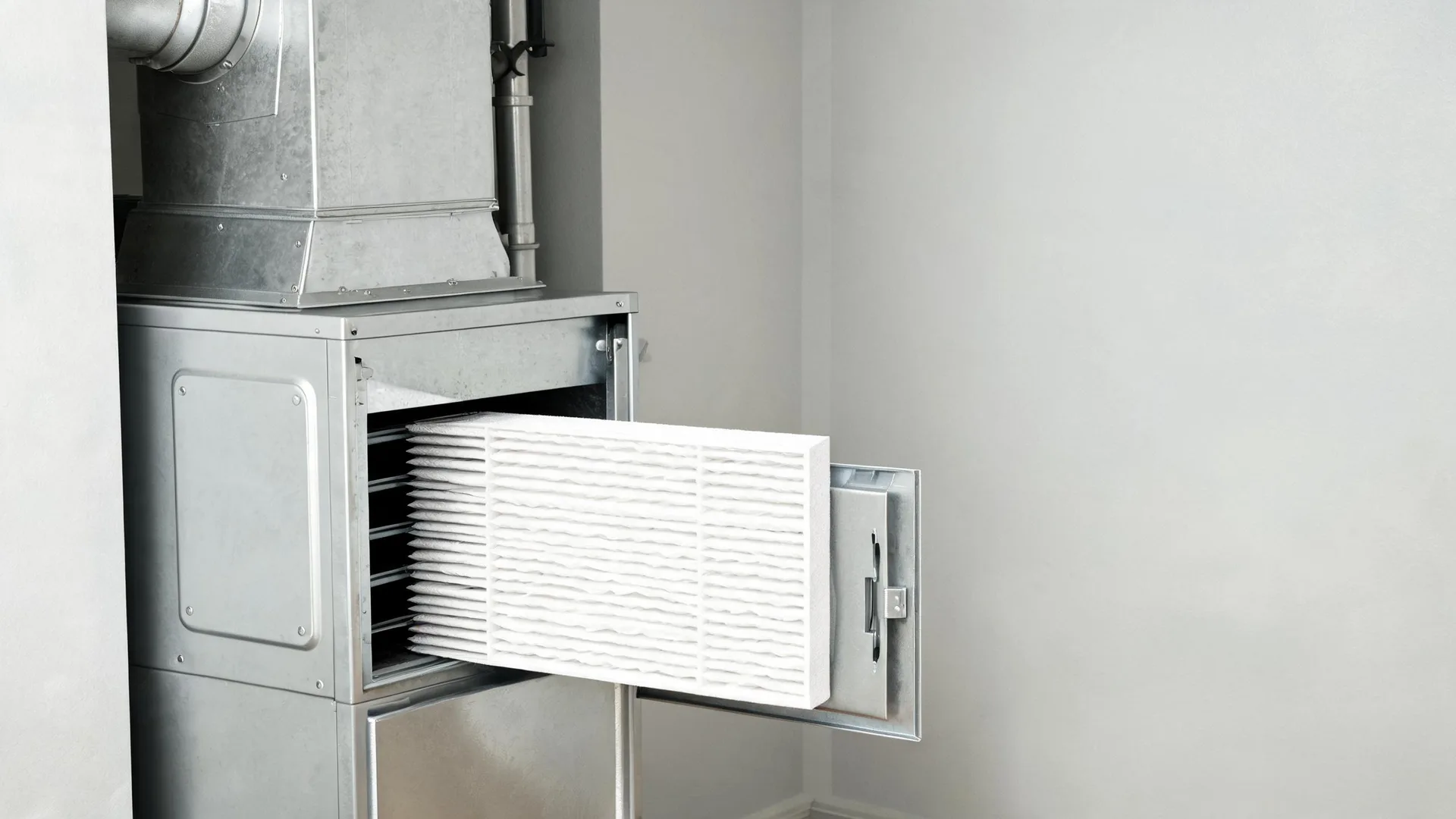
The flue gets checked, not just glanced at

A quick visit might confirm the furnace fires up and call it done. A full one checks that the flue is drafting properly and venting exhaust outside, since a weak draft can let exhaust linger without any sign you'd notice from the house.

The filter is the one thing that's actually yours to manage. Check it once a month while the furnace is running regularly, and hold it up to the light. If you can't see light through it, swap it. A dirty filter starves the burner of air and makes the blower work harder than it should, and that shows up later as a motor that wears out before its time. Beyond the filter, leave the cabinet closed. There's no part in there worth a homeowner's hands, and loosening the wrong panel can throw off a sensor that was reading fine. Keep the area around the furnace clear too. Boxes and stored stuff too close to it can block the air it needs to breathe.

A tune-up also covers the parts that only matter when something else goes wrong. The limit switch is one. It shuts the burner off if the furnace runs hotter than it should, and the only way to know it still trips is to test it, not wait for the day it doesn't. Same with the pressure switch, which checks that the inducer motor is actually pulling exhaust before the burner is allowed to light. A tech also checks the electrical connections at the control board, since a loose one can cause a furnace to stop mid-cycle with no warning at all. Gas pressure gets checked too, because a burner running on the wrong pressure burns unevenly even when the flame looks fine. These aren't things that fail often. They're things you want caught the one time they do.