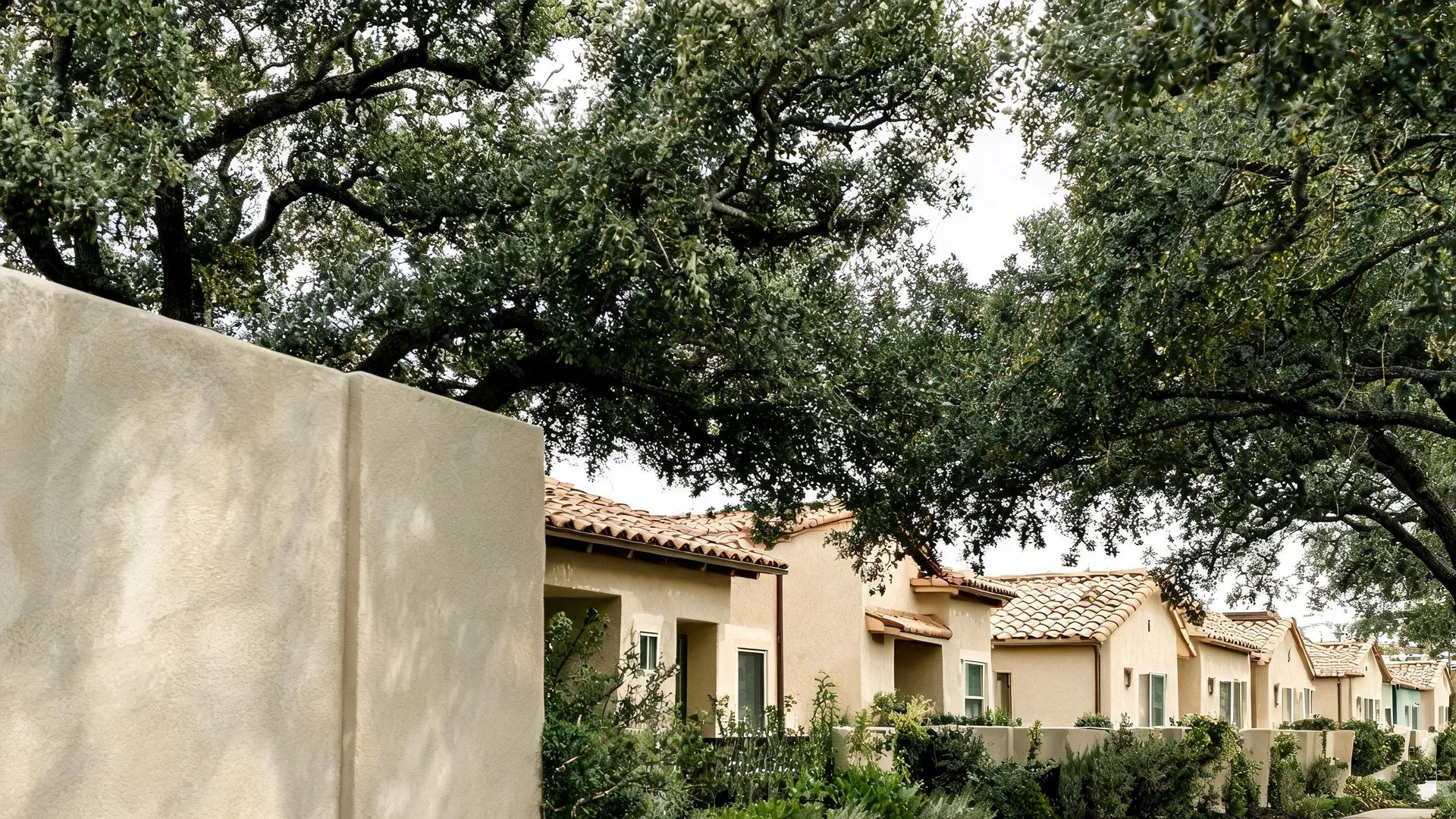



A row of single-story stucco houses with terracotta tile roofs behind shrubs, seen past a tall cream-colored stucco wall in the foreground and large spreading oak branches overhead.

Furnace Maintenance in Riverside, CA

Tell us about the job

Takes about a minute. No obligation.

Tune-up, service, or cleaningFurnace or heatingRiverside County, CA
Step 1 of 2

What ZIP code is the job in?

Your furnace only has to work about five months a year here, November through March. Overnight lows average 42 degrees in December and January, which is mild compared to winters in most of the country. That's not hard duty for a furnace. But Riverside County still gets winter storms most years, and those are the days your furnace has to start up and run without a problem. A furnace that sits unused most of the year can still develop a cracked igniter or a dirty flame sensor from sitting, not from overwork. A yearly check catches that before the one cold week you actually need it.

Half the homes in Riverside County were built in 1990 or later.

A furnace that age still has years left in it, and a yearly check is what gets it there.

Riverside County sees its share of rough weather, and outdoor equipment takes the hit

477 severe weather events from 2015 to 2024
17% of homes statewide lost power a day or more in 2024
409 damaging wind events from 2015 to 2024

Most homes in Riverside County heat with utility gas, 70 percent by the last count. That means a burner, a flue and a set of safety controls, not just a blower and a filter. A gas furnace lights that burner with either a hot surface igniter or a pilot, and either one can fail quietly over the months it sits idle. The flue carries combustion gas out of the house, and anything blocking it, a bird's nest, a dent, a disconnected joint, is not something you'd notice from the thermostat. A yearly check has a contractor look at the burner flame, the venting and the flame sensor, the parts a filter change never touches.

Heat starts running in November. Have it checked in October.

Riverside County furnaces sit idle most of the year, then have to start up and carry the first cold snap without warning. October is the month before that starts. A check done then catches a cracked igniter or dirty flame sensor while the furnace is still off, not after it's already running every night.

Find a contractor
A man in a cap, dark jacket and tan pants walks up porch steps toward a navy blue front door, carrying a canvas tool bag filled with hand tools, with a potted plant in a blue planter to the right.
A gray residential gas furnace installed in an unfinished basement, connected to sheet-metal ductwork and PVC pipes.

Idle most of the year, then asked to perform

Book the yearly check in the fall, before the first cold snap asks the furnace to start cold and keep running. That's the test a furnace sitting idle since spring hasn't had to pass yet. A contractor running it then will catch a cracked igniter before it strands you on the one night you need heat.

The furnace doesn't fail gently

A furnace that's never checked tends to go out at the worst point in its cycle, not the best one. Dirt builds slowly on a flame sensor until the furnace shuts itself off mid-heat as a safety response. A cracked heat exchanger doesn't announce itself either. It gets found during an inspection, or it gets found some other way. Neither problem causes trouble while small. Both cause trouble all at once.
Small wear turns into a bigger repair

A dirty filter or a dirty blower wheel makes the blower motor work harder to push the same air, and that extra load wears the motor down faster than it would otherwise. A cracked igniter is a small part by itself, but left alone it eventually strands you with no heat at all instead of getting swapped out during a routine visit. Maintenance doesn't stop a furnace from aging. It catches the part that's failing while it's still just a part, not a breakdown.

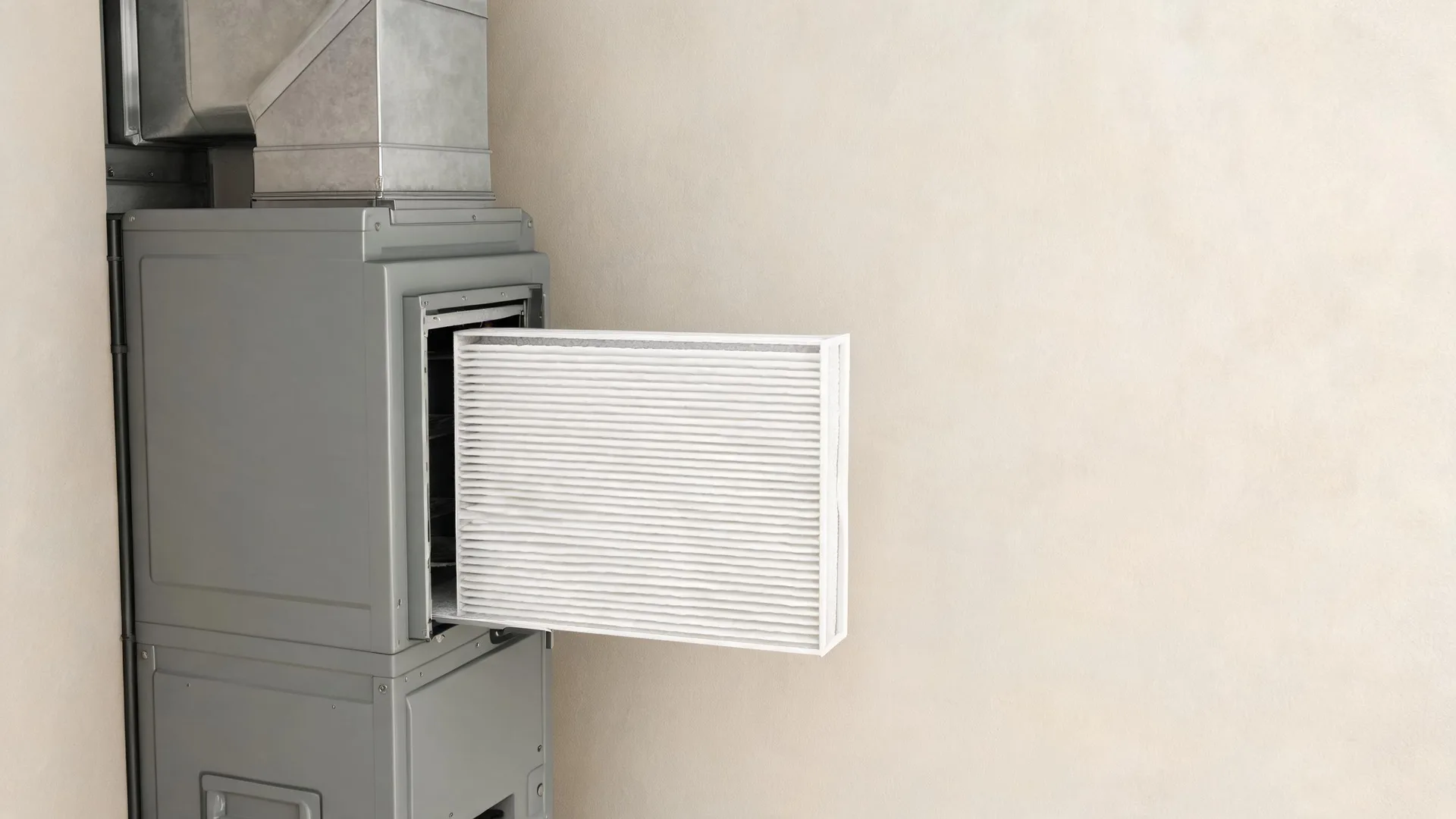
A furnace doesn't have a drain or outdoor coil to worry about, but the filter matters more than people think. Air gets pulled through the blower and across the heat exchanger before it reaches the ductwork, and a clogged filter chokes that path. Starved of airflow, the heat exchanger runs hotter than it should, and that heat has nowhere to go. Over time that's what stresses a heat exchanger into cracking. The blower motor feels it too, working harder to push air through a dirty filter than a clean one, which wears it down faster than it should. None of this shows up as a leak or a puddle the way a cooling system would. It shows up as a furnace that runs longer to reach the same temperature and parts failing before their time. A filter is the easiest thing in the whole system to check and the easiest one to forget about.

A tune-up starts before the furnace ever fires. A contractor pulls the filter and checks it, then opens the cabinet and looks at the burner flame itself. A clean burn looks blue and steady. Yellow or flickering means it's not combusting right, and that points to a bigger problem than the burner alone. The flame sensor gets cleaned or tested, since a coated sensor is what causes random shutoffs mid-cycle. The igniter gets checked for cracks, because that part fails from age and sitting idle, not from use. The heat exchanger gets inspected for cracks or corrosion, which is the one check that's actually about safety, not just comfort. The venting gets looked at too, to make sure combustion gas has a clear path out of the house. Last comes the blower, checked for a worn motor or a dirty wheel, either of which makes the whole system work harder than it should. None of this takes long when a furnace is in good shape. It takes longer when something's been building quietly, which is the whole reason to look before the cold asks the furnace to prove itself.