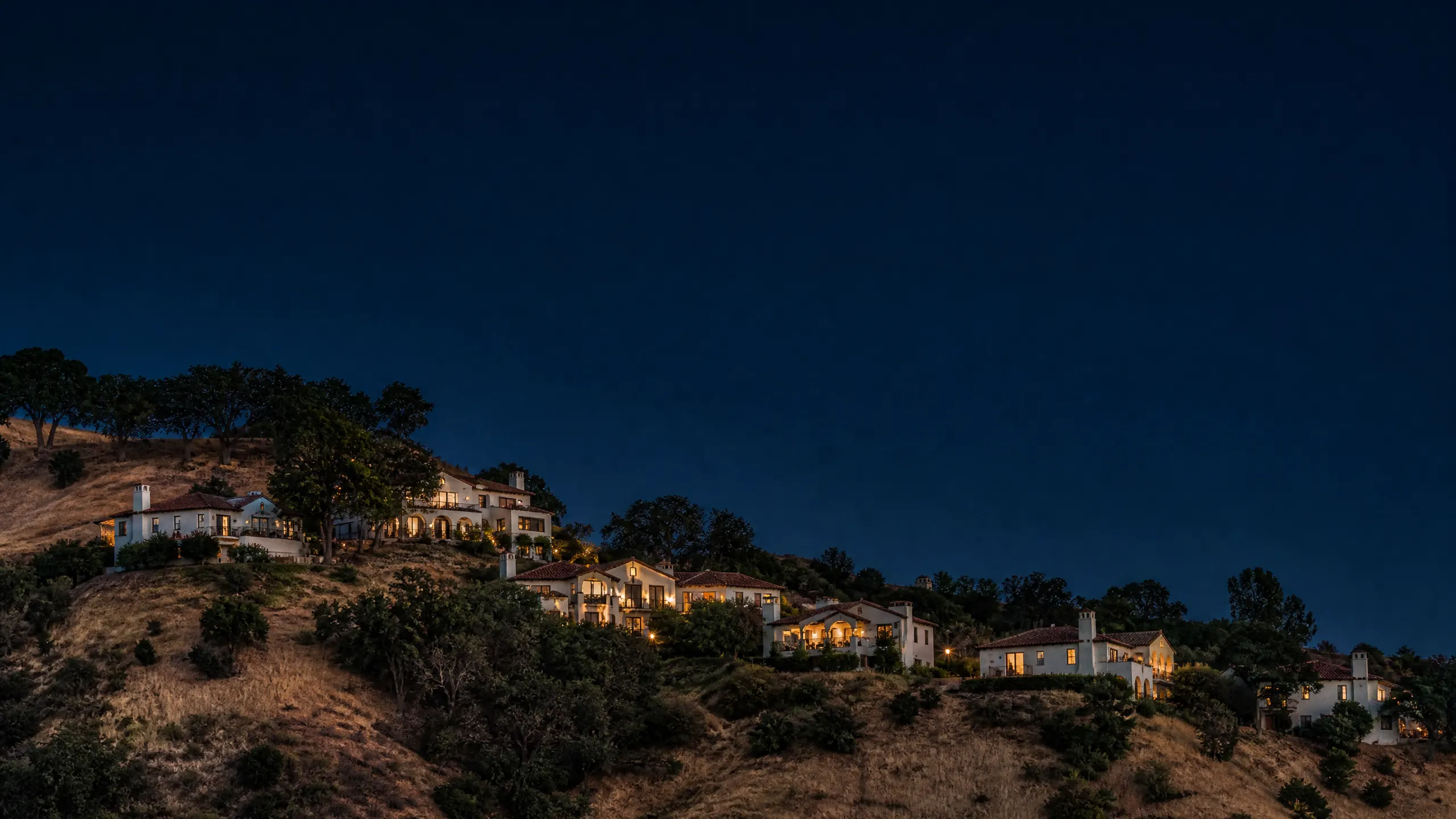
Lit white stucco buildings with terracotta roofs nestled among oak trees on a dry hillside under a deep blue night sky.

Furnace Maintenance in Modesto, CA

Tell us about the job

Takes about a minute. No obligation.

Tune-up, service, or cleaningFurnace or heatingStanislaus County, CA
Step 1 of 2

What ZIP code is the job in?

The flame tells a story you can't read from the couch

A burner flame should burn steady and blue. If it's flickering yellow or leaning to one side, something is off with the gas mixture or the burner itself, and that can mean incomplete combustion. You won't smell it or see it from another room. A tech pulls the burner assembly and looks.
The flue has to carry exhaust out, every time

Furnaces push combustion byproducts out through the flue. If that vent is partly blocked, cracked, or pitched wrong, exhaust can end up back in the ductwork instead of outside. There's no sign of this from the thermostat. Checking the flue and the draft is part of what a tune-up actually covers.

Half the homes in Stanislaus County were built in 1981 or later.

A furnace that age still has a lot of working life left, if it gets checked every year.

Heat starts in November here. Have the furnace checked in October.

Heat runs November through April
Winter nights average 39°F
Climate zone 3B

A furnace usually gives some warning before it quits. It might take a couple of tries to light instead of catching right away. The blower might run longer than it used to, or cycle on and off more than it should. One room might run colder than the rest, which can point to the ductwork or the blower not moving air the way it used to. A burner that used to fire up quiet might start popping or rumbling. None of this means the furnace is about to fail tonight. It means something inside it has drifted out of adjustment, and a tech can usually catch that before it turns into a no-heat call.

A newer furnace is worth the yearly check

A furnace built in 1981 or later still has plenty of working life in it. A yearly check is what keeps it that way, catching the small drift before it turns into a no-heat call.

Find a contractor
A gray residential gas furnace installed in an unfinished basement, surrounded by ductwork, a metal flue pipe, and a gas supply line.

Six months on, six months off

Furnace runs here from November through April, about six months, then sits idle the rest of the year. Even in the coldest stretch, overnight lows average 39°F, so when it is running it isn't working hard. That light a load doesn't wear a furnace out. What gets it instead is a part drifting out of adjustment over months of sitting unused, or dust settling in places it shouldn't. A yearly check catches that before the first cold night finds it.

The igniter wears a little every time it fires

A hot surface igniter cracks a bit more with each heat cycle, and nothing about that shows up until the day it doesn't glow at all. A yearly check catches one that's thinning before it strands you with a furnace that won't light.

A dirty flame sensor reads like a bigger problem

Soot builds up on the flame sensor over a season of use, and once it's coated enough, the furnace shuts itself off a few seconds after lighting because the sensor can't tell the flame is there. Cleaning it is routine. Replacing a control board because nobody cleaned it isn't.

A quick visit usually means someone glances at the flame, checks the filter, and calls it done. A thorough one means the burner assembly comes out so the flame sensor and igniter get cleaned, not just looked at. The gas pressure gets tested and adjusted if it's drifted. Someone checks the flue for a solid connection and the right pitch, since that's not visible once the furnace is buttoned back up. The blower wheel gets inspected for dust buildup, and the amp draw on the motor gets checked against what it should be. Ask what's actually being done, not just whether the furnace was looked at. A tune-up that takes a few minutes rarely touches more than the filter.

A proper tune-up starts with the gas valve and burner, not the thermostat on the wall. The technician checks manifold pressure against the furnace's rating plate, because gas pressure drifts over time and a burner running rich or lean burns dirtier than it should. The heat exchanger gets a visual check for cracks or rust spots, since a cracked exchanger can let combustion gases mix into the air the blower pushes through the house. Limit switches and the rollout switch get tested, not just looked at, because these are what shut the furnace down if it overheats or flame rolls out of the burner where it shouldn't. The condensate drain gets checked too, on a furnace that has one, since a clogged line backs up and trips the furnace off on its own safety switch. None of this is visible from the filter door, which is why a tune-up that only swaps a filter and checks the thermostat response has skipped most of what matters.