
Heat pump vs furnace in Stanislaus County, California

Talk to a Local Pro

Installers who work on both

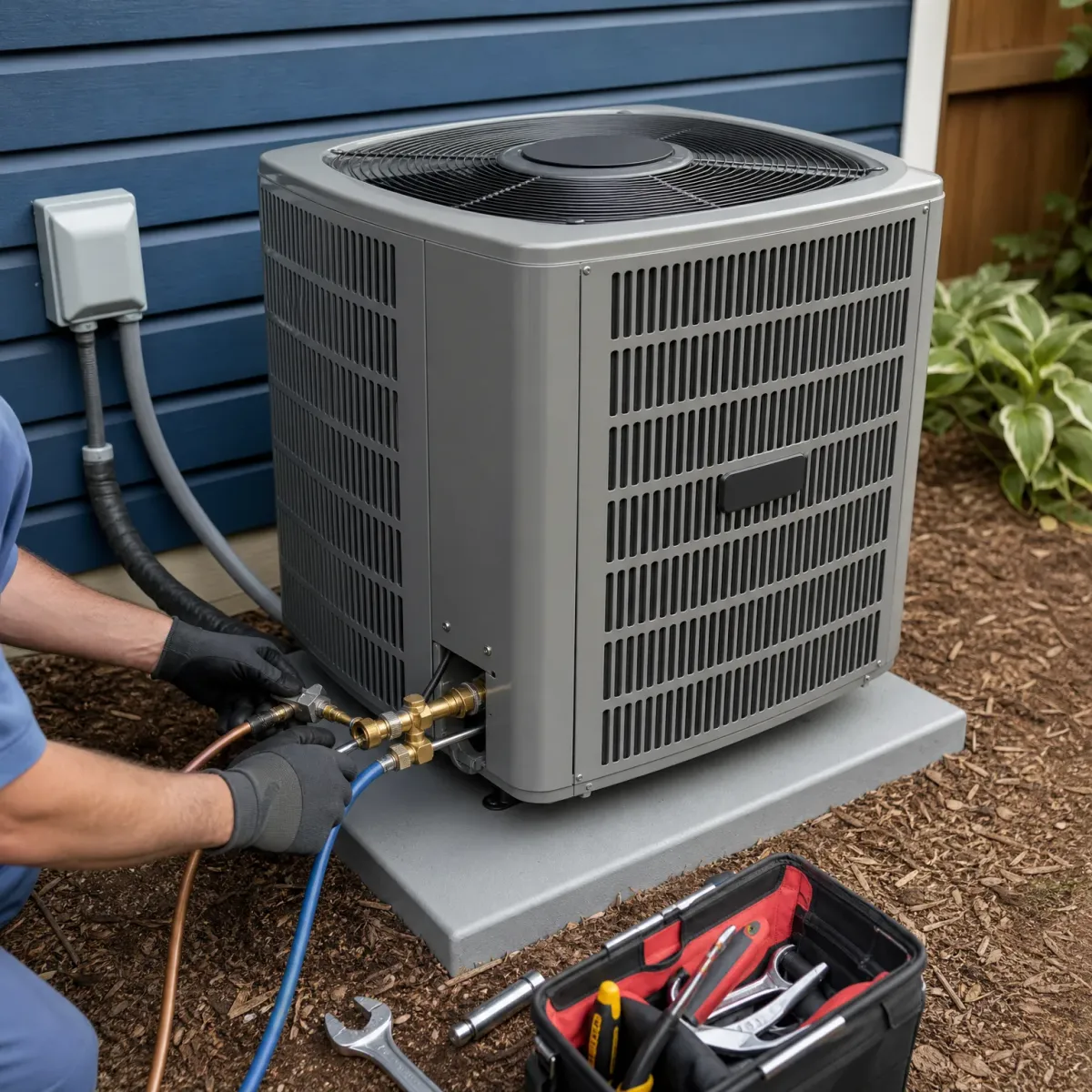
A person in gloves kneels beside a gray outdoor air conditioning condenser on a concrete pad next to blue lap siding, connecting hoses to brass service valves, with an open tool bag on the mulch nearby.

Tell us about the job

Takes about a minute. No obligation.

New system or replacementStanislaus County, CA
Step 1 of 3

What kind of equipment?

Which costs less to run in Stanislaus County?

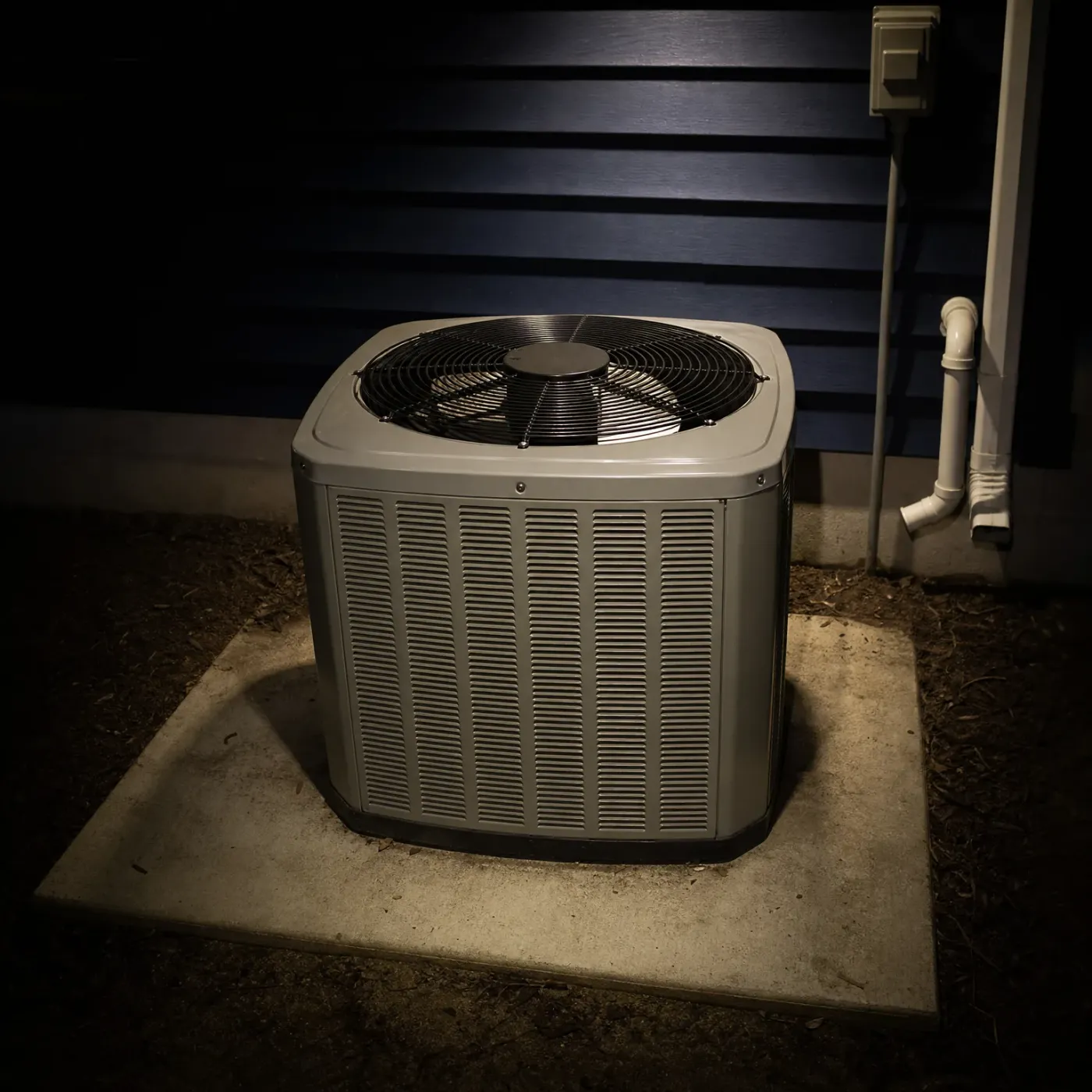
A gray outdoor condenser unit with a top-mounted fan grille sits on a concrete pad beside a dark horizontal-sided wall with PVC pipes and an electrical box, lit at night.

Heat pump

To heat your home here$4.26per 100,000 Btu

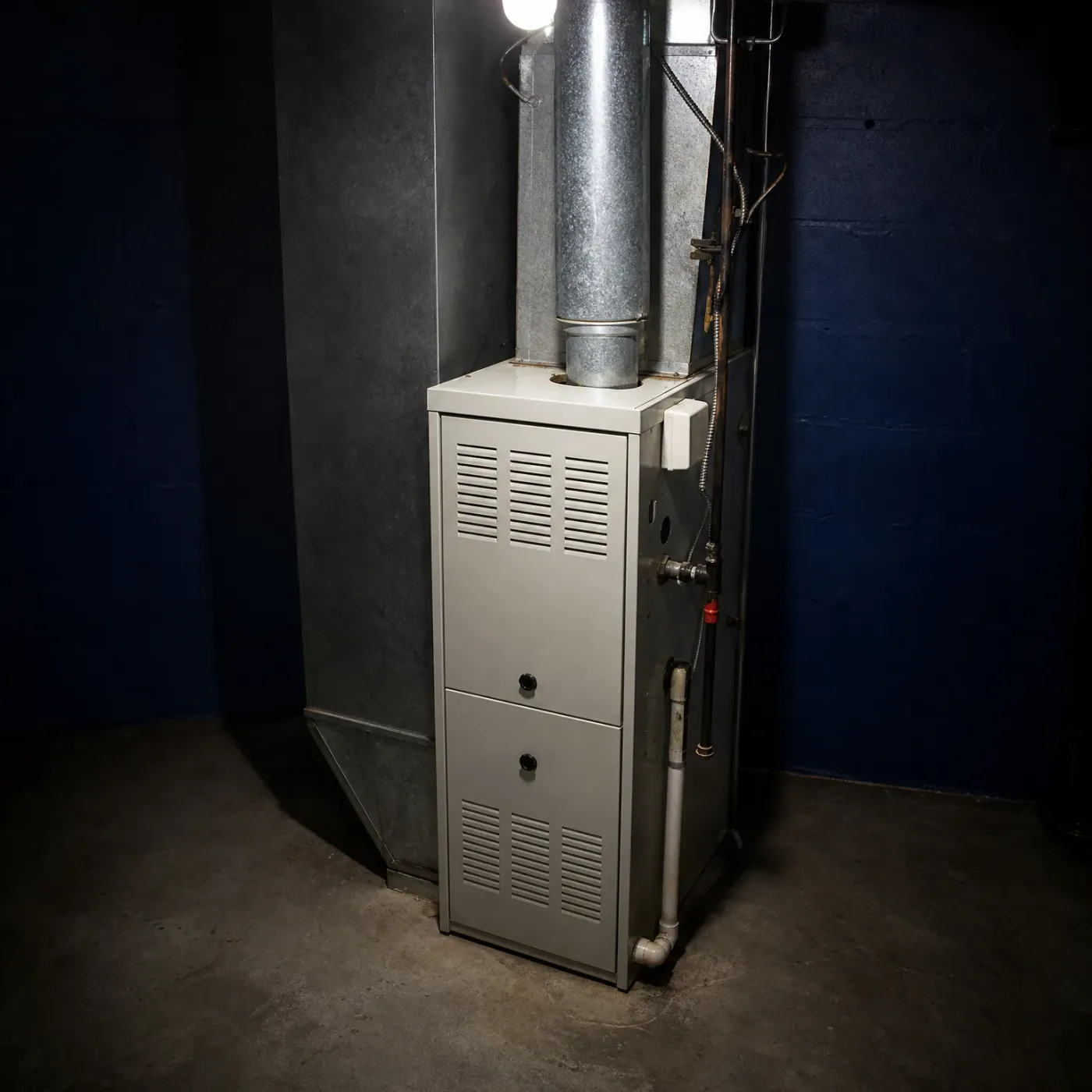
A light gray gas furnace with louvered access panels stands on a concrete basement floor beside a dark blue painted block wall, with galvanized metal flue pipes and ductwork rising above it and copper and PVC piping along its right side.

Furnace

To heat your home here$2.31per 100,000 Btu

At California's gas and electricity prices, a gas furnace makes the same heat as a heat pump for at least 45% less.

Btu stands for British thermal unit, the standard measure of heat energy.

Where does a heat pump shine?

  • Made for mild winters

    Winter nights here average 39°F, not the teens or single digits a heat pump struggles with. That's mild enough for a heat pump to keep up on its own, without backup heat kicking in.

    A navy blue clapboard house with a white-railed porch, light blue front door, wooden steps, boots and a doormat, a crate of evergreen branches with a plaid blanket, and potted dried plants, with patchy snow on the ground.
  • Covers a long cooling season

    Cooling runs May through September here, so the system you pick is going to spend most of the year on that side of the job, not heating. A heat pump handles both, which matters when one season does most of the work.

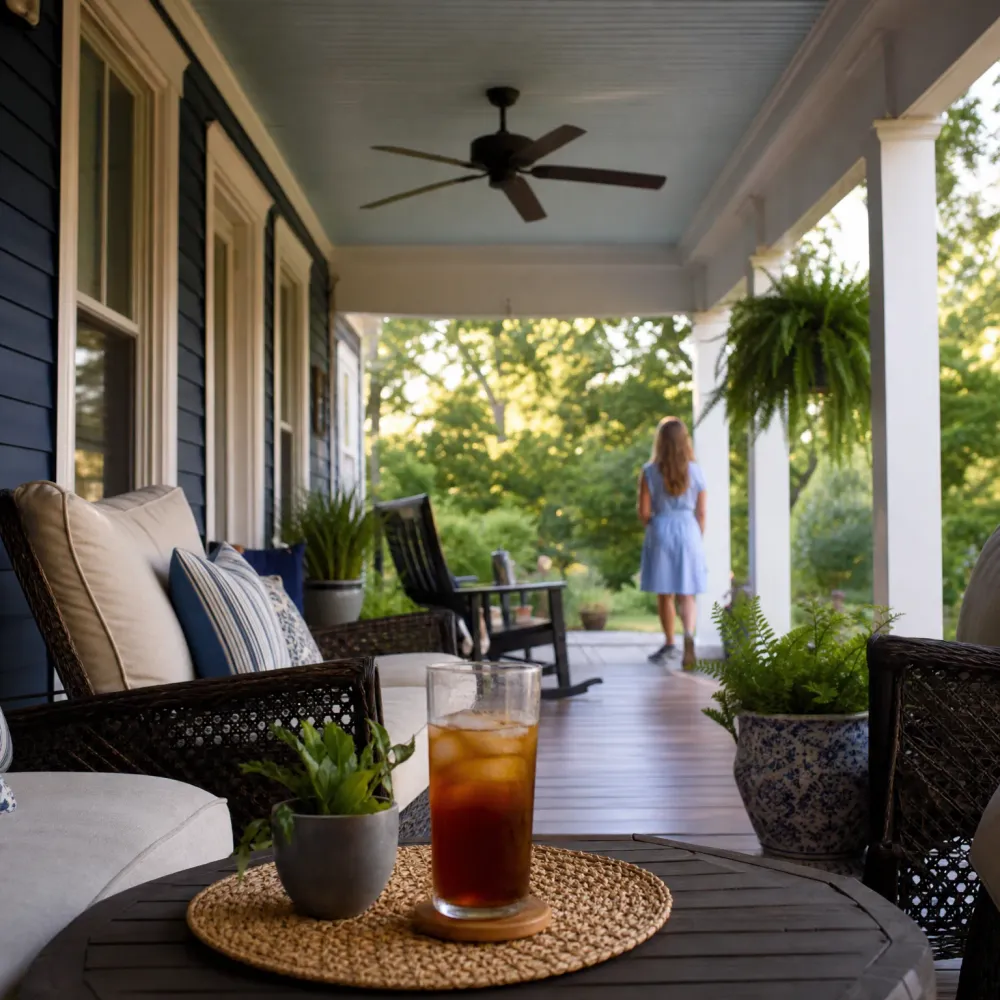
    Covered porch of a dark blue clapboard house with wicker chairs, a ceiling fan, potted ferns, and a tall glass of iced tea on a round table, with a woman in a light blue dress standing on the walkway beyond.
  • Heats and cools in one system

    One machine handles the heat in winter and the cooling in summer. There's no second system to buy or keep up.

    A living room with a beige sectional sofa, navy throw and pillows, a wooden coffee table holding a woven tray and plant, dark built-in shelving, and a large window with navy curtains overlooking a green garden.

Where does a furnace shine?

  • Runs on the gas most homes here already use

    Most homes in Stanislaus County already heat with gas, so the line is likely already run to your house. A furnace just uses what's already there.

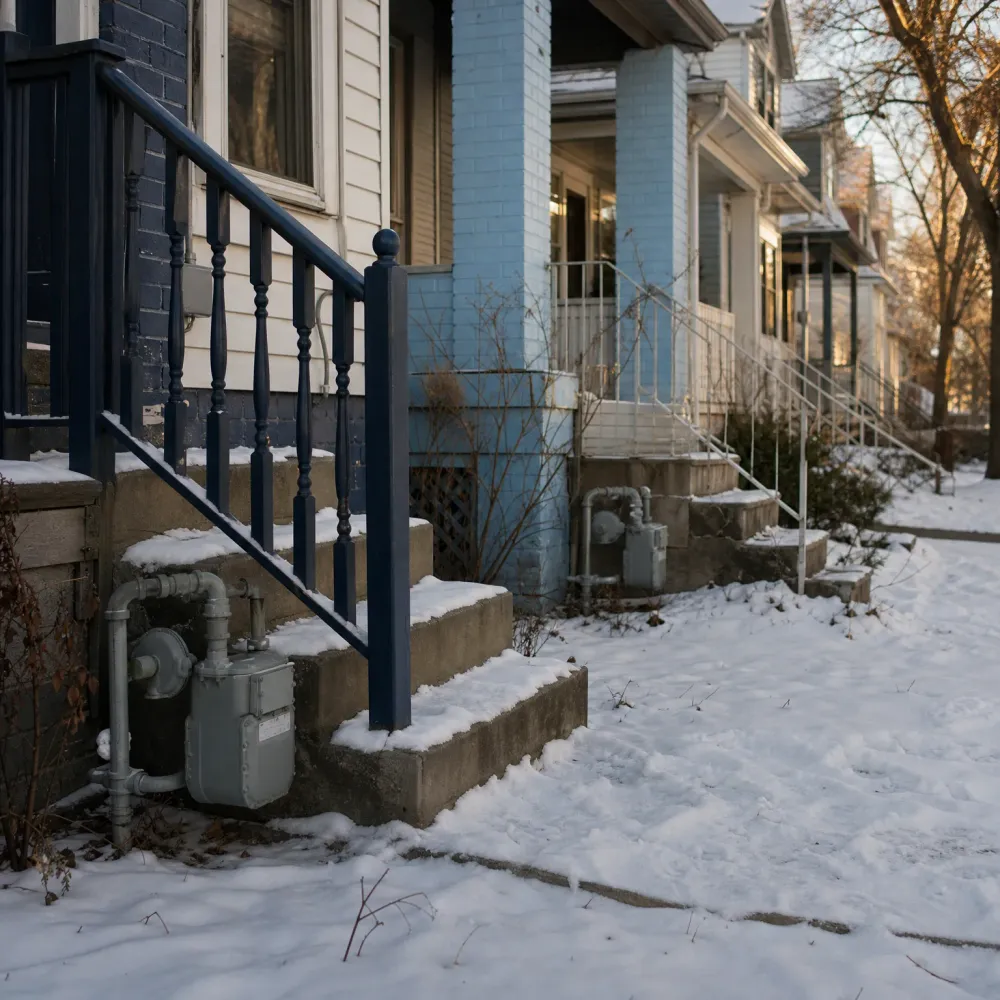
    Snow-covered front yards and concrete steps of adjacent houses, with a dark blue metal handrail in the foreground and exterior gas meters mounted beside the foundations.
  • Fast, strong heat on demand

    Turn the heat up and the furnace answers right away. There's no long wait for the house to catch up.

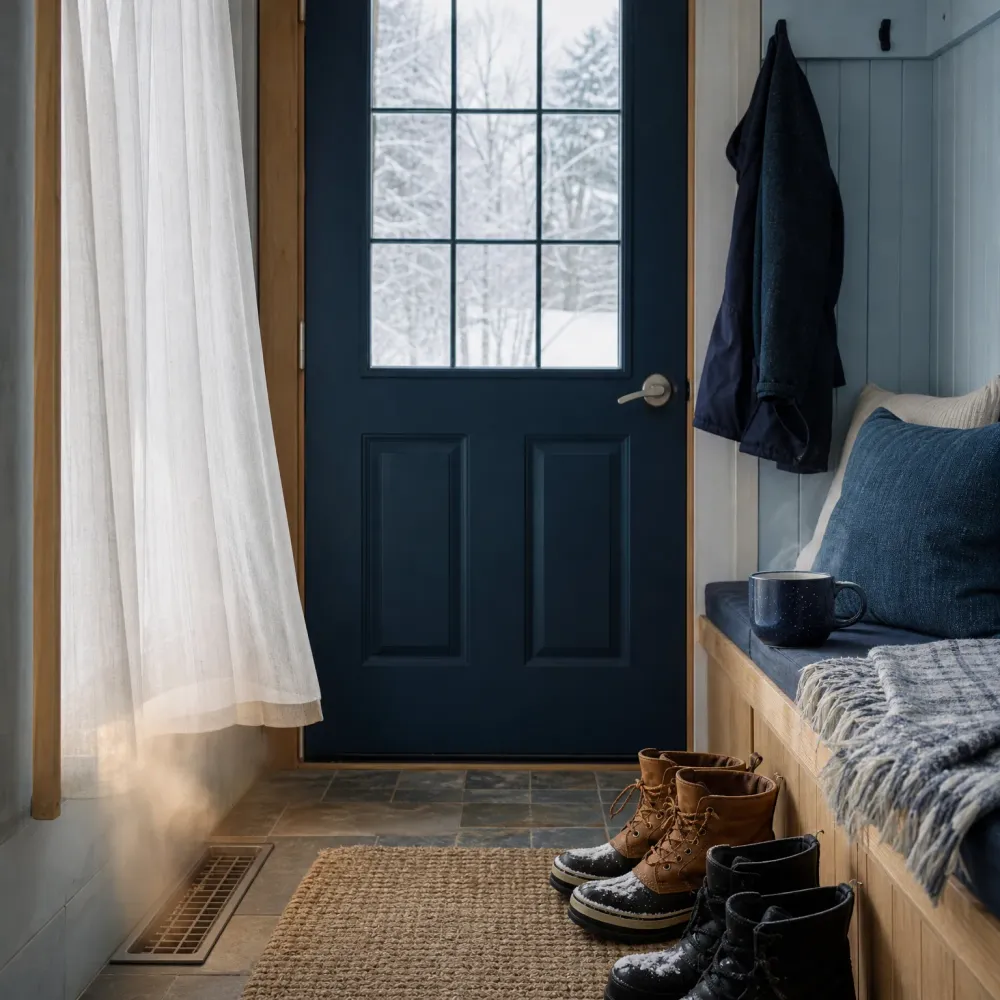
    A mudroom with a dark blue windowed exterior door showing snow outside, a sheer white curtain at left, a wooden bench with a cushion, blue pillow, fringed throw and speckled mug, a dark coat on a wall hook, two pairs of snowy boots on a tile floor, a woven rug, and a metal floor vent.
  • Pairs with any central AC

    The ductwork that delivers heat in winter delivers cool air in summer once an AC coil is added.

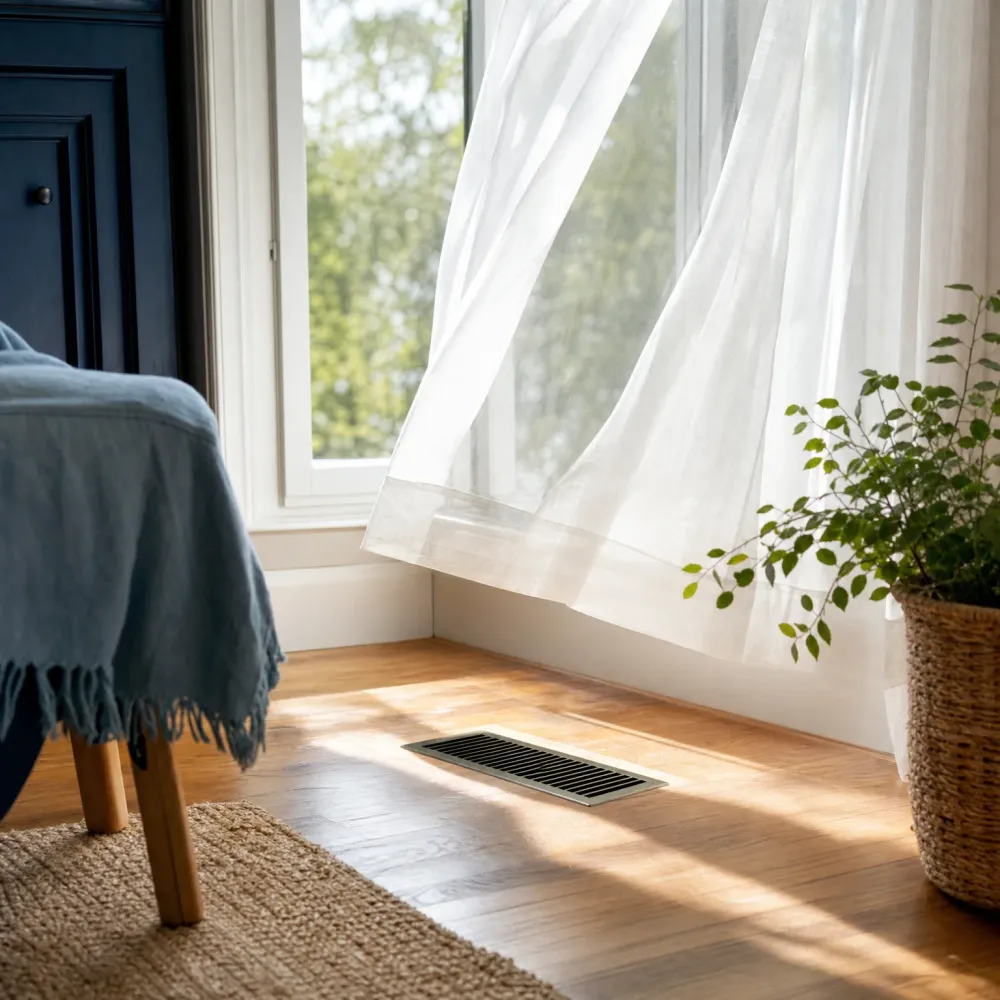
    A metal floor vent set into a hardwood floor near a window with a sheer white curtain, with a potted plant in a woven basket, a jute rug, and a blue throw over a wooden-legged stool.

Why gas costs less here, winter after winter

Winters here are mild. The overnight low averages 39°F through December, January and February, and it only drops to freezing or below on about 13 nights a year. That's a small slice of the six months, November through April, that homes here run heat. A heat pump is built for exactly this kind of winter. It doesn't have to fight real cold very often.

Mild winters still don't make a heat pump the cheaper choice. At California's prices, a heat pump built to the federal minimum runs $4.26 per 100,000 Btu of heat. A gas furnace built to the same minimum runs $2.31 for the same heat. The furnace wins by a wide margin, and it wins because of what each fuel costs here, not because of how cold it gets. Electricity runs $93.69 per million Btu in California. Natural gas runs $18.44. That gap is wide enough that a heat pump's efficiency, turning electricity into more heat than it seems to use, can't close it.

Two in three homes here already heat with gas. A little over one in four heat with electricity. Gas is the cheaper fuel in this state, and it stays cheaper across a six-month heating season whether the night is mild or the rare one drops to 32°F.
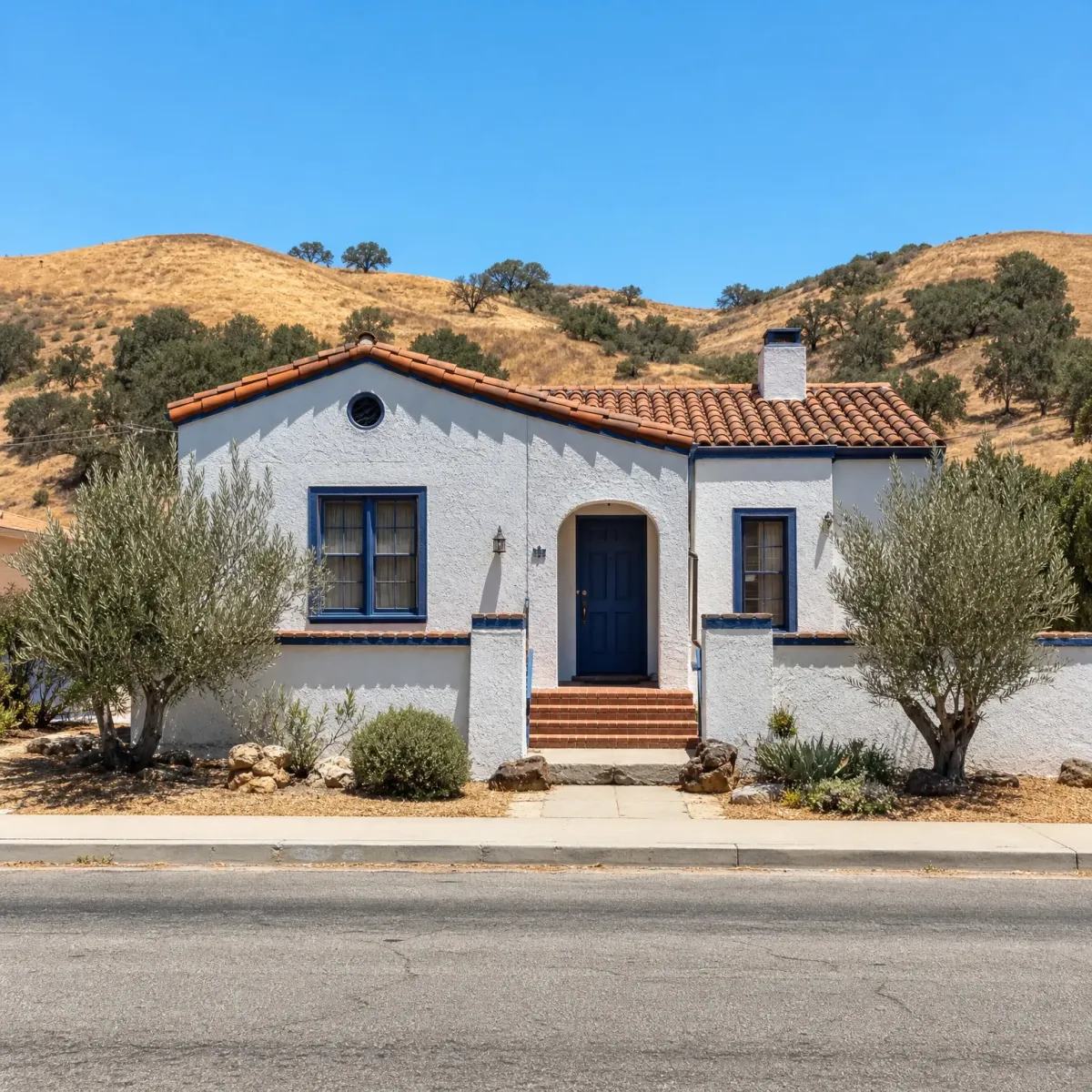
A single-story white stucco house with a red clay tile roof, blue-trimmed windows and a blue front door, fronted by olive trees and drought-tolerant plantings, with dry golden hills behind and a street in the foreground.

What a heat pump buys you instead

The case for a heat pump here is not the heating bill. It's the rest of the year. A furnace only heats. For the five months of cooling season, May through September, it has nothing to do. A heat pump runs the air conditioning too, through the same system that handles your winter heat.

That matters here because summer is not mild either. The afternoon high hits 90°F or above on about 90 days a year. Whatever you choose for heat, you need cooling that can keep up with that, and a furnace doesn't touch that job. It pairs with a central air conditioner, a separate machine, bought and maintained on its own.

So the choice comes down to what you want from the system. If it's the lowest cost to heat your home over the six months you run heat, the furnace does that for less, paired with a central AC for summer. If you'd rather run one system year-round instead of two, a heat pump covers both seasons on its own, at a higher running cost for the heat. Check what's already in your house first. If a furnace or heat pump came with it, that's often the cheaper place to start than replacing a working system with the other kind.

Sources: NOAA nClimDiv · NOAA 1991–2020 seasonal normals · Census ACS 2020–2024 · EIA SEDS 2024 · 10 CFR 430.32

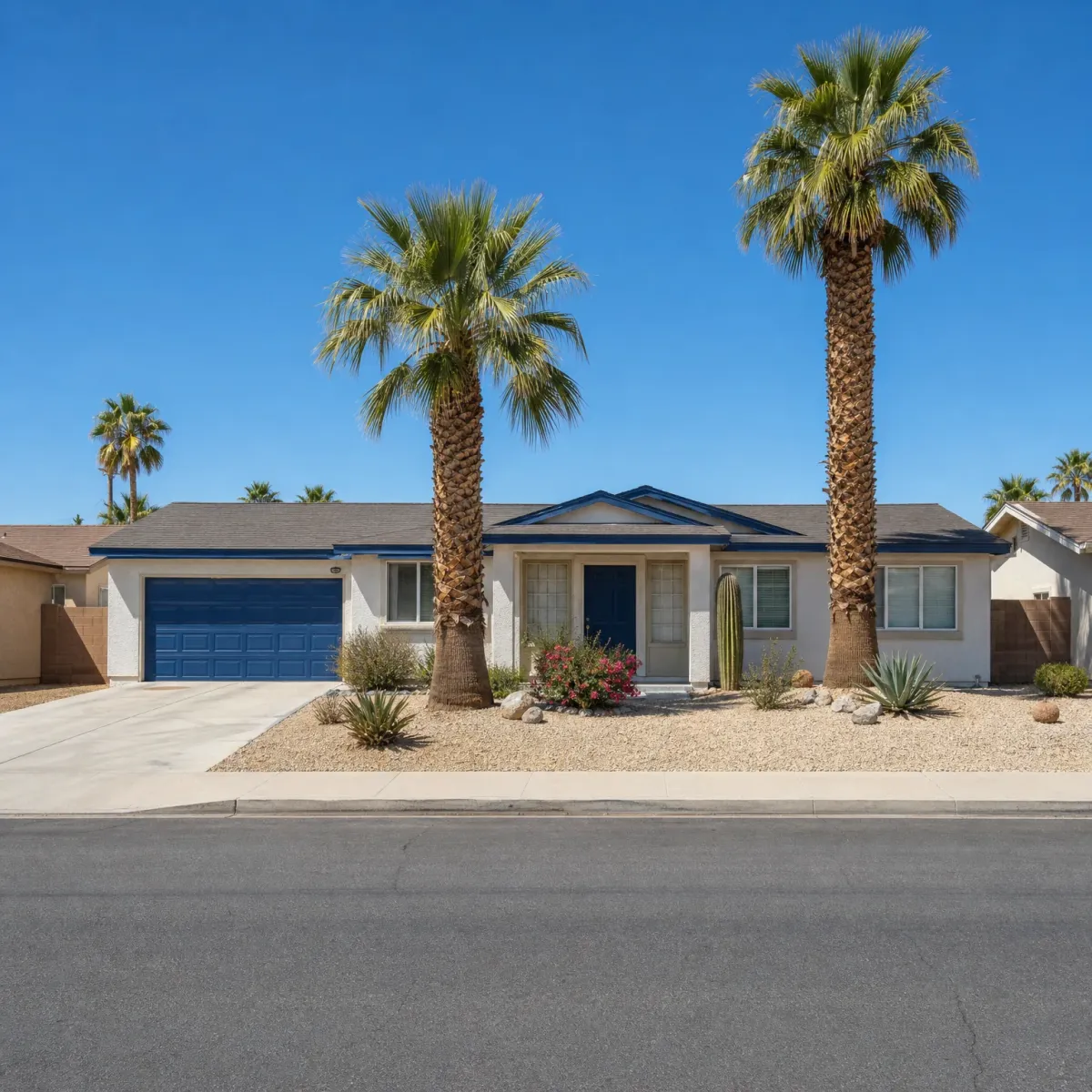
Single-story stucco house with a blue garage door and blue front door, fronted by gravel landscaping, two tall palm trees, agave and cactus plants, under a clear blue sky.

Common questions about heat pumps and furnaces

  • Will a heat pump keep my house cool enough here?

    Yes. A heat pump is a central air conditioner in the summer months, the same equipment, run in reverse, and it covers the roughly five months of cooling here including the 90 or so days a year that hit 90°F or above.

  • Can I keep my furnace and add a heat pump?

    Yes, and here that pairing makes sense. A heat pump handles the mild stretches of winter on its own, and your furnace can carry the nights that drop to freezing, about 13 of them a year, so it only has to work when it counts.

  • Is a heat pump cheaper to run than a furnace in Stanislaus County?

    No, a furnace costs less to run here. Gas runs $2.31 per 100,000 Btu of heat against $4.26 for a heat pump, at the federal minimum for each, because natural gas is cheaper here than electricity per Btu. That gap holds over all six months the heat runs, November through April.