

How long a furnace lasts in California

Once you send the form, finding a pro is off your list.

Hand off my installation

How long does a furnace last in California?

You're already thinking about next season, and a furnace that's getting older makes you want a real number, not a guess. Most of the year you don't think about it at all, since winters here are mild and the furnace only runs a few months. That's part of what makes it hard to tell how much life is actually left in it.

A gas furnace in California typically lasts 15 to 20 years

That range runs longer than it does in states with harder winters, because a California furnace isn't working as hard. It cycles on for a handful of months, not seven or eight, so the burner and heat exchanger see a lot less wear over the furnace's life. If your furnace is in that 15 to 20 year window, age alone doesn't mean it's done. What matters more at that point is how it's been running lately: longer cycles than it used to, pilot or ignition trouble, or a gas bill that's climbed without an obvious reason. Past 20 years, a furnace that's still heating fine is running on borrowed time, and it's worth knowing what replacing it involves before it fails on the first cold night.

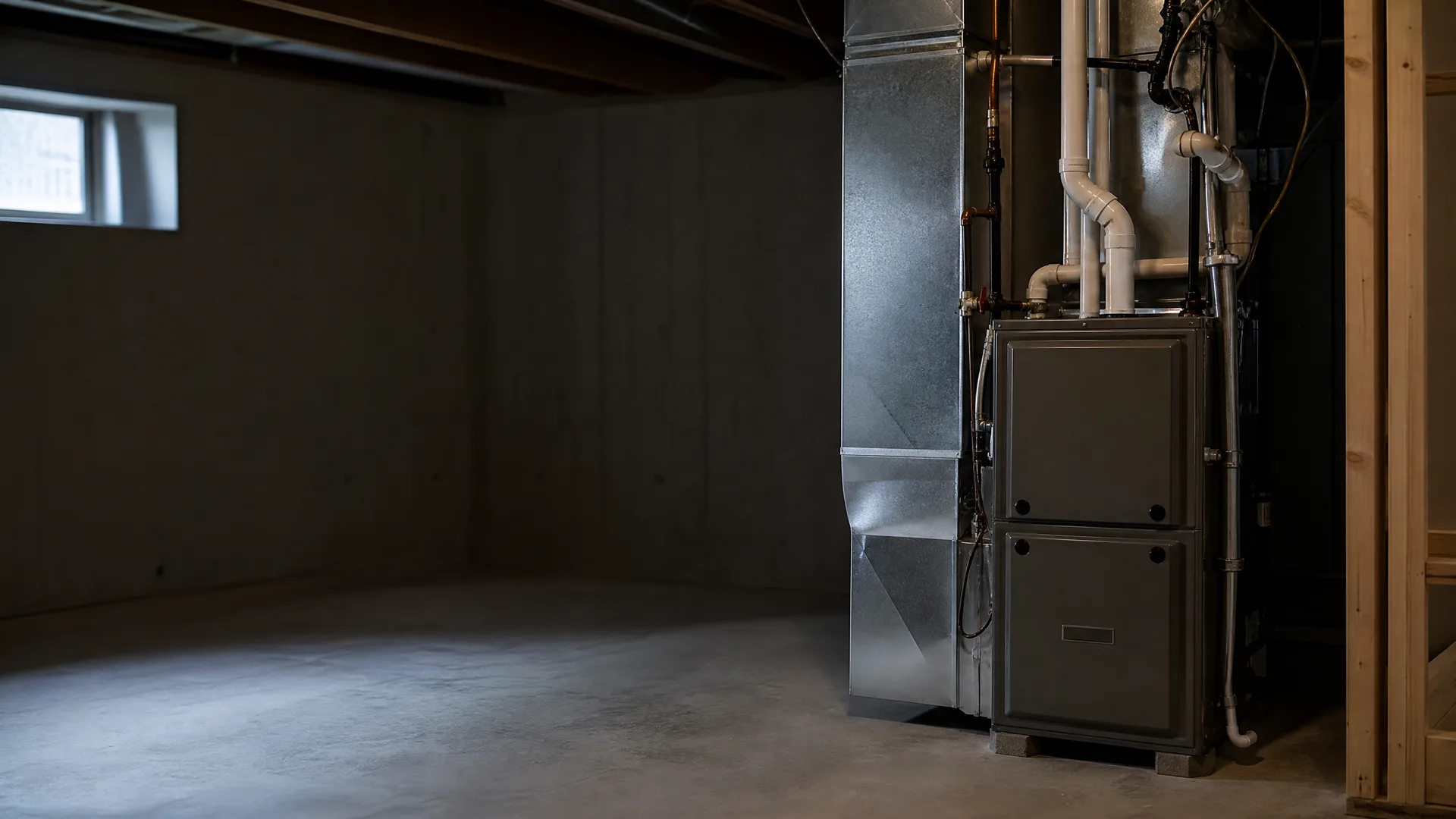
A gray high-efficiency furnace in a basement with sheet-metal ductwork, white PVC vent pipes, metal plumbing lines, a condensate pump on the floor, and a window showing green trees outside.

Still doing its job

A furnace like this runs clean, with the burner lighting right up and the heat reaching every room on the first call. The pipes and connections are tight, nothing's rusted through, and it isn't working harder than it should to keep up.

An older metal furnace with PVC and metal pipes stands on a concrete basement floor beside galvanized ductwork, with wooden stairs and a water tank in the background.

Running on borrowed time

Dust built up like this on the cabinet usually means the furnace has been working a long time. Once a unit gets to this state, it's worth asking a contractor to look at the burner and heat exchanger before you need it on the first cold night.

Is your furnace telling you it's close to done

You turn it on and it takes a few tries to light, or it clicks and nothing happens. The air coming out feels cooler than it used to, or some rooms get warm and others don't. You notice a burnt smell for the first minute it runs, or it cycles on and off more than it used to. The burner flame looks yellow or ragged instead of steady blue. Rust around the base or on the vent pipe is worth a look, since it means moisture is getting somewhere it shouldn't. A furnace that's struggling runs longer to do the same job, and with power costs what they are here, that shows up on your bill before it shows up as a breakdown.

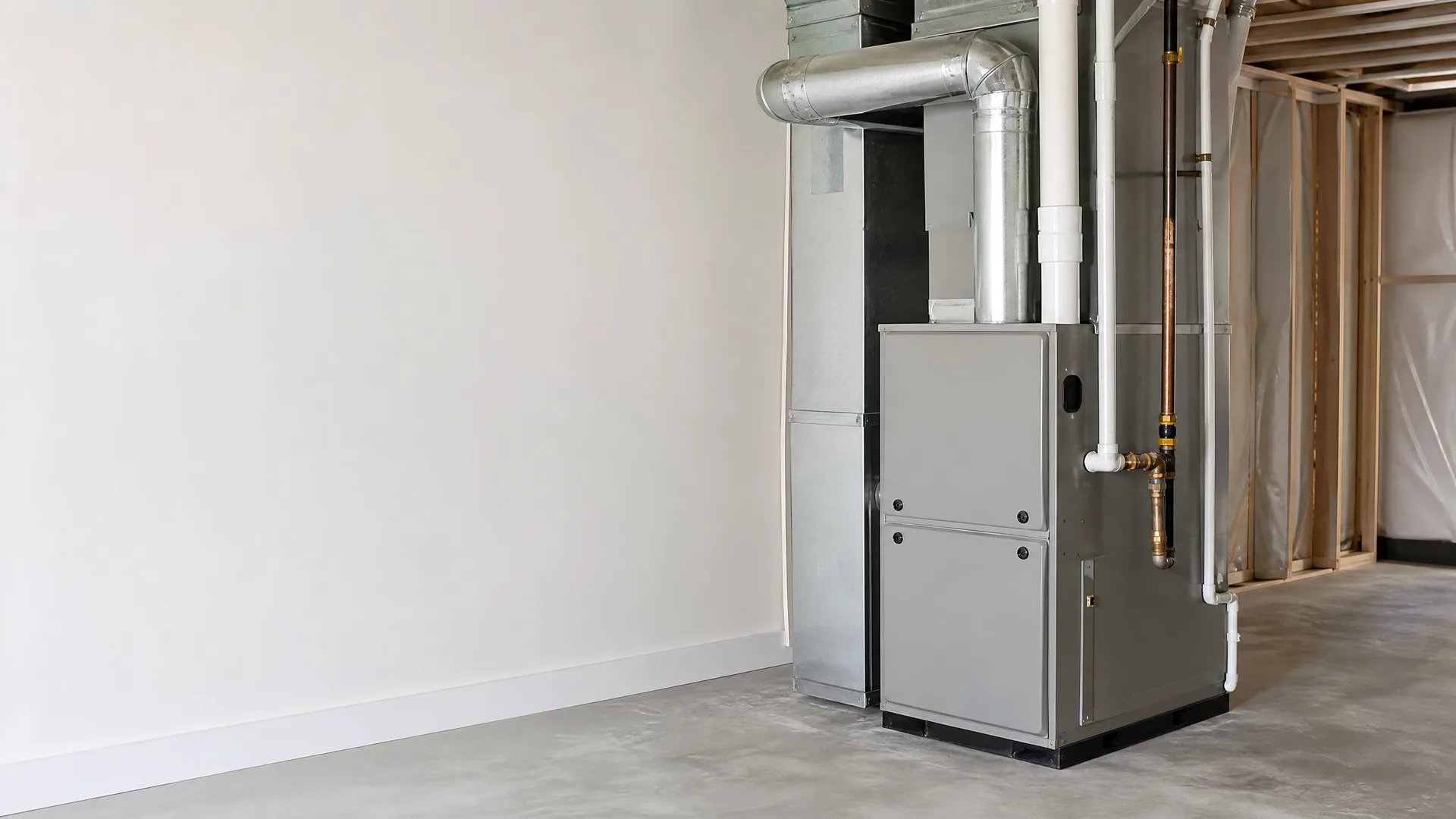
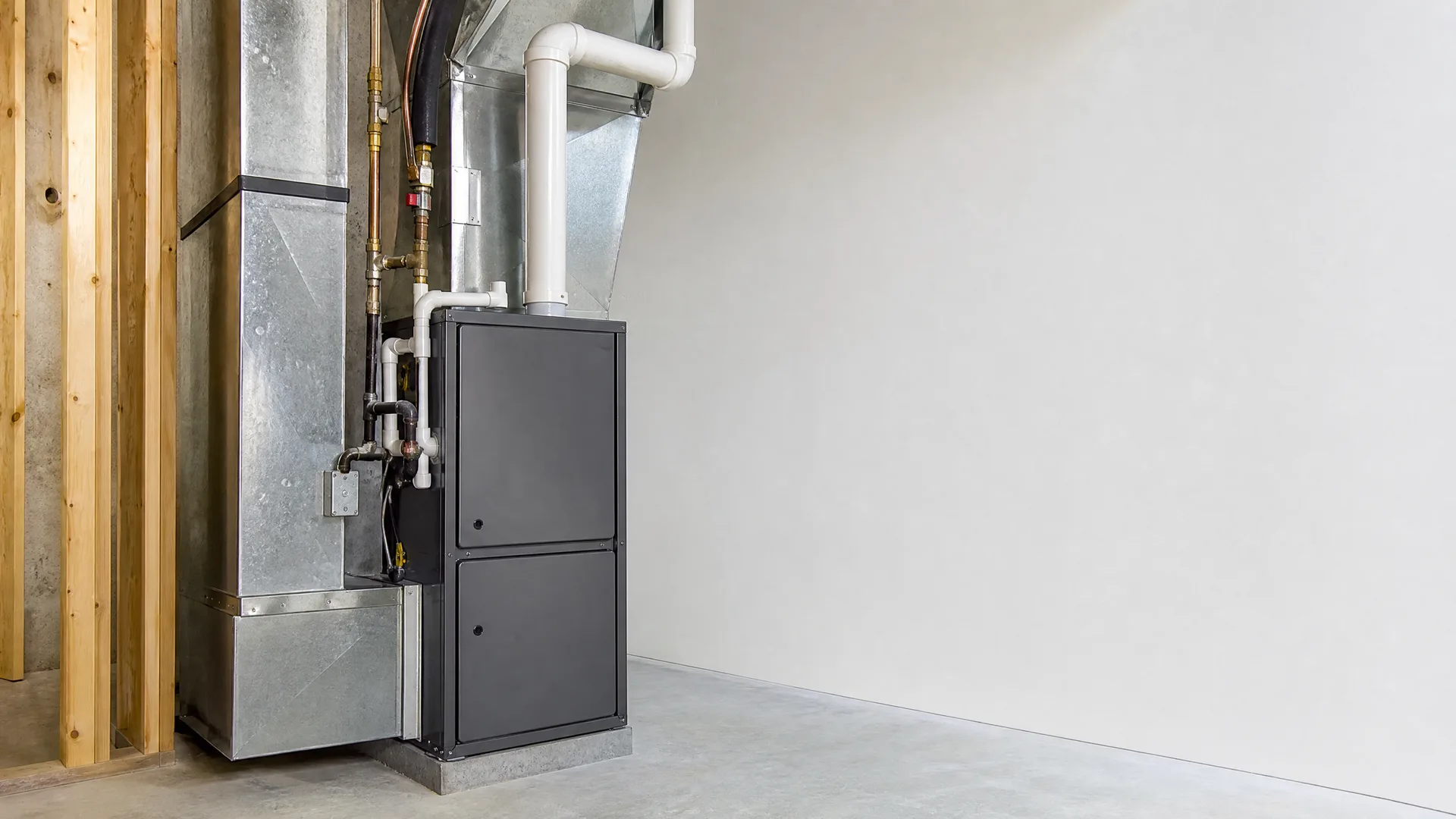
A dark gray furnace connected to galvanized sheet-metal ductwork, white PVC vent pipes and copper piping, standing against a plain light wall in a room with a bare concrete floor and exposed wood framing at left.

Mild winters mean fewer cycles

A furnace in a cold state might run most of the day for months straight. Here, it cycles on in the morning and evening and sits idle a lot of the afternoon. Fewer cycles means less wear on the igniter and the heat exchanger, which is part of why a furnace here can outlast the same unit installed somewhere with a harder winter. It still needs a load big enough to heat the house on the coldest nights you get.

A gray high-efficiency furnace with sheet-metal ductwork, white PVC vent pipes and copper piping stands against a wall in an unfinished basement with a concrete floor and insulated wood stud framing at right.

Gas heat and the power bill

Most furnaces here run on gas, with electricity only running the blower and the controls. That matters because power costs more here than in most of the country, so a furnace that depends less on electricity to produce heat keeps the bill lower than a system that leans on it. The blower motor still pulls power every time it runs, and a failing one will raise your bill before it fails outright.

Winter nights average 40°F statewide

40°F isn't hard freezing, so your furnace isn't fighting single-digit nights like one in Minnesota or Colorado. It's heating a house up to a comfortable room temperature, not clawing back from near zero. That's a lighter, shorter job each time it kicks on, which is part of why these units tend to hold up for so many years here.

NOAA nClimDiv 1991-2020 county normals weighted by homes

Replace it before winter

Wait until it fails

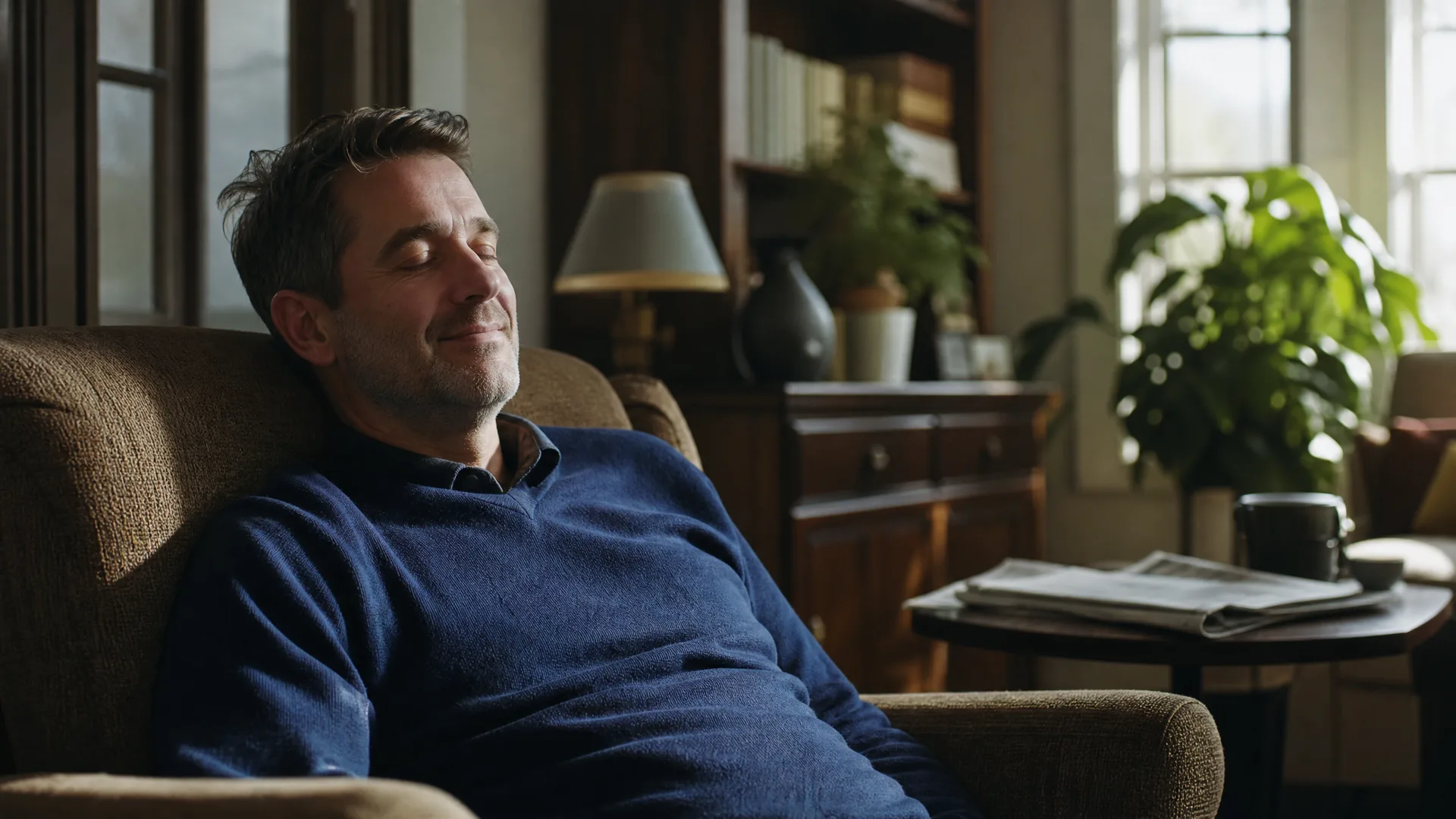
A man in a navy sweater reclines with closed eyes in a beige armchair in a living room, with a lamp, wooden cabinet, bookshelf, potted plant, and a side table holding a newspaper and mug nearby.
A man in a blue henley shirt reclines on a leather chair with his eyes closed, beside a window, a houseplant, a side table with a newspaper and a dark mug.
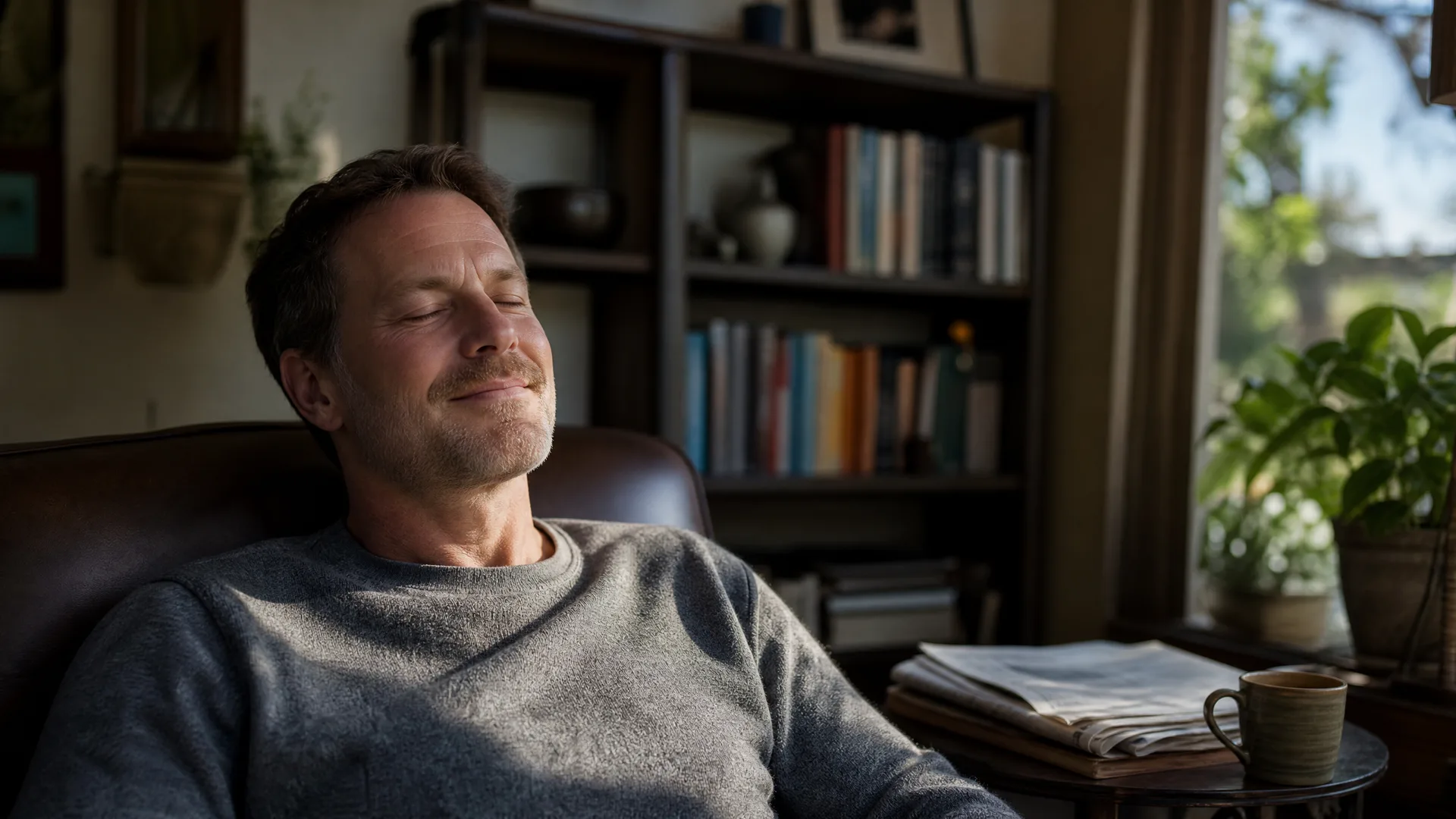
A man in a gray sweatshirt reclines with his eyes closed in a dark leather chair, with a bookshelf behind him and a side table holding folded newspapers, a mug, and a potted plant by a window.
A man in a blue sweater leans back on a brown leather chair with his eyes closed and a slight smile, in a room with bookshelves, framed pictures, a potted plant by a window, a folded newspaper and a dark mug on a table.
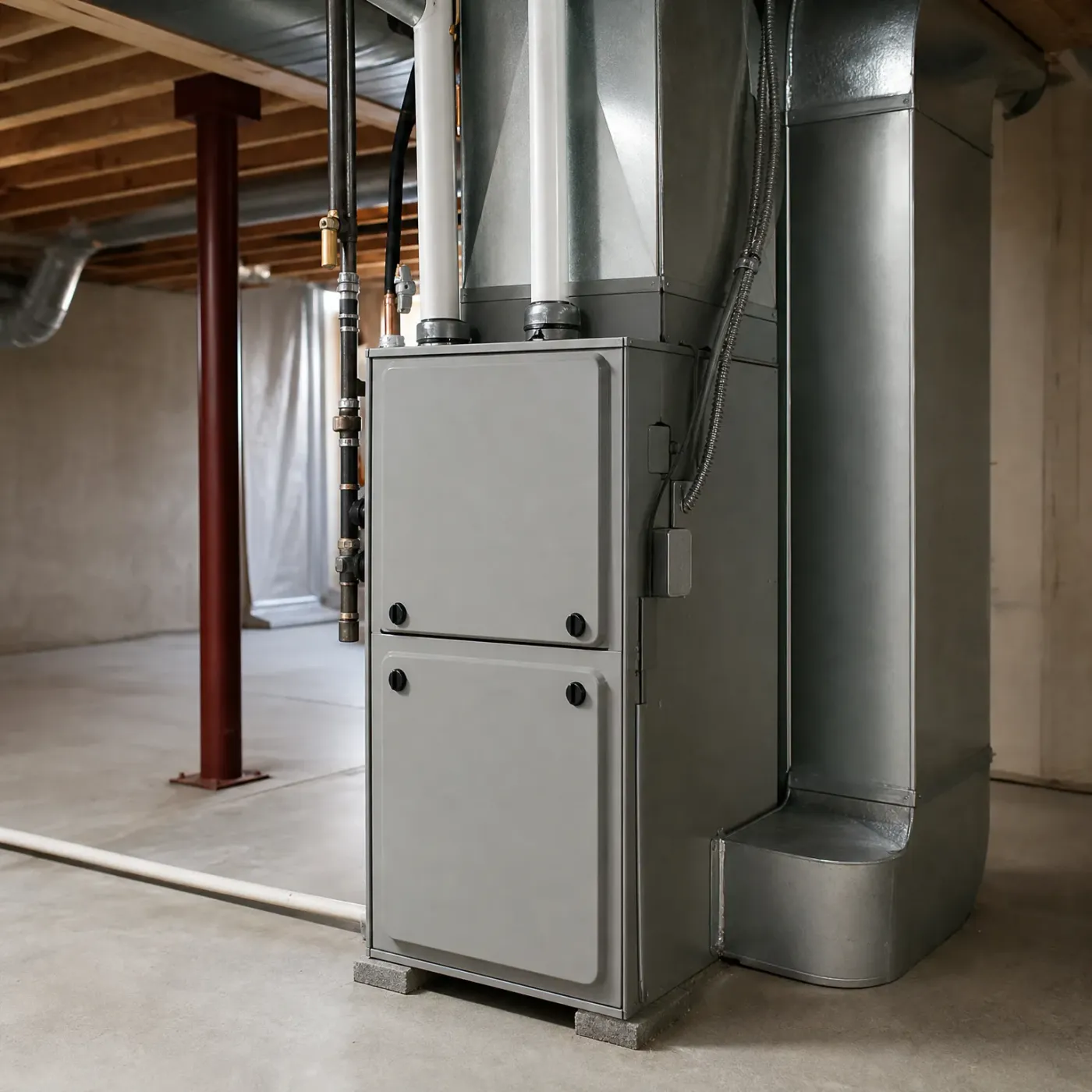
A gray high-efficiency furnace with two access panels stands on blocks in a basement, connected to sheet-metal ductwork, PVC vent pipes, flexible conduit, and gas and water piping, beside a red support column and exposed wood joists.

Stop chasing a furnace pro

One installer gets your project, so there's no bidding war over it.

After you send the request, you're done searching.

Reach a local pro

No fee to send it, and nothing to sign.

Replace Now or Wait It Out

Replace it before winter

  • You pick the install date, so it happens on a dry afternoon in October instead of during the first cold snap in January.
  • A contractor can size and install the right unit without rushing, which matters more once rebates or permits are involved.
  • You get to compare the cost against what the old unit was already costing you in gas and repairs.
  • The house stays warm the whole time, since there's no week spent waiting on a part or a second visit.
  • You're not stuck taking whatever furnace happens to be in stock when everyone else is also calling in a cold snap.

Wait until it fails

  • You get every last month out of the furnace you already paid for, even if that's only one more winter.
  • If it's going to die anyway, you find out for certain instead of replacing something that might have run another year.
  • A breakdown usually happens on a cold morning, which is exactly when a gas furnace gets the least forgiving to diagnose.
  • You're choosing from whatever's available that day, not whatever fits your house best.
  • A no-heat call in January means living with cold rooms, maybe for a few days, until someone can get out there.
  1. Burner ignites and starts warming the heat exchanger

  2. Blower pushes heated air through the ducts

  3. Thermostat senses target temperature and cuts the burner

  4. Blower keeps running briefly to clear remaining heat

A basement utility area with a gray furnace, sheet-metal ductwork, pipes, plastic-covered walls, a concrete floor, and a black shelving unit holding storage bins.
A furnace like this fires right up, heats evenly, and the cabinet still looks the way it did when it went in.
A gray metal furnace with louvered vent panels stands on a concrete basement floor beside galvanized ductwork, gas and plastic pipes, and foil-faced insulation along the ceiling and wall.
Rust on the cabinet and a yellowed gas line like this mean the furnace is past the point of just needing a repair.
A gray-haired man with a beard in a blue button-placket shirt reclines on a couch with his eyes closed, beside a sunlit window with a green plant.
A woman in a cream knit sweater sits in an armchair with her eyes closed near a window showing yellow autumn foliage, with a mug on a round wooden side table beside her.

Where your furnace stands now

  • A California furnace that gets a mild winter and regular filter changes tends to run longer than the national rule of thumb suggests.
  • Rust on the cabinet, a burner that struggles to light, or rooms that never quite warm up are the signs that matter more than its age.
  • Once those signs show up, replacing it on your schedule beats waiting for it to quit on a cold morning.
  • A local contractor who services this equipment all season knows which parts fail first in homes like yours and can size the replacement correctly.
  • You're matched with one licensed local contractor, so you're dealing with a single call back instead of fielding several.

A mild winter and a filter changed on schedule go further here than the age on the unit. That's the real answer to how long a furnace lasts in California: longer than the national number, as long as it's been looked after. What matters more than the year it was installed is what you can see and hear from it right now. A burner that lights on the first try, a cabinet without rust, rooms that all reach the same temperature. When those start to slip, the furnace is telling you something the calendar can't. Rust working through the cabinet, a burner that takes a few tries, a corner of the house that never quite warms up. Those are the signs worth acting on, not a number of years. Once you see them, the advantage is in choosing when the work happens. A dry afternoon you pick beats a cold morning the furnace picks for you. A contractor who services furnaces in California homes all season has seen what fails first in a system like yours, gas furnaces working through mild winters with light, short cycles, and can size a replacement to match rather than guess. You're put in touch with one licensed local contractor for this, not a handful competing for the job, so the call back you get is the one call back you need. That's where things stand: a furnace that's probably earned more good years than the rulebook says, until it starts showing you otherwise.

An unfinished basement with bare concrete walls and floor, a small window at upper left, exposed joists overhead, and a furnace with sheet-metal ductwork and pipes along the right side.

Send one request and you're done looking

Your request goes to one pro, not a list of companies.

New system or replacementFurnace or heatingCalifornia
Step 1 of 2

What ZIP code is the job in?