Side profile of a bearded man wearing a dark faded baseball cap and a dark gray t-shirt against a plain light background.

How long a heat pump lasts in Oxnard, CA

New system or replacementHeat PumpVentura County, CA
Step 1 of 2

What ZIP code is the job in?

A heat pump in Oxnard typically lasts 15 to 20 years, often longer than it would inland. The mild winters here mean the system rarely has to work hard to pull heat from outside air, and the warm, dry summers keep the compressor from laboring the way it would in muggier climates. The biggest wear on a heat pump is the stop-and-start cycling that comes with extreme temperature swings, and Oxnard just doesn't see many of those. Most homes here use gas for heat, so the heat pump's cooling side gets the heavier use, and that side holds up well in this climate too. What shortens its life is usually not age but neglect: a dirty coil, a refrigerant leak left alone, or a unit that was undersized or oversized when it went in. If your system is already in its late teens and you're noticing it run longer to hit the same temperature, that's the system telling you it's near the end, not a reason to panic yet.

A man in a gray quarter-zip sweater sits with closed eyes and a slight smile in a dark leather armchair in a wood-paneled room, with a window, framed picture, bookshelf and a table holding a mug and papers nearby.
A man with greying hair and a beard, wearing a dark blue sweater, reclines with closed eyes and a slight smile in a brown leather armchair in a room with a bookshelf, houseplant, window, and a folded newspaper on a wooden table.
A man in a dark green sweater reclines with eyes closed in a brown leather armchair beside a wooden table holding a dark mug and a folded newspaper, with houseplants, a framed picture and a bookshelf in the background.
A man in a dark blue sweater reclines with closed eyes in a brown leather chair, beside a side table with a mug and folded newspaper, a potted plant and shelving in the background.

A heat pump doesn't burn fuel. It moves heat from one place to another, and that means the compressor is working almost every time the system turns on, all year, not just when it's hot. The reversing valve is what lets it switch between pulling heat in and pushing it out, and that valve sticking or wearing out is a common reason these systems get replaced before their time. Since most houses around Oxnard heat with gas, the heat pump is usually handling cooling duty most months, which puts a different kind of wear on the compressor than it would see paired with a furnace. The refrigerant charge has to be exact for the compressor to run right in either direction, and a slow leak can cut years off its life without you noticing right away. The outdoor coil takes in salt and moisture off the coastal air, and one that doesn't get cleaned will corrode faster than it would further inland. The defrost cycle, which clears frost from that coil, doesn't run as often here as it would somewhere colder, and that's part of why the compressor holds up as long as it does.

How a Heat Pump Wears Here

  • A heat pump moves heat instead of burning fuel, so the compressor runs almost every time the system calls, year-round, not just in summer.
  • The reversing valve switches the unit between heating and cooling, and a stuck or worn valve is one of the more common reasons a heat pump gets replaced early.
  • Because most homes near Oxnard heat with gas, a heat pump here is often doing cooling duty most of the year, which wears the compressor differently than a furnace-paired system inland.
  • Refrigerant charge has to stay exact for the compressor to run correctly in both directions, and a slow leak can shorten its life long before 15 years.
  • Outdoor coils near the coast collect more salt and moisture in the air, and a coil that isn't cleaned regularly corrodes faster than one inland.
  • The defrost cycle, which clears frost off the outdoor coil in cooler weather, runs less often here than in colder climates, which is part of why the compressor sees less strain.
A gray outdoor condenser unit on a concrete pad beside a house with horizontal lap siding, a conduit and disconnect box on the wall, a shrub with white flowers at right and evergreen foliage at left.
This unit is clean and clear on all sides, with nothing blocking the airflow it needs to move heat in either direction.
An outdoor air conditioning condenser unit with a top fan grille sits on a concrete pad beside a house with horizontal siding and a concrete step.
Coils caked like this make the compressor work harder to do the same job, and that wear adds up over the years.
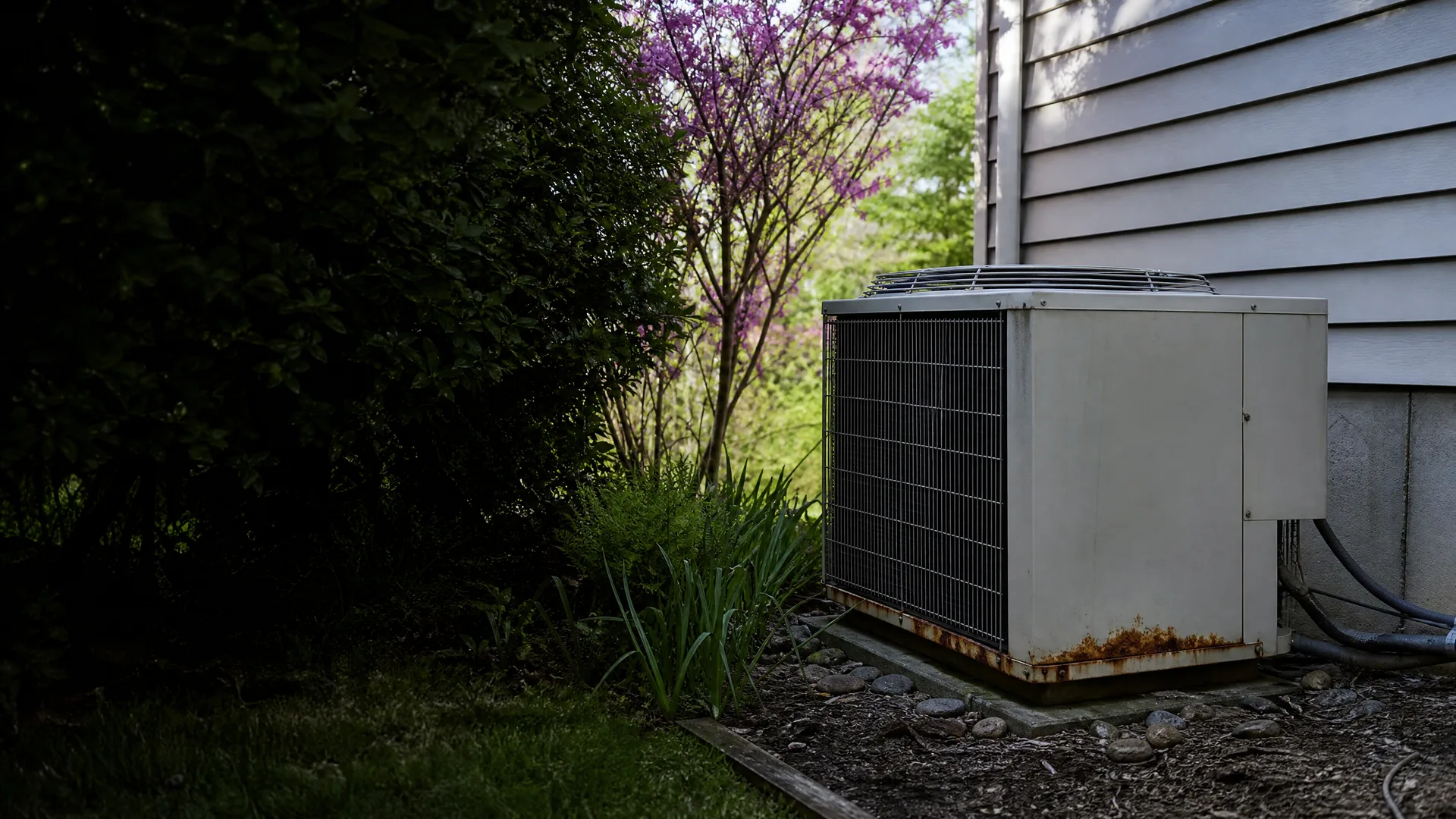
An outdoor air conditioning condenser unit with rust streaks sits on a concrete pad beside a light-colored lap-sided house, surrounded by shrubs, gravel and a flowering tree.

You walk out to the side yard to grab the hose and notice the rust first, a line of it along the base of the unit where the metal meets the pad. It's a mild spring afternoon, the kind Oxnard gets more of than most places, and the unit is running quiet, like it always has. You crouch down and look closer. The rust has worked its way up one corner, flaking where you touch it. The fan spins fine. The air coming off the top still feels warm. Nothing sounds wrong. But you remember the unit outlasted the one before it, and you start doing the math on how many springs this one has already seen.


Why does a heat pump here barely get a break?

  • Winter nights average 38°F

    Nights sitting near 38°F mean the heat pump is pulling warmth from mild air, not fighting a hard freeze, which is easier on the compressor.

  • Heat runs November through May

    Seven months of heat calls means the system runs more months than it rests, so the wear comes from hours logged, not from strain.

  • Cooling runs July through September

    Three months of cooling adds more run time on top of that, so the compressor is doing some kind of work most weeks of the year.

NOAA nClimDiv 1991-2020

A beige outdoor air conditioning condenser unit on a concrete pad beside a house with horizontal vinyl siding, with refrigerant lines and a disconnect box on the wall, surrounded by dark mulch and a green shrub at left.

Running the way it should

A clean unit sits level on its pad, conduit secure, nothing crowding the sides. Air moves through it freely in both directions, which is what lets it pull warmth from mild air all winter without strain and shed heat just as easily come summer.

An outdoor air conditioner condenser unit on a concrete pad beside a house with horizontal lap siding, with a shrub to the left, bare dirt in front, and conduit and a metal disconnect box on the wall.

Signs it's falling behind

Look at the base where the cabinet meets the pad. Rust there, or a unit that cycles longer than it used to, means the compressor is working harder for the same result. Caught early, a contractor can often still get more years out of it.

Why does your heat pump sound different lately

You notice it when you're outside watering or pulling weeds near the unit. It used to cycle on and off without much fuss, and now it runs longer before it shuts off, or it clicks on and off more than it used to in a single afternoon. Maybe there's a hum that wasn't there before, or the air coming from the vents feels cooler or warmer than it should for how long the system's been running. None of that means it's finished. It usually means the compressor is working harder to do what it used to do easily, and left alone, that strain is what shortens the years you get out of it.

An older man with white hair and a beard sits in a padded armchair with his eyes closed and a slight smile, wearing a gray zip-up fleece, in a sunlit room with large windows and houseplants behind him.
A woman in a cream knit sweater sits in a light upholstered armchair with her eyes closed and a slight smile, beside a window showing orange autumn foliage, with a bookshelf, lamp, and a mug on a side table nearby.

One request and it's handed off

A heat pump that's pulling warmth from mild Oxnard air one month and shedding heat the next doesn't give you much warning before the compressor finally gives out. By the time you notice longer run times or a rattle near the pad, you're usually looking at a decision, not a maintenance call. Getting a quote lined up now, while the system is still running, means you're not scrambling to find someone the week it quits. The request goes to one licensed contractor working in Ventura County, someone who sees this exact equipment every season and knows what a reversing valve or a worn compressor sounds like before it fails outright. You're not fielding calls from a handful of companies trying to win the job. Send the form and let that part be off your plate while you figure out the rest on your own timeline.

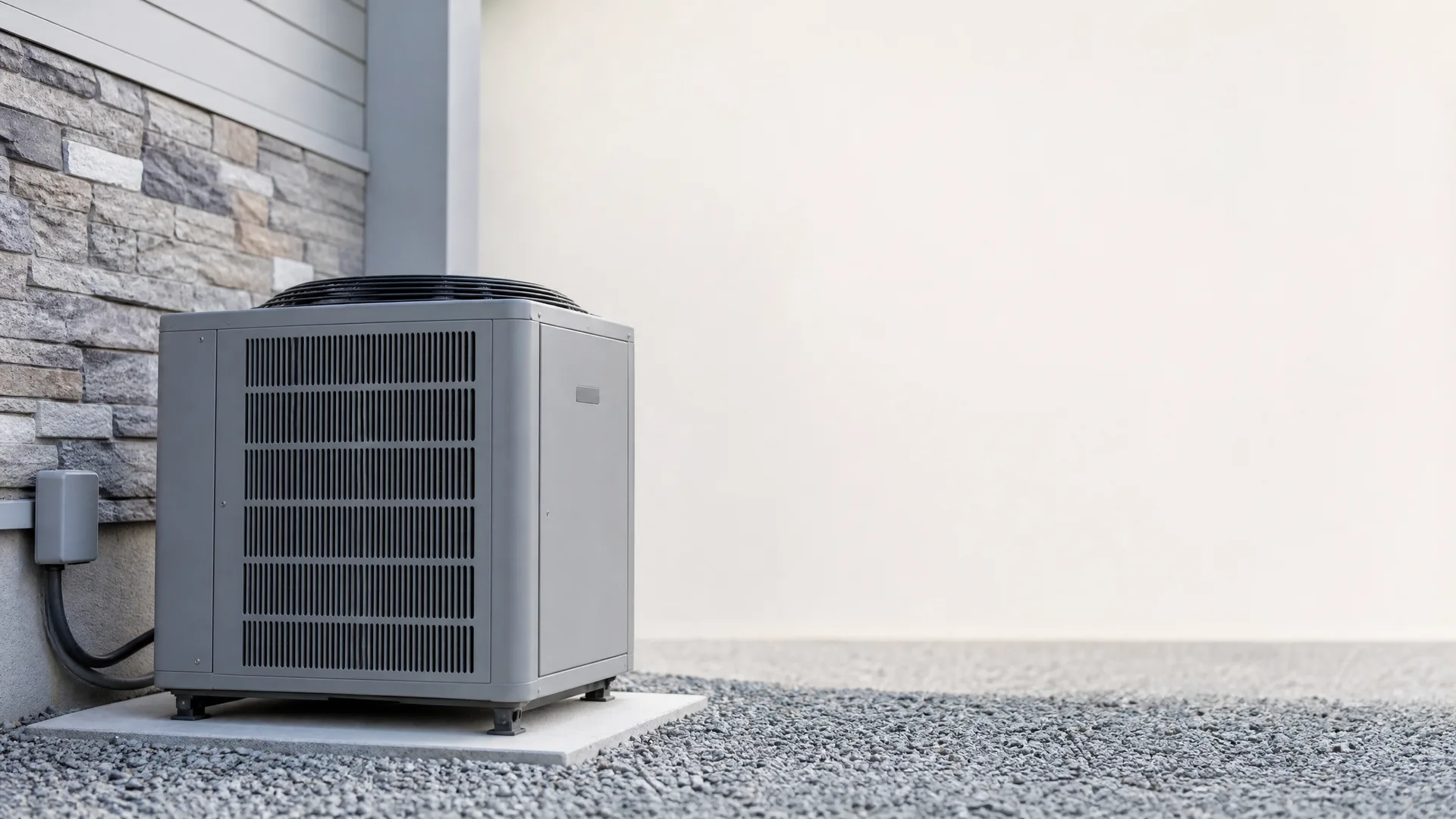
A gray outdoor condenser unit on a concrete pad beside a house with stacked stone and horizontal siding, surrounded by gray gravel and a plain light wall.

Power rates make efficiency matter more

Electricity here costs more than it does in most of the country, and a heat pump runs on electricity alone. A unit that's lost a few years of efficiency to a worn compressor or dirty coils shows up on the bill faster here than it would somewhere with cheaper power. That's part of why keeping the system running clean matters more in Oxnard than the number of years on the nameplate.

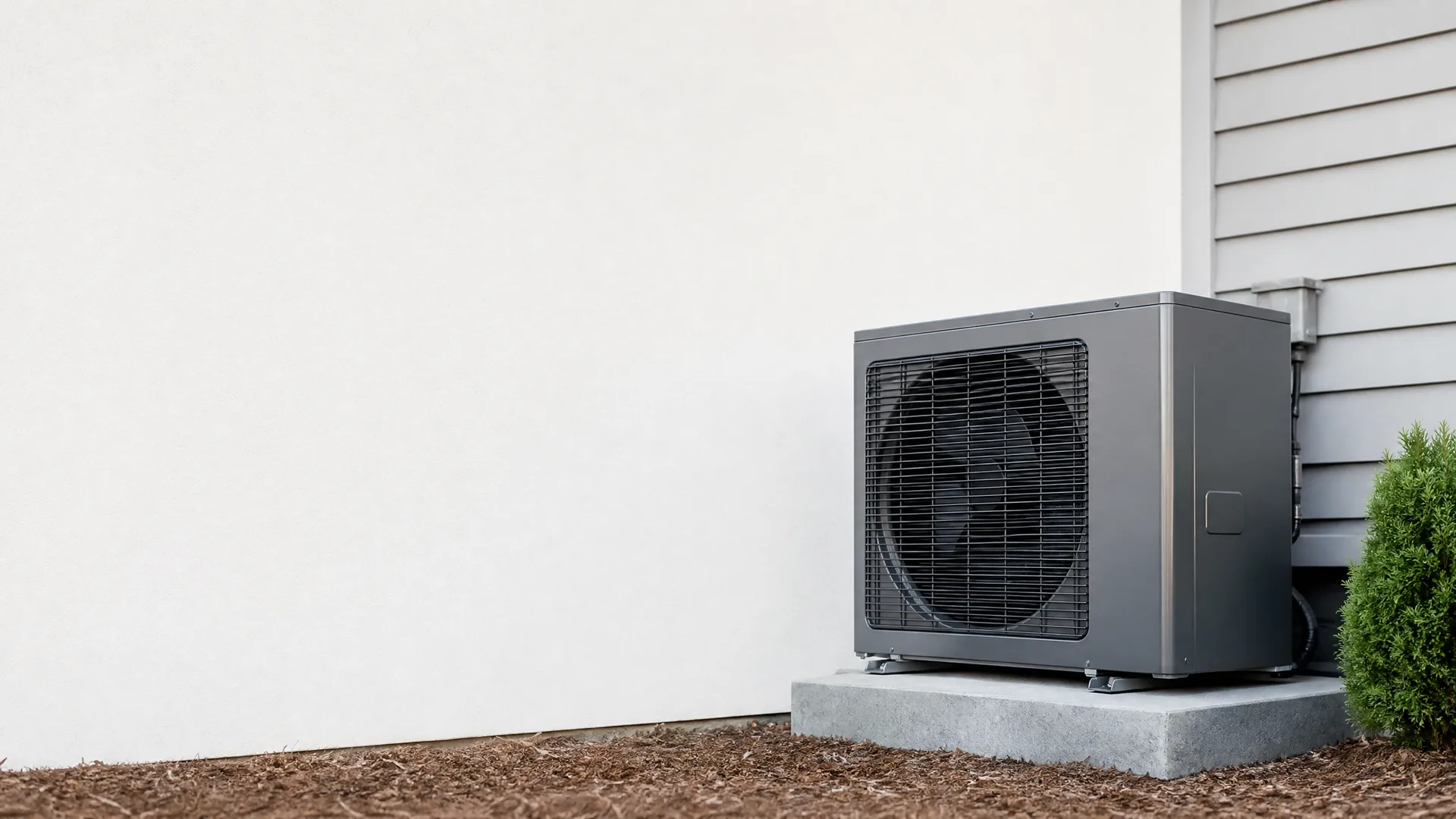
A dark gray outdoor heat pump unit sits on a concrete pad beside a white stucco wall and lap-sided house corner, with mulch and a small shrub in the foreground.

Most homes here still heat with gas

A heat pump covers both heating and cooling, but most homes in this area rely on gas for heat and use the heat pump mainly for air conditioning. That changes how many hours a year the compressor actually runs compared to a home where the heat pump does all the heating too. Fewer run hours across the year is one reason these units can hold up as long as they do here.

Does a heat pump wear out faster than a regular AC here?

You've had central air in a past house, and it lasted a long time without much trouble. Now you're wondering if a heat pump in Oxnard is a different story, since it's also your heating in winter. The idea that it's doing double duty, warming the house part of the year and cooling it the rest, makes you wonder if it's quietly working harder than a straightforward AC ever did.

No, and in Oxnard it often has an easier time

A heat pump and a central AC use the same compressor and the same basic cycle. The difference is the reversing valve, which lets the heat pump run backward and pull warmth from outside air in winter. That's one more part to maintain, but it's not a part that wears the compressor down faster. What actually drives wear is how hard the compressor works, and here the winters are mild enough that pulling heat from outside air takes little effort. An AC-only system in a harsh winter climate wouldn't face that at all, but it also wouldn't face Oxnard's long, dry summers either. Either way, a heat pump here isn't working against a disadvantage the way it would somewhere with hard freezes.

An outdoor air conditioning condenser unit on a concrete pad beside a house with horizontal siding above a brick foundation, with a flexible conduit running to a wall-mounted disconnect box.
Before you get your heat pump installation
An outdoor condenser unit on a concrete pad beside a gray lap-sided house, with an electrical disconnect box and conduit on the wall and shrubs with mulch to the right.
After you get your heat pump installation

A heat pump left to run past its years still heats and cools, but the compressor is drawing more power each month to do the same job it used to do on less.

A new installation gives you a compressor sized and set up to run the way this climate actually asks of it, pulling mild winter air and shedding summer heat without the strain an aging unit has built up.

Power here costs 32.12 cents per kilowatt-hour

At 32.12 cents per kilowatt-hour, every month your heat pump runs past its prime costs you more than it should. A compressor losing efficiency doesn't just heat and cool worse, it pulls more power to do it, and at this rate that shows up fast on your bill.

EIA-861 2025

What to take from this

  • Most heat pumps in Oxnard run 15 to 20 years given the mild winters and dry summers here.
  • Rust at the base, longer run times, and rising power bills are the signs that a unit is near the end of that range.
  • Replacing a worn compressor before it fails outright avoids the higher power draw that shows up on a bill at 32.12 cents per kilowatt-hour.
  • A local contractor who works on heat pumps in this climate all year knows which parts tend to fail first here.
  • One licensed, local contractor handles the match, so you're not fielding calls from several companies at once.

Fifteen to twenty years is what you can expect from a heat pump here, and the mild winters are the reason it leans toward the long end of that range. The unit isn't fighting hard freezes or brutal summer heat, so the compressor gets an easier run than it would almost anywhere else. What ends that run is usually visible before the unit quits. Rust at the base, longer cycles, a rattle near the pad, a power bill that's crept up without a clear reason. Any one of those is worth a look, and together they usually mean the compressor is working harder than it should to do the same job.

At 32.12 cents per kilowatt-hour, that extra work doesn't stay hidden for long. A unit past its years pulls more power every month it keeps running, and waiting for it to fail outright costs more than replacing it on your terms.

When you're ready, the contractor who takes this on should be someone who works on heat pumps in Oxnard all year, not just when summer hits, since the parts that tend to fail here are specific to this climate. You'll get matched with one licensed, local contractor, not a handful of companies competing for your callback. That's one person who already knows what usually goes wrong in a unit that's run through this many mild winters and warm, dry summers, looking at yours.

Interior corner with a white-trimmed window overlooking green shrubs and trees, a framed artwork on a pale wall, and a woven basket holding a fringed linen throw on a wood floor.
Corner of a white horizontal-siding house with a white downspout running from the roof gutter to a mulched bed of shrubs, beside a mown lawn and leafy trees in low sunlight.
Corner of a house with board-and-batten siding, a shingled roof, and a dark gutter and downspout, with shrubs in the foreground and conifers and bare trees against a hazy sky behind.
A dark round planter holding a white-flowering hydrangea sits on a concrete porch between a stacked stone wall, a wooden post, and a dark vertical board-and-batten wall beside a window.
A dark wood front door with a divided-light glass panel above stone steps, flanked by white columns, shingle siding, a woven basket planter with a draped throw, dried hydrangea blooms, and trimmed shrubs with fallen leaves on the paving.

Done looking for a heat pump pro

One installer gets your project, so there's no bidding war over it.

Find a licensed heat pump pro

Asking costs nothing, and the choice to hire stays yours.