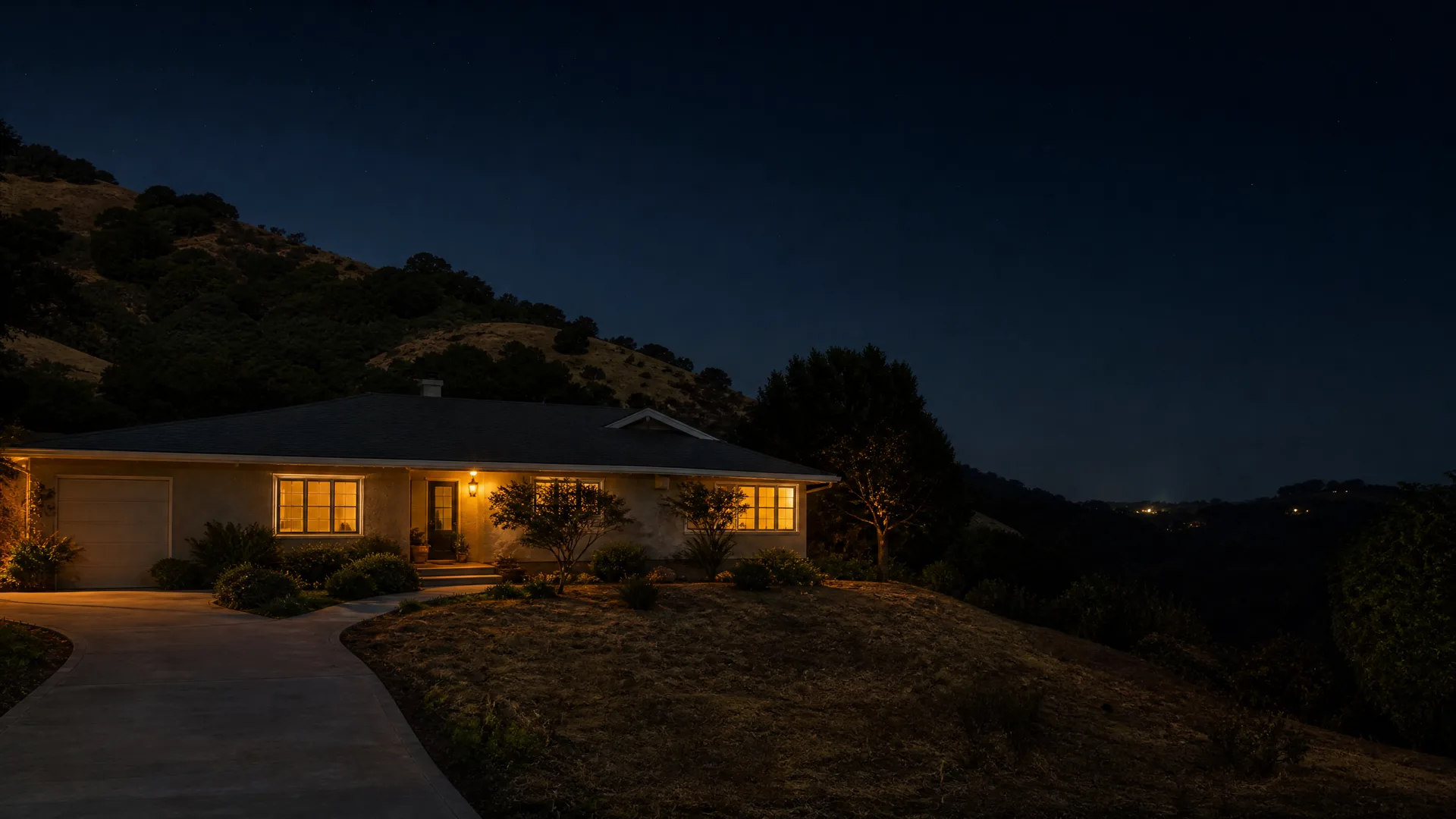
Furnace blowing cold air in Bakersfield, CA
Find a furnace proA furnace that blows cold air in a Bakersfield winter is still a furnace you're paying to run. Mild as the season is here, you don't want to be stuck without heat on a cold night, and you don't want a gas furnace cycling air through the house without actually warming it. Something stopped it partway through its job, whether that's the igniter, the flame sensor, or the blower timing. Gas furnaces around Kern County see light use most winters, so a problem can sit unnoticed until the air coming out tells you something's wrong. You don't have to track down who handles this kind of repair or wait on hold to find out. Fill out the form and a contractor who works on furnaces like yours will reach out to you directly. That's one less thing on your list this week, and it's handled by someone who knows the equipment, not a guess you're left to make on your own.
Why is my furnace blowing cold air instead of heat?
You turned the heat on and what's coming out of the vents is cold, or barely warm. On a mild Bakersfield night that's an annoyance more than an emergency, but a gas furnace that won't actually heat is either stuck in a startup stage it can't finish or it has a part failing somewhere along the way. Either way the air moving through the house isn't doing what you're paying it to do.
Usually the igniter, a flame sensor, or the thermostat telling it to do the wrong thing
A gas furnace blows cold air when it can't get a flame going or can't keep one lit. The igniter might not be heating up enough to light the gas, or the flame sensor might be shutting the burner off a few seconds after it catches because it doesn't sense the flame correctly. Sometimes the problem isn't the furnace at all. A thermostat set to "fan" instead of "auto" will run the blower nonstop, pushing room-temperature air through the vents between heating cycles. A clogged filter can also starve the burner of airflow and trip a safety switch that shuts off the heat but leaves the fan running. None of these let the furnace do the one thing it's there for.




Why does cold air from the furnace matter in Bakersfield winters?
Winter nights average 37°F
Overnight lows here average 37°F in December, January and February. That's cold enough that a furnace blowing cold air instead of warm leaves a house that actually feels it by morning.
Heat runs November through April
Heat runs about six months here, November through April. A furnace that won't heat right isn't a one-night problem, it's one you'll be living with most of the winter.
58.9% of homes heat with gas
58.9% of homes in Kern County heat with gas. A gas furnace blowing cold air can mean the burners never lit, and that's not something to leave alone.
NOAA nClimDiv 1991-2020 · ACS 2020-2024
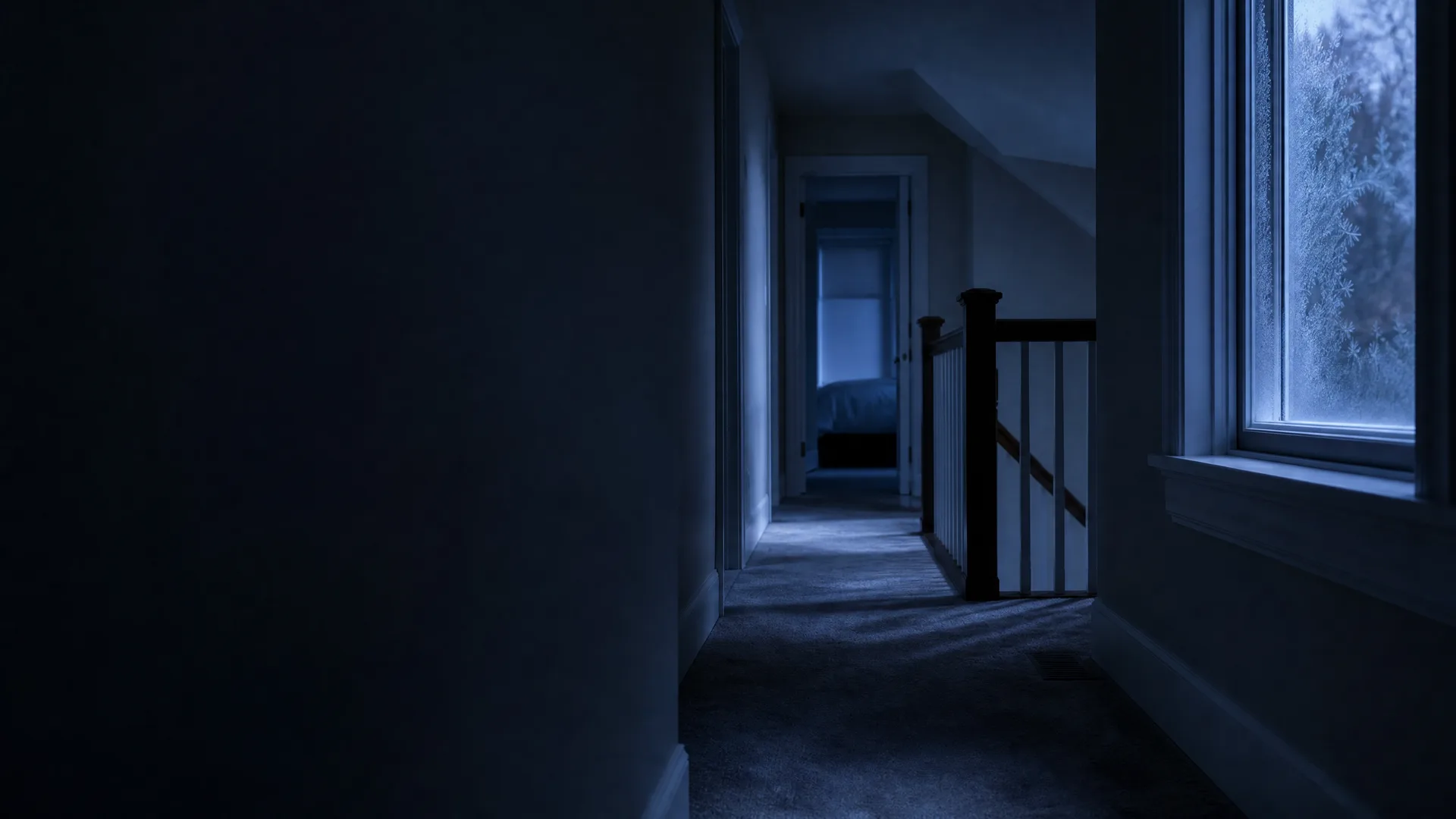
You wake up a little after 2 a.m. because your feet are cold. The hallway floor is cold too, the kind of cold that tile gets in January when nothing's been heating it for hours. You stand at the vent and hold your hand over it and feel nothing moving. Outside the window the glass has gone white at the edges, frost built up thin and even, and the light coming through it is a flat blue gray. Down the hall your thermostat is set where you left it. The furnace is running, or trying to. No sound from the vents, no warm air, just the house sitting at whatever temperature it reached before you fell asleep.
Call Tonight or Wait Until Morning
Call Tonight
- A furnace blowing cold air at 2 a.m. in January means the house keeps losing ground until someone looks at it.
- Overnight lows near 37°F mean a few more hours without heat shows up in how cold the floors and walls feel by morning.
- A gas furnace that won't ignite properly or won't heat the air it's pushing can be a safety issue, not just a comfort one.
- Getting matched with a contractor now means someone can look at the igniter, the flame sensor or the gas valve before the house gets any colder.
- If there are kids or anyone sensitive to the cold in the house, waiting out a cold night on a hope isn't worth it.
Wait Until Morning
- Bakersfield winters are mild enough that a few more hours without heat isn't dangerous the way it would be somewhere with hard freezes.
- Space heaters and extra blankets can get a household through one night without real risk.
- A contractor working during daylight hours can see the furnace running under normal conditions, which sometimes makes a problem easier to find.
- If the cold air started after a small change, like a thermostat setting or a breaker, it's worth a quick check before deciding it's a bigger repair.
- Waiting a few hours costs comfort, not safety, as long as the house isn't getting dangerously cold.
A furnace running normally keeps recovering the heat a house loses overnight. One that's only pushing cold air stops doing that job entirely, and at an overnight average of 37°F, a Kern County house has nothing working against that loss for as long as the problem goes unfixed. You'd notice it first in the places that cool fastest, tile floors, the hallway near a thermostat, a bedroom with a window. Getting someone out to look at it sooner rather than later is what stops a cold house from becoming a cold house for several more nights. A contractor matched to your situation can tell you from the thermostat settings and the vents alone whether it's a quick fix or something that needs parts.
NOAA nClimDiv 1991-2020
Get your furnace to the right pro
A furnace blowing cold air isn't something to live with until a warmer afternoon fixes the feel of it. Gas burning without heat reaching the vents, or a blower running with no flame behind it, points to a specific part not doing its job, and that part doesn't get better left alone. Most people don't have a way to tell a bad igniter from a gas valve that isn't opening from a thermostat wired wrong, and guessing at it from the hallway closet isn't worth the night it costs you. Bakersfield winters are mild enough that nobody plans around the furnace failing, which is exactly why it catches a house off guard when it does. Once you send the request, the work of finding someone who can look at it stops being yours to carry. You go back to your evening, and the cold vents stop being the thing you're managing by yourself.
Keep running it
You can leave the thermostat where it is and let the furnace keep cycling. The blower keeps moving air, so the house doesn't go completely still, and if the problem is something minor that comes and goes, you might get a few minutes of real heat here and there. Gas keeps burning on each cycle whether or not that heat reaches the vents, so you're paying for fuel the furnace isn't turning into warmth. On a 37°F night that adds up over the hours before morning, and it does nothing to tell you which part failed. Waiting doesn't make a furnace fix itself, and most of what causes this doesn't improve by running the system more.
Shut it off and get it looked at
Switching the thermostat to off stops the gas use and the blower noise while you wait, and it won't make the house any colder than a furnace that's already not heating it. A contractor who comes out can trace the problem to the part causing it, whether that's the flame sensor, the igniter or the gas valve, and get the furnace back to actually heating instead of just moving air. That's the difference between a house that stays at 37°F outside and climbing colder inside, and one where the heat comes back on and holds. Starting that now means the furnace is working again sooner rather than after another cold night.


How a Gas Furnace Actually Heats
- A gas furnace lights the burners first, then turns on the blower a short delay later once the heat exchanger is warm.
- If the igniter won't glow hot enough, or the flame sensor doesn't detect a flame, the gas valve shuts off and the blower keeps running on its own.
- That leaves cold air moving through the vents because the fan is doing its job with nothing behind it to heat the air.
- A dirty flame sensor is a common cause: it reads a weak signal, decides there's no flame even when there is, and cuts the gas.
- A cracked heat exchanger can trigger the same shutdown, since the furnace's safety switches sense something wrong and stop the burners rather than let heat build up.
- The thermostat fan setting matters too: set to "on" instead of "auto," the blower runs nonstop between heating cycles and pushes cool air through the house.
A gas furnace doesn't heat and blow air at the same time from the start. The burners light first. The heat exchanger has to warm up before the blower switches on, usually after a short delay of maybe thirty seconds to a minute. That order matters. If anything stops the burners from lighting, or stops the furnace from confirming they're lit, the blower either never starts or keeps running anyway, pushing air that never got heated.
The igniter has to glow hot enough to light the gas. If it's weak or cracked, the burners may not light at all, and the system shuts the gas valve down as a safety measure while the fan keeps turning. The flame sensor does something similar from the other direction. It's supposed to confirm a flame is burning once the gas valve opens, and if it's coated with carbon or corrosion, it can fail to read the flame that's actually there. The furnace reads that as no flame and cuts the gas rather than let it keep flowing unlit. A cracked heat exchanger trips the same kind of shutdown, because the furnace's safety switches are built to stop the burners the moment something isn't right, rather than let the problem keep going.
None of that stops the blower motor, which is a separate part doing a separate job. It keeps moving air whether or not there's heat behind it, and a thermostat fan switch set to "on" instead of "auto" will do the same thing between cycles.
Winter nights average 37°F
At 37°F overnight, a house with no real heat behind the vents doesn't hold steady, it just keeps dropping until morning. A furnace blowing cold air on a night that cold isn't holding the line at all.
NOAA nClimDiv 1991-2020
A furnace blowing cold air almost always comes down to one part failing to do its job: the igniter not getting hot enough, the flame sensor not seeing a flame, or the gas valve staying shut while the blower runs anyway. None of that clears up on its own, and none of it is something to diagnose by ear or by guesswork from the vent. Bakersfield winters are mild, but 37°F overnight is still cold enough to notice in a house that's lost its heat, and a gas furnace that's just moving air without warming it is a furnace that needs a repair, not a few more days of patience. The part doing the failing can be checked, and once it's identified, fixed. That's the whole answer: something specific is wrong, it has a name, and a licensed contractor can find it and put it right. Nothing about a mild climate changes that math.


Furnace Repair
Find a furnace repair pro in Kern County
Get the furnace repair search off your mind today.
