Heat pump vs furnace in Kern County, California

Get Quotes on Both

Match with a pro in Kern County

A person's arm in a blue shirt reaches up to press buttons on a white wall-mounted thermostat, with a living room containing a sofa, fireplace, ceiling fan and a tool bag in the background.

Tell us about the job

Takes about a minute. No obligation.

New system or replacementKern County, CA
Step 1 of 3

What kind of equipment?

Which costs less to run in Kern County?

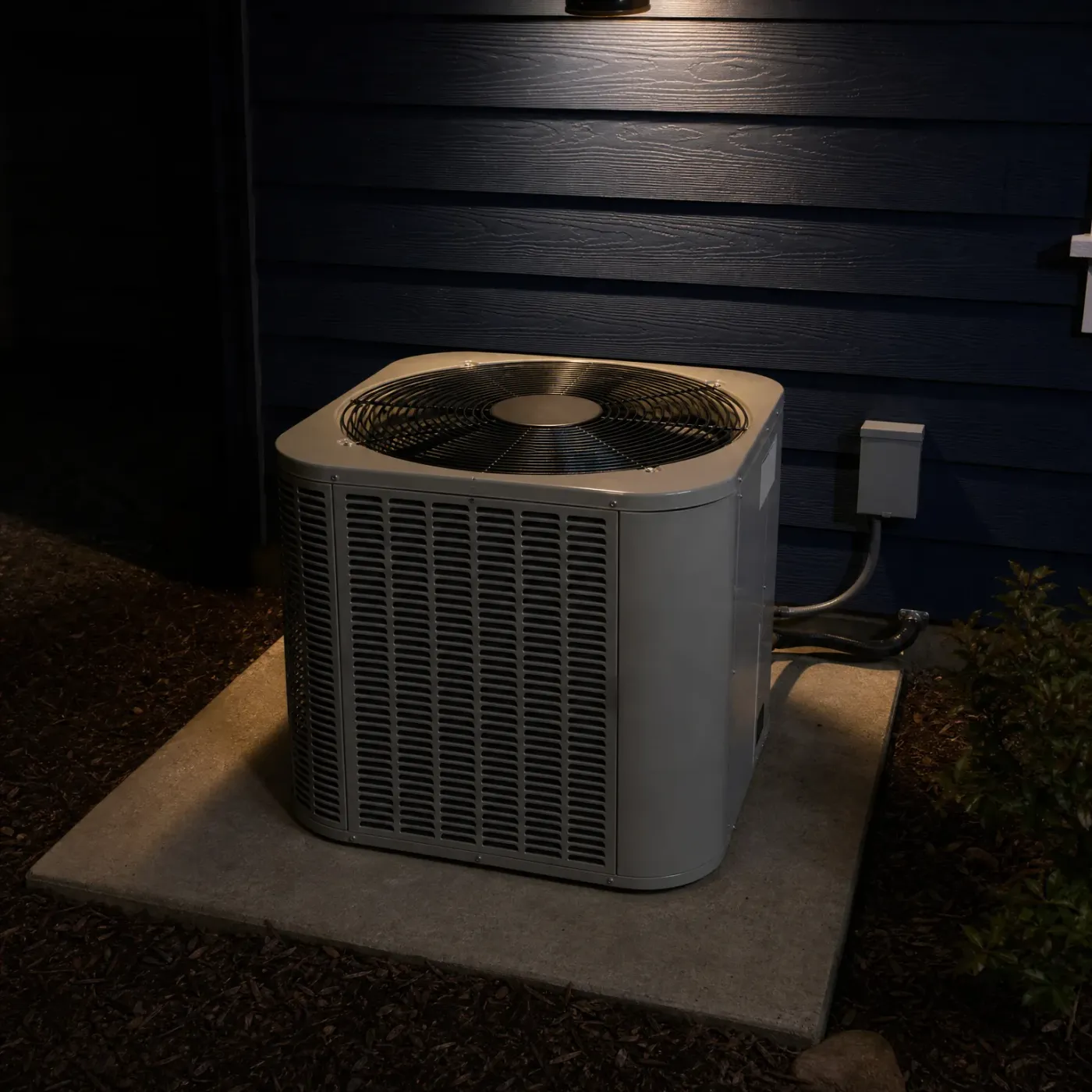
An outdoor air conditioning condenser unit on a concrete pad beside a dark blue lap-sided wall at night, with a nearby electrical disconnect box, refrigerant lines, mulch and a shrub.

Heat pump

To heat your home here$4.26per 100,000 Btu

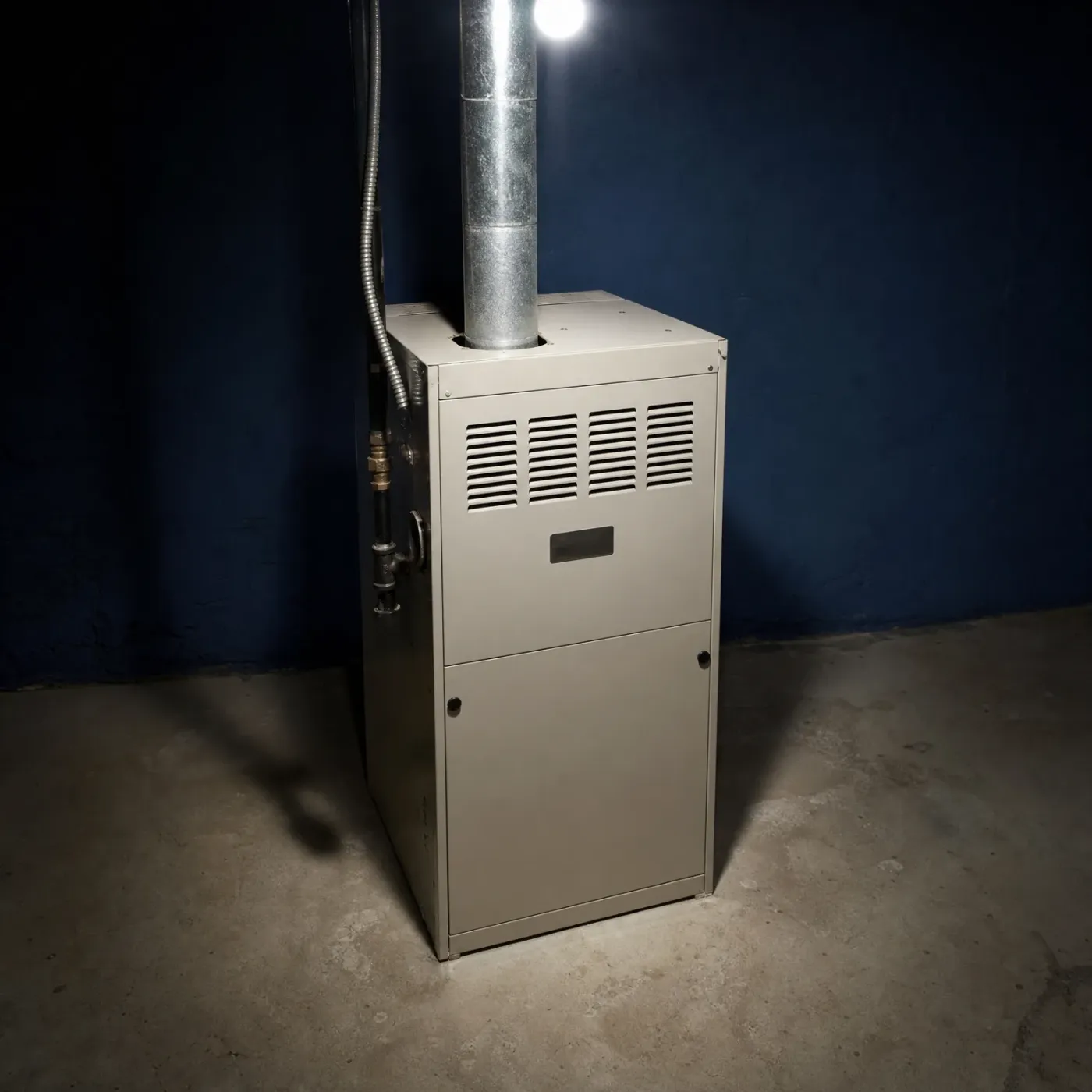
A beige sheet-metal furnace with a vented upper panel and metal flue pipe stands on a concrete floor against a dark blue wall, with gas piping and flexible conduit running along its left side.

Furnace

To heat your home here$2.31per 100,000 Btu

At California's gas and electricity prices, a gas furnace makes the same heat as a heat pump for at least 45% less.

Btu stands for British thermal unit, the standard measure of heat energy.

Where does a heat pump shine?

  • Made for mild winters

    Winter nights here average 37°F, not the deep freeze a heat pump struggles with. It can pull heat from that air all winter without much trouble.

    Front porch of a dark blue clapboard house with white trim, a navy door with a windowed upper panel, a wooden rocking chair with a plaid blanket and blue pillow, brown boots by the door, and frost-covered grass and bare trees in the yard.
  • Covers a long cooling season

    Cooling runs May through September here, five months of the year. A heat pump earns its keep across all of that, since it's built to cool the same way it heats.

    A tall glass of iced tea on a woven coaster atop a weathered round wooden table on a covered porch, with a potted succulent nearby, navy cushioned outdoor furniture, a ceiling fan overhead, and a person seated by a railing in the sunlit backyard beyond.
  • Steady, even comfort

    Instead of short bursts of heat, it keeps a gentle, steady output going. The house stays at one comfortable temperature.

    A navy upholstered armchair with an open book and gray knit throw sits on a patterned rug beside a lit lamp and side table with a mug, while a yellow dog sleeps curled on the rug and a snowy scene is visible through a window.

Where does a furnace shine?

  • Runs on the gas most homes here already use

    Most houses in Kern County already heat with gas, so the line running to your house is probably already there. A furnace just uses what's already hooked up.

    A row of wood-sided houses with covered front porches and white railings along a snow-covered yard and sidewalk in low sunlight.
  • Pairs with any central AC

    The ductwork that delivers heat in winter delivers cool air in summer once an AC coil is added.

    A metal floor vent set into wood plank flooring near a window with a sheer white curtain, with sunlight casting shadows across the floor and a dark blue cabinet at left.
  • Proven, simple, easy to get serviced

    Gas furnaces have heated homes for generations. Almost every HVAC tech knows them inside and out.

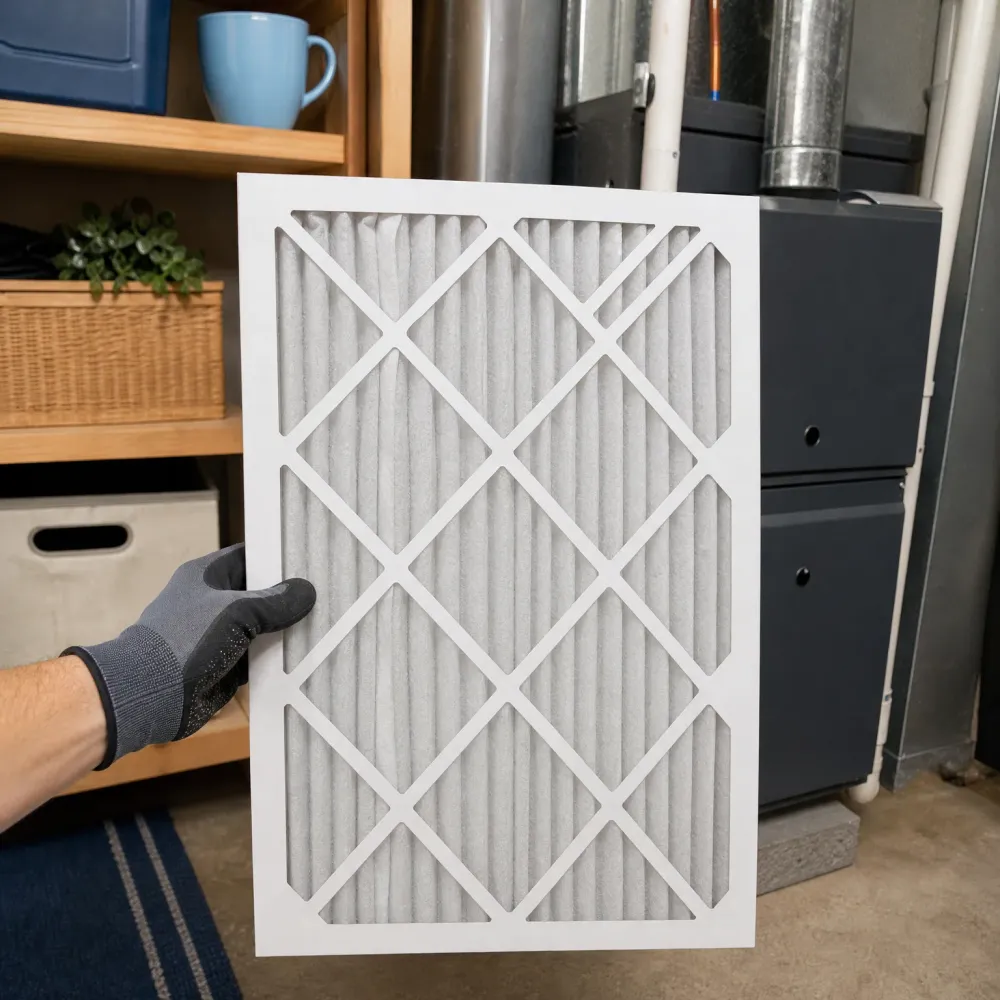
    A gloved hand holds a white pleated air filter in front of a furnace and wooden shelving holding baskets, bins, a mug and a plant.

What a gas furnace costs you here, and what it doesn't

Gas is the cheaper fuel to heat with here, and it isn't close. A furnace makes the same heat for $2.31 per 100,000 Btu against $4.26 for a heat pump. Run that over a winter that lasts from November through April and the gap doesn't shrink.

The cold here is real but it isn't extreme. Overnight lows average 37°F through December, January and February, and only about 25 nights a year drop to freezing or below. That's under a quarter of the roughly 180 nights heat runs at all. A furnace doesn't care either way. It burns gas, makes heat, and 32°F outside asks nothing extra of it that 45°F didn't.

A furnace only heats. For the five months a year cooling runs instead, May through September, it sits there unused, and it has nothing to say about the afternoons that hit 90°F or above, which happens about 110 days a year here. Whatever cools your house those days is a separate machine either way, bought and run on its own.
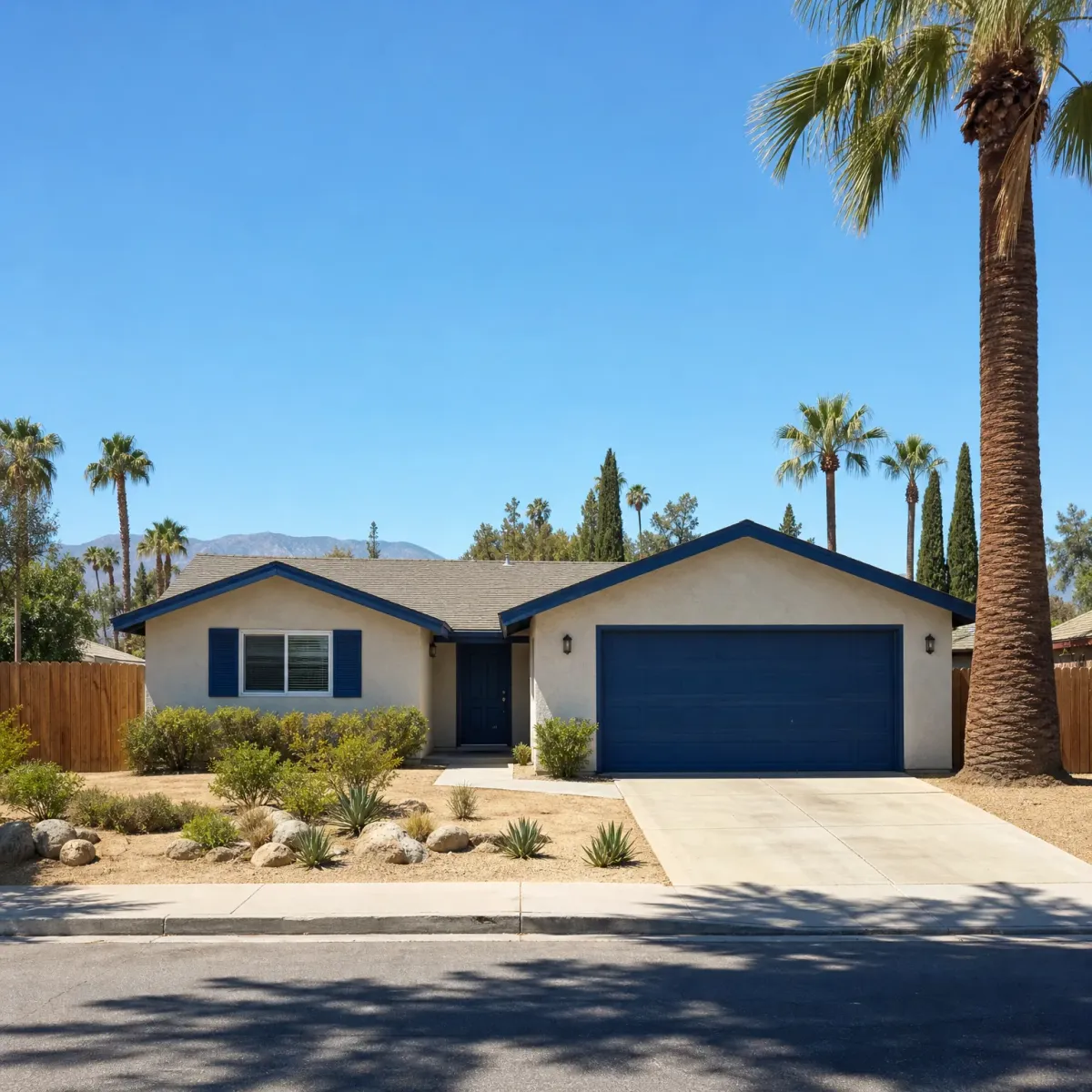
Single-story stucco house with blue garage door, trim and shutters, a concrete driveway, drought-tolerant front yard with gravel, shrubs and agave, wood fencing on both sides, palm trees and distant mountains under a clear blue sky.

What changes if you're buying the air conditioner too

A heat pump is a furnace and an air conditioner built as one machine. If you're already replacing your central AC, or don't have one, that's the case for it. It handles the five-month cooling season and the six-month heating season off the same equipment, and winters here, averaging 37°F overnight with freezing nights the exception rather than the rule, are mild enough that it isn't straining to make heat most of the season.

It still costs more to run for heat alone, $4.26 against $2.31 per 100,000 Btu. That's the tradeoff: one machine instead of two, against a higher bill for the six months it's heating. Whether that's worth it depends on what shape your air conditioner is in, not on the winters, which a heat pump here can handle.

Gas is what most of this county already heats with. Utility gas heats close to three in five homes here against a little under one in three on electricity. If your house already has a gas line and a working AC, a furnace fits what's already there and costs less to run. If the AC needs replacing anyway, a heat pump is doing two jobs for the price of fitting one, and the gas-versus-electric cost gap is the price of that.

Sources: NOAA nClimDiv · NOAA 1991–2020 seasonal normals · EIA SEDS 2024 · 10 CFR 430.32 · Census ACS 2020–2024

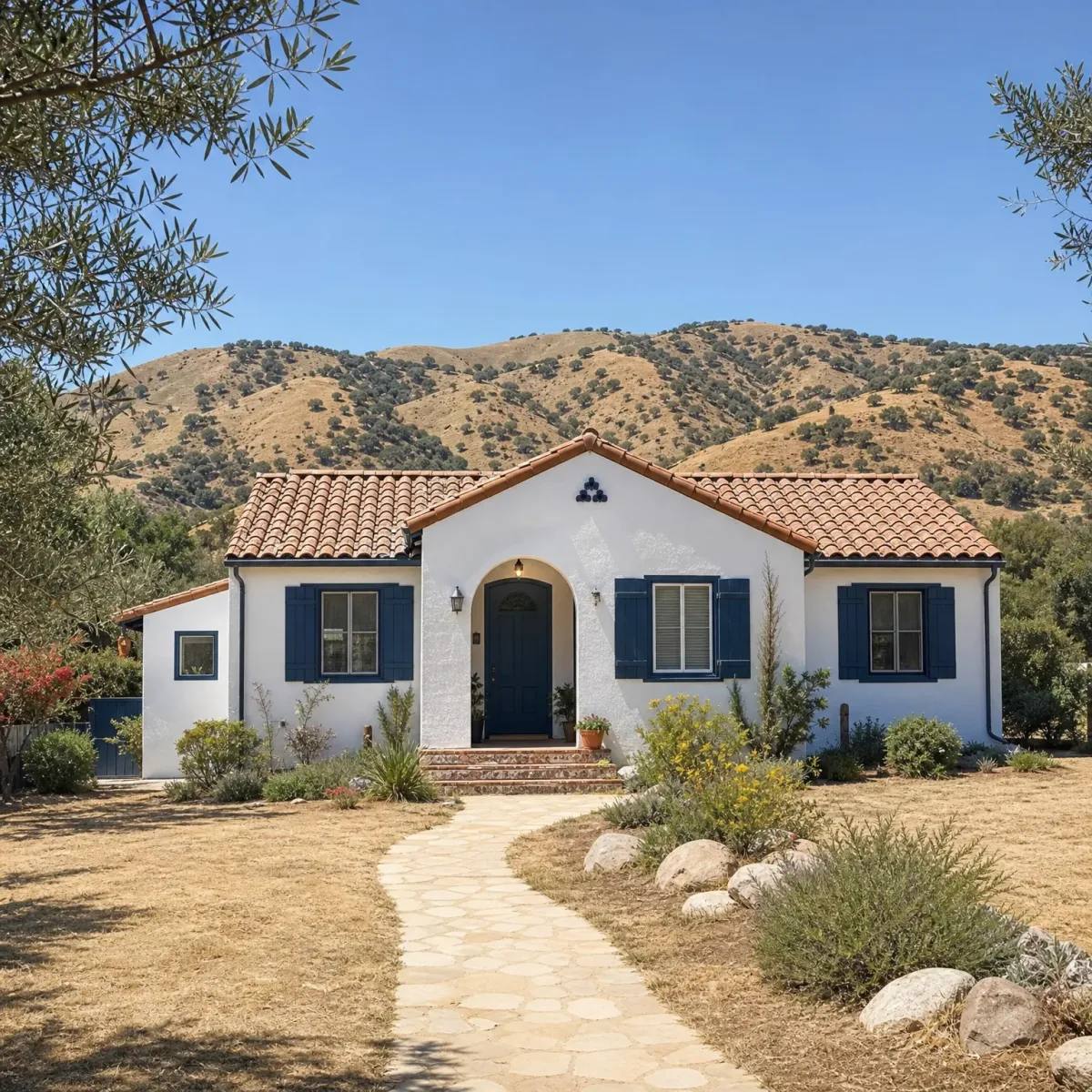
A single-story white stucco house with a red clay tile roof, blue shutters and a blue arched front door, approached by a stone path through dry grass, with olive branches framing the view and golden hills under a clear blue sky behind.

Common questions about heat pumps and furnaces

  • Will a heat pump keep my house cool enough here?

    Yes. A heat pump is an air conditioner in the summer, same as the central AC a furnace would pair with, and it covers the afternoons here that hit 90°F or above about 110 days a year. Cooling works the same way whether the outdoor unit is a heat pump or a straight AC.

  • Can I keep my furnace and add a heat pump?

    Yes, that's a dual fuel setup. The heat pump handles most days and the furnace backs it up on the roughly 25 nights a year here that drop to freezing or below. The furnace also still covers you if you ever want to keep gas heat as the primary and just add cooling later.

  • Is a heat pump cheaper to run than a furnace in Kern County?

    No, a gas furnace costs less to run here. At California's average prices, a furnace makes heat for $2.31 per 100,000 Btu against $4.26 for a heat pump, and heat runs about six months a year in Kern County, longer than the five-month cooling season. That gap holds for a heat pump built to the federal minimum with no backup heat added in.