
Heat pump vs furnace in Contra Costa County, California

Get Quotes on Both

See real numbers before you choose

A person's hand in a blue shirt adjusts a round black and silver wall thermostat on a white wall, with a living room containing a dark sofa, coffee table and patterned rug blurred in the background and a tool bag below.

Tell us about the job

Takes about a minute. No obligation.

New system or replacementContra Costa County, CA
Step 1 of 3

What kind of equipment?

Which costs less to run in Contra Costa County?

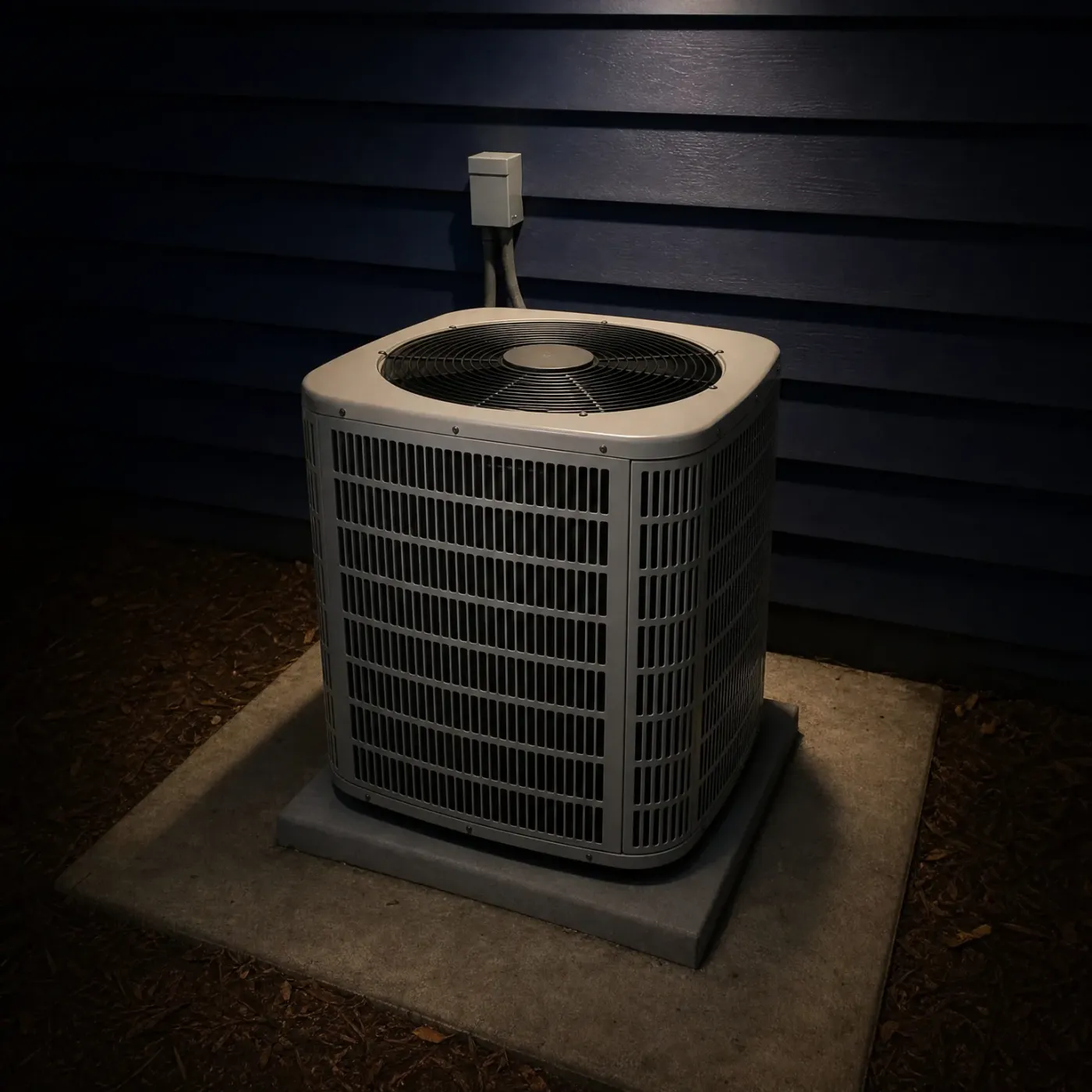
An outdoor air conditioner condenser unit on a concrete pad beside a dark horizontal-lap sided wall, with a conduit and disconnect box mounted above it, surrounded by mulch at night.

Heat pump

To heat your home here$4.26per 100,000 Btu

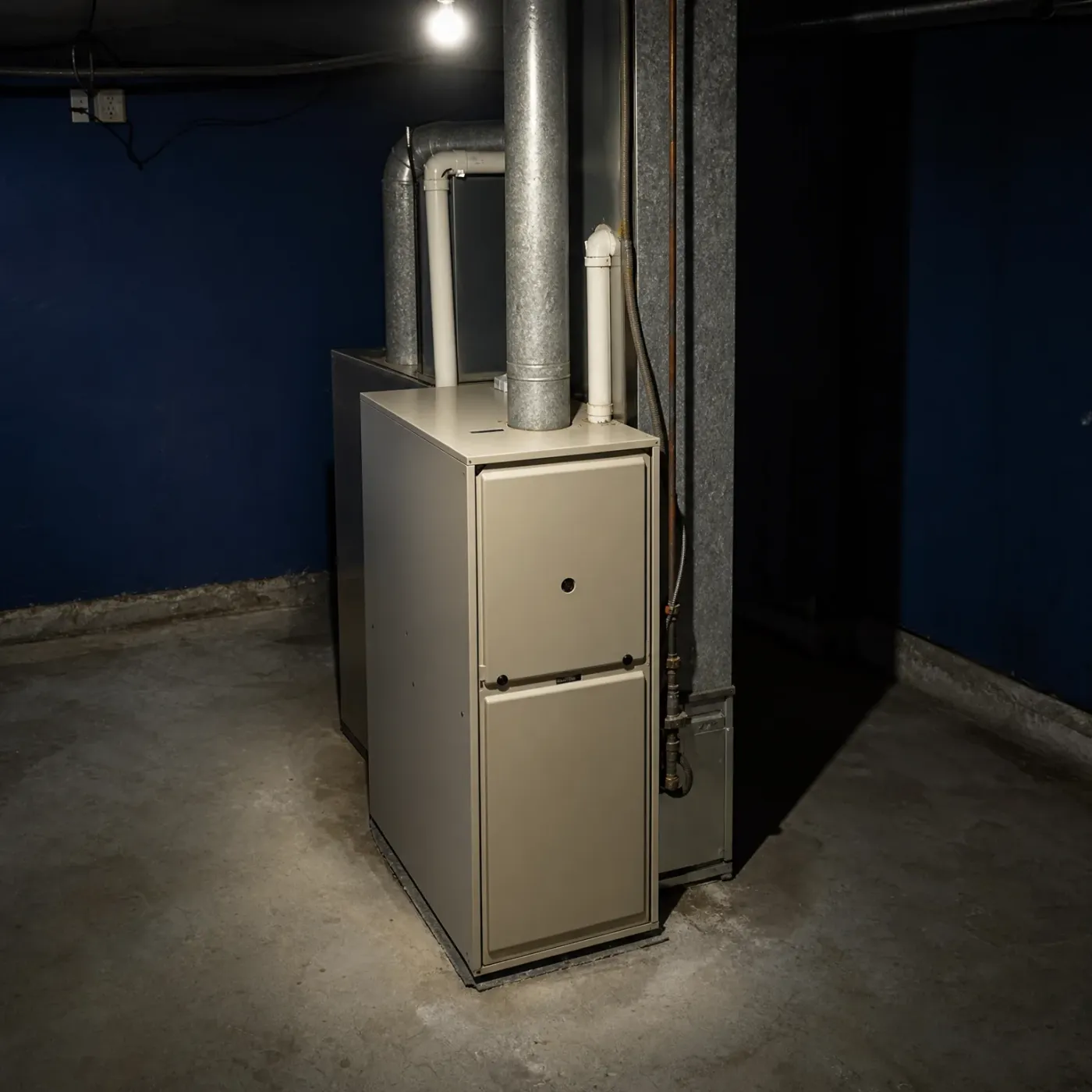
A beige residential gas furnace with metal ductwork and PVC vent pipes stands on a concrete basement floor beside a blue-painted wall and a support column.

Furnace

To heat your home here$2.31per 100,000 Btu

At California's gas and electricity prices, a gas furnace makes the same heat as a heat pump for at least 45% less.

Btu stands for British thermal unit, the standard measure of heat energy.

Where does a heat pump shine?

  • Made for mild winters

    Winter nights here average 41°F, not the teens or single digits a heat pump struggles with. That's mild enough for a heat pump to keep up on its own, no backup heat needed.

    Covered front porch of a gray horizontal-siding house with a navy blue door, stone steps, a potted shrub, boots on the mat, and a wooden bench with a striped blanket, with bare trees and low sun behind.
  • Heats and cools in one system

    One machine handles the heat in winter and the cooling in summer. There's no second system to buy or keep up.

    A cream sofa with blue and striped cushions and a blue knit throw sits beneath a multi-pane window with pale blue interior shutters overlooking a garden, with a rustic wood coffee table, potted plant, and dark blue panelled door nearby.
  • No gas line, nothing burning in the house

    It moves heat instead of making it from fire. That means no combustion, no flue and no gas bill for heat.

    A kitchen with navy blue cabinets, white marble countertops, a white subway tile backsplash, a stainless steel kettle on an induction cooktop beneath a stainless range hood, a wooden open shelf holding bowls and a trailing plant, and a light blue mug and bowl of apples in the foreground.

Where does a furnace shine?

  • Runs on the gas most homes here already use

    Most homes in Contra Costa County already heat with gas, so a gas furnace means working with a fuel line and setup that's already there. No new infrastructure to add, just equipment that fits what the house was built for.

    A row of attached two- and three-story houses with porches and front steps along a snow-dusted sidewalk, with bare trees and low winter sunlight casting long shadows.
  • Fast, strong heat on demand

    The air coming from the vents feels genuinely hot. That's welcome on a freezing morning.

    Entryway with a navy door with a window showing snowy trees, snow-dusted winter boots on a wood floor beside a jute rug, a floor vent under a sheer-curtained window, and a navy bench with a wood top holding a steaming mug and a blanket, with coats hanging above.
  • Proven, simple, easy to get serviced

    Parts are easy to find and most repairs are routine. Getting one fixed rarely means waiting on a specialist.

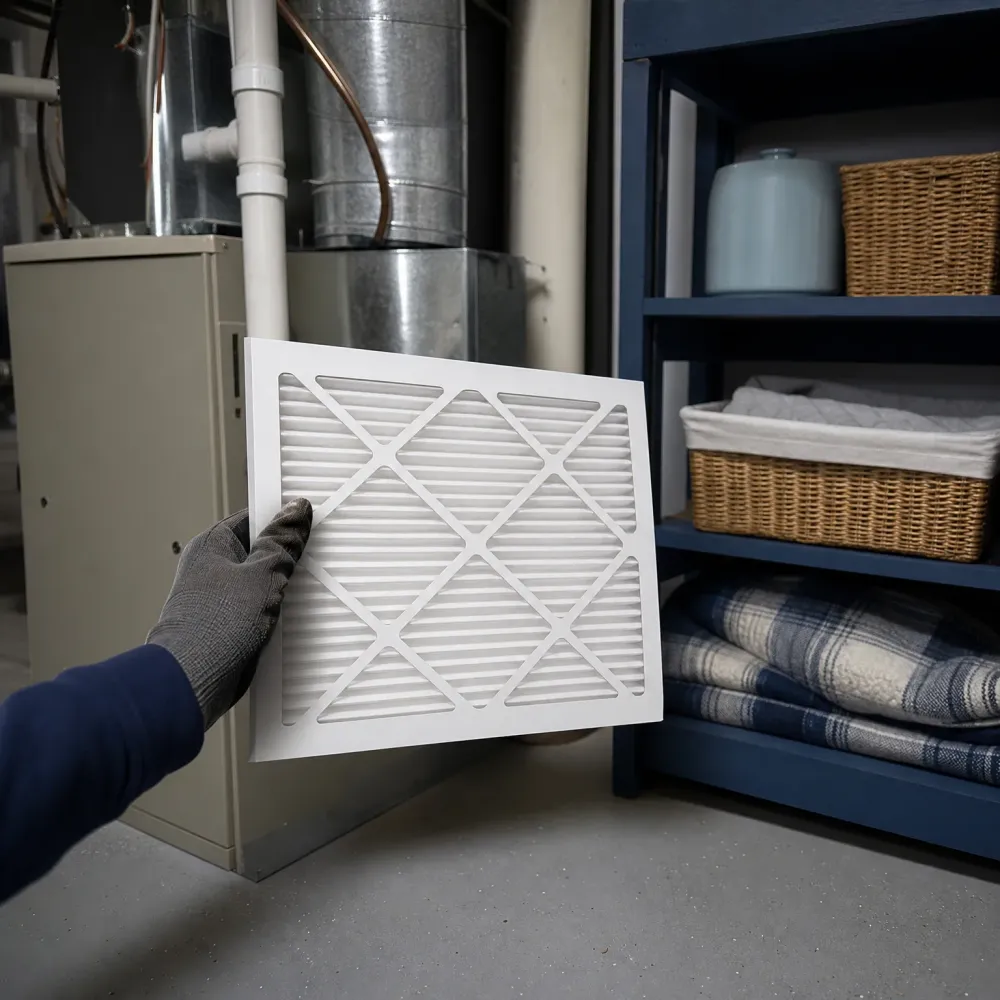
    A gloved hand holds a white pleated air filter in front of a furnace and ductwork in a basement, beside a blue shelving unit holding baskets and folded plaid blankets.

What a winter night here actually asks of your heat

Winter here is not harsh. The overnight low averages 41 degrees across December, January and February, and it only drops to freezing or below about 10 nights a year. A heat pump loses capacity as the air gets colder, but 10 nights out of the roughly 180 the heat runs is a small part of the season. Most nights here are well within what a heat pump handles without help.

The furnace costs less to run, $2.31 against $4.26 per 100,000 Btu, and that gap does not close on cold nights. But heat runs six months here, longer than any other season, and a furnace only heats. It has nothing to do the other six months of the year. A heat pump heats all winter and then cools all summer, when the afternoon high clears 90 degrees about 40 days a year. That is the real trade. A furnace costs less to run and does one job. A heat pump costs more to run and does both.
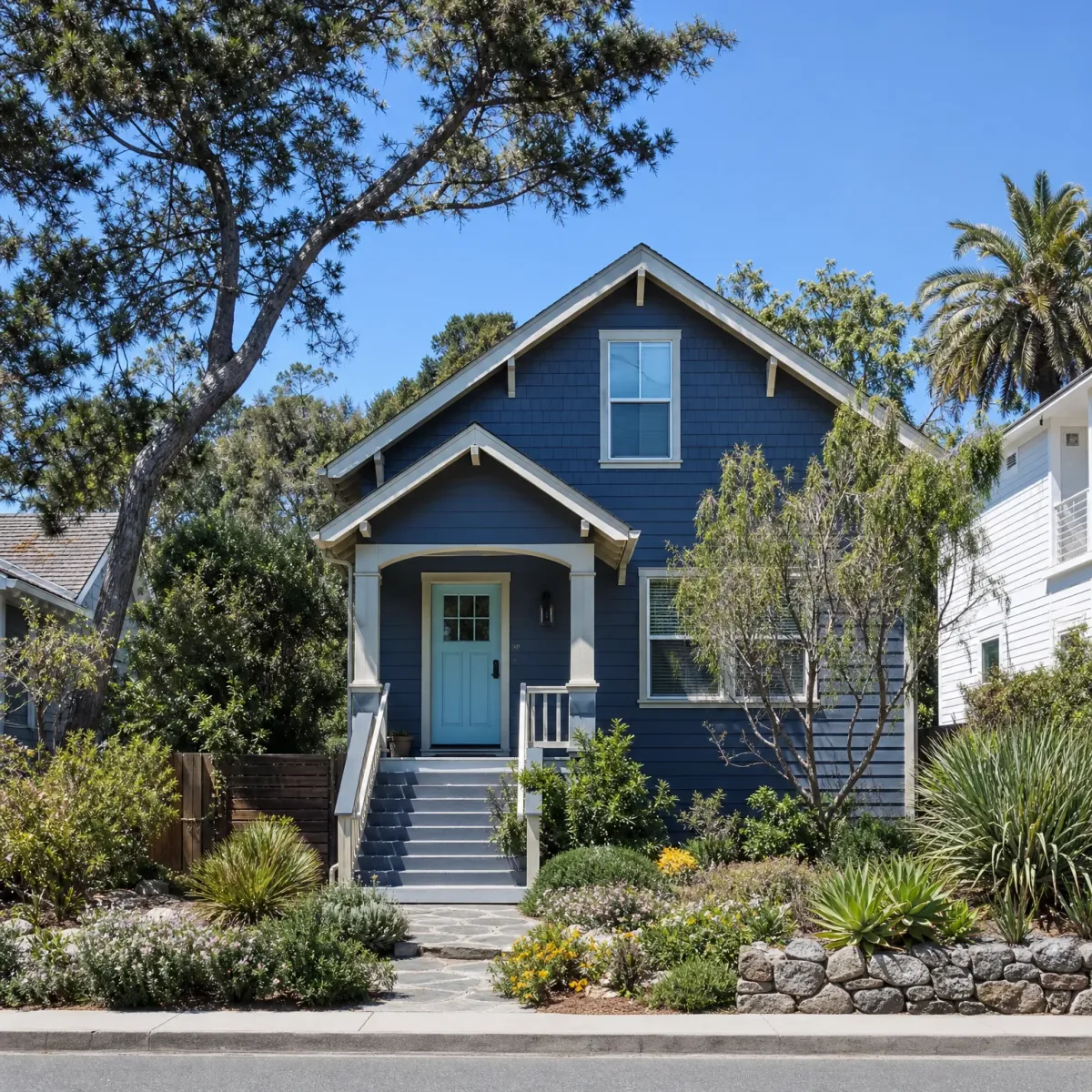
A navy blue single-story house with a gabled roof, light blue front door, covered porch and painted wooden steps, surrounded by drought-tolerant plantings, a stone retaining wall, trees and a palm against a clear sky.

What's already in most houses here

Two in three homes in the county heat with gas. A little over one in four heat with electricity. That split usually comes down to what is already run to the house, a gas line or the panel and wiring a heat pump needs, and that is worth checking before anything else.

If gas already runs to your house, a furnace is the cheaper machine to run and the simpler one to replace like for like. If your house heats with electricity now, or you want cooling from the same system, a heat pump covers both seasons and the mild winters here will not strain it. Either way, check what your house already has before you decide what to put in it.

Sources: NOAA nClimDiv · NOAA 1991–2020 seasonal normals · EIA SEDS 2024 · 10 CFR 430.32 · Census ACS 2020–2024

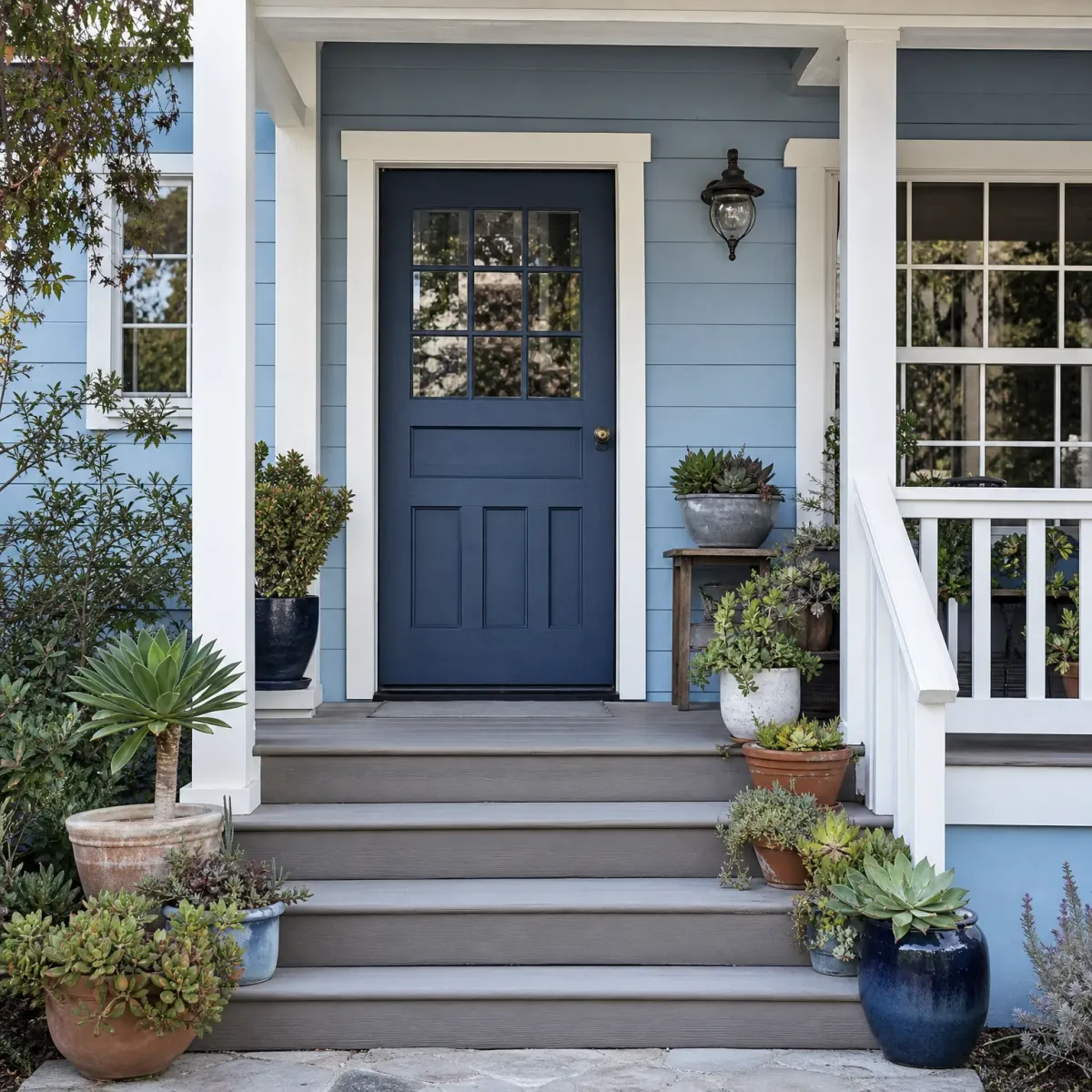
A light blue horizontal-siding house entry with a navy blue door with glass panes, white trim and columns, a wall lantern, gray steps, and numerous potted succulents and shrubs.

Common questions about heat pumps and furnaces

  • Will a heat pump keep my house cool enough here?

    Yes. A heat pump is a full air conditioner in the summer, built to handle afternoons that hit 90°F or above here about 40 days a year. The same system that heats your house in winter cools it the rest of the year.

  • Can I keep my furnace and add a heat pump?

    Yes, and a lot of houses end up running that way. The furnace handles the gas heat it already does, and a heat pump can cover the mild stretches or add cooling, so neither one has to do the whole job alone.

  • Is a heat pump cheaper to run than a furnace in Contra Costa County?

    No, a furnace costs less to run here. Gas comes out to $2.31 per 100,000 Btu of heat against $4.26 for a heat pump, so the furnace makes the same heat for less money at today's prices.