Heat pump vs furnace in Santa Cruz County, California

Get a Quote

Local pros in Santa Cruz County

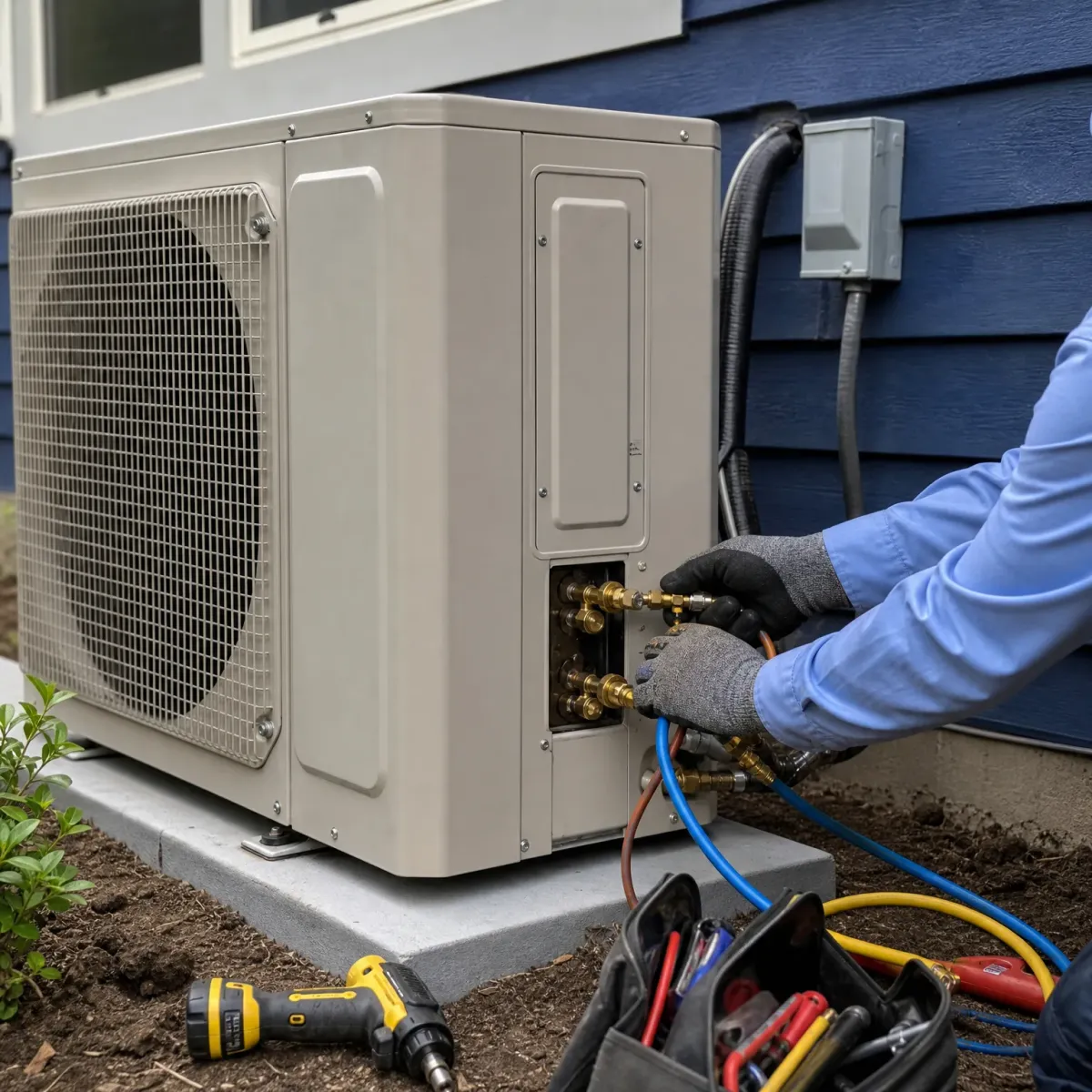
A gloved technician in a blue shirt connects colored refrigerant hoses to the brass service valves of a beige outdoor heat pump unit mounted on a concrete pad beside a dark blue clapboard wall, with a cordless drill and open tool bag on the soil in the foreground.

Tell us about the job

Takes about a minute. No obligation.

New system or replacementSanta Cruz County, CA
Step 1 of 3

What kind of equipment?

Which costs less to run in Santa Cruz County?

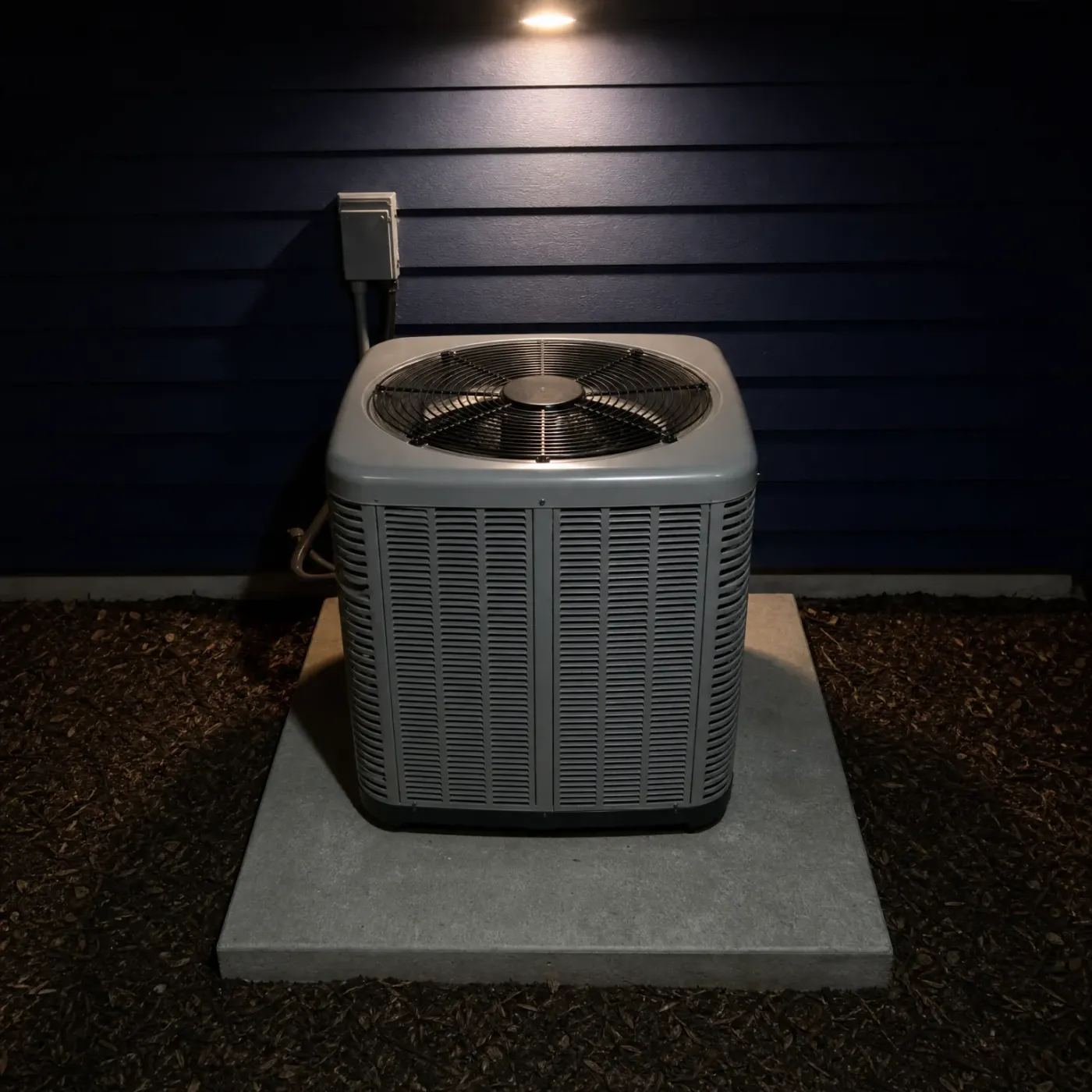
A gray outdoor condenser unit on a concrete pad beside a dark blue horizontal lap-sided wall at night, lit by an overhead light, with a small electrical disconnect box on the wall and mulch surrounding the pad.

Heat pump

To heat your home here$4.26per 100,000 Btu

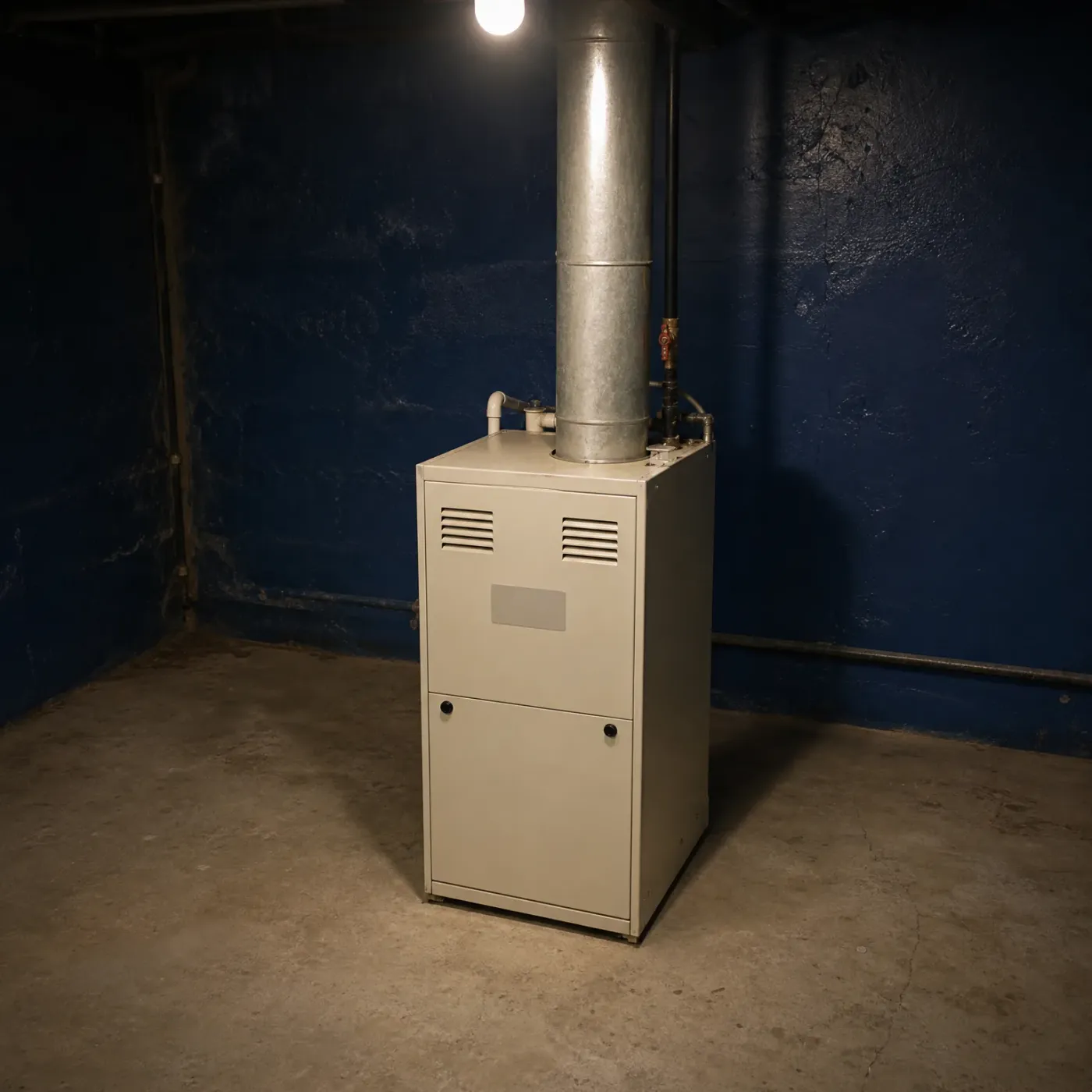
A beige furnace with a galvanized metal flue pipe stands on a concrete floor in a basement with dark blue painted walls, lit by a bare ceiling bulb.

Furnace

To heat your home here$2.31per 100,000 Btu

At California's gas and electricity prices, a gas furnace makes the same heat as a heat pump for at least 45% less.

Btu stands for British thermal unit, the standard measure of heat energy.

Where does a heat pump shine?

  • Made for mild winters

    Winter nights here average 41°F, not the teens or single digits a heat pump struggles with. That's mild enough for one to keep up on its own all winter, no backup heat needed.

    Covered front porch of a light blue clapboard house with a dark navy door bearing an evergreen wreath, a wooden plank chair with a draped blue blanket, a mug on a side table, leather boots by the door, a potted shrub in a metal bucket, and wooden steps leading to frost-tinged grass and bare trees.
  • Steady, even comfort

    Instead of short bursts of heat, it keeps a gentle, steady output going. The house stays at one comfortable temperature.

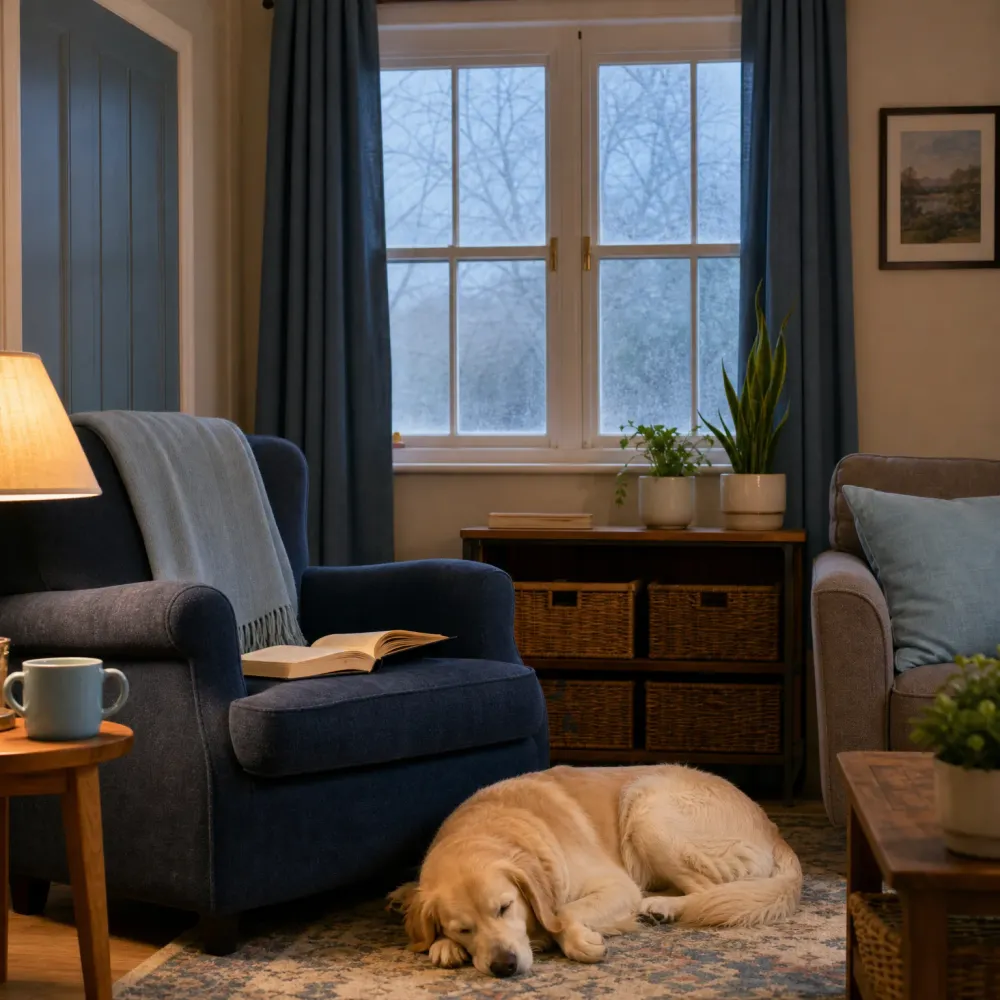
    A dimly lit living room with a navy armchair holding an open book, a lit table lamp, a window with blue curtains, potted plants, a storage console with wicker baskets, and a light-colored dog sleeping on a patterned rug.
  • Heats and cools in one system

    Winter and summer are covered by the same outdoor unit. That's one machine to service instead of two.

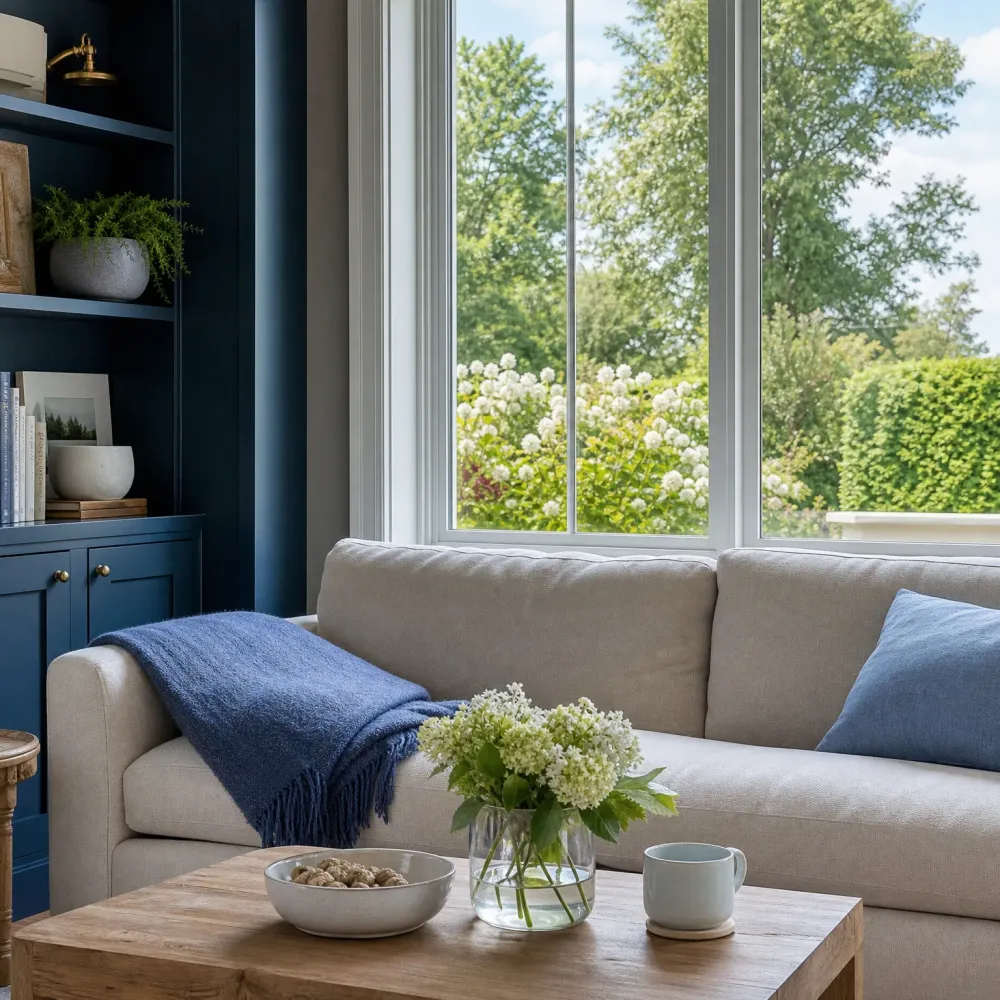
    A living room with a beige sofa, blue throw blanket and cushion, a wooden coffee table holding a vase of white flowers, a bowl and a mug, dark blue built-in shelving at left, and a white-framed window showing green trees and shrubs.

Where does a furnace shine?

  • Runs on the gas most homes here already use

    Most homes in Santa Cruz County already have a gas line, since utility gas heats 57.3% of them. If yours is one, a new furnace just hooks into what's already there.

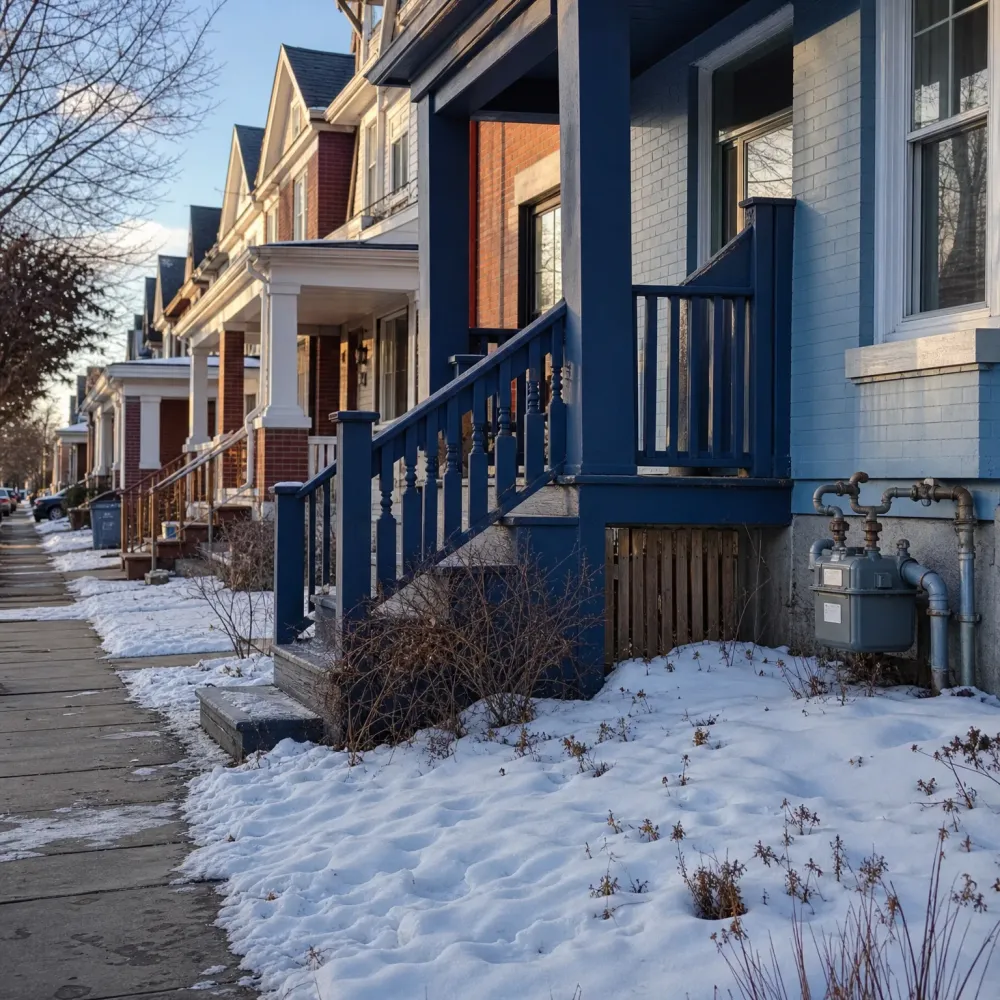
    A row of houses along a snowy residential street, with a blue-painted porch and railing in the foreground, a gas meter and pipes on the wall, and a cleared sidewalk at left.
  • Fast, strong heat on demand

    The air coming from the vents feels genuinely hot. That's welcome on a freezing morning.

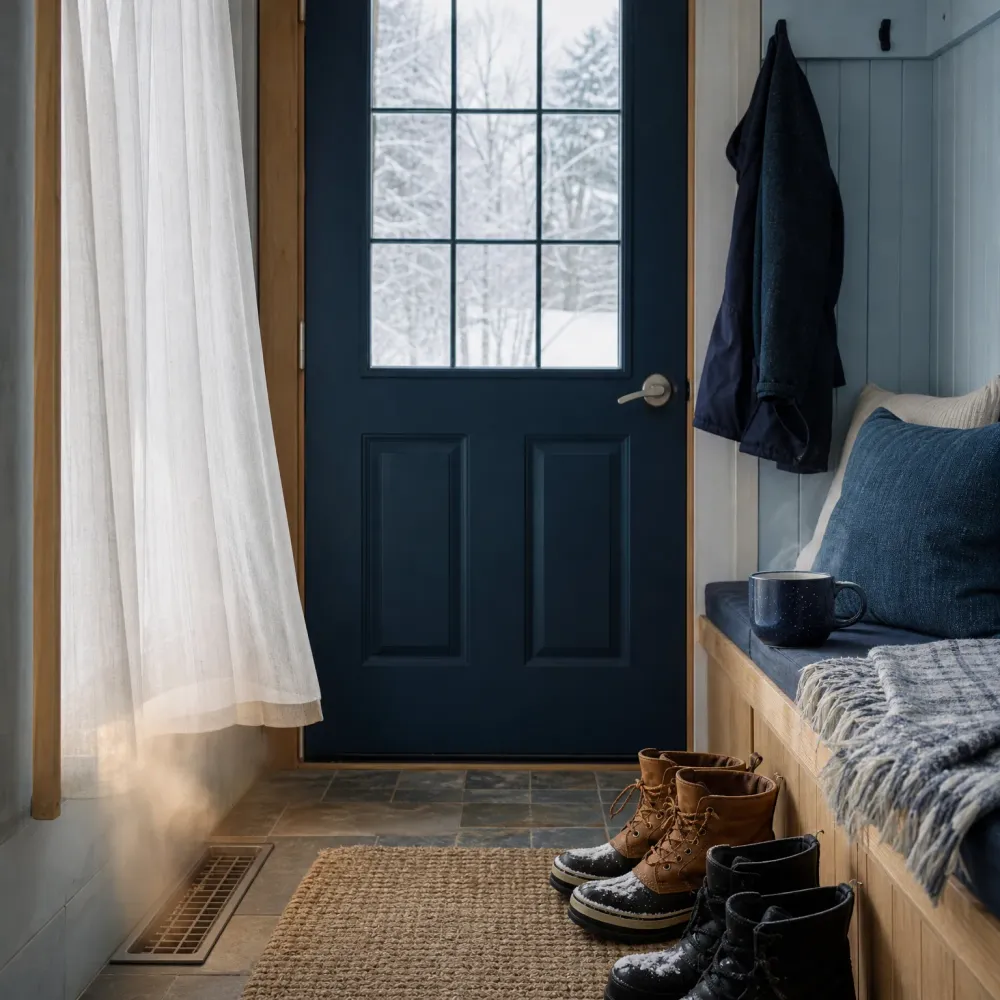
    A mudroom with a dark blue windowed exterior door showing snow outside, a sheer white curtain at left, a wooden bench with a cushion, blue pillow, fringed throw and speckled mug, a dark coat on a wall hook, two pairs of snowy boots on a tile floor, a woven rug, and a metal floor vent.
  • Pairs with any central AC

    The ductwork that delivers heat in winter delivers cool air in summer once an AC coil is added.

    Sunlit room corner with a hardwood floor, a metal floor vent near the baseboard, sheer white curtains at a window, a woven basket with a light blue fringed throw beside a dark blue cabinet, and a blue and tan rug in the foreground.

Your winters don't ask much of a heat pump

Winter here is mild. The overnight low averages 41°F through December, January and February, and it only drops to freezing about 12 nights a year. That's the whole case for a heat pump: it does its best work in weather like this, because it moves heat from the outside air instead of burning fuel to make it, and the colder that air gets, the harder it has to work. Santa Cruz County rarely tests that. Out of the roughly 210 nights the heat runs here, only about 12 get cold enough to lean on a heat pump's weak point.

The furnace doesn't need mild weather to do its job, but it doesn't get anything extra from it either. It burns gas and makes heat at the same rate whether it's 45°F outside or colder. So the mildness of a Santa Cruz winter is an argument for the heat pump specifically. It isn't an argument against the furnace, just a sign the heat pump won't be fighting the climate here the way it would somewhere with harder winters.
A dark blue single-story bungalow with white trim, a covered front porch with balustrade and gable vent, flanked by shrubs and a flowering purple tree, with green hills in the background.

What it costs to run, and the summer question

Run the numbers at California's prices and the furnace wins on cost. Heating with a heat pump runs $4.26 per 100,000 Btu here against $2.31 for a gas furnace, so the furnace makes the same heat for at least 45% less, every month from November through May. The gap comes from the fuel, not the house: electricity costs $93.69 per million Btu in California and gas costs $18.44, and that difference shows up every time either machine kicks on.

A gas furnace only heats. It has nothing to do for the other five months of the year, because Santa Cruz County has essentially no cooling season, with summer afternoons averaging 76°F. A furnace paired with central AC covers both jobs, but as two separate systems. A heat pump is both in one, heating all winter and cooling on the rare day that calls for it. If your ductwork already runs a central air system, that may not matter much. If you're deciding what to install from scratch, it's worth weighing against the running-cost gap you'd carry for seven months every year.

Just under three in five homes here already heat with utility gas, and about one in four use electricity. That tells you what the county is used to, not what's run to your own house. Check what you have before you decide between the two.

Sources: NOAA nClimDiv · NOAA 1991–2020 seasonal normals · EIA SEDS 2024 · 10 CFR 430.32 · Census ACS 2020–2024

A covered front porch with navy lap siding, white columns and trim, a light blue six-pane front door, stone-faced pedestals holding succulent bowls, potted agave and succulents, and stone steps leading up to the entry.